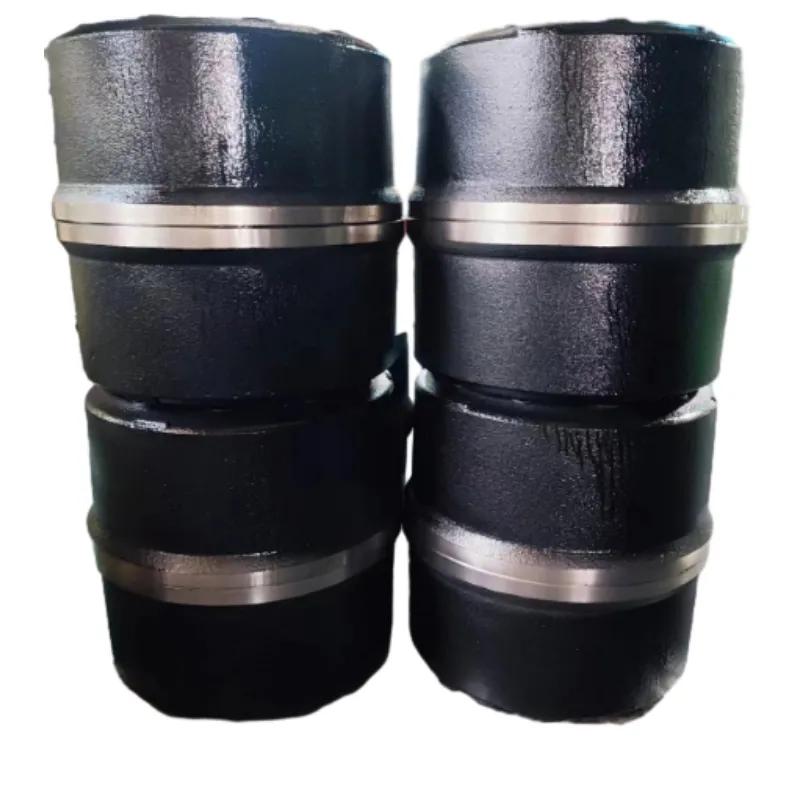

Industrial Brake Casting Solutions for Afghan Transit
Robust braking components designed to withstand extreme operating temperatures and heavy payloads in challenging regional environments.
Regional Analysis
Navigating Braking Requirements for Afghanistan's Terrain
Analyzing the intersection of heavy-duty logistics and automotive component durability.
The transportation infrastructure in Afghanistan relies heavily on rugged commercial vehicles capable of traversing varied altitudes and unpaved roads. This creates a critical demand for components like air brake drum systems that can handle the intense thermal stress of mountainous descent and the abrasive nature of dusty environments.
Procurement in the region often prioritizes long-term wear resistance over initial cost. Operators seek components that minimize downtime, making the precision of brake drum turning essential for maintaining optimal contact surfaces and ensuring safety across long-haul transit routes.
For fleet managers in Afghan provinces, these environmental factors mean that standard components often fail prematurely. Transitioning to high-grade castings ensures that braking efficiency is maintained even under maximum load, reducing the frequency of emergency repairs in remote areas.
Industry Evolution
Evolution of Braking Technology in Regional Logistics
From basic casting to precision CNC engineering.
Early Adoption
Standard Castings
Reliance on basic cast iron drums with wide tolerances, focusing primarily on availability for essential vehicle repairs.
Technology Expansion
Precision Machining
Integration of CNC vertical lathes to improve heat dissipation and balance, reducing brake chatter in heavy vehicles.
Current Market Stage
Advanced Safety Systems
Adoption of abs drum brakes to prevent wheel lock-up on unstable or slippery road surfaces.
01
Thermal Management
Shift toward specialized alloys that resist warping under extreme heat, critical for vehicles operating in high-altitude Afghan passes.
02
Dynamic Balancing
Increasing use of automatic dynamic balancing to extend the life of bearings and reduce vibration in commercial fleets.
03
Material Specialization
Rising demand for components like gunite brake drums where surface hardness is prioritized for extreme wear scenarios.
Future Outlook
Strategic Advancements in Brake Component Engineering
Anticipating the needs of next-generation transport.
01
Alloy Optimization
Development of castings with higher tensile strength to prevent cracking under irregular load distributions.
02
Custom Geometry
Tailoring drum designs to specific vehicle brands used in Asia, enhancing the fit and performance of replacements.
03
Maintenance Efficiency
Focusing on "easy-install" designs that reduce labor time for field repairs in remote Afghan regions.
04
Load Capacity
Expanding product lines to include ultra-heavy-duty drums for specialized industrial machinery and cranes.
The transition toward more sophisticated braking systems is likely to be driven by the need for improved safety and lower operational costs. As logistics corridors become more active, the requirement for components that offer consistent friction levels across a wider temperature range will become a priority for procurement teams.
Buyers should evaluate suppliers based on their testing capabilities, such as the use of spectrometers and tensile testing machines, to ensure that the metallurgical composition of the drums matches the rigors of the intended application.
Application Scenarios
Braking Solutions Across Diverse Afghan Applications
Real-world integration and performance value.
01
Cross-Border Freight Transport
Heavy trucks transporting goods through the Salang Pass face extreme brake fade. Implementing high-grade air brake drums ensures reliable stopping power during steep descents, reducing the risk of brake failure.
02
Port and Logistics Hubs
In loading zones, heavy machinery requires a crane brake drum capable of precise holding and controlled release, ensuring safety during the movement of oversized industrial cargo.
03
Urban Transit in Kabul
Stop-and-go traffic in densely populated areas leads to rapid wear. Using precision-turned drums extends the service life of brake linings and maintains a smoother braking feel for city commuters.
04
Agricultural Machinery Support
Tractors and trailers operating in rural provinces encounter muddy and abrasive conditions. Durable drum castings prevent corrosion and maintain structural integrity in humid or salty soil environments.
05
Military and Government Fleet Maintenance
High-duty vehicles used for regional security require components that meet strict ISO standards. The integration of ISO/TS16949 certified manufacturing processes ensures that parts are interchangeable and reliable under combat-zone stress.
Company Heritage
Hebei Ningchai Machinery: A Legacy of Precision
Building trust through quality and technical expertise.
2007
Foundation and Casting Roots
Established as Ningjin Lingyun Casting Mold Co., Ltd., the company began focusing on the fundamental science of automotive castings, building a foundation in mold precision.
2014 - 2015
Strategic Rebranding and Certification
Renamed to Hebei Ningchai Machinery Co., Ltd. to reflect expanded capabilities. In 2014, the company achieved SAI certification, cementing its commitment to global quality standards.
Modern Era
Industrial Scale-Up
Investing in 24 CNC vertical lathes and a fully automatic paint line, the company now produces over 300,000 pieces annually, catering to nearly 400 models across Europe, Japan, and Korea.
Comprehensive Brake Drum Catalog
From heavy-duty industrial castings to precision-engineered automotive discs for global vehicle brands.
Knowledge Base
Technical and Procurement FAQ
Expert answers to common industry questions.
How do I verify the metallurgical quality of brake drums for high-load vehicles?
You should request a spectrometer analysis and a hardness test report. We use a CS analyzer and metallographic microscopes to ensure the cast iron composition prevents cracking under thermal stress.
Why is brake drum turning necessary for fleet maintenance in Afghanistan?
Over time, drums develop grooves or warping. Precision turning restores the flat contact surface, which ensures uniform braking pressure and extends the life of your brake shoes.
What are the advantages of ABS drum brakes in mountainous terrain?
ABS-compatible drums allow the braking system to modulate pressure, preventing the wheels from locking during emergency stops on gravel or wet roads, which is critical for maintaining steering control.
Can you provide brake drums for specific European or Japanese truck brands?
Yes, we offer nearly 400 different models that are compatible with various major brands from Europe, Russia, Japan, and Korea, ensuring a precise fit for diverse fleet compositions.
How does dynamic balancing affect the performance of an air brake drum?
Dynamic balancing removes mass irregularities in the casting, which eliminates vibration at high speeds. This reduces wear on the axle and hub, leading to lower overall maintenance costs.
What certifications should I look for when sourcing automotive castings?
Look for ISO/TS16949 certification, which is the global standard for automotive quality management. Our adherence to these standards ensures consistent production quality and risk mitigation.
Global Supply Chain
Optimize Your Fleet's Braking Performance
Secure high-durability automotive components for your operations in Asia - Afghanistan. Our engineering team is ready to provide customized casting solutions for your specific industry needs.
Discuss Your Requirements