
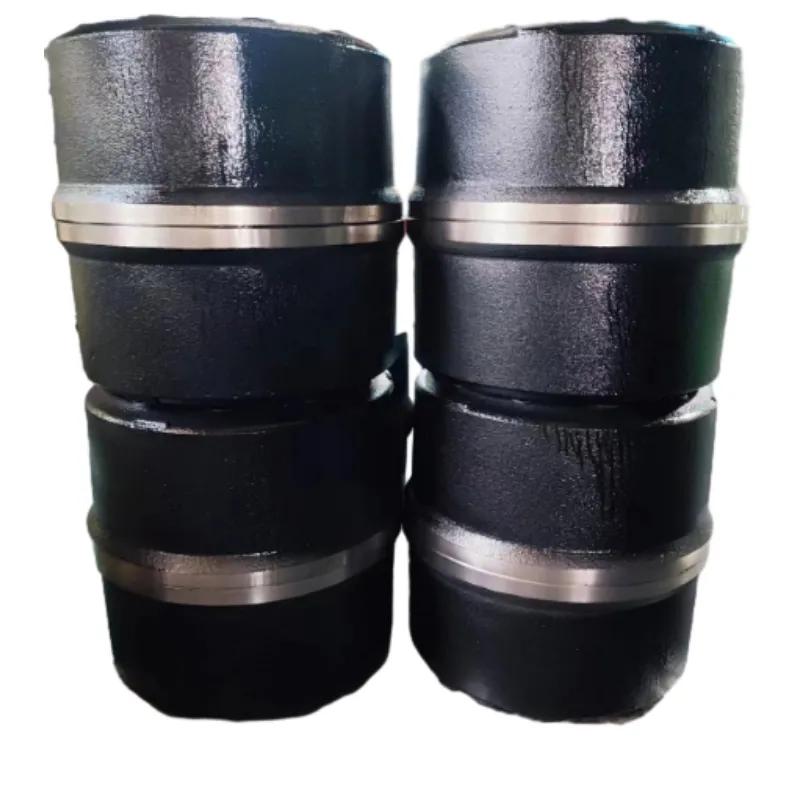
The transportation infrastructure in Iraq demands components that can withstand extreme thermal stress and abrasive dust. For heavy-duty fleets, the use of air brake drum systems is critical to ensure operational safety across long-haul routes. Given the region's harsh climate, standard components often suffer from premature wear, necessitating materials with superior thermal conductivity and hardness to prevent brake fade during steep descents or heavy loading.
To extend the lifecycle of existing hardware, many regional maintenance hubs prioritize brake drum turning to restore the friction surface to a perfect cylinder. This process is essential for eliminating grooves and uneven wear, ensuring that the brake shoes make full contact with the drum. When dealing with modern fleet safety requirements, integrating abs drum brakes allows for better control during emergency braking on sandy or uneven surfaces common in rural Iraqi provinces.
From an industrial procurement perspective, the shift toward high-grade castings has become a priority. The integration of CNC precision machining allows for tighter tolerances, which reduces vibration and noise. For specialized lifting operations in oil and gas hubs, the reliability of a crane brake drum is paramount, as failure in these components can lead to catastrophic operational downtime. Investing in certified manufacturing standards ensures that these critical parts meet international safety benchmarks.