
Regional Analysis
Qatar's Automotive Brake Parts Landscape
Understanding the intersection of logistical growth and environmental challenges in the Gulf region.
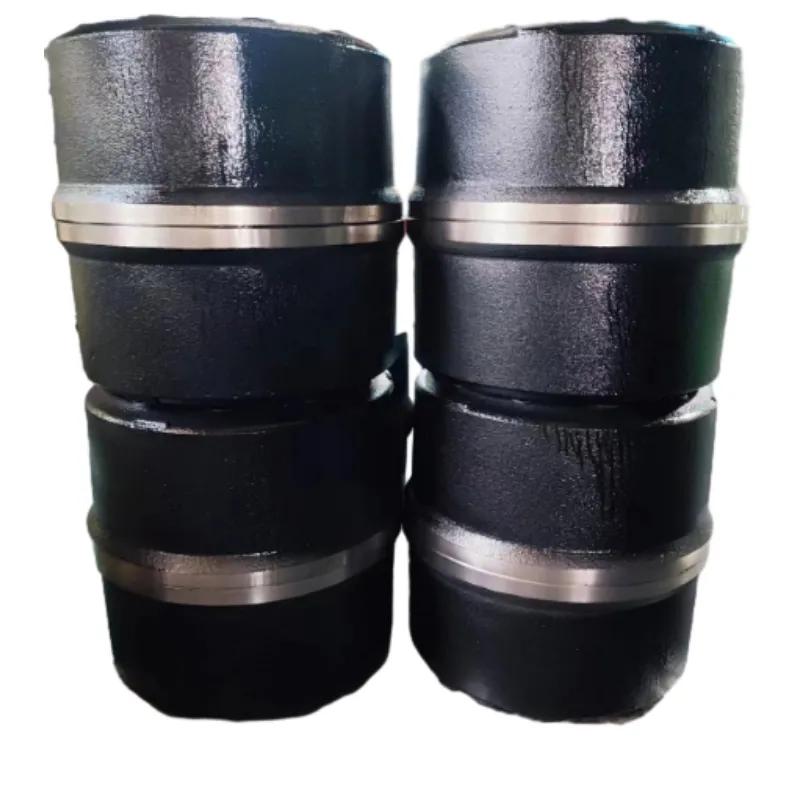
Qatar's automotive market is characterized by a high reliance on imported heavy-duty vehicles for infrastructure development and logistics. The geographical landscape, marked by extreme heat and sandy environments, puts immense pressure on friction components. The industry primarily focuses on durability and heat resistance, as the harsh climate accelerates the degradation of braking materials. Consequently, there is a consistent demand for high-grade castings that can maintain structural integrity under severe thermal cycles and abrasive conditions.
Current trends indicate a shift toward more sophisticated braking systems, including the wider adoption of abs drum brakes to enhance safety in commercial fleets. There is an increasing emphasis on the "total cost of ownership," where fleet managers prefer higher-quality components that offer longer service intervals over cheaper, short-lived alternatives. Technological drivers include the integration of precision-machined components that reduce vibration and improve the efficiency of pneumatic braking systems common in heavy haulage.
The primary constraint in the local market remains the lead time for specialized parts for non-local brands. This creates a significant opportunity for manufacturers who can provide a comprehensive range of models (European, Asian, and Russian) with certified quality. The outlook for the Qatar market is tied to the expansion of logistics hubs, which will continue to drive the demand for reliable, high-capacity brake drums that minimize downtime and ensure safety across diverse operational scenarios.
Technical Evolution
The Progression of Brake Casting Technology
From basic casting to precision-engineered automotive safety components.
Foundational Phase
Basic Casting Methods
Early production focused on basic mold casting with limited precision. Components were heavy and prone to uneven wear, requiring frequent manual adjustment and surfacing.
Industrial Optimization
CNC Integration
The shift to CNC vertical lathes and CAC machining centers allowed for precise concentricity, reducing brake judder and significantly improving thermal distribution.
Current Standard
Certified Precision
Modern production incorporates ISO/TS16949 standards, dynamic balancing, and spectrometer analysis to ensure safety-critical performance for global markets.
Material Science Advancement
The transition from standard gray iron to optimized alloys has allowed brake drums to withstand higher operating temperatures without warping. This is critical for vehicles operating in high-heat regions like Qatar, where thermal fatigue is a primary cause of component failure.
Automation in Surface Finishing
Automated paint lines and precision finishing have reduced surface oxidation and corrosion. This ensures that the interface between the brake shoe and the drum remains optimal, reducing noise and improving the initial bite of the braking system.
Data-Driven Quality Control
The implementation of CS analyzers and metallographic microscopes has shifted quality control from "post-production sampling" to "process-level prevention," ensuring that every batch of casting is free from structural voids.
Future Outlook
Emerging Trends in Brake System Engineering
Adapting to new safety requirements and operational efficiencies in the global automotive sector.
Lightweighting High-Strength Castings
Developing components that reduce unsprung weight without sacrificing structural integrity. This improves fuel efficiency and vehicle handling while maintaining critical stopping power.
Integration with Electronic Braking
Optimization of drum surfaces specifically for abs drum brakes to reduce response lag and improve stability during emergency braking on sandy or wet roads.
Eco-Friendly Smelting Processes
Adopting more energy-efficient electric smelting furnaces to reduce the carbon footprint of casting production while maintaining the purity of the alloy.
Customized Metallurgy for Climate
Developing specific material grades that prioritize high-temperature stability over low-temperature flexibility, tailored for the specific operational climate of the Gulf region.
The shift toward precision-engineered components is no longer an option but a necessity. As vehicle loads increase and safety regulations tighten globally, the tolerance for casting defects has vanished. The use of automated dynamic balancing machines now ensures that every drum operates without vibration, which not only improves driver comfort but prevents premature wear on the hub and bearings. This holistic approach to component engineering is what separates industrial-grade parts from generic replacements.
Furthermore, the integration of rigorous quality management systems, such as ISO/TS16949, provides a verifiable chain of trust. For operators in Qatar, this means that a part installed today is guaranteed to perform under the same specifications as the OEM component. The future of the industry lies in this convergence of metallurgical science and digital machining, ensuring that safety-critical components like the brake drum can withstand the most demanding real-world applications.
Practical Application
Brake Component Performance in Local Contexts
How high-quality brake drums perform across various operational environments in Qatar.
01
Heavy-Duty Logistics in Doha Urban Hubs
Urban delivery fleets face constant stop-and-start cycles. In this scenario, the primary problem is rapid heat accumulation in the drums. By utilizing our high-thermal-conductivity alloys and precision-machined surfaces, these vehicles experience reduced brake fade and longer intervals between replacements, keeping the supply chain moving efficiently through the city's dense traffic.
02
Construction Haulage in Industrial Zones
Vehicles transporting heavy materials in industrial areas are subjected to extreme loads. The risk of drum cracking under pressure is high. Our use of spectrometer-verified metallurgy ensures a dense, void-free casting structure. This operational impact manifests as increased safety margins and the ability to handle maximum payload without risking structural failure of the braking system.
03
Cross-Border Transport on Sandy Highways
High-speed transit on sandy roads introduces abrasive particles into the brake assembly. This causes rapid scoring of the drum surface. Our precision-finished drums, combined with an automated paint line for corrosion protection, offer a harder wearing surface that resists scoring, maintaining consistent friction and reducing the frequency of brake drum turning.
04
Mixed-Brand Fleet Maintenance for Contractors
Contractors often operate fleets consisting of European and Japanese trucks. The problem is the logistical nightmare of sourcing diverse parts. By providing nearly 400 models in a single catalog, we eliminate the need for multiple suppliers. The operational result is a streamlined inventory process and reduced vehicle downtime during scheduled maintenance cycles.
05
Specialized Crane and Heavy Machinery Braking
For stationary or slow-moving heavy equipment, the crane brake drum must provide immense holding power. We apply specialized casting techniques to ensure maximum wall thickness and perfect inner diameter consistency, ensuring that the brake shoes grip the drum with absolute uniformity, preventing load slippage in critical lifting operations.
Deployment Evidence
Representative Application Scenarios
Illustrative examples of how our components resolve real-world braking challenges for fleet operators.
In high-temperature logistics, the transition to precision-cast drums reduced the incidence of thermal warping. By utilizing components with verified metallurgical properties, a typical fleet saw a noticeable decrease in unplanned maintenance stops caused by brake judder and uneven wear.
Managing a mixed fleet of European and Asian trucks often meant long wait times for specific brake drums. The availability of a broad model range allowed for a consolidated procurement strategy, significantly reducing the time vehicles spent in the workshop awaiting replacement parts.
For heavy machinery braking, the importance of concentricity cannot be overstated. Using CNC-machined drums ensured a perfect fit with the braking shoes, resulting in consistent holding power and a reduction in the frequency of resurfacing requirements.
Our Heritage
Hebei Ningchai Machinery Co., Ltd.
A legacy of precision casting and a commitment to global automotive safety.
2007
Company Establishment
Founded as Ningjin Lingyun Casting Mold Co., Ltd., the company began its journey focusing on the foundational art of casting and mold production, establishing the core technical expertise in metalwork.
2014
SAI Certification
Achieved SAI certification, marking a pivotal shift toward internationally recognized quality standards and enhancing the company's ability to serve global automotive markets with verified reliability.
2015
Strategic Rebranding
Changed the name to Hebei Ningchai Machinery Co., Ltd. to reflect the expansion of business activities and a strategic focus on high-precision automobile brake drums and automotive components.
Ongoing
Quality Excellence
Operating under ISO/TS16949:2009 quality management systems, the company now manages a vast catalog of nearly 400 models, serving diverse vehicle brands from Europe, Russia, Japan, and Korea.
Technical Support
Frequently Asked Questions
Detailed answers to common inquiries regarding brake drum selection and maintenance.
What are the key signs that a brake drum needs to be replaced rather than turned?
The primary indicator is the wall thickness. Every brake drum has a minimum specified thickness; if turning the drum to remove grooves or warping would bring the thickness below this safety limit, the drum must be replaced. Other signs include deep heat-checking (small cracks on the surface) or significant ovality that cannot be corrected by machining without compromising structural integrity. Regular measurement with a micrometer is the only reliable way to determine if turning is a safe option.
How does Hebei Ningchai ensure the quality of brake drums for extreme climates like Qatar?
We utilize a comprehensive quality control chain starting from the electric smelting furnaces where alloy composition is strictly monitored via spectrometer analysis. To combat thermal stress, we optimize the microstructure of the iron to enhance heat dissipation. Every component undergoes rigorous testing using hardness testers and tensile machines to ensure it can withstand the combined pressure of pneumatic systems and high ambient temperatures without warping or cracking.
Are your brake drums compatible with ABS (Anti-lock Braking Systems)?
Yes, we specialize in the production of abs drum brakes. The critical factor for ABS compatibility is the precision of the inner surface and the concentricity of the drum. By using 24 CNC vertical lathes and CAC machining centers, we ensure that the friction surface is perfectly round. This prevents the irregular pulsations that could confuse ABS sensors, ensuring the system modulates braking pressure accurately during emergency stops.
What certifications do your products hold to guarantee safety in commercial fleets?
Hebei Ningchai Machinery operates under a strict quality management system in accordance with ISO/TS16949:2009, which is the global standard for the automotive industry. Additionally, the company received SAI certification in 2014. These certifications verify that our manufacturing processes—from raw material smelting to final automated painting—meet stringent safety and consistency requirements, providing fleet operators with the assurance that every part is produced to OEM-level specifications.
Can you provide brake drums for a mixed fleet of different European and Asian brands?
Yes, we offer a comprehensive range of nearly 400 different models. Our production capabilities allow us to cater to various car and truck brands from Europe, Russia, Japan, and Korea. This extensive product lineup is designed specifically to help fleet managers reduce their number of suppliers and streamline their inventory. Whether you are operating a fleet of Japanese light trucks or European heavy haulers, we can provide the corresponding precision-engineered brake drums.
What is the best way to choose the right brake drum for heavy-duty crane applications?
For a crane brake drum, the priority is holding torque and structural stability under static loads. You should evaluate the maximum load capacity and the required braking torque. We recommend selecting drums with higher wall thickness and verified material density to prevent deformation under extreme pressure. Providing us with the specific load requirements and equipment brand allows us to recommend the model with the optimal metallurgical properties for your application.
Ready to Upgrade
Secure Your Fleet with Precision-Engineered Braking Components
Whether you are managing a commercial fleet in Doha or overseeing heavy industrial equipment in Qatar, our ISO/TS16949 certified brake drums provide the reliability you need. Discuss your specific vehicle models and operational requirements with our technical team today to ensure maximum safety and reduced downtime.
Discuss Your Requirements