

Brake Drums: OEM Quality, Durable, Fast Delivery?
Brake Drum Industry Insider: 2025 Outlook, Specs, and Buying Notes
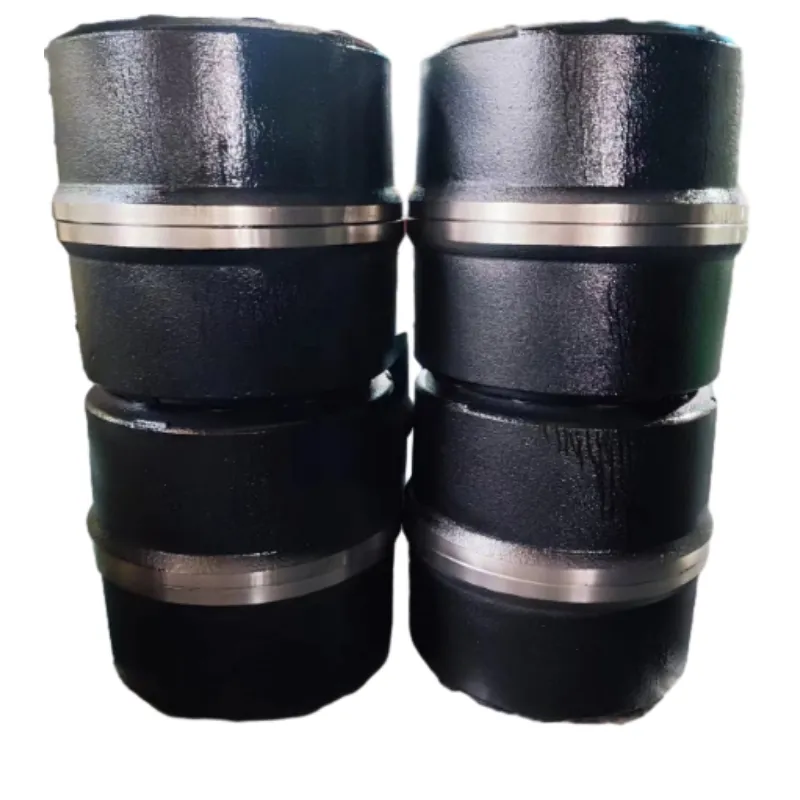
If you’re shopping for brake drums, you’re probably juggling cost, uptime, and—let’s be honest—who can ship by Friday. I’ve toured a few foundries this year, including facilities around Haozhuang, Tangqiu Town, Ningjin County, Xingtai, Hebei Province, where the Brake Drum product line is made from gray cast iron and machined to tight tolerances. The market is evolving fast.
What’s trending (and why it matters)
- Thermal management: cast iron grades (often G3000-equivalent) tuned for fade resistance and stable friction.
- Balance and NVH: tighter runout and dynamic balance reduce pedal pulsation—fleets really notice.
- Lifecycle economics: more fleets spec thicker walls and better finishing to stretch service intervals.
Technical specs that actually affect performance
Real-world use may vary by axle load and duty cycle, but here’s a representative snapshot.
| Parameter | Typical Value (≈) | Notes |
|---|---|---|
| Material | Gray cast iron (SAE J431 G3000 / ASTM A48 Class 35B) | Stable damping, good thermal mass |
| Diameter range | ≈ 280–420 mm | Model-specific |
| Brinell hardness | HB 180–240 | Per material spec |
| Runout | ≤ 0.08 mm | Measured post-machining |
| Max service diameter | +0.5–1.0 mm over nominal | Follow OE limits |
How they’re made: the short version
Materials: pig iron + scrap + alloying; melt control via spectrometer. Casting: green sand molds with inoculation for graphite control. Machining: CNC turning, finishing, and hub face trueing. Finishing: shot blast, anti-rust coating. Testing: hardness, runout, dynamic balance (often ISO 1940-1 G16 or better), and sample section microstructure checks to SAE J431 / GB/T 9439. To be honest, shops that log traceable heat/batch data tend to deliver fewer surprises.
Applications and advantages
- Light/medium trucks, buses, off-highway, ag equipment—anywhere brake drums are preferred for durability.
- Pros: strong thermal mass, forgiving to lining wear, good NVH damping; Cons: heavier than discs, heat soak if undersized.
- Expected service life: ≈ 80,000–200,000 km highway; ≈ 30,000–80,000 km urban stop-go (lining and load dependent).
Vendor snapshot (compare before you buy)
| Vendor Type | Strengths | Possible Trade-offs | Certs (common) |
|---|---|---|---|
| Foundry-direct (Hebei, China) | Tight lead times, customization, competitive pricing | Requires clear QC plan; shipping coordination | ISO 9001 / IATF 16949 (verify current) |
| Global aftermarket brand | Broad catalog, easy returns | Price premium; sometimes rebadged | ECE R90 for replacements where applicable |
| Local distributor | Immediate stock, fast support | Limited spec transparency | ISO docs via supplier |
Customization
Logos and part numbers, balance grade (often G16; heavy-duty can target G6.3), anti-corrosion coating, custom diameters/depths, packaging, and batch-level test reports. Many customers say a simple tweak—like a slightly thicker braking surface—pays back in two lining changes.
Field data: quick case
Regional bus fleet, mixed urban routes. Switched to new brake drums (G3000-grade, runout ≤0.06 mm). Results over 60,000 km: fade complaints down ~35%; lining life up 18%; measured drum hardness HB 205–215; no cracks on mag-particle inspection. Compliance spot-checks aligned with SAE J431 chemistry windows and FMVSS 121 performance when paired with certified linings.
Buying checklist
- Ask for heat/batch test sheet (chemistry + hardness + runout).
- Confirm max service diameter and oversize limits.
- Balance certificate (ISO 1940-1) and surface roughness Ra target.
- Certifications: ISO 9001, IATF 16949; ECE R90 where applicable.
Sources and standards:
- SAE J431: Automotive Gray Iron Castings.
- ASTM A48: Gray Iron Castings.
- GB/T 9439: Grey Iron Castings (China).
- ISO 1940-1: Mechanical vibration—Balance quality of rigid rotors.
- FMVSS 121: Air Brake Systems (performance criteria for heavy vehicles).
- ECE R90: Replacement braking components (regional applicability).
-
Understanding Drum Brakes on Cars A Complete Guide to ReliabilityNewsApr.16,2026
-
Understanding Drum Brakes on Car for Safety and PerformanceNewsApr.09,2026
-
Comprehensive Guide to Understanding Drum Brakes on a Semi TruckNewsApr.07,2026
-
Understanding the Mechanics and Maintenance of Drum Brakes on a CarNewsApr.04,2026
-
Understanding and Fixing Drum Brakes Not Self Adjusting for Vehicle SafetyNewsMar.31,2026
-
Understanding and Fixing Issues with Drum Brakes Not Releasing EffectivelyNewsMar.28,2026
-
Nissan Sentra Drum Brakes A Comprehensive Guide to Maintenance and ReplacementNewsMar.26,2026