Selecting the right partners among global brake drum manufacturers is a critical decision for automotive OEMs and fleet managers who prioritize braking safety and component longevity. The brake drum serves as the primary friction surface in drum brake systems, converting kinetic energy into heat to decelerate heavy-duty vehicles and passenger cars alike.
While the industry has seen a shift toward disc brakes in many sectors, the drum brake remains indispensable for rear axles and heavy commercial applications due to its superior parking brake integration and cost-effective durability. However, the performance of these systems depends entirely on the casting quality and metallurgical precision of the manufacturer.
This analysis explores the technical benchmarks and procurement considerations essential for evaluating automotive casting suppliers, focusing on how material science and precision machining impact road safety and maintenance cycles.

Understanding the Technical Role of Brake Drums in Vehicle Safety

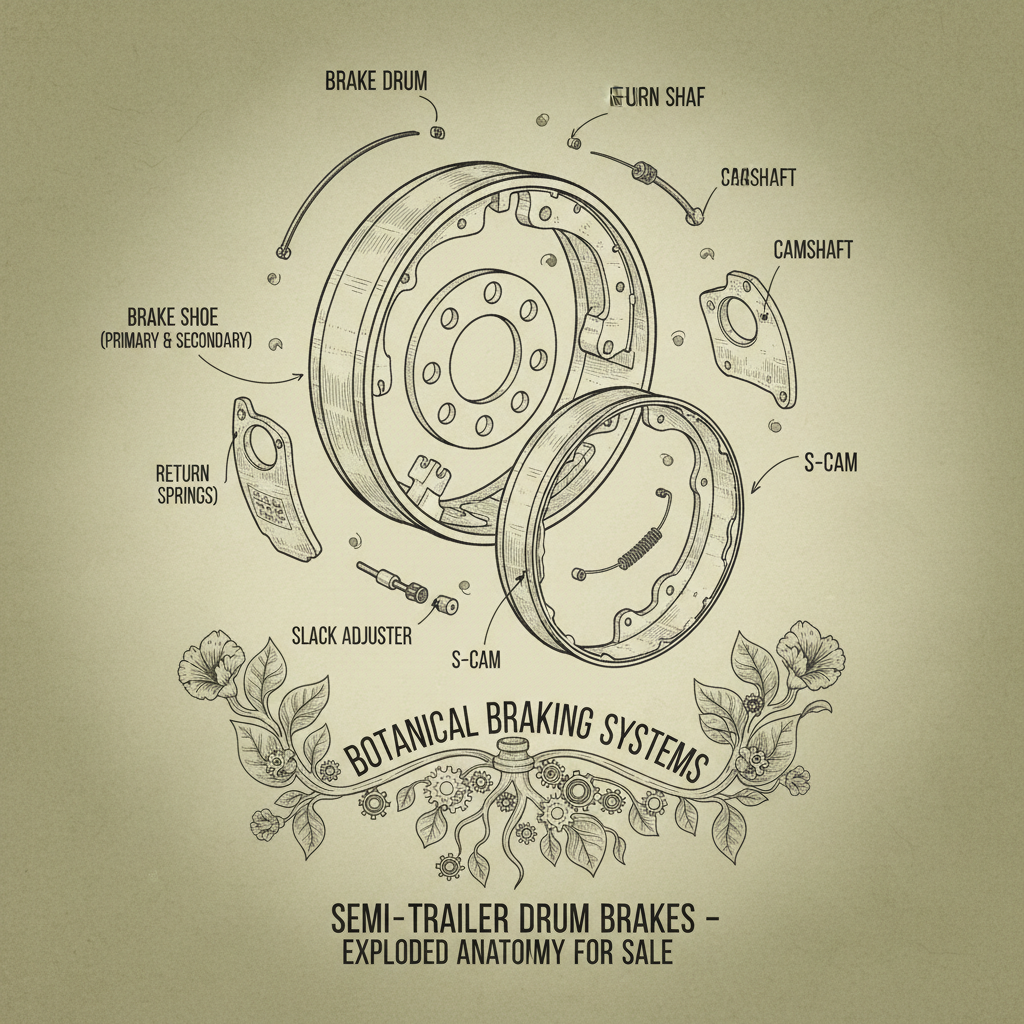
The brake drum operates as a friction pair within the braking assembly, rotating in synchronization with the tire. When hydraulic pressure is applied, the brake shoes are forced against the inner circumference of the drum, creating the friction necessary to stop the vehicle. This mechanical process generates immense thermal energy, making the drum's ability to manage heat the primary factor in preventing brake fade.
From a structural perspective, a brake drum must exhibit extreme rigidity and wear resistance. Any mechanical deformation caused by uneven heating can lead to poor contact between the shoe and the drum, which manifests as increased pedal force, vibration, and audible noise during deceleration. Therefore, the design of reinforcement ribs and wall thickness is not merely about weight but about thermal stability.
Modern manufacturing utilizes various classifications to match vehicle needs, including integral casting, steel plate combined with cast iron, and light alloy combinations. These variations allow manufacturers to balance the trade-off between unsprung weight and the heat capacity required for heavy-load stopping power.
Key Metallurgical Factors That Define High-Performance Brake Drums
The performance of a brake drum is fundamentally rooted in its material composition. High-grade cast iron is typically preferred due to its excellent thermal conductivity and damping capacity, which helps absorb vibrations and dissipate heat rapidly to the surrounding air.
Precision in the smelting process is paramount. Manufacturers must employ advanced testing equipment, such as spectrometers and hardness testers, to ensure the alloy consistency across every batch. A discrepancy in the metallographic structure can lead to "hot spots" on the drum surface, resulting in uneven wear and reduced braking efficiency.
Furthermore, the finishing process—specifically CNC vertical lathing and dynamic balancing—ensures that the drum is perfectly concentric. Without this precision, the brake system is prone to pedal pulsation, which significantly degrades the driver's experience and safety.
Application Scenarios Across Diverse Automotive and Heavy-Duty Segments
Brake drums are engineered differently depending on the vehicle's operational profile. For light commercial vehicles (LCVs) and passenger cars, the focus is often on reducing weight and minimizing noise while maintaining reliable stopping distances for urban commuting.
In contrast, heavy-duty trucks and buses—such as those utilizing Mercedes Benz, Scania, or Volvo chassis—require drums with massive heat capacity. These vehicles undergo prolonged braking periods on descents, where the risk of thermal deformation is highest. In these scenarios, integrated casting with optimized cooling fins is utilized to maximize airflow.
Specialized applications, such as trailers and agricultural machinery, prioritize wear resistance over weight. Components for brands like BPW or SAF are designed to withstand harsh environmental exposure and abrasive debris, necessitating specific surface treatments and higher wall thicknesses to extend the service interval.
Evaluating Casting Precision and Heat Dissipation Performance Metrics
Measuring the efficacy of a brake drum requires looking beyond simple dimensions. The most critical metrics include thermal saturation points, wear rates under load, and the degree of concentricity achieved during the machining phase.
When comparing standard industrial castings to high-precision components, the difference is most evident in the stability of the friction coefficient during high-temperature cycles. High-precision drums maintain a more consistent contact surface, reducing the likelihood of mechanical deformation.
brake drum manufacturers Performance Metrics
The data suggests that optimized casting processes significantly improve heat dissipation and reduce the rate of surface wear. By utilizing dynamic balancing machines and automated paint lines for corrosion protection, manufacturers can ensure that the component maintains its geometric integrity over thousands of braking cycles.
Critical Procurement Guidelines for Evaluating Casting Suppliers
Procuring brake drums on a B2B scale requires a rigorous audit of the supplier's quality management system. It is not enough to review product samples; the entire production chain must be verified, from the electric smelting furnaces to the final inspection tools.
Buyers should prioritize suppliers who possess a full suite of in-house testing capabilities, including CS analyzers, spectrometers, and tensile testing machines. This ensures that every piece of automotive casting meets the specific rigidity and heat resistance requirements of the target vehicle brand.
Additionally, the breadth of the product catalog is a key indicator of a manufacturer's technical versatility. A supplier capable of producing nearly 400 different models across European, Japanese, and Korean specifications typically possesses the tooling flexibility needed for custom OEM requests.
Future Directions in Brake Drum Materials and Sustainable Manufacturing
The automotive industry is currently exploring new alloy combinations to reduce the environmental impact of casting while improving thermal performance. There is a growing trend toward the use of light alloys combined with cast iron to reduce unsprung mass without sacrificing the braking surface's durability.
Automation is also redefining the manufacturing landscape. The integration of CAC machining centers and automated paint lines is likely to reduce human error in the finishing stages, resulting in components with even tighter tolerances and better corrosion resistance.
Furthermore, as global emission standards tighten, the focus may shift toward materials that produce less particulate matter during wear. This evolution depends on the development of new friction-pair coatings and advanced smelting techniques that enhance surface hardness at a molecular level.
Comparative Framework for Selecting Brake Drum Casting Solutions
Selecting the appropriate brake drum requires matching the material and design to the specific operational load and environmental conditions of the vehicle.
The following matrix provides a decision-making guide based on the common technical approaches used by professional manufacturers to solve specific braking challenges.
| Solution Type | Primary Material | Optimal Use Case | Key Performance Factor |
|---|---|---|---|
| Integral Casting | Grey Cast Iron | Heavy Commercial Trucks | Max Thermal Capacity |
| Steel/Iron Hybrid | Composite Alloy | Medium-Duty Vans | Structural Rigidity |
| Light Alloy Mix | Al-Iron Composite | Passenger Vehicles | Unsprung Weight Reduction |
| Reinforced Ribbed | High-Carbon Iron | Mountainous Terrain Fleet | Accelerated Heat Dissipation |
| Precision-Ground | Spheroidal Graphite | High-End OEM Specs | Zero Vibration/Noise |
| Coated Durable | Treated Cast Iron | Off-Road/Construction | Corrosion Resistance |
Ultimately, the choice should be dictated by the total cost of ownership, considering both the initial procurement price and the projected maintenance intervals. High-precision components typically offer a lower long-term cost by reducing the frequency of shoe replacements and drum resurfacing.
Frequently Asked Questions
Conclusion
Ensuring vehicle safety requires a uncompromising approach to the selection of braking components. The technical superiority of a brake drum is not found in its appearance, but in its metallurgical composition, thermal stability, and the precision of its machining. By partnering with manufacturers who invest in comprehensive testing and automated quality control, fleet operators can significantly reduce maintenance downtime and enhance road safety.
For procurement professionals and engineers evaluating technical specifications for their next project, the detailed product ranges and corporate capabilities available through www.hbncbrakedrum.com provide a reliable benchmark for high-performance automotive castings.