Ensuring the operational safety of commercial vehicles depends heavily on the precision and durability of oem brake drums. In the automotive parts manufacturing sector, these components serve as the primary friction surface that converts kinetic energy into thermal energy to stop a vehicle, making their material integrity a non-negotiable safety requirement.
Procurement managers and fleet operators often struggle to balance the cost of replacement parts with the strict performance standards required to prevent mechanical deformation, vibration, and brake fade. Finding a reliable manufacturing partner who understands the nuances of casting and machining is critical to reducing vehicle downtime and maintenance overhead.
This guide provides a technical and commercial analysis of brake drum selection, examining the critical relationship between material composition, heat dissipation, and vehicle safety to help buyers make informed procurement decisions.

Fundamental Mechanics of Drum Braking Systems

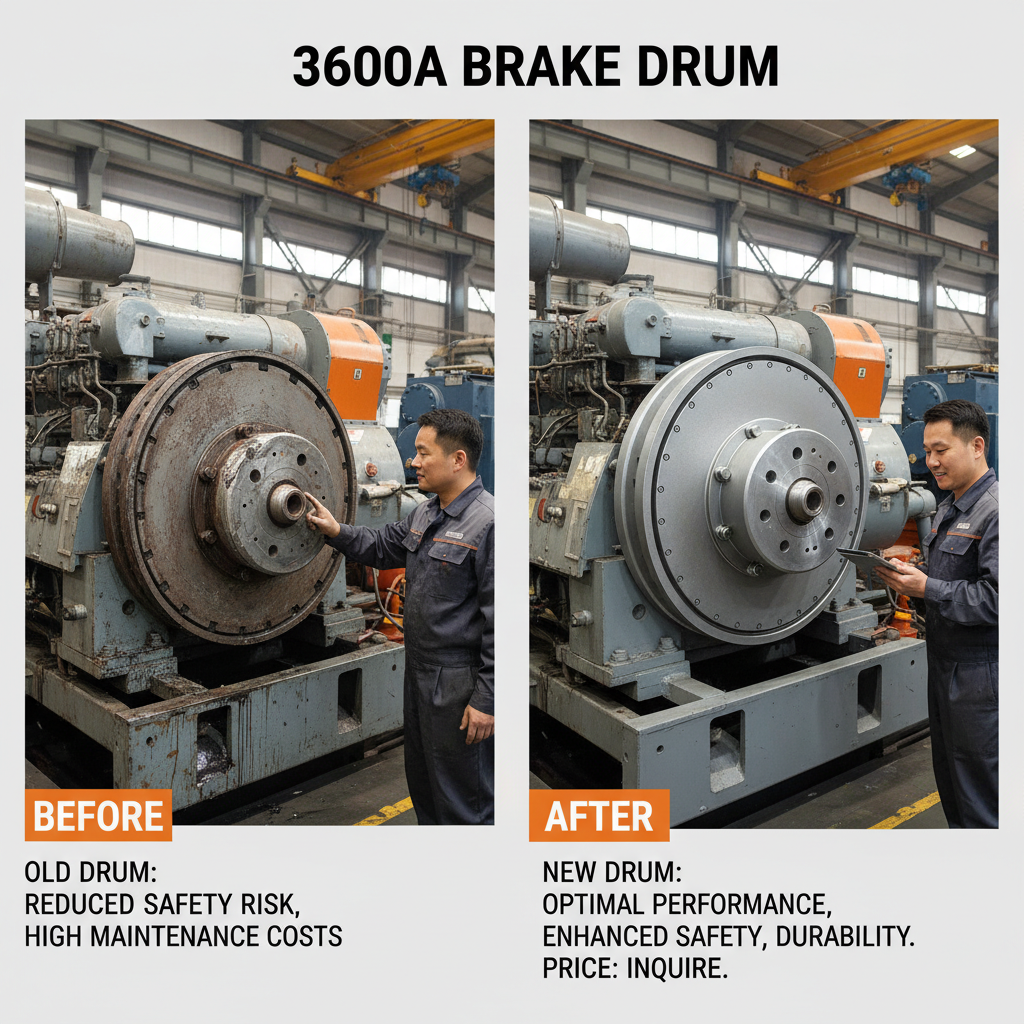
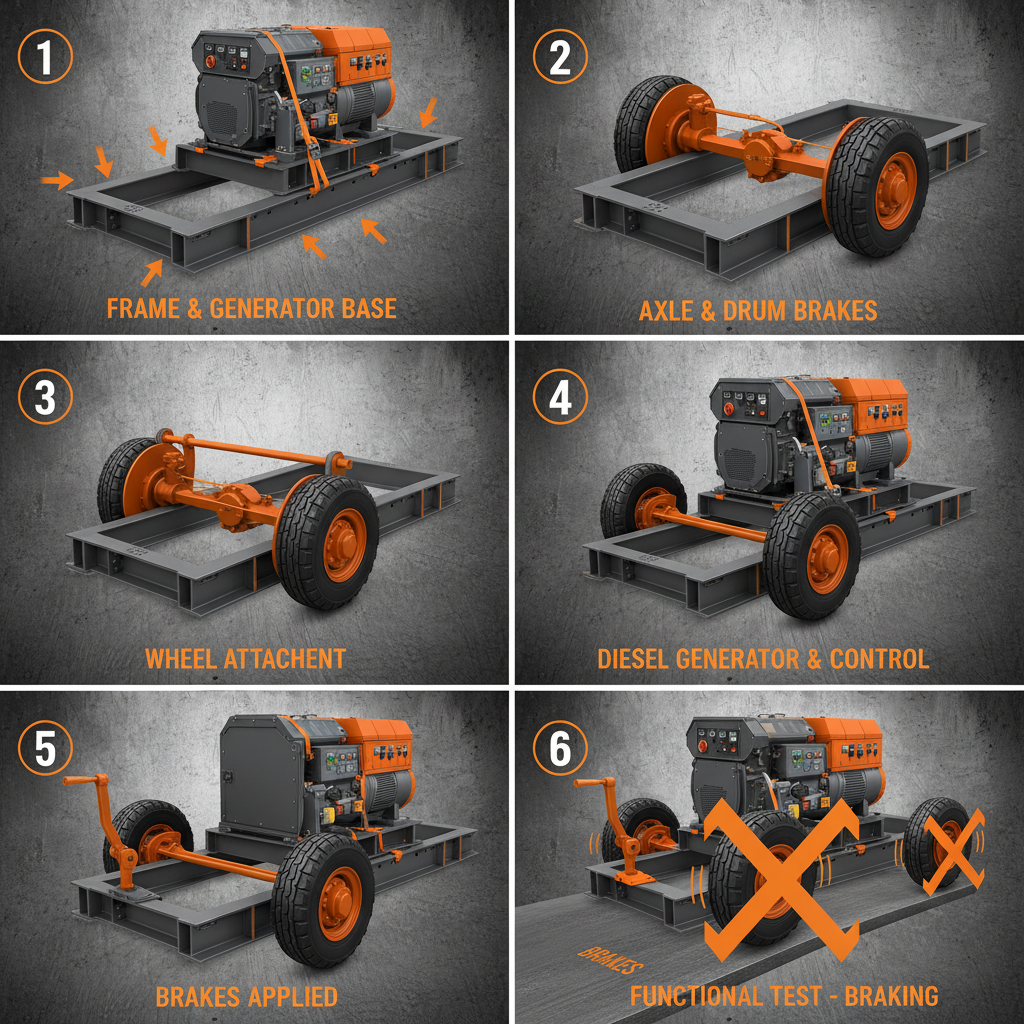
The operational logic of oem brake drums is based on friction-induced deceleration. Fixed to the tire and rotating at a synchronized speed, the drum serves as the housing for the brake shoes. When oil pressure is applied, the brake cylinder pushes the shoes against the inner edge of the drum, creating the friction necessary to halt rotation.
From an engineering perspective, the drum is more than a simple cylinder; it is a high-stress friction pair. Its ability to maintain structural rigidity under extreme thermal loads determines the overall responsiveness of the braking system, directly impacting the vehicle's stopping distance and road safety.
Material Classifications and Performance Trade-offs
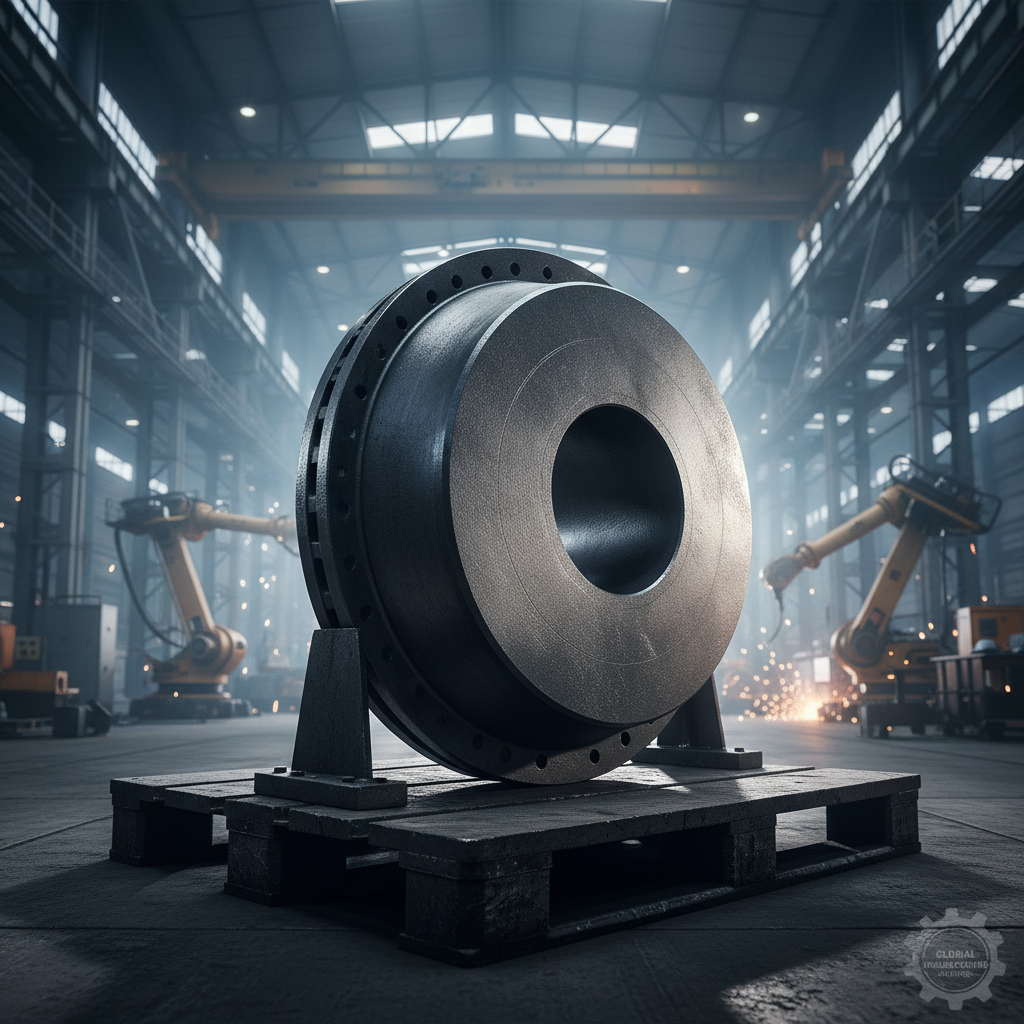
In the automotive parts manufacturing industry, brake drums are categorized by their construction methods to suit different vehicle weights and duty cycles. Integral casting brake drums provide maximum strength and are typically used in heavy-duty applications where rigidity is paramount to prevent warping under heavy loads.
For specialized needs, combined structures are utilized. Steel plate and cast iron combined drums offer a balance of strength and weight reduction, while light alloy and cast iron combinations are engineered for vehicles requiring higher heat dissipation and lower unsprung mass. The choice of material directly influences the component's wear resistance and heat capacity.
Critical Design Factors for Heat Management
Thermal management is the primary challenge in drum brake design. Excessive heat leads to "brake fade," where the friction coefficient drops, increasing the pedal force required and lengthening the stopping distance. Effective designs incorporate specific reinforcement ribs and optimized wall thickness to enhance heat conduction away from the friction surface.
Proper heat dissipation is achieved through a combination of material thermal conductivity and external surface geometry. By optimizing the airflow around the drum, manufacturers can prevent mechanical deformation and reduce the likelihood of surface cracks, which are common failure points in low-quality castings.
Comparative Evaluation of Drum Casting Types
Selecting the right casting type involves evaluating relative performance metrics across different operating environments. The following conceptual index illustrates the relative performance of different drum configurations regarding heat capacity, rigidity, and weight efficiency.
As shown in the relative evaluation, integral casting excels in rigidity and heat capacity, making it the standard for heavy-duty commercial transport. In contrast, light alloy combined drums prioritize weight efficiency, which is essential for improving fuel economy and handling in lighter vehicle classes.
Risk Analysis: Mechanical Deformation and Noise
Poorly designed or maintained oem brake drums often exhibit mechanical deformation, leading to poor contact between the brake shoe and the drum surface. This inconsistency manifests as pedal vibration, increased noise (squealing), and an uneven braking feel that can compromise driver confidence and vehicle safety.
Regular inspection for cracks, wear, and ovality is essential. Once a drum loses its perfect cylindrical shape, the friction pair becomes inefficient, causing accelerated wear on the brake shoes and potentially leading to catastrophic failure if the deformation causes the drum to crack under thermal stress.
Supplier Quality Audit Framework for Casting Parts
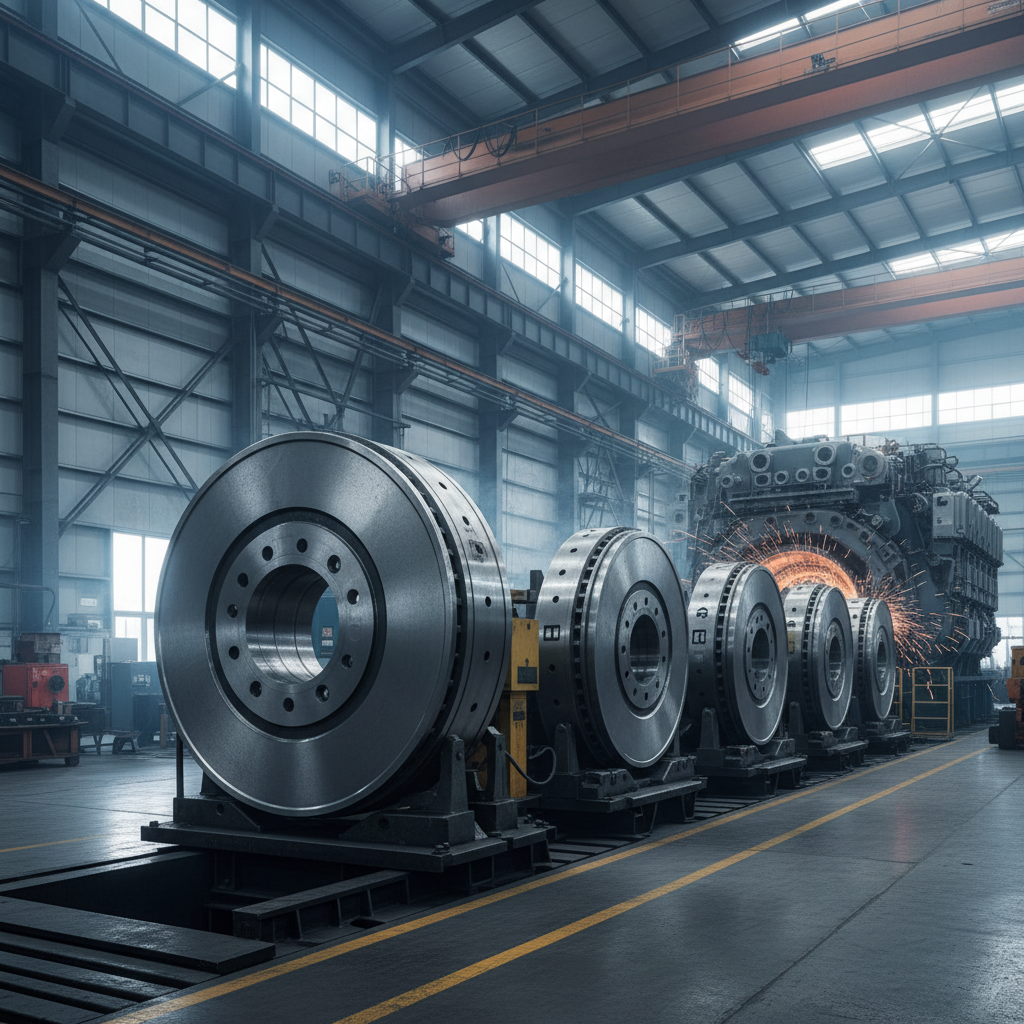
When auditing a manufacturer, buyers should look beyond the final product and examine the production infrastructure. A professional facility should utilize CNC vertical lathes and machining centers to ensure tight dimensional tolerances and dynamic balancing machines to eliminate vibrations at high speeds.
Quality assurance must be backed by rigorous testing. The presence of spectrometers for chemical analysis, hardness testers, and metallographic microscopes indicates a supplier's ability to control the internal grain structure of the cast iron, which is the primary determinant of the drum's long-term wear resistance.
Decision Matrix for OEM Brake Drum Procurement
The final procurement decision should be based on a weighted analysis of the vehicle's application and the supplier's technical capabilities. The following matrix provides a framework for comparing different drum solutions based on operational requirements.
| Drum Type | Primary Strength | Best Application | Main Consideration |
|---|---|---|---|
| Integral Cast Iron | Maximum Rigidity | Heavy Duty Trucks | Higher Weight |
| Steel/Iron Combined | Balanced Weight | Medium Commercial | Joining Integrity |
| Light Alloy Combined | Heat Dissipation | Light Commercial | Lower Rigidity |
| Reinforced Ribbed | Thermal Stability | High-Frequency Stop | Complex Casting |
| Precision CNC Finished | Zero Vibration | High-Speed Transport | Higher Unit Cost |
| Standard OEM Grade | Cost Efficiency | General Fleet Use | Standard Lifespan |
By utilizing this decision matrix, procurement officers can align the technical specifications of the brake drum with the actual duty cycle of the vehicle, ensuring optimal braking performance and reduced total cost of ownership.
Frequently Asked Questions
Deformation is typically caused by extreme thermal cycling where the drum overheats during heavy braking and cools rapidly, or by poor material quality during the casting process resulting in internal stresses.
Increased wall thickness generally improves heat capacity and structural rigidity but can hinder rapid heat dissipation if not balanced with proper reinforcement ribs and airflow design.
CNC vertical lathes ensure a high degree of concentricity and surface smoothness, which minimizes vibration and ensures uniform contact between the brake shoe and the drum.
Dynamic balancing removes mass imbalances that cause centrifugal vibrations at high speeds, preventing premature wear of wheel bearings and improving ride quality.
High-grade cast iron with optimized graphite structure is preferred for its superior heat capacity and wear resistance, though light alloy combinations are used when weight reduction is a priority.
Inspection intervals depend on vehicle load and usage, but general commercial fleet standards suggest checking for ovality and cracks during every major brake shoe replacement cycle.
Conclusion
Selecting high-performance oem brake drums requires a deep understanding of the trade-offs between material rigidity, thermal management, and machining precision. By prioritizing suppliers who utilize advanced CNC equipment and rigorous metallurgical testing, fleet operators can significantly reduce the risks of mechanical deformation and improve overall vehicle safety.
For detailed specifications and application-specific requirements, buyers are encouraged to review the available product range and technical capabilities at www.hbncbrakedrum.com to ensure the right fit for their commercial fleet.