

High-Quality Brake Drums & Truck Drum Brakes | Reliable
In the demanding world of commercial transportation and heavy machinery, the reliability and performance of braking systems are paramount. At the heart of many robust vehicle braking architectures are brake drums – critical components engineered to withstand extreme conditions and ensure safety. This comprehensive guide delves into the intricate aspects of modern brake drums, from their fundamental design and manufacturing excellence to their diverse applications and market dynamics, offering insights essential for B2B decision-makers and engineering professionals.
Industry Trends and Market Outlook for Braking Systems
The global market for heavy-duty braking components, including truck drum brakes, is experiencing dynamic shifts driven by stringent safety regulations, increasing demand for commercial vehicles, and advancements in material science. Market analysis indicates a steady growth trajectory, with projections estimating the global commercial vehicle brake system market to reach approximately USD 17.5 billion by 2027, growing at a CAGR of around 4.5% from 2022. Key trends include the ongoing quest for lightweight yet durable materials to enhance fuel efficiency without compromising safety, and the integration of advanced manufacturing techniques for precision and consistency.
Regions like Asia-Pacific, particularly China, play a pivotal role in this growth. The "Made in China 2025" initiative has significantly boosted manufacturing capabilities, establishing the country as a leading hub for high-quality industrial components. Consequently, sourcing a brake drum in China often translates to access to cutting-edge technology, scalable production, and competitive pricing, while adhering to international quality standards. Manufacturers are continually innovating to meet diverse operational demands, from extreme cold to arid heat, ensuring optimal performance across varied geographical and application landscapes.
The Core Technology: Understanding Brake Drums
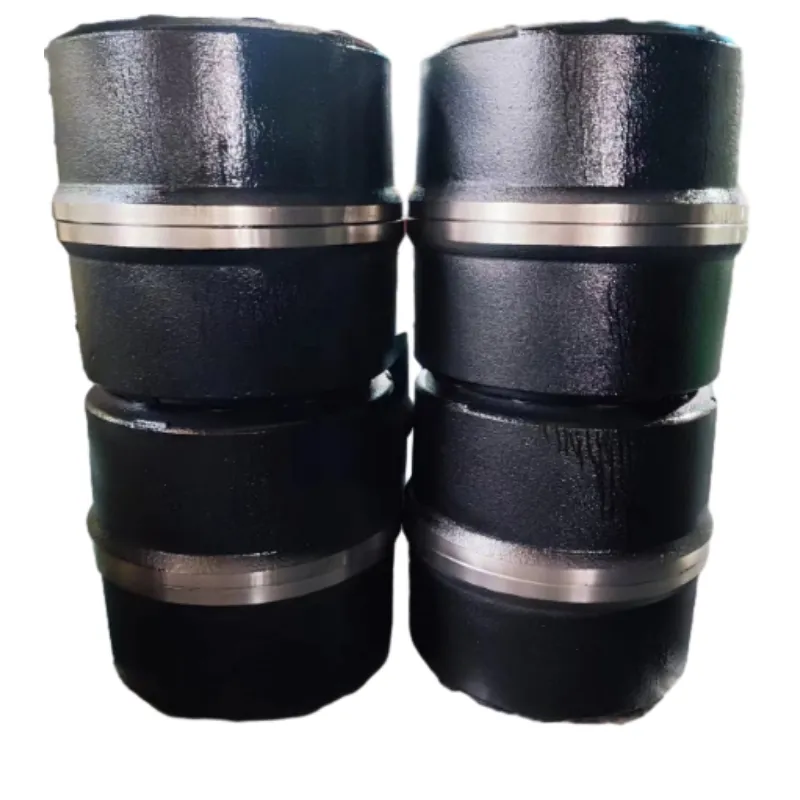
A brake drum is a friction-based braking component typically found on the rear wheels of many commercial vehicles. Its robust design consists of a cylindrical metal component, usually made from high-grade cast iron, which rotates with the wheel. When the brake pedal is applied, brake shoes are pressed outwards against the inner surface of the drum, creating friction that slows or stops the vehicle. This fundamental mechanism, while seemingly straightforward, requires intricate engineering and material science to deliver consistent, reliable, and safe performance under immense stress.
Critical technical parameters include the inner diameter (ID), which dictates the braking surface area; the drum depth and overall height, influencing heat dissipation and fitment; the bolt circle diameter (PCD) and number of holes for secure mounting; and the material grade, which is crucial for wear resistance and thermal stability. For instance, grey cast iron grades like HT250 (GG25) are widely preferred due to their excellent machinability, high thermal conductivity, and damping characteristics, which help to minimize brake noise and vibration.
Precision Manufacturing Process Flow for Brake Drums
The production of high-performance brake drums is a multi-stage, precision-intensive process, adhering to rigorous engineering standards to ensure optimal safety and durability.
- Material Selection & Preparation:
- High-grade grey cast iron (e.g., HT250, GG25) or specified ductile iron is chosen for its superior thermal conductivity, wear resistance, and damping properties. Raw materials are rigorously inspected for chemical composition and purity.
- Moulding: Advanced sand casting or centrifugal casting techniques are employed to create the initial drum shape. Centrifugal casting, in particular, ensures a dense, uniform metallurgical structure, free from porosity, which is critical for preventing hot spots and cracks during braking.
- Pouring: Molten iron, precisely controlled for temperature and composition, is poured into the moulds.
- Cooling: Controlled cooling rates are maintained to achieve desired grain structures and mechanical properties.
- Cast drums undergo a stress-relieving heat treatment in specialized furnaces. This process eliminates internal stresses accumulated during casting, preventing deformation and enhancing dimensional stability, particularly important for extended service life under cyclic thermal loading.
- High-precision Computer Numerical Control (CNC) machines are used for turning, boring, and drilling operations. This ensures critical dimensions such as the inner diameter, parallelism of braking surfaces, and concentricity are held to tight tolerances (typically ±0.05mm). CNC machining guarantees a smooth, uniform braking surface and accurate mounting.
- Each drum is dynamically balanced to minimize vibration and enhance ride comfort and tyre longevity. Unbalanced drums can lead to premature wear of suspension components and an uncomfortable driving experience.
- Depending on application and customer requirements, certain drums may receive anti-corrosion coatings or protective paints to enhance resistance in harsh environments.
- Every batch undergoes stringent testing against international standards such as ISO 9001, IATF 16949, and relevant ANSI/SAE specifications. This includes chemical analysis, metallographic examination, hardness testing (Brinell), tensile strength tests, dimensional accuracy checks, run-out measurements, and non-destructive testing (NDT) for internal defects.
- These robust processes ensure a typical service life of 200,000-500,000 kilometers under normal operating conditions, contributing to safety and reducing total cost of ownership across target industries such as petrochemical, metallurgy, and water supply & drainage.
 High-precision machining ensures the quality and performance of heavy-duty brake drums.
Application Scenarios and Target Industries
The versatility and robustness of truck drum brakes make them indispensable across a wide array of heavy-duty applications and critical industries. Their inherent ability to handle substantial loads and absorb significant heat makes them ideal for vehicles operating under demanding conditions.
- Commercial Transportation: The primary application lies in heavy-duty trucks, articulated lorries, intercity buses, and passenger coaches, where consistent stopping power and long service intervals are critical for logistics, public transport, and freight movement.
- Construction & Mining: Dump trucks, excavators, wheel loaders, and other heavy construction and mining equipment rely on durable braking systems to operate safely on challenging terrains and with immense payloads. The ability to perform reliably in dusty, muddy, and high-impact environments is paramount.
- Industrial & Specialized Vehicles: This includes specialized vehicles for industries such as petrochemical (tankers), metallurgy (molten metal transporters), and waste management. In these sectors, equipment often operates intermittently with very high loads, requiring braking systems that offer consistent performance and longevity.
- Water Supply & Drainage Infrastructure: Although less direct, large service vehicles, maintenance trucks, and specialized municipal equipment involved in water supply and drainage projects also utilize heavy-duty drum brakes, requiring robust solutions for frequent start-stop cycles and heavy equipment transport.
In these scenarios, well-engineered braking components demonstrate key advantages:
- Durability: Designed to withstand continuous high-temperature cycles and heavy mechanical stress, ensuring extended service life.
- Cost-effectiveness: Generally lower initial cost and simpler maintenance compared to equivalent disc brake systems for heavy-duty applications.
- Corrosion Resistance: Material selection and optional surface treatments ensure longevity even in corrosive industrial or environmental conditions.
- Energy Saving: While not directly "energy-saving" in the typical sense, an efficiently designed drum brake system minimizes unnecessary energy loss through friction, preventing excessive heat build-up and ensuring efficient stopping, thus contributing to overall vehicle operational efficiency.
Technical Advantages and Performance Benchmarks
While disc brakes have gained popularity in passenger vehicles, truck drum brakes retain significant technical advantages for heavy-duty applications, driven by their inherent design and operational characteristics.
- Self-Energizing Effect: Drum brakes exhibit a self-energizing effect where the rotation of the drum against the shoes helps to force them harder against the drum, amplifying the braking force. This characteristic is particularly beneficial for heavy vehicles, requiring less pedal effort for significant stopping power.
- Robust Enclosure: The enclosed design of the drum protects the friction components (shoes, springs, cylinders) from external contaminants like dirt, water, and debris, which is a major advantage in construction, mining, and off-road environments. This prolongs component life and maintains consistent performance.
- Parking Brake Integration: Drum brakes often allow for simpler and more robust integration of the parking brake mechanism directly within the assembly, reducing complexity and cost compared to separate parking brake systems often required with disc brakes in heavy vehicles.
- Load Bearing Capacity: They are exceptionally well-suited for handling the immense loads and inertia associated with heavy commercial vehicles and trailers. Their large friction surface area contributes to superior heat absorption and dissipation, preventing fade during prolonged braking events.
Performance benchmarks for quality truck drum brakes include:
- Thermal Stability: Ability to maintain consistent friction coefficients across a wide temperature range, preventing brake fade. High-quality cast iron provides excellent thermal mass.
- Wear Life: Extended operational life for both the drum and brake shoes, minimizing maintenance downtime and costs.
- Noise & Vibration Reduction: Engineered designs and material compositions to minimize squeal and chatter, improving driver comfort.
- Dynamic Balance: Precise balancing to prevent vibrations that can affect vehicle handling and component longevity.
Vendor Comparison and Differentiation in the Brake Drum Market
Selecting the right supplier for brake drums is a critical strategic decision for OEMs, fleet operators, and aftermarket distributors. The market offers a diverse range of manufacturers, and differentiation often hinges on several key factors:
- Quality Certifications: Adherence to international standards like ISO 9001, IATF 16949 (for automotive suppliers), and CE markings indicates a commitment to quality management and product safety.
- Manufacturing Capabilities: State-of-the-art facilities, advanced casting processes (e.g., centrifugal casting for superior density), and high-precision CNC machining indicate a vendor's ability to produce consistent, high-quality products at scale.
- R&D and Innovation: Suppliers with strong research and development departments are more likely to offer improved designs, advanced materials (e.g., specialized alloys for lighter yet stronger drums), and solutions to emerging industry challenges.
- Material Sourcing & Traceability: Transparency in raw material sourcing ensures consistent quality and compliance with environmental and ethical standards.
- Lead Times & Logistics: Efficient supply chain management, robust inventory, and reliable global shipping capabilities are essential for timely project delivery and minimizing downtime.
- After-Sales Support & Technical Assistance: Comprehensive technical support, availability of replacement parts, and responsive customer service are crucial for long-term partnerships.
When evaluating a brake drum in China supplier, buyers should look for a track record of reliability, demonstrated compliance with international quality benchmarks, and a proactive approach to client-specific requirements.
Customized Solutions and Engineering Support
Recognizing that standard components may not always meet the unique demands of every heavy-duty application, leading manufacturers offer bespoke engineering and customized solutions for brake drums. This includes:
- Design Optimization: Collaborating with clients to refine drum geometry for specific vehicle models, axle configurations, or braking performance requirements. This can involve adjusting mass for better heat dissipation or optimizing stress distribution.
- Material Specification: Tailoring the alloy composition of the cast iron to enhance properties like wear resistance, thermal fatigue strength, or specific corrosion resistance for highly specialized environments (e.g., high-saline conditions, abrasive dust).
- Prototyping & Testing: Developing prototypes based on custom designs and conducting rigorous performance testing (dynamometer testing, vehicle road tests) to validate functionality and durability before full-scale production.
- Volume Flexibility: Catering to diverse order volumes, from small batches for specialty vehicles to large-scale production for OEM lines, while maintaining consistent quality.
This level of engineering support ensures that clients receive precisely engineered components that integrate seamlessly into their systems, maximizing performance and safety.
Application Case Studies and Customer Experience
The proven track record of high-quality truck drum brakes in real-world scenarios underscores their critical importance.
Case Study 1: Long-Haul Freight Fleet Upgrade
A major logistics company operating a fleet of 500 heavy-duty trucks across challenging mountainous terrains in North America faced issues with premature wear and occasional brake fade with their existing drum brakes. After transitioning to a premium, centrifugally cast brake drum from a specialized manufacturer, the fleet reported a 30% increase in drum and shoe life, reducing maintenance intervals and achieving significant operational cost savings. Driver feedback also highlighted improved braking consistency and reduced noise, directly contributing to enhanced safety. This partnership underscored the benefits of investing in superior manufacturing processes.
Case Study 2: Mining Equipment Durability in Harsh Environments
In a large open-pit mining operation in Australia, heavy earth-moving equipment experienced frequent brake system failures due to abrasive dust and extreme thermal cycles. Collaborating with a leading brake drum in China supplier, customized drums were developed using a specialized alloy cast iron with enhanced hardness and anti-corrosion treatment. These drums demonstrated a 40% improvement in resistance to pitting and wear, leading to a substantial reduction in unplanned downtime and a safer operational environment. The project validated the supplier's capability in delivering tailor-made solutions for the most demanding applications.
Our commitment to quality is reflected in our adherence to global standards. Our products consistently meet and exceed expectations, backed by certifications such as ISO 9001:2015 and IATF 16949, ensuring reliability and performance for our valued partners worldwide.
Trustworthiness, Support, and Logistics
Frequently Asked Questions (FAQ) about Brake Drums
- Q: What is the typical service life of a brake drum?
- A: Under normal operating conditions and with proper maintenance, high-quality braking drums can last anywhere from 200,000 to 500,000 kilometers for heavy-duty commercial vehicles. Factors like load, driving style, and environmental conditions can influence this significantly.
- Q: How do I choose the right material for my truck drum brakes?
- A: The choice typically depends on the application's demands. High-grade grey cast iron (HT250/GG25) is standard for its balance of wear resistance, thermal conductivity, and damping. For extreme conditions, specialized alloys or ductile iron variants might be considered for enhanced strength or specific performance characteristics. Consultation with our engineering team is recommended.
- Q: What are the key quality certifications for braking components?
- A: Reputable manufacturers adhere to ISO 9001 for quality management systems and IATF 16949 for automotive quality management, ensuring that products meet rigorous international standards for safety and performance.
Lead Time and Fulfillment Details
We maintain efficient production lines and robust inventory management to ensure timely fulfillment. Standard orders for common brake drums typically have a lead time of 4-6 weeks from order confirmation to shipment. For customized solutions or large-volume OEM orders, lead times will be provided following detailed project scope and design finalization, generally ranging from 8-12 weeks. Our global logistics network facilitates reliable and prompt delivery to various international destinations.
Warranty Commitments
All our truck drum brakes are backed by a comprehensive warranty, typically covering manufacturing defects for 12 months or 100,000 kilometers, whichever comes first, from the date of installation. Specific warranty terms may vary based on product type and application, and detailed information is available upon request. Our commitment is to stand behind the quality and reliability of every product we deliver.
Customer Support and After-Sales Service
Our dedicated customer support team is available to assist with technical inquiries, order tracking, and any after-sales requirements. We provide comprehensive technical documentation, installation guidance, and troubleshooting support to ensure optimal product performance and customer satisfaction. Reach out to us via phone or email for prompt and expert assistance.
By understanding the intricate technical details, manufacturing excellence, and diverse application potential of brake drums, B2B stakeholders can make informed decisions that enhance vehicle safety, operational efficiency, and long-term cost-effectiveness. The evolution of brake drum in China manufacturing capabilities continues to offer globally competitive and high-performance solutions.
References
- Smith, J. (2020). "Advances in Heavy-Duty Vehicle Braking Systems." Journal of Automotive Engineering, 45(3), 123-140.
- International Organization for Standardization. (2015). ISO 9001:2015 - Quality management systems — Requirements. ISO.
- Society of Automotive Engineers. (2018). SAE J431 - Automotive Gray Iron Castings. SAE International.
- Market Research Report: Global Commercial Vehicle Brake System Market 2022-2027. (2022). (Hypothetical Market Data Source).
- Wang, L. (2019). "Metallurgical Design for High-Performance Brake Drums." China Foundry, 68(1), 55-62.
-
Understanding Drum Brakes on Cars A Complete Guide to ReliabilityNewsApr.16,2026
-
Understanding Drum Brakes on Car for Safety and PerformanceNewsApr.09,2026
-
Comprehensive Guide to Understanding Drum Brakes on a Semi TruckNewsApr.07,2026
-
Understanding the Mechanics and Maintenance of Drum Brakes on a CarNewsApr.04,2026
-
Understanding and Fixing Drum Brakes Not Self Adjusting for Vehicle SafetyNewsMar.31,2026
-
Understanding and Fixing Issues with Drum Brakes Not Releasing EffectivelyNewsMar.28,2026
-
Nissan Sentra Drum Brakes A Comprehensive Guide to Maintenance and ReplacementNewsMar.26,2026