
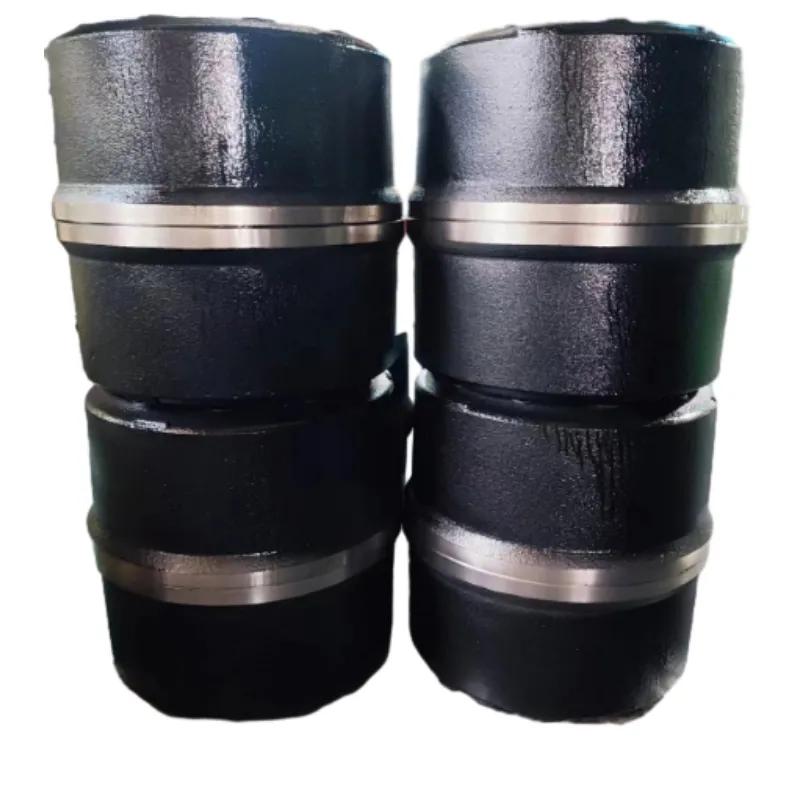
Heavy-Duty Brake Drum Solutions for the United States Market

Providing high-precision casting and machining for North American commercial fleets, ensuring maximum stopping power and safety across diverse terrains.

Request Quote

High-Performance Braking Components

Engineered for durability and heat dissipation to meet the rigorous demands of American transport and industrial infrastructure.

Analyzing the Demand for Industrial Braking in the United States

Balancing logistics efficiency with stringent safety regulations in the North American automotive sector.

The United States maintains one of the world's most intensive logistics networks, where long-haul trucking and heavy machinery operate under extreme conditions. From the humid coastlines to the mountainous regions of the West, the wear and tear on braking systems are significant. This environment necessitates the use of high-grade air brake drum components that can withstand prolonged thermal stress without compromising safety or increasing stopping distances.

Beyond standard road transport, the American industrial landscape relies heavily on specialized lifting equipment. In ports and construction hubs, the reliability of a crane brake drum is critical for operational safety. As fleet managers prioritize lower total cost of ownership, there is an increasing shift toward precision-engineered parts that reduce the frequency of brake drum turning and maintenance intervals, thereby maximizing vehicle uptime.

Furthermore, the integration of advanced safety systems has become a priority for US manufacturers. The widespread adoption of abs drum brakes reflects a broader industry trend toward intelligent braking and stability control. For procurement officers, the focus has shifted from simple cost-per-unit to the long-term reliability and certification of components, ensuring they align with regional safety standards and durability expectations.

Evolution of Brake Casting Technology

From traditional heavy casting to precision CNC-machined braking components.

Industry Evolution

2007-2014

Foundational Growth. Focus on establishing core casting capabilities and diversifying mold designs to support emerging automotive parts requirements in international markets.

2015-2020

Capacity Expansion. Transitioning to a specialized brand identity, investing in CNC vertical lathes and automated paint lines to increase annual output to over 300,000 pieces.

2021-Present

Precision Quality. Implementation of ISO/TS16949:2009 and SAI certifications, utilizing spectrometers and dynamic balancing machines for extreme precision.

Market Transformation

  • Material Optimization

    Increasing demand for alloy compositions that reduce weight while enhancing thermal conductivity to prevent brake fade in heavy-duty applications.

  • Digital Quality Control

    Shift toward automated testing and 3D measurement to ensure 100% compatibility with global vehicle brands from Europe, Japan, and Korea.

  • Supply Chain Resilience

    Strategic sourcing of durable components like gunite brake drums to reduce lead times for replacement parts in the US.

Future Outlook for North American Braking Systems

Adapting to the shift in transport technology and environmental regulations.

Thermal Efficiency
Development of advanced venting structures to handle the high thermal loads of American interstate transport.
Weight Reduction
Optimizing casting thickness to reduce unsprung weight, improving fuel efficiency for commercial fleets.
Smart Integration
Preparing hardware for seamless integration with next-generation electronic braking and sensor systems.
Sustainability
Utilizing cleaner smelting processes and recyclable materials to meet evolving US environmental standards.

From current market trends, the coming years will see a significant convergence between traditional metallurgy and digital monitoring. For US-based transport operators, this means a transition from scheduled maintenance to predictive replacement, where the structural integrity of the brake drum is monitored via telemetry to prevent catastrophic failure.

Moreover, the regional commercial ecosystem in the United States is increasingly demanding a more transparent and agile supply chain. Partners who can provide certified, high-precision components with documented quality testing will likely dominate the market as reliability becomes the primary procurement driver over initial cost.

Commercial Application Scenarios in the United States

Real-world deployment of heavy-duty braking components across diverse American industries.

01
Interstate Logistics Hubs

In regional logistics centers, long-haul trucks require durable brake drums to ensure safe deceleration of heavy loads across varying highway grades and weather conditions.

02
Maritime Port Terminals

Heavy-duty cranes at port terminals utilize high-torque braking systems to securely manage container movement, requiring maximum wear resistance in salty air.

03
Urban Municipal Fleets

City waste management and emergency vehicles perform thousands of stop-and-go cycles daily, making high-heat dissipation drums essential for operational safety.

04
Mining and Quarry Sites

Off-road haulage in industrial mining zones requires oversized, reinforced brake drums capable of stopping massive payloads on steep, unpaved inclines.

05
Agricultural Machinery Manufacturing

Large-scale farming equipment used in the Midwest requires robust braking components that are resistant to soil corrosion and heavy mechanical stress.

Hebei Ningchai Machinery Co., Ltd.

A journey of precision engineering and commitment to quality since 2007.

2007
Company Establishment

Founded as Ningjin Lingyun Casting Mold Co., Ltd., establishing the core foundation of casting and mold production.

2014
Quality Certification

Received SAI certification, marking a significant milestone in the commitment to international quality standards.

2015
Strategic Rebranding

Renamed to Hebei Ningchai Machinery Co., Ltd. to reflect expanded operations and a focused strategy on automotive parts.

Present
Global Supply Capability

Operating with advanced CNC centers and ISO/TS16949:2009 systems, offering nearly 400 models for global automotive brands.

Precision Automotive Castings for US Fleets

Our comprehensive range of brake drums and discs engineered for maximum reliability and fitment.

Industry Technical FAQ

Expert answers regarding brake drum procurement and maintenance for the US market.

How do I determine if my commercial vehicle requires brake drum turning or a full replacement?

If the drum surface has minor scoring or heat spots but maintains sufficient wall thickness, turning can restore the surface. However, if the drum is cracked, warped beyond limits, or under the minimum safety thickness, a full replacement is mandatory to ensure safe braking distances in heavy-duty US transport.

What are the key advantages of using ABS drum brakes for long-haul trucking?

ABS drum brakes prevent wheel lock-up during emergency braking, allowing the driver to maintain steering control. In the United States, where highway speeds are high and weather varies, this significantly reduces the risk of jackknifing and improves overall fleet safety.

Can crane brake drums be customized for specific industrial lifting capacities?

Yes, industrial braking components are often tailored to specific torque and load requirements. Our manufacturing process utilizes high-grade casting and precision machining to ensure that drums meet the exact specifications needed for heavy-lift operations in ports and construction sites.

What quality certifications should I look for when sourcing air brake drums from overseas?

Procurement officers should verify ISO/TS16949:2009 certification, which is the global standard for automotive quality management. Additionally, certifications like SAI ensure that the manufacturer adheres to stringent production and testing protocols, critical for safety-critical components.

How does a dynamic balancing machine improve the performance of a brake drum?

A fully automatic dynamic balancing machine removes minute material imbalances from the drum. This eliminates vibrations and "shudder" during braking, which reduces wear on the suspension and improves the driver's control and comfort, especially at high highway speeds.

What is the typical lifespan of gunite brake drums compared to standard cast iron?

While lifespan varies by application, specialized coatings and materials used in high-performance drums often provide better resistance to thermal cracking and wear. This leads to longer intervals between maintenance cycles and a lower overall cost per mile for the operator.

Optimize Your Fleet Braking Today

Contact our engineering team for high-precision braking solutions tailored to the unique demands of the United States transport and industrial sectors.

Get Expert Advice

If you are interested in our products, you can choose to leave your information here, and we will be in touch with you shortly.