

Looking for heavy-duty brake drums for truck drum brakes?
Brake Drums: What’s Changing, What Matters, and How to Buy Smart
If you run fleets or wrench on your own pickup, you already know: brake drums still carry a lot of stopping power in the real world. In fact, they’re having a quiet comeback on EV rear axles and heavy-duty platforms. I’ve toured foundries that smell like sand and hot iron, and—honestly—it’s still a craft. The good ones obsess over metallurgy, balance, and repeatability. The not-so-good ones? You’ll feel it as pedal pulsation months later.
Industry trends (quick take)
- EVs: Rear brake drums pair nicely with regen—less corrosion, enclosed friction surfaces, lower drag.
- Materials: Shift toward SAE J431 G3000/G3500 gray iron, with tighter controls on graphite flake size to cut NVH.
- Process: More CNC finish turning, dynamic balancing to ISO 1940-1, and routine stress-relief heat treatment.
- Compliance: Fleets ask for ECE R13 and FMVSS references even on aftermarket parts—paperwork matters now.
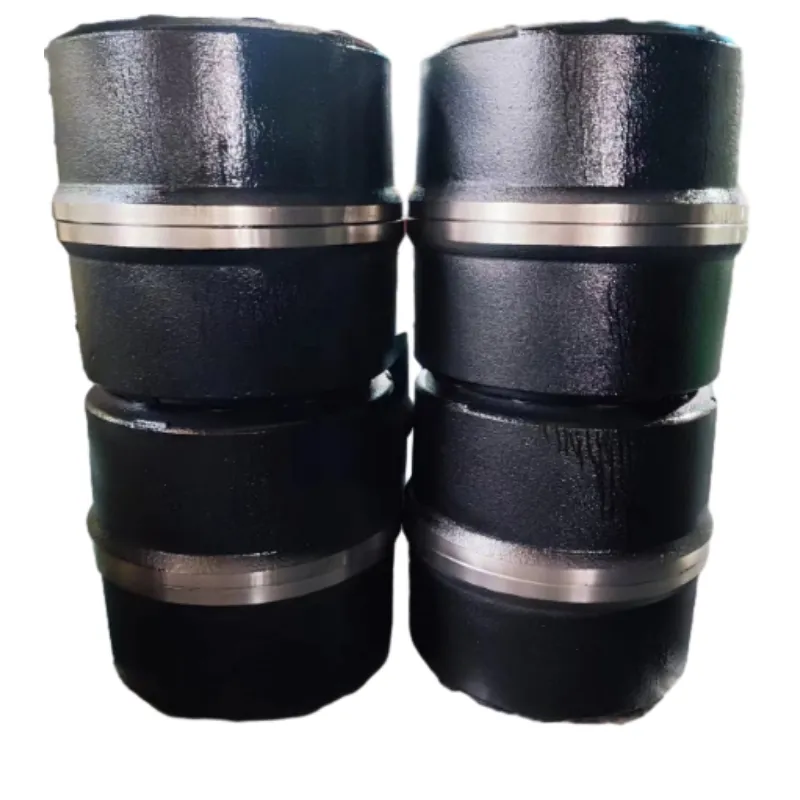
Product snapshot: Brake Drum from Ningjin, Hebei
Originating from Haozhuang, Tangqiu Town, Ningjin County, Xingtai, Hebei Province (a region that lives and breathes cast iron), this drum uses a “delicate” gray cast iron recipe. It looks simple—a hand drum shape—but the surface hardness and roundness tolerances decide whether your pedal stays calm on a mountain descent.
| Spec | Typical Value (≈, real-world use may vary) |
|---|---|
| Material standard | SAE J431 G3000 / ASTM A48 Class 35B |
| Hardness (HB) | 190–240 HB |
| Max radial runout | ≤ 0.10 mm |
| Dynamic balance | ISO 1940-1 Grade G16 (or better) |
| Friction surface roughness | Ra 1.6–3.2 μm |
| Thermal fade (dyno) | Stable to ≈ 400°C with controlled growth |
| Service life | Up to 200–300k km in fleet use, with proper lining and maintenance |
How it’s made (short process flow)
Materials: high-carbon gray iron with pearlitic matrix. Methods: green-sand casting, slow cooling to limit residual stress, followed by stress-relief heat treatment. CNC machining for journals and braking surfaces; chamfers to prevent shoe edge bite; then dynamic balancing and phosphate/paint anti-rust coating. Testing: hardness mapping (Brinell), microstructure checks, runout measurement, balance per ISO 1940-1, and sample dynamometer sequences referencing FMVSS 105/121 and ECE R13 protocols. Honestly, it’s the balance and roundness that separate great brake drums from “just okay” ones.
Where they shine
- Light trucks, buses, and trailers needing robust parking brake hold and dust resistance.
- EV rear axles, where brake drums complement regenerative braking and cut corrosion.
- Off‑highway/agri equipment in muddy, sandy environments.
Vendor comparison (what buyers actually ask us)
| Vendor | Material | Lead Time | Certs | Customization | Price Band |
|---|---|---|---|---|---|
| Ningchai (Hebei) | SAE J431 G3000 | ≈ 20–30 days | ISO 9001; ECE R13 references | Logo, bolt circle, diameter ranges | Value |
| Regional Foundry A | ASTM A48 Class 30 | 30–45 days | ISO 9001 | Limited | Budget |
| Global Tier‑1 B | G3500 / proprietary | 45–60 days | IATF 16949; ECE R13 | Extensive | Premium |
Customization and QA
Options include diameter/width, bolt pattern, pilot, coating, and private labeling. Typical QA gates: incoming pig iron/returns chemistry check, pour temp control, hardness grid on the friction band, runout at 3 planes, and 100% visual inspection. Some buyers also request sample dyno data—e.g., fade curve and recovery. We’ve seen ≈ 12–18% better crack resistance after stress relief, which many customers say shows up as smoother pedal feel after the first 10k km.
Two quick case snapshots
- Bus fleet (Southeast Asia): switched to higher HB drums; drum growth stabilized, shoe wear evened out; downtime down ≈ 22% over 9 months.
- Compact EV program: rear brake drums plus regen reduced corrosion complaints in coastal markets; parking hold improved on 14% grades.
Note: Specs above represent typical ranges for production-grade drums; confirm final drawings and standards for your platform.
References
-
Understanding Drum Brakes on Cars A Complete Guide to ReliabilityNewsApr.16,2026
-
Understanding Drum Brakes on Car for Safety and PerformanceNewsApr.09,2026
-
Comprehensive Guide to Understanding Drum Brakes on a Semi TruckNewsApr.07,2026
-
Understanding the Mechanics and Maintenance of Drum Brakes on a CarNewsApr.04,2026
-
Understanding and Fixing Drum Brakes Not Self Adjusting for Vehicle SafetyNewsMar.31,2026
-
Understanding and Fixing Issues with Drum Brakes Not Releasing EffectivelyNewsMar.28,2026
-
Nissan Sentra Drum Brakes A Comprehensive Guide to Maintenance and ReplacementNewsMar.26,2026