

Premium Brake Drums | Durable & Reliable Performance
The Critical Role of Brake Drums in Heavy-Duty Applications and Industry Trends
In the demanding world of commercial transportation and industrial machinery, the reliability and performance of braking systems are paramount. At the heart of many heavy-duty applications lie brake drums, components engineered to withstand immense thermal and mechanical stresses. The global market for these critical parts is experiencing continuous evolution, driven by stricter safety regulations, environmental concerns, and the relentless pursuit of operational efficiency.
Current industry trends indicate a significant push towards materials science innovation, aiming to enhance heat dissipation, reduce weight, and extend service life. Simultaneously, the integration of advanced manufacturing techniques is yielding products with tighter tolerances and superior metallurgical integrity. The demand for robust truck drum brakes, in particular, continues to escalate with the expansion of logistics networks and infrastructure projects worldwide. Geographically, regions like Asia, with its burgeoning automotive and manufacturing sectors, are emerging as pivotal centers. Specifically, the production of high-quality brake drum in China has garnered considerable attention, with manufacturers leveraging advanced technologies to meet international standards and supply global markets.
These developments underscore the importance of selecting not just any braking component, but meticulously engineered brake drums that align with the rigorous performance requirements of modern heavy-duty vehicles and industrial equipment. This article delves into the intricacies of brake drum manufacturing, technical specifications, application advantages, and considerations for B2B decision-makers seeking optimal braking solutions.
Precision Manufacturing Process of Brake Drums
The manufacturing of high-performance brake drums is a multi-stage process, demanding stringent quality control and advanced engineering. The journey begins with the selection of high-grade raw materials, typically specialized cast irons, due to their excellent thermal conductivity, wear resistance, and damping characteristics. Gray cast iron, particularly G3000 or G3500 grades (according to ASTM A159), is commonly preferred for its optimal balance of strength and machinability, ensuring consistent braking performance and extended service life.
Key Manufacturing Stages:
- Material Selection & Melting: High-quality pig iron, steel scrap, and alloying elements (e.g., carbon, silicon, manganese, chromium, molybdenum) are precisely melted in induction furnaces to achieve the desired metallurgical composition. This ensures the material's structural integrity and resistance to thermal fatigue.
- Casting: Molten metal is poured into meticulously designed sand molds. Advanced casting techniques, such as centrifugal casting, are often employed to achieve a dense, uniform grain structure, free from porosity and internal defects, which is crucial for optimal heat dissipation and crack resistance.
- Cooling & Shakeout: After solidification, the castings are allowed to cool gradually. The sand molds are then broken apart (shakeout) to retrieve the raw brake drum castings.
- Heat Treatment (Stress Relieving): Castings undergo controlled heat treatment, such as annealing or stress relieving, to eliminate internal stresses induced during casting. This process significantly improves dimensional stability and reduces the risk of warpage and cracking under operational thermal cycles.
- CNC Machining: Precision CNC (Computer Numerical Control) machining is critical for achieving tight tolerances on critical dimensions such as bore diameter, braking surface concentricity, runout, and surface finish. This ensures optimal contact with brake linings, minimizing noise and vibration, and maximizing braking efficiency. Tolerances often adhere to standards like ISO 2768-mK or ANSI B4.1.
- Dynamic Balancing: To prevent vibration and uneven wear, finished drums are dynamically balanced to strict specifications, often in accordance with ISO 1940-1 standards, ensuring smooth rotation and prolonged component life.
- Surface Treatment & Coating: Some brake drums receive anti-corrosion coatings (e.g., e-coating, phosphating) to enhance durability, especially for applications in harsh environments common in the petrochemical, metallurgy, and water supply & drainage industries. This significantly extends the service life and maintains aesthetic integrity.
- Quality Inspection & Testing: Throughout the entire process, rigorous quality checks are performed, including material spectral analysis, hardness testing (Brinell hardness), tensile strength testing, ultrasonic flaw detection, dimensional inspection, and metallurgical microstructure analysis. Final products must conform to international standards such as ISO/TS 16949 for automotive quality management and specific OEM specifications. The expected service life of a well-manufactured brake drum, under normal operating conditions and maintenance, typically ranges from 150,000 to 300,000 kilometers for heavy-duty trucks.
These meticulous steps ensure that each brake drum delivered offers superior performance, enhanced safety, and exceptional longevity, translating into advantages like energy saving through optimized braking efficiency and superior corrosion resistance in challenging operational environments.
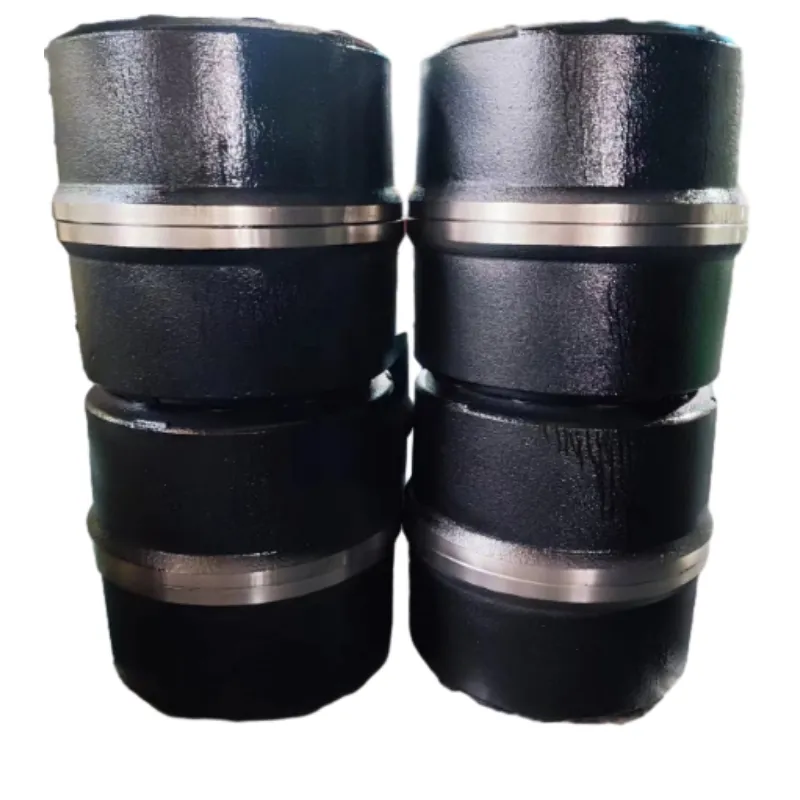
Technical Specifications and Performance Parameters
Understanding the technical specifications of brake drums is crucial for ensuring compatibility, performance, and safety in heavy-duty applications. These components are designed with precise structural parameters and material compositions to manage the immense kinetic energy converted into heat during braking.
Key Structural and Material Parameters:
- Material Composition: Typically high-grade gray cast iron (e.g., G3000, G3500) with specific percentages of Carbon (3.0-3.5%), Silicon (1.9-2.3%), Manganese (0.6-0.9%), Phosphorus (<0.15%), Sulfur (<0.15%), and trace elements like Chromium and Molybdenum for enhanced strength and heat resistance.
- Hardness: Brinell Hardness (HB) ranging from 180 to 240, ensuring optimal wear resistance against brake linings while preventing excessive drum wear.
- Tensile Strength: Minimum 200-250 MPa, critical for resisting the mechanical stresses imposed during braking cycles.
- Thermal Conductivity: High thermal conductivity is essential for efficient heat dissipation, preventing brake fade. Gray cast iron typically exhibits thermal conductivity around 50 W/(m·K).
- Dimensions: Critical dimensions include the drum diameter, brake surface width, hub bore diameter, bolt circle diameter, and overall depth. Adherence to OEM specifications (e.g., SAE J431) is vital for proper fit and function.
- Weight: Optimized weight for reduced unsprung mass, contributing to better vehicle handling and fuel efficiency, without compromising strength.
- Runout and Balance: Maximum permissible radial and lateral runout (typically <0.05 mm) and dynamic balance (ISO 1940-1 Grade G16 or G25) to prevent vibration and uneven wear.
Product Specification Table: Heavy-Duty Brake Drum (Typical)
| Parameter | Specification | Standard/Method |
|---|---|---|
| Material Grade | Gray Cast Iron G3000 / HT250 | ASTM A159 / GB/T 9439 |
| Brinell Hardness (HB) | 187-241 | ASTM E10 |
| Tensile Strength (MPa) | ≥200 | ASTM A48 |
| Radial Runout (mm) | ≤0.05 | SAE J431 |
| Lateral Runout (mm) | ≤0.08 | SAE J431 |
| Dynamic Balance Grade | G16 (Typical for Commercial Vehicles) | ISO 1940-1 |
| Braking Surface Finish (Ra) | 1.6 – 3.2 µm | ISO 4287 |
| Maximum Drum Diameter Variation (mm) | 0.5 (Wear Limit) | OEM Spec |
These parameters are not merely numbers; they represent the engineering integrity and reliability of the brake drum, directly impacting vehicle safety, maintenance costs, and operational efficiency. Compliance with these specifications ensures that components can withstand severe operating conditions, delivering consistent and predictable braking performance.
Application Scenarios and Technical Advantages
The versatility and robust design of brake drums make them indispensable across a multitude of heavy-duty and industrial applications. Their proven track record and ongoing technological advancements position them as a reliable choice for discerning B2B clients.
Primary Application Scenarios:
- Heavy-Duty Commercial Vehicles: The most prominent application for truck drum brakes, including tractor-trailers, refuse trucks, buses, and vocational vehicles. These environments demand consistent stopping power and durability under varying load conditions and frequent braking cycles.
- Construction & Mining Equipment: Dump trucks, excavators, loaders, and other heavy machinery operate in extremely harsh conditions. Brake drums provide the ruggedness and resistance to contamination (dust, mud) required for reliable operation in these sectors.
- Industrial Machinery: Cranes, forklifts, port machinery, and agricultural equipment often utilize drum brakes for their simplicity, reliability, and ease of maintenance in static and low-speed dynamic braking scenarios.
- Specialized Vehicles & Trailers: Custom-built vehicles for sectors like petrochemicals (tankers), metallurgy (slag carriers), and water supply & drainage (vacuum trucks) rely on the dependable performance of brake drums tailored to specific operational loads and environmental exposures.
Technical Advantages:
- Durability and Robustness: Cast iron construction provides inherent strength and resistance to mechanical impact, making them highly durable in demanding environments.
- Superior Heat Dissipation: The large mass and surface area of high-quality brake drums, combined with optimized cooling fin designs, facilitate efficient heat transfer, reducing the risk of brake fade during prolonged or heavy braking.
- Cost-Effectiveness: Generally, drum brake systems have lower manufacturing costs and simpler maintenance requirements compared to disc brake systems, leading to lower total cost of ownership over the vehicle's lifespan.
- Self-Energizing Effect: Drum brakes inherently provide a "self-energizing" action where the rotation of the drum forces the shoes against the drum with greater force, enhancing braking power with less pedal effort.
- Contamination Resistance: The enclosed design offers better protection against ingress of dirt, dust, and moisture, which is a significant advantage in off-road, construction, and mining applications, ensuring consistent performance and extending component life.
- Corrosion Resistance: With specialized coatings and material treatments, modern brake drums exhibit excellent corrosion resistance, crucial for vehicles operating in coastal areas or exposed to road salts and industrial chemicals. This directly translates to reduced downtime and lower maintenance frequency.
- Energy Saving: Optimized material properties and manufacturing precision minimize energy losses due to friction, ensuring that braking force is efficiently converted without excessive heat build-up or premature wear, indirectly contributing to fuel efficiency by reducing drag.
These intrinsic advantages make properly specified brake drums a compelling solution for businesses prioritizing safety, reliability, and cost-efficiency in their operations.
Vendor Comparison and Customized Solutions
When procuring brake drums for B2B applications, selecting the right vendor is as crucial as the product itself. The market offers a range of suppliers, each with varying capabilities in terms of quality, customization, and support. A comprehensive evaluation ensures long-term operational efficiency and safety.
Key Factors for Vendor Comparison:
- Certifications and Quality Management: Look for vendors with ISO 9001, IATF 16949 (for automotive), and other industry-specific certifications, demonstrating a commitment to global quality standards.
- Material Science Expertise: A vendor's ability to specify and source high-grade cast iron (e.g., G3500) and conduct rigorous material testing (spectrographic analysis, metallography) is a key differentiator.
- Manufacturing Precision: Assess the use of advanced CNC machining, automated inspection systems, and dynamic balancing capabilities to ensure consistent product quality and tight tolerances.
- R&D and Innovation: Vendors investing in research for lighter, more heat-resistant materials or improved cooling designs can offer a competitive edge.
- Customization Capabilities: The flexibility to produce brake drums with specific dimensions, metallurgy, or surface treatments is vital for unique application requirements.
- Supply Chain Reliability: Evaluate lead times, logistics, and inventory management to ensure consistent supply and minimize operational disruptions.
- Technical Support and After-Sales Service: Responsive customer support, technical assistance, and clear warranty policies are crucial for long-term partnerships.
Product Comparison Table: Standard vs. High-Performance Brake Drums
| Feature | Standard Brake Drum | High-Performance Brake Drum |
|---|---|---|
| Material Grade | ASTM G3000 (HT250) | ASTM G3500 (HT300) with alloy enhancements |
| Heat Resistance | Good for typical duty cycles | Excellent, reduced fade under extreme loads |
| Wear Life | Standard (150,000-200,000 km for heavy trucks) | Extended (250,000-300,000+ km for heavy trucks) |
| Manufacturing Tolerances | Conforming to general industry standards | Tighter (e.g., ≤0.03 mm runout) for superior balance |
| Surface Treatment | Basic rust preventative oil | E-coating or specialized anti-corrosion paint |
| Applications | General-purpose trucking, light industrial | Heavy-haul, mining, public transport, demanding industrial |
Customized Solutions:
For niche applications or specific performance requirements, the ability to provide customized brake drums is invaluable. This includes:
- Tailored Material Alloys: Adjusting carbon, silicon, chromium, or molybdenum content to optimize hardness, thermal stability, or wear characteristics for extreme temperatures or corrosive environments.
- Specific Dimensional Modifications: Producing drums with non-standard diameters, widths, or mounting configurations to integrate with specialized chassis or braking systems.
- Advanced Surface Treatments: Applying specialized coatings for enhanced friction characteristics, increased corrosion resistance, or aesthetic requirements.
- Optimized Cooling Fin Design: Customizing fin geometry for maximum airflow and heat dissipation in applications with high thermal loads.
A vendor capable of engineering support, prototyping, and rigorous testing for customized solutions provides a significant advantage, ensuring that the brake drums are perfectly matched to the unique operational demands of the client.
Application Case Studies and Testimonials
Real-world application demonstrates the tangible benefits of high-quality brake drums. Our commitment to engineering excellence is reflected in successful implementations across diverse industrial sectors.
Case Study 1: Heavy-Haul Fleet in Mining Operations
Client Profile: A major open-pit mining company operating a fleet of 50+ heavy-haul trucks in a challenging, abrasive environment with steep gradients and extreme temperatures.
Challenge: Frequent replacement of standard brake drums due to premature wear, thermal cracking, and brake fade, leading to excessive downtime and high maintenance costs. Average drum life was only 80,000 km.
Solution: We provided custom-engineered brake drums manufactured from a high-chromium alloyed gray cast iron (G3500+Cr), featuring enhanced cooling fins and an anti-corrosion E-coating. These drums were designed for superior heat resistance and wear characteristics specific to mining loads.
Results:
- Increased average brake drum life by over 120% (from 80,000 km to 180,000+ km).
- Reduced unscheduled maintenance related to braking systems by 35%.
- Significantly improved driver confidence and safety due to consistent braking performance on steep descents.
- Achieved an estimated annual savings of $250,000 in parts and labor across the fleet.
Client Feedback: "The customized brake drums have transformed our fleet's operational reliability. The extended service life and improved safety margins are critical in our demanding environment." - Fleet Manager, Leading Mining Corporation.
Case Study 2: Municipal Refuse Collection Fleet
Client Profile: A large municipal waste management department operating 100+ refuse collection vehicles in urban and suburban areas, characterized by frequent stop-and-go braking.
Challenge: Rapid wear of brake drums and linings due to high thermal cycling and aggressive braking, leading to frequent brake maintenance intervals and increased noise complaints from residents.
Solution: We supplied standard-fit, high-grade truck drum brakes made from optimized G3000 cast iron, known for its excellent thermal fatigue resistance and consistent friction characteristics. Strict manufacturing tolerances minimized runout, reducing vibration and noise.
Results:
- Extended average brake drum life by 40% (from 100,000 km to 140,000 km).
- Reduced brake lining wear by 25%, translating to fewer replacements.
- Significantly reduced brake noise and squeal, improving public perception.
- Achieved an estimated 15% reduction in overall brake system maintenance costs.
Client Feedback: "The quality of these brake drums has truly improved our fleet's efficiency and reduced maintenance headaches. The consistency in performance is exactly what we needed." - Operations Director, Municipal Services.
Quality Assurance, Certifications, and Partnerships
Our unwavering commitment to quality is the cornerstone of our manufacturing philosophy. We adhere to the most stringent international standards and employ a comprehensive quality management system to ensure that every brake drum produced meets or exceeds customer expectations and industry requirements.
Certifications and Compliance:
- ISO 9001:2015: Certified for Quality Management Systems, ensuring consistent product quality and customer satisfaction through standardized processes.
- IATF 16949: Compliance with this automotive-specific quality management system standard reflects our capability to supply high-quality components to leading automotive OEMs.
- ASTM & SAE Standards: All materials and finished products rigorously tested against relevant ASTM (American Society for Testing and Materials) and SAE (Society of Automotive Engineers) specifications for material composition, mechanical properties, and dimensional tolerances.
- Environmental Management: Adherence to ISO 14001 principles for sustainable and environmentally responsible manufacturing practices.
Quality Control Processes:
- Incoming Material Inspection: Every batch of raw material undergoes spectral analysis, hardness testing, and metallurgical examination to confirm adherence to specifications.
- In-Process Quality Checks: Continuous monitoring at each manufacturing stage, including casting integrity (ultrasonic testing), heat treatment verification, and precision dimensional checks post-machining.
- Final Product Inspection: Comprehensive examination of finished brake drums, including dimensional accuracy, surface finish, concentricity, runout, and dynamic balancing.
- Batch Traceability: Full traceability from raw material to finished product, enabling rapid identification and resolution of any potential quality issues.
Our strong relationships with leading OEMs and fleet operators globally are a testament to our consistent quality and reliability. We pride ourselves on building enduring partnerships based on trust, performance, and mutual success.
Trustworthiness: FAQ, Lead Time, Warranty & Support
Frequently Asked Questions (FAQ):
- Q: What is the typical lead time for an order of custom brake drums?
- A: Standard brake drum orders typically have a lead time of 3-5 weeks, depending on quantity and current production schedule. For custom-engineered solutions, the lead time may range from 6-10 weeks, including design, prototyping, and testing phases. We maintain safety stock for high-demand models to expedite critical orders.
- Q: What warranty do you offer on your brake drums?
- A: We provide a comprehensive 12-month or 100,000-kilometer (whichever comes first) warranty against manufacturing defects in material and workmanship from the date of installation. This warranty covers replacement or repair of the defective product under normal operating conditions and proper installation procedures. Please refer to our full warranty policy for detailed terms and conditions.
- Q: Can you accommodate specific material requirements for harsh environments?
- A: Absolutely. Our engineering team specializes in material science and can develop custom alloyed cast iron compositions to meet specific requirements for extreme temperatures, abrasive conditions, or corrosive environments common in petrochemical, mining, or marine applications. We work closely with clients to define and validate these specialized solutions.
- Q: What kind of customer support do you offer after purchase?
- A: Our dedicated after-sales support team is available to assist with any technical queries, installation guidance, or troubleshooting. We offer multilingual support and are committed to ensuring optimal performance of our products throughout their service life. Spare parts and technical documentation are readily available to support our clients globally.
Lead Time & Fulfillment Details:
Our production facility operates with advanced planning and logistics systems to ensure efficient order fulfillment. Standard orders are typically processed within 48 hours, followed by a manufacturing and shipping period as detailed in the quotation. For large-volume or recurring orders, we can implement Kanban or JIT (Just-in-Time) delivery systems to synchronize with your operational schedules. Global shipping is managed through established partnerships with leading logistics providers, ensuring timely and secure delivery to your specified destination.
Warranty Commitments:
Our warranty policy is a testament to our confidence in the quality and durability of our brake drums. It covers defects under normal use and service, protecting your investment and minimizing operational risks. Detailed terms and conditions are provided with every quotation, outlining coverage, claim procedures, and exclusions, ensuring full transparency.
Customer Support:
We believe in building long-term relationships through exceptional support. Our technical support team comprises experienced engineers who can provide expert advice on product selection, installation, and performance optimization. We also offer training programs for maintenance staff and access to a comprehensive online resource library for product documentation and technical guides. Your operational success is our priority.
Conclusion
The selection of high-quality brake drums is a critical decision for any B2B operation reliant on heavy-duty vehicles and industrial machinery. Beyond mere compliance, the right braking components offer enhanced safety, extended service life, reduced maintenance costs, and improved overall operational efficiency. Our expertise in material science, precision manufacturing, and commitment to stringent quality standards ensures that our brake drums are engineered to meet the most demanding performance criteria. By choosing our solutions, businesses gain a strategic partner dedicated to delivering superior braking performance and long-term value, directly contributing to their profitability and safety objectives in a competitive global landscape.
References
- ASTM International. "ASTM A159/A159M-14 Standard Specification for Automotive Gray Iron Castings." ASTM Standards.
- SAE International. "SAE J431: Automotive Gray Iron Castings." SAE Standards.
- International Organization for Standardization. "ISO 9001:2015 Quality management systems – Requirements." ISO Standards.
- International Organization for Standardization. "ISO 1940-1: Mechanical vibration - Balance quality requirements for rotors in a constant (rigid) state - Part 1: Specification and verification of balance tolerances." ISO Standards.
- International Automotive Task Force. "IATF 16949: Quality management system requirements for automotive production and relevant service parts organizations." IATF Standards.
- Bosch, Robert. "Automotive Handbook." 9th ed., Wiley, 2014.
- Limpert, Rudolf. "Brake Design and Safety." 3rd ed., SAE International, 2017.
-
Understanding Drum Brakes on Cars A Complete Guide to ReliabilityNewsApr.16,2026
-
Understanding Drum Brakes on Car for Safety and PerformanceNewsApr.09,2026
-
Comprehensive Guide to Understanding Drum Brakes on a Semi TruckNewsApr.07,2026
-
Understanding the Mechanics and Maintenance of Drum Brakes on a CarNewsApr.04,2026
-
Understanding and Fixing Drum Brakes Not Self Adjusting for Vehicle SafetyNewsMar.31,2026
-
Understanding and Fixing Issues with Drum Brakes Not Releasing EffectivelyNewsMar.28,2026
-
Nissan Sentra Drum Brakes A Comprehensive Guide to Maintenance and ReplacementNewsMar.26,2026
Premium Brake Drums | Durable & Reliable Performance
The Critical Role of Brake Drums in Heavy-Duty Applications and Industry Trends
In the demanding world of commercial transportation and industrial machinery, the reliability and performance of braking systems are paramount. At the heart of many heavy-duty applications lie brake drums, components engineered to withstand immense thermal and mechanical stresses. The global market for these critical parts is experiencing continuous evolution, driven by stricter safety regulations, environmental concerns, and the relentless pursuit of operational efficiency.
Current industry trends indicate a significant push towards materials science innovation, aiming to enhance heat dissipation, reduce weight, and extend service life. Simultaneously, the integration of advanced manufacturing techniques is yielding products with tighter tolerances and superior metallurgical integrity. The demand for robust truck drum brakes, in particular, continues to escalate with the expansion of logistics networks and infrastructure projects worldwide. Geographically, regions like Asia, with its burgeoning automotive and manufacturing sectors, are emerging as pivotal centers. Specifically, the production of high-quality brake drum in China has garnered considerable attention, with manufacturers leveraging advanced technologies to meet international standards and supply global markets.
These developments underscore the importance of selecting not just any braking component, but meticulously engineered brake drums that align with the rigorous performance requirements of modern heavy-duty vehicles and industrial equipment. This article delves into the intricacies of brake drum manufacturing, technical specifications, application advantages, and considerations for B2B decision-makers seeking optimal braking solutions.
Precision Manufacturing Process of Brake Drums
The manufacturing of high-performance brake drums is a multi-stage process, demanding stringent quality control and advanced engineering. The journey begins with the selection of high-grade raw materials, typically specialized cast irons, due to their excellent thermal conductivity, wear resistance, and damping characteristics. Gray cast iron, particularly G3000 or G3500 grades (according to ASTM A159), is commonly preferred for its optimal balance of strength and machinability, ensuring consistent braking performance and extended service life.
Key Manufacturing Stages:
- Material Selection & Melting: High-quality pig iron, steel scrap, and alloying elements (e.g., carbon, silicon, manganese, chromium, molybdenum) are precisely melted in induction furnaces to achieve the desired metallurgical composition. This ensures the material's structural integrity and resistance to thermal fatigue.
- Casting: Molten metal is poured into meticulously designed sand molds. Advanced casting techniques, such as centrifugal casting, are often employed to achieve a dense, uniform grain structure, free from porosity and internal defects, which is crucial for optimal heat dissipation and crack resistance.
- Cooling & Shakeout: After solidification, the castings are allowed to cool gradually. The sand molds are then broken apart (shakeout) to retrieve the raw brake drum castings.
- Heat Treatment (Stress Relieving): Castings undergo controlled heat treatment, such as annealing or stress relieving, to eliminate internal stresses induced during casting. This process significantly improves dimensional stability and reduces the risk of warpage and cracking under operational thermal cycles.
- CNC Machining: Precision CNC (Computer Numerical Control) machining is critical for achieving tight tolerances on critical dimensions such as bore diameter, braking surface concentricity, runout, and surface finish. This ensures optimal contact with brake linings, minimizing noise and vibration, and maximizing braking efficiency. Tolerances often adhere to standards like ISO 2768-mK or ANSI B4.1.
- Dynamic Balancing: To prevent vibration and uneven wear, finished drums are dynamically balanced to strict specifications, often in accordance with ISO 1940-1 standards, ensuring smooth rotation and prolonged component life.
- Surface Treatment & Coating: Some brake drums receive anti-corrosion coatings (e.g., e-coating, phosphating) to enhance durability, especially for applications in harsh environments common in the petrochemical, metallurgy, and water supply & drainage industries. This significantly extends the service life and maintains aesthetic integrity.
- Quality Inspection & Testing: Throughout the entire process, rigorous quality checks are performed, including material spectral analysis, hardness testing (Brinell hardness), tensile strength testing, ultrasonic flaw detection, dimensional inspection, and metallurgical microstructure analysis. Final products must conform to international standards such as ISO/TS 16949 for automotive quality management and specific OEM specifications. The expected service life of a well-manufactured brake drum, under normal operating conditions and maintenance, typically ranges from 150,000 to 300,000 kilometers for heavy-duty trucks.
These meticulous steps ensure that each brake drum delivered offers superior performance, enhanced safety, and exceptional longevity, translating into advantages like energy saving through optimized braking efficiency and superior corrosion resistance in challenging operational environments.
Technical Specifications and Performance Parameters
Understanding the technical specifications of brake drums is crucial for ensuring compatibility, performance, and safety in heavy-duty applications. These components are designed with precise structural parameters and material compositions to manage the immense kinetic energy converted into heat during braking.
Key Structural and Material Parameters:
- Material Composition: Typically high-grade gray cast iron (e.g., G3000, G3500) with specific percentages of Carbon (3.0-3.5%), Silicon (1.9-2.3%), Manganese (0.6-0.9%), Phosphorus (<0.15%), Sulfur (<0.15%), and trace elements like Chromium and Molybdenum for enhanced strength and heat resistance.
- Hardness: Brinell Hardness (HB) ranging from 180 to 240, ensuring optimal wear resistance against brake linings while preventing excessive drum wear.
- Tensile Strength: Minimum 200-250 MPa, critical for resisting the mechanical stresses imposed during braking cycles.
- Thermal Conductivity: High thermal conductivity is essential for efficient heat dissipation, preventing brake fade. Gray cast iron typically exhibits thermal conductivity around 50 W/(m·K).
- Dimensions: Critical dimensions include the drum diameter, brake surface width, hub bore diameter, bolt circle diameter, and overall depth. Adherence to OEM specifications (e.g., SAE J431) is vital for proper fit and function.
- Weight: Optimized weight for reduced unsprung mass, contributing to better vehicle handling and fuel efficiency, without compromising strength.
- Runout and Balance: Maximum permissible radial and lateral runout (typically <0.05 mm) and dynamic balance (ISO 1940-1 Grade G16 or G25) to prevent vibration and uneven wear.
Product Specification Table: Heavy-Duty Brake Drum (Typical)
| Parameter | Specification | Standard/Method |
|---|---|---|
| Material Grade | Gray Cast Iron G3000 / HT250 | ASTM A159 / GB/T 9439 |
| Brinell Hardness (HB) | 187-241 | ASTM E10 |
| Tensile Strength (MPa) | ≥200 | ASTM A48 |
| Radial Runout (mm) | ≤0.05 | SAE J431 |
| Lateral Runout (mm) | ≤0.08 | SAE J431 |
| Dynamic Balance Grade | G16 (Typical for Commercial Vehicles) | ISO 1940-1 |
| Braking Surface Finish (Ra) | 1.6 – 3.2 µm | ISO 4287 |
| Maximum Drum Diameter Variation (mm) | 0.5 (Wear Limit) | OEM Spec |
These parameters are not merely numbers; they represent the engineering integrity and reliability of the brake drum, directly impacting vehicle safety, maintenance costs, and operational efficiency. Compliance with these specifications ensures that components can withstand severe operating conditions, delivering consistent and predictable braking performance.
Application Scenarios and Technical Advantages
The versatility and robust design of brake drums make them indispensable across a multitude of heavy-duty and industrial applications. Their proven track record and ongoing technological advancements position them as a reliable choice for discerning B2B clients.
Primary Application Scenarios:
- Heavy-Duty Commercial Vehicles: The most prominent application for truck drum brakes, including tractor-trailers, refuse trucks, buses, and vocational vehicles. These environments demand consistent stopping power and durability under varying load conditions and frequent braking cycles.
- Construction & Mining Equipment: Dump trucks, excavators, loaders, and other heavy machinery operate in extremely harsh conditions. Brake drums provide the ruggedness and resistance to contamination (dust, mud) required for reliable operation in these sectors.
- Industrial Machinery: Cranes, forklifts, port machinery, and agricultural equipment often utilize drum brakes for their simplicity, reliability, and ease of maintenance in static and low-speed dynamic braking scenarios.
- Specialized Vehicles & Trailers: Custom-built vehicles for sectors like petrochemicals (tankers), metallurgy (slag carriers), and water supply & drainage (vacuum trucks) rely on the dependable performance of brake drums tailored to specific operational loads and environmental exposures.
Technical Advantages:
- Durability and Robustness: Cast iron construction provides inherent strength and resistance to mechanical impact, making them highly durable in demanding environments.
- Superior Heat Dissipation: The large mass and surface area of high-quality brake drums, combined with optimized cooling fin designs, facilitate efficient heat transfer, reducing the risk of brake fade during prolonged or heavy braking.
- Cost-Effectiveness: Generally, drum brake systems have lower manufacturing costs and simpler maintenance requirements compared to disc brake systems, leading to lower total cost of ownership over the vehicle's lifespan.
- Self-Energizing Effect: Drum brakes inherently provide a "self-energizing" action where the rotation of the drum forces the shoes against the drum with greater force, enhancing braking power with less pedal effort.
- Contamination Resistance: The enclosed design offers better protection against ingress of dirt, dust, and moisture, which is a significant advantage in off-road, construction, and mining applications, ensuring consistent performance and extending component life.
- Corrosion Resistance: With specialized coatings and material treatments, modern brake drums exhibit excellent corrosion resistance, crucial for vehicles operating in coastal areas or exposed to road salts and industrial chemicals. This directly translates to reduced downtime and lower maintenance frequency.
- Energy Saving: Optimized material properties and manufacturing precision minimize energy losses due to friction, ensuring that braking force is efficiently converted without excessive heat build-up or premature wear, indirectly contributing to fuel efficiency by reducing drag.
These intrinsic advantages make properly specified brake drums a compelling solution for businesses prioritizing safety, reliability, and cost-efficiency in their operations.
Vendor Comparison and Customized Solutions
When procuring brake drums for B2B applications, selecting the right vendor is as crucial as the product itself. The market offers a range of suppliers, each with varying capabilities in terms of quality, customization, and support. A comprehensive evaluation ensures long-term operational efficiency and safety.
Key Factors for Vendor Comparison:
- Certifications and Quality Management: Look for vendors with ISO 9001, IATF 16949 (for automotive), and other industry-specific certifications, demonstrating a commitment to global quality standards.
- Material Science Expertise: A vendor's ability to specify and source high-grade cast iron (e.g., G3500) and conduct rigorous material testing (spectrographic analysis, metallography) is a key differentiator.
- Manufacturing Precision: Assess the use of advanced CNC machining, automated inspection systems, and dynamic balancing capabilities to ensure consistent product quality and tight tolerances.
- R&D and Innovation: Vendors investing in research for lighter, more heat-resistant materials or improved cooling designs can offer a competitive edge.
- Customization Capabilities: The flexibility to produce brake drums with specific dimensions, metallurgy, or surface treatments is vital for unique application requirements.
- Supply Chain Reliability: Evaluate lead times, logistics, and inventory management to ensure consistent supply and minimize operational disruptions.
- Technical Support and After-Sales Service: Responsive customer support, technical assistance, and clear warranty policies are crucial for long-term partnerships.
Product Comparison Table: Standard vs. High-Performance Brake Drums
| Feature | Standard Brake Drum | High-Performance Brake Drum |
|---|---|---|
| Material Grade | ASTM G3000 (HT250) | ASTM G3500 (HT300) with alloy enhancements |
| Heat Resistance | Good for typical duty cycles | Excellent, reduced fade under extreme loads |
| Wear Life | Standard (150,000-200,000 km for heavy trucks) | Extended (250,000-300,000+ km for heavy trucks) |
| Manufacturing Tolerances | Conforming to general industry standards | Tighter (e.g., ≤0.03 mm runout) for superior balance |
| Surface Treatment | Basic rust preventative oil | E-coating or specialized anti-corrosion paint |
| Applications | General-purpose trucking, light industrial | Heavy-haul, mining, public transport, demanding industrial |
Customized Solutions:
For niche applications or specific performance requirements, the ability to provide customized brake drums is invaluable. This includes:
- Tailored Material Alloys: Adjusting carbon, silicon, chromium, or molybdenum content to optimize hardness, thermal stability, or wear characteristics for extreme temperatures or corrosive environments.
- Specific Dimensional Modifications: Producing drums with non-standard diameters, widths, or mounting configurations to integrate with specialized chassis or braking systems.
- Advanced Surface Treatments: Applying specialized coatings for enhanced friction characteristics, increased corrosion resistance, or aesthetic requirements.
- Optimized Cooling Fin Design: Customizing fin geometry for maximum airflow and heat dissipation in applications with high thermal loads.
A vendor capable of engineering support, prototyping, and rigorous testing for customized solutions provides a significant advantage, ensuring that the brake drums are perfectly matched to the unique operational demands of the client.
Application Case Studies and Testimonials
Real-world application demonstrates the tangible benefits of high-quality brake drums. Our commitment to engineering excellence is reflected in successful implementations across diverse industrial sectors.
Case Study 1: Heavy-Haul Fleet in Mining Operations
Client Profile: A major open-pit mining company operating a fleet of 50+ heavy-haul trucks in a challenging, abrasive environment with steep gradients and extreme temperatures.
Challenge: Frequent replacement of standard brake drums due to premature wear, thermal cracking, and brake fade, leading to excessive downtime and high maintenance costs. Average drum life was only 80,000 km.
Solution: We provided custom-engineered brake drums manufactured from a high-chromium alloyed gray cast iron (G3500+Cr), featuring enhanced cooling fins and an anti-corrosion E-coating. These drums were designed for superior heat resistance and wear characteristics specific to mining loads.
Results:
- Increased average brake drum life by over 120% (from 80,000 km to 180,000+ km).
- Reduced unscheduled maintenance related to braking systems by 35%.
- Significantly improved driver confidence and safety due to consistent braking performance on steep descents.
- Achieved an estimated annual savings of $250,000 in parts and labor across the fleet.
Client Feedback: "The customized brake drums have transformed our fleet's operational reliability. The extended service life and improved safety margins are critical in our demanding environment." - Fleet Manager, Leading Mining Corporation.
Case Study 2: Municipal Refuse Collection Fleet
Client Profile: A large municipal waste management department operating 100+ refuse collection vehicles in urban and suburban areas, characterized by frequent stop-and-go braking.
Challenge: Rapid wear of brake drums and linings due to high thermal cycling and aggressive braking, leading to frequent brake maintenance intervals and increased noise complaints from residents.
Solution: We supplied standard-fit, high-grade truck drum brakes made from optimized G3000 cast iron, known for its excellent thermal fatigue resistance and consistent friction characteristics. Strict manufacturing tolerances minimized runout, reducing vibration and noise.
Results:
- Extended average brake drum life by 40% (from 100,000 km to 140,000 km).
- Reduced brake lining wear by 25%, translating to fewer replacements.
- Significantly reduced brake noise and squeal, improving public perception.
- Achieved an estimated 15% reduction in overall brake system maintenance costs.
Client Feedback: "The quality of these brake drums has truly improved our fleet's efficiency and reduced maintenance headaches. The consistency in performance is exactly what we needed." - Operations Director, Municipal Services.
Quality Assurance, Certifications, and Partnerships
Our unwavering commitment to quality is the cornerstone of our manufacturing philosophy. We adhere to the most stringent international standards and employ a comprehensive quality management system to ensure that every brake drum produced meets or exceeds customer expectations and industry requirements.
Certifications and Compliance:
- ISO 9001:2015: Certified for Quality Management Systems, ensuring consistent product quality and customer satisfaction through standardized processes.
- IATF 16949: Compliance with this automotive-specific quality management system standard reflects our capability to supply high-quality components to leading automotive OEMs.
- ASTM & SAE Standards: All materials and finished products rigorously tested against relevant ASTM (American Society for Testing and Materials) and SAE (Society of Automotive Engineers) specifications for material composition, mechanical properties, and dimensional tolerances.
- Environmental Management: Adherence to ISO 14001 principles for sustainable and environmentally responsible manufacturing practices.
Quality Control Processes:
- Incoming Material Inspection: Every batch of raw material undergoes spectral analysis, hardness testing, and metallurgical examination to confirm adherence to specifications.
- In-Process Quality Checks: Continuous monitoring at each manufacturing stage, including casting integrity (ultrasonic testing), heat treatment verification, and precision dimensional checks post-machining.
- Final Product Inspection: Comprehensive examination of finished brake drums, including dimensional accuracy, surface finish, concentricity, runout, and dynamic balancing.
- Batch Traceability: Full traceability from raw material to finished product, enabling rapid identification and resolution of any potential quality issues.
Our strong relationships with leading OEMs and fleet operators globally are a testament to our consistent quality and reliability. We pride ourselves on building enduring partnerships based on trust, performance, and mutual success.
Trustworthiness: FAQ, Lead Time, Warranty & Support
Frequently Asked Questions (FAQ):
- Q: What is the typical lead time for an order of custom brake drums?
- A: Standard brake drum orders typically have a lead time of 3-5 weeks, depending on quantity and current production schedule. For custom-engineered solutions, the lead time may range from 6-10 weeks, including design, prototyping, and testing phases. We maintain safety stock for high-demand models to expedite critical orders.
- Q: What warranty do you offer on your brake drums?
- A: We provide a comprehensive 12-month or 100,000-kilometer (whichever comes first) warranty against manufacturing defects in material and workmanship from the date of installation. This warranty covers replacement or repair of the defective product under normal operating conditions and proper installation procedures. Please refer to our full warranty policy for detailed terms and conditions.
- Q: Can you accommodate specific material requirements for harsh environments?
- A: Absolutely. Our engineering team specializes in material science and can develop custom alloyed cast iron compositions to meet specific requirements for extreme temperatures, abrasive conditions, or corrosive environments common in petrochemical, mining, or marine applications. We work closely with clients to define and validate these specialized solutions.
- Q: What kind of customer support do you offer after purchase?
- A: Our dedicated after-sales support team is available to assist with any technical queries, installation guidance, or troubleshooting. We offer multilingual support and are committed to ensuring optimal performance of our products throughout their service life. Spare parts and technical documentation are readily available to support our clients globally.
Lead Time & Fulfillment Details:
Our production facility operates with advanced planning and logistics systems to ensure efficient order fulfillment. Standard orders are typically processed within 48 hours, followed by a manufacturing and shipping period as detailed in the quotation. For large-volume or recurring orders, we can implement Kanban or JIT (Just-in-Time) delivery systems to synchronize with your operational schedules. Global shipping is managed through established partnerships with leading logistics providers, ensuring timely and secure delivery to your specified destination.
Warranty Commitments:
Our warranty policy is a testament to our confidence in the quality and durability of our brake drums. It covers defects under normal use and service, protecting your investment and minimizing operational risks. Detailed terms and conditions are provided with every quotation, outlining coverage, claim procedures, and exclusions, ensuring full transparency.
Customer Support:
We believe in building long-term relationships through exceptional support. Our technical support team comprises experienced engineers who can provide expert advice on product selection, installation, and performance optimization. We also offer training programs for maintenance staff and access to a comprehensive online resource library for product documentation and technical guides. Your operational success is our priority.
Conclusion
The selection of high-quality brake drums is a critical decision for any B2B operation reliant on heavy-duty vehicles and industrial machinery. Beyond mere compliance, the right braking components offer enhanced safety, extended service life, reduced maintenance costs, and improved overall operational efficiency. Our expertise in material science, precision manufacturing, and commitment to stringent quality standards ensures that our brake drums are engineered to meet the most demanding performance criteria. By choosing our solutions, businesses gain a strategic partner dedicated to delivering superior braking performance and long-term value, directly contributing to their profitability and safety objectives in a competitive global landscape.
References
- ASTM International. "ASTM A159/A159M-14 Standard Specification for Automotive Gray Iron Castings." ASTM Standards.
- SAE International. "SAE J431: Automotive Gray Iron Castings." SAE Standards.
- International Organization for Standardization. "ISO 9001:2015 Quality management systems – Requirements." ISO Standards.
- International Organization for Standardization. "ISO 1940-1: Mechanical vibration - Balance quality requirements for rotors in a constant (rigid) state - Part 1: Specification and verification of balance tolerances." ISO Standards.
- International Automotive Task Force. "IATF 16949: Quality management system requirements for automotive production and relevant service parts organizations." IATF Standards.
- Bosch, Robert. "Automotive Handbook." 9th ed., Wiley, 2014.
- Limpert, Rudolf. "Brake Design and Safety." 3rd ed., SAE International, 2017.
-
Understanding Drum Brakes on Cars A Complete Guide to ReliabilityNewsApr.16,2026
-
Understanding Drum Brakes on Car for Safety and PerformanceNewsApr.09,2026
-
Comprehensive Guide to Understanding Drum Brakes on a Semi TruckNewsApr.07,2026
-
Understanding the Mechanics and Maintenance of Drum Brakes on a CarNewsApr.04,2026
-
Understanding and Fixing Drum Brakes Not Self Adjusting for Vehicle SafetyNewsMar.31,2026
-
Understanding and Fixing Issues with Drum Brakes Not Releasing EffectivelyNewsMar.28,2026
-
Nissan Sentra Drum Brakes A Comprehensive Guide to Maintenance and ReplacementNewsMar.26,2026