Brakes and drums are fundamental components of any vehicle or machinery requiring controlled deceleration. Their global relevance stems from the pervasive need for safety and efficiency in transportation, construction, manufacturing, and countless other industries. The ability to reliably and repeatedly stop motion is not simply a convenience; it's a cornerstone of modern life, impacting everything from personal safety to large-scale logistical operations. Understanding the principles behind brakes and drums allows for better maintenance, informed design choices, and ultimately, increased safety.
The demand for robust and dependable braking systems is continually rising, driven by factors like increasing vehicle speeds, heavier loads, and stricter safety regulations worldwide. The United Nations Economic Commission for Europe (UNECE) sets stringent standards for vehicle braking performance, influencing regulations in many countries. The World Bank’s infrastructure projects frequently include requirements for durable and reliable braking systems in heavy machinery used for construction and resource extraction. Innovations in materials and design are constantly pushing the boundaries of braking technology.
The impact of effective brakes and drums extends beyond purely mechanical functionality. Reduced stopping distances translate directly into fewer accidents and saved lives, representing a significant humanitarian benefit. Optimized braking systems contribute to fuel efficiency and reduced emissions, aligning with global sustainability goals. Therefore, a comprehensive understanding of brakes and drums is essential for engineers, technicians, policymakers, and anyone involved in the design, maintenance, or operation of machinery and vehicles.
Introduction to Brakes and Drums
The history of brakes and drums is intertwined with the evolution of transportation itself. From rudimentary wooden brakes on early carriages to the sophisticated hydraulic and pneumatic systems of modern vehicles, the need for reliable stopping power has consistently driven innovation. The drum brake, once the dominant technology, has largely been superseded by disc brakes in many applications due to superior heat dissipation and performance.
However, drum brakes remain prevalent in certain applications, particularly in heavier vehicles and in regions where cost-effectiveness is paramount. The interplay between drum and disc brake technologies continues, with ongoing research focused on improving both designs. Understanding the legacy and current state of both systems is crucial for effective maintenance and informed decision-making in the field of brakes and drums.
Defining Brakes and Drums
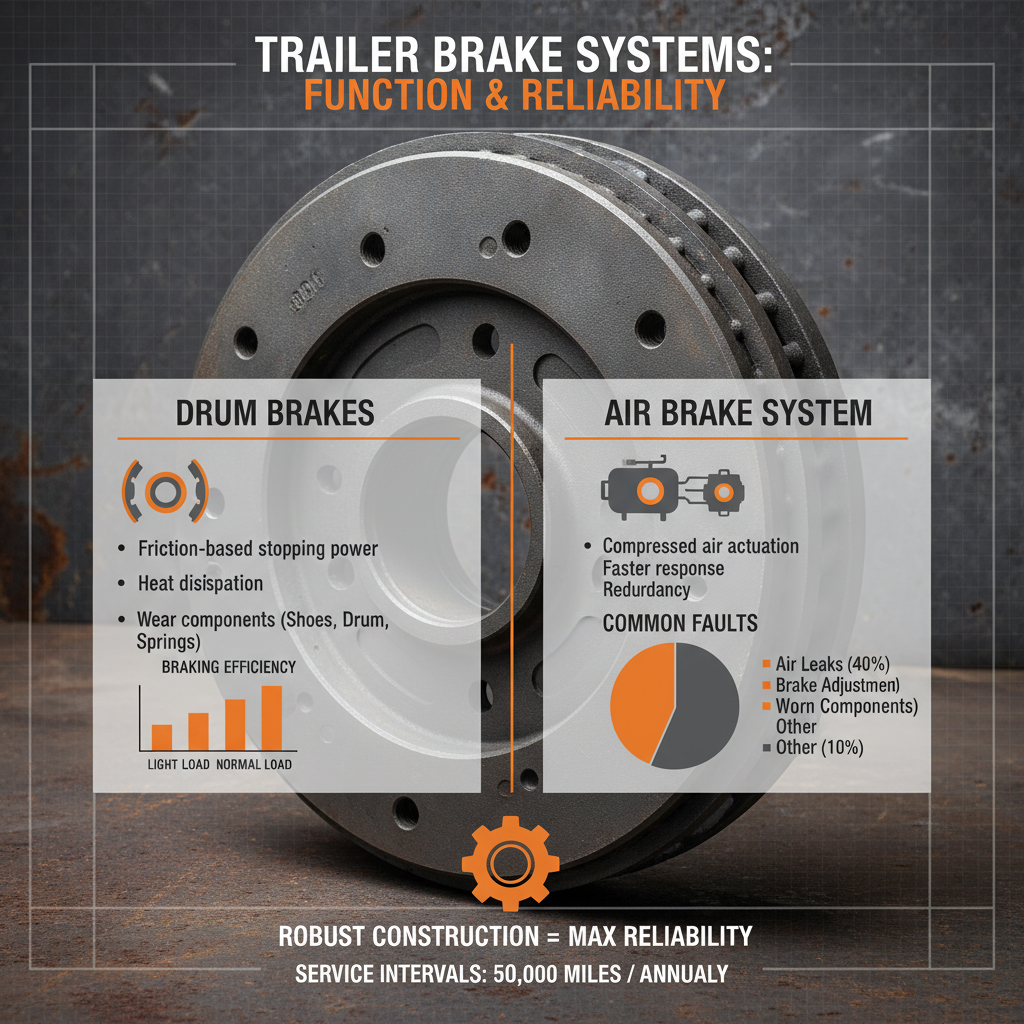
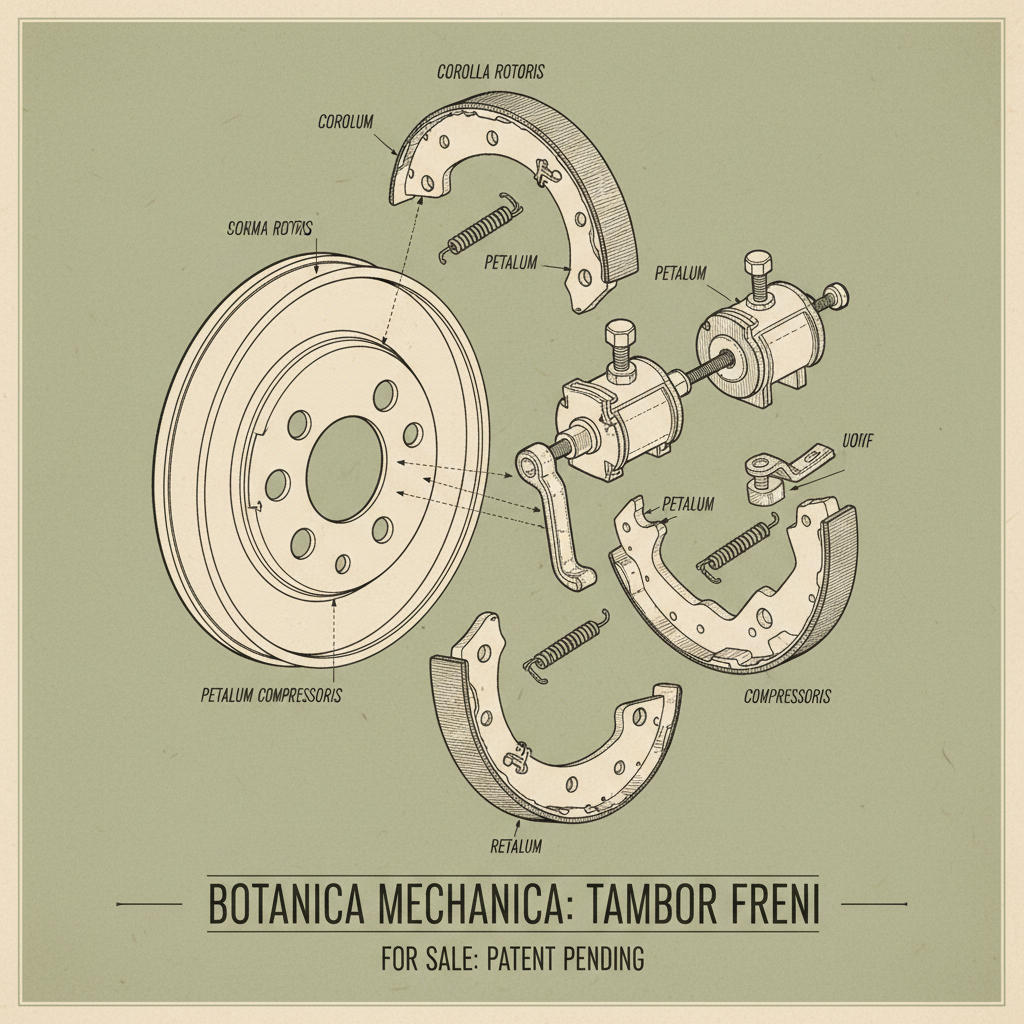
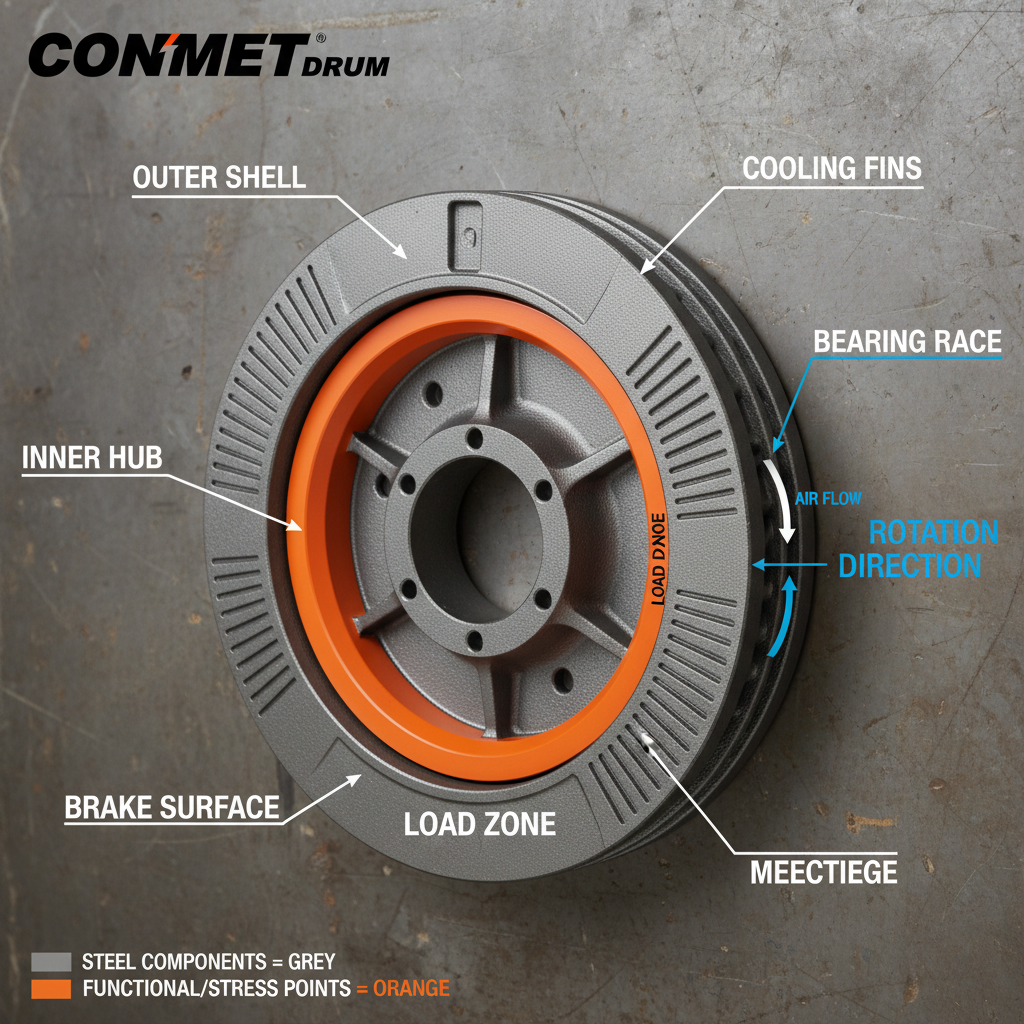
At their core, brakes are mechanisms designed to convert kinetic energy (motion) into thermal energy (heat) through friction, thereby reducing speed or bringing a moving object to a complete stop. Drums, in the context of braking systems, are cylindrical components that rotate with the wheel or axle and provide a surface against which brake shoes press to create the necessary friction. The entire system works together to ensure controlled deceleration.
The connection to modern industry is direct and fundamental. Every vehicle, from passenger cars to massive mining trucks, relies on brakes and drums (or equivalent disc brake systems) to operate safely. Beyond transportation, braking systems are integral to industrial machinery, manufacturing processes, and even amusement park rides. The efficiency and reliability of these systems directly impact productivity, safety, and overall operational costs.
In humanitarian contexts, the dependable function of brakes and drums on aid delivery vehicles and heavy equipment is often critical, especially in challenging terrains or emergency response situations. Maintaining these systems is vital to ensuring that supplies and personnel can reach those in need quickly and safely. This underscores the broad and often unseen influence of brakes and drums in the world.
Key Components and Factors
Durability: The lifespan of brakes and drums is heavily influenced by the materials used in their construction and the operating conditions they are subjected to. High-quality materials and proper maintenance contribute to extended service life and reduced replacement costs.
Friction Coefficient: This crucial property determines the braking force generated for a given pressure. Selecting the appropriate brake pad/shoe material with a consistent friction coefficient is critical for optimal performance and predictable stopping distances. Factors like temperature and speed can affect the friction coefficient.
Heat Dissipation: Braking generates significant heat. Effective heat dissipation is essential to prevent brake fade (loss of braking power due to overheating) and prolong component life. Drum brakes, traditionally, struggle with heat dissipation compared to disc brakes.
Material Composition: The choice of materials – cast iron, steel alloys, composite materials – significantly impacts the performance, durability, and cost of brakes and drums. Advanced materials are continually being developed to enhance braking capabilities.
Precision Engineering: Accurate machining and assembly are vital for ensuring proper fit, alignment, and smooth operation. Even minor imperfections can lead to uneven wear, reduced braking efficiency, and premature failure.
Corrosion Resistance: Exposure to the elements can cause corrosion, compromising the structural integrity of brake components. Protective coatings and corrosion-resistant materials are crucial in harsh environments.
Global Applications and Use Cases
Brakes and drums are ubiquitous in the automotive industry, ranging from passenger vehicles and motorcycles to heavy-duty trucks and buses. In the rail industry, braking systems (often employing disc brakes) are critical for ensuring the safe and efficient operation of trains and locomotives. In the aviation sector, advanced braking systems are a vital component of aircraft landing gear.
In the construction and mining industries, brakes and drums are essential for controlling heavy machinery such as excavators, bulldozers, and dump trucks. In remote industrial zones, where access to maintenance facilities is limited, the reliability of braking systems is particularly important. In post-disaster relief operations, the ability to quickly and safely transport supplies and equipment relies on well-maintained brakes on aid delivery vehicles.
Across regions, the specific types of brakes and drums utilized vary based on local regulations, cost considerations, and operating conditions. For example, drum brakes are still prevalent in many developing countries due to their lower cost and simpler maintenance requirements. However, stricter safety standards in developed nations are driving the adoption of more advanced disc brake technologies.
Comparative Performance of Braking Methods
Advantages and Long-Term Value
The primary advantage of reliable brakes and drums is, unequivocally, enhanced safety. Reduced stopping distances and predictable braking performance directly correlate with a lower risk of accidents and injuries. Beyond safety, properly functioning brakes contribute to lower maintenance costs, reduced fuel consumption (through optimized stopping), and increased vehicle lifespan.
From a sustainability perspective, efficient braking systems can reduce wear and tear on tires, minimizing rubber waste. The development of regenerative braking technologies, which capture energy during deceleration and convert it into usable power, offers a pathway to further enhance energy efficiency and reduce carbon emissions. Investing in high-quality braking systems demonstrates a commitment to responsible environmental stewardship.
The long-term value extends to building trust and reputation. Vehicle manufacturers and fleet operators who prioritize braking performance signal their commitment to safety and reliability, enhancing their brand image and customer loyalty. A robust braking system offers peace of mind to drivers and passengers, fostering a sense of security and confidence.
Future Trends and Innovations
The future of brakes and drums is being shaped by advancements in materials science, sensor technology, and automation. Research into new friction materials, such as carbon-ceramic composites, is yielding significant improvements in braking performance and heat resistance. The integration of sensors and data analytics enables predictive maintenance, allowing for proactive identification of potential brake failures.
The rise of autonomous vehicles is driving the development of advanced braking systems capable of operating independently and responding to dynamic driving conditions. These systems rely on sophisticated algorithms and redundant braking mechanisms to ensure safety and reliability. Furthermore, the trend towards electrification is fueling the adoption of regenerative braking systems, maximizing energy recovery and extending vehicle range.
Challenges and Solutions
One of the primary challenges in braking system design is balancing performance, durability, and cost. High-performance materials are often expensive, and compromises may be necessary to meet budgetary constraints. Another challenge is mitigating the effects of brake fade, particularly in demanding applications such as heavy-duty trucking and motorsport.
Solutions include the development of more efficient cooling systems, the use of advanced friction materials with higher heat capacity, and the implementation of intelligent braking control algorithms that optimize brake pressure distribution. Regular inspection and maintenance are also crucial for identifying and addressing potential brake issues before they escalate into serious problems. Ongoing research into new materials and technologies is essential to overcome these challenges.
Furthermore, addressing corrosion issues through improved coatings and material selection is vital, especially in harsh environmental conditions. Standardization of braking system components and diagnostic procedures can also simplify maintenance and reduce downtime.
Summary of Challenges and Solutions in Braking Systems
| Challenge |
Impact |
Proposed Solution |
Implementation Cost (1-10) |
| Brake Fade |
Reduced Braking Performance, Safety Risk |
Advanced Cooling Systems, High-Heat Materials |
7 |
| Corrosion |
Structural Weakening, Reduced Reliability |
Protective Coatings, Corrosion-Resistant Alloys |
5 |
| High Cost of Materials |
Increased Production Expenses |
Material Optimization, Alternative Materials |
6 |
| Uneven Brake Wear |
Reduced Efficiency, Premature Replacement |
Precision Engineering, Caliper Maintenance |
4 |
| Diagnostic Complexity |
Difficult Troubleshooting, Increased Downtime |
Standardized Diagnostics, Sensor Integration |
5 |
| Integration with Autonomous Systems |
Software/Hardware Compatibility Issues |
Robust System Architecture, Redundancy |
8 |
FAQS
The lifespan of drum brakes varies considerably based on driving conditions, vehicle type, and maintenance practices. Generally, drum brake shoes can last between 25,000 and 50,000 miles, but this can be significantly reduced by aggressive driving, heavy loads, or infrequent inspections. Regular checks for wear and tear, proper adjustment, and timely replacement are key to maximizing their lifespan. Ignoring warning signs can lead to reduced braking efficiency and potential safety hazards. The type of material used in the drums and shoes also plays a significant role.
While disc brakes generally offer superior performance in terms of heat dissipation and stopping power, they aren't necessarily superior in all situations. Drum brakes can be more cost-effective, especially for heavier vehicles where they provide adequate stopping power for their intended use. Disc brakes are more susceptible to damage from corrosion. The best choice depends on the specific application, vehicle type, budget, and operating conditions. Modern vehicle designs increasingly favor disc brakes, particularly on front axles, but drum brakes still maintain a presence on rear axles in many vehicles.
Brakes and drums should be inspected at least twice a year, or every 12,000 miles, whichever comes first. More frequent inspections are recommended for vehicles subjected to heavy use, towing, or aggressive driving. During an inspection, check brake pad/shoe thickness, rotor/drum condition (for scoring or damage), brake lines for leaks, and brake fluid levels. Any signs of wear, damage, or leaks should be addressed promptly by a qualified mechanic.
Squealing noises during braking can be caused by several factors. Common culprits include worn brake pads/shoes, glazed brake surfaces, debris lodged between the pad and rotor/drum, or vibrations in the brake assembly. Sometimes, the squeal is simply due to the pad material vibrating at a certain frequency. However, persistent or loud squealing should be investigated as it may indicate a more serious problem, such as worn components or damaged hardware. Consider inspecting brakes and drums for unusual wear.
Brake fade is a reduction in braking efficiency caused by overheating. As brakes heat up, the friction coefficient decreases, resulting in longer stopping distances. Preventing brake fade involves ensuring adequate heat dissipation, using high-quality brake pads/shoes, and avoiding prolonged or heavy braking. Upgrading to vented rotors or using brake cooling ducts can also help. Regularly flushing the brake fluid is essential, as old fluid can absorb moisture and reduce braking performance.
Replacing brake pads or shoes is a relatively straightforward task, but it requires a certain level of mechanical skill and attention to detail. Incorrect installation can compromise braking performance and create a safety hazard. If you are not comfortable performing the work yourself, it is best to leave it to a qualified mechanic. Ensure you follow proper procedures, use the correct parts, and thoroughly bleed the brakes after replacement. Improper bleeding can lead to air in the brake lines and reduced braking power.
Conclusion
In conclusion, brakes and drums represent a critical safety and operational component across a vast spectrum of industries. From their historical evolution to the cutting-edge innovations shaping their future, understanding their principles, applications, and maintenance is paramount for ensuring safety, efficiency, and sustainability. Continued advancements in materials, design, and technology will undoubtedly lead to even more reliable and effective braking systems.
Looking ahead, prioritizing research and development in areas such as regenerative braking, corrosion resistance, and predictive maintenance will be vital to address emerging challenges and unlock the full potential of braking technology. By embracing innovation and adhering to best practices, we can ensure that brakes and drums continue to play a crucial role in a safer and more sustainable future. Visit our website at www.hbncbrakedrum.com to learn more about our products and services.