

Heavy Duty Brake Drums for Trucks | Quality from China
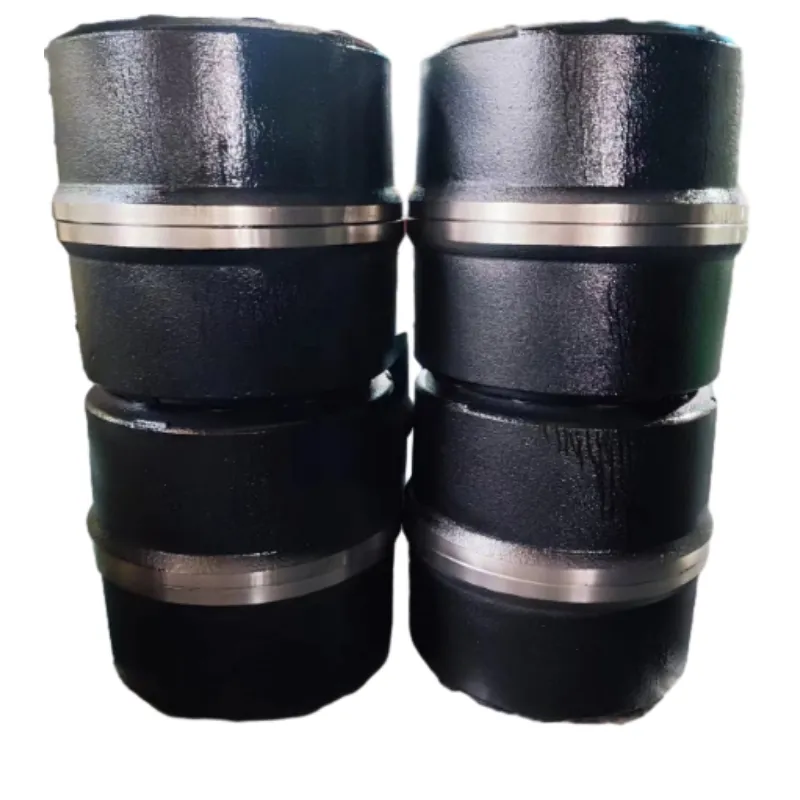
The Pivotal Role of Brake Drums in Heavy-Duty Braking Systems
In the demanding landscape of heavy-duty transportation and industrial machinery, the reliability and performance of braking components are paramount. Among these critical elements, the brake drums stand as foundational components, directly impacting vehicle safety, operational efficiency, and maintenance cycles. As global logistics and industrial operations expand, the demand for robust, high-performance truck drum brakes continues to escalate. This segment, driven by stringent safety regulations and the need for enhanced durability, sees continuous innovation in material science, manufacturing precision, and design optimization.
Industry trends indicate a consistent growth trajectory for the heavy-duty braking market. Factors such as increasing freight volumes, expansion of construction and mining sectors, and a global focus on reducing vehicle downtime contribute to this demand. Manufacturers specializing in brake drum in China, for instance, have emerged as significant players, leveraging advanced production capabilities and economies of scale to meet global requirements for both OEM and aftermarket solutions. Key market drivers include the push for lighter yet stronger materials, improved heat dissipation capabilities to prevent fade, and extended service life to reduce total cost of ownership (TCO) for fleet operators.
Precision Engineering: The Manufacturing Process of Brake Drums
The production of high-quality brake drums is a meticulous multi-stage process that combines material science expertise with advanced manufacturing techniques. The inherent requirements for strength, thermal stability, and wear resistance dictate a stringent process flow to ensure optimal performance and longevity.
- Material Selection: The foundation of a durable brake drum lies in its material. Typically, high-grade grey cast iron, such as FC250 (GG25) or FC300 (GG30) according to JIS and DIN standards, is chosen. These materials are selected for their excellent wear resistance, high thermal conductivity, and damping characteristics, which are crucial for dissipating heat generated during braking and minimizing noise. Chemical composition (e.g., Carbon: 3.2-3.5%, Silicon: 1.9-2.3%, Manganese: 0.6-0.9%, Sulfur & Phosphorus:
-
Casting Process: Brake drums are primarily manufactured through casting, specifically sand casting or centrifugal casting.
- Sand Casting: Involves creating molds from sand, into which molten cast iron is poured. This method is versatile for various designs.
- Centrifugal Casting: Molten metal is poured into a rotating die, which forces the metal against the mold wall, resulting in a denser, more uniform microstructure and improved mechanical properties, particularly for the friction surface. This technique significantly enhances the service life and performance consistency.
- Heat Treatment: Post-casting, some brake drums undergo specific heat treatments, such as annealing, to relieve internal stresses, improve machinability, and refine the grain structure, further enhancing toughness and preventing thermal cracking.
- CNC Machining: Precision machining is critical to achieve the exact dimensional tolerances required for optimal braking performance. Advanced CNC (Computer Numerical Control) machines are used for turning, boring, and drilling operations to ensure the brake drum's concentricity, parallelism, surface finish, and overall balance. This ensures smooth operation and prevents vibrations.
- Surface Finishing & Coating: The friction surface is finely finished to optimize contact with brake linings. Some drums may receive protective coatings (e.g., anti-corrosion paints, phosphating) to enhance corrosion resistance, particularly for applications in harsh environments like petrochemical or coastal areas, thereby extending the component's service life.
- Quality Control & Testing: Throughout the process, rigorous testing is performed to ensure compliance with international standards such as ISO 9001, IATF 16949 (automotive quality management), and ANSI B11.1 for machining accuracy. Tests include material hardness (Brinell Hardness, HB 180-240), tensile strength, chemical analysis, metallurgical examination, dimensional checks, dynamic balancing, and non-destructive testing (e.g., ultrasonic flaw detection) to identify any internal defects.
This meticulous process ensures that brake drums deliver advantages such as energy saving (through optimized weight and friction characteristics), exceptional corrosion resistance due to material and surface treatment, and superior thermal management. Target industries include automotive (heavy trucks, buses), construction, mining, petrochemical, metallurgy, and water supply & drainage systems, where reliable braking is non-negotiable.
Technical Specifications and Performance Parameters
Understanding the technical specifications of brake drums is crucial for selection and application, ensuring compatibility and optimal performance for specific vehicle types and operational demands. High-quality drums are engineered to precise parameters to guarantee safety and durability.
Typical Brake Drum Specifications (Example)
| Parameter | Description | Typical Value / Standard |
|---|---|---|
| Material | High-grade Grey Cast Iron (GG25 / FC250 / HT250) | ASTM A48 Class 35, DIN 1691 GG25 |
| Tensile Strength | Resistance to fracture under tension | ≥ 250 MPa (36,250 psi) |
| Hardness (HB) | Brinell Hardness of friction surface | 180 - 240 HB |
| Run-out Tolerance | Maximum allowable deviation from concentricity | ≤ 0.05 mm (0.002 in) |
| Balance | Static and dynamic balance to prevent vibration | ≤ 100 g·cm (ISO 1940) |
| Surface Roughness (Ra) | Roughness of the friction surface | ≤ 3.2 µm |
| Weight Range | Typical weight for heavy-duty applications | 25 kg - 80 kg+ (depending on application) |
| Standard Compliance | Adherence to international quality and performance standards | ISO 9001, IATF 16949, SAE J431 |
These parameters are critical in determining the performance characteristics of a brake drum. For instance, adequate tensile strength prevents deformation under stress, while controlled hardness ensures optimal wear against brake linings. Precise dimensional accuracy and balance are vital to prevent brake judder and premature wear of tires and suspension components, contributing to the overall stability and safety of the vehicle, particularly for truck drum brakes operating under high loads and demanding conditions.
Application Scenarios and Technical Advantages
The versatility and robustness of brake drums make them indispensable across a wide array of heavy-duty applications. Their design inherently offers several technical advantages crucial for demanding operational environments.
Typical Application Scenarios:
- Commercial Vehicles: Heavy-duty trucks, buses, and trailers extensively rely on drum brakes, especially on rear axles, due to their excellent self-servo effect, which provides substantial stopping power with less pedal effort. This is particularly advantageous for laden vehicles.
- Construction and Mining Equipment: Dump trucks, excavators, and large earthmovers operate in harsh, abrasive environments. Brake drums offer superior protection against ingress of dirt, dust, and water compared to open-disc systems, leading to longer component life and reduced maintenance.
- Industrial Machinery: Various industrial applications, including cranes, forklifts, and specialized material handling equipment, utilize drum brakes for their reliability, holding power, and ability to serve as effective parking brakes.
- Agricultural Vehicles: Tractors and other farm machinery benefit from the robustness and protective nature of drum brakes in dusty and muddy conditions.
Key Technical Advantages:
- Durability and Extended Service Life: Constructed from high-strength cast iron, modern brake drums are designed for extreme longevity. With proper maintenance, their service life can exceed 500,000 km in long-haul truck applications, significantly contributing to lower operational costs.
- Corrosion Resistance: High-quality materials and optional anti-corrosion treatments (e.g., phosphating, specialized paints) ensure that drums withstand harsh environmental factors, including road salt, moisture, and chemical exposure, which is vital for vehicles operating in diverse climates.
- Cost-Effectiveness: While initial costs for heavy-duty drum brake systems can be competitive, their long service intervals and relatively lower material costs for replacement linings compared to disc pads make them a highly economical choice for fleet operators.
- Integrated Parking Brake: Many drum brake systems seamlessly integrate a mechanical parking brake mechanism, offering a compact and reliable solution without requiring separate components.
- Self-Servo Effect: The design of drum brakes inherently creates a self-actuating or "self-servo" effect where the rotation of the drum pulls the brake shoes more firmly against the drum, augmenting braking force. This reduces the hydraulic or pneumatic pressure required, making them highly efficient for heavy loads.
- Superior Protection: The enclosed nature of the drum brake system effectively shields the internal components (shoes, springs, wheel cylinder) from external contaminants such as dirt, water, and debris, which is a major advantage in off-road and construction environments compared to open disc brake systems.
These inherent advantages underscore why brake drums continue to be the preferred choice for a vast segment of heavy-duty and commercial vehicle applications, prioritizing durability, economy, and reliable performance in challenging conditions.
Vendor Comparison and Customization Solutions
Navigating the global market for brake drums requires careful consideration of various vendors, each offering unique strengths in product quality, manufacturing capabilities, and support. For B2B decision-makers, evaluating these factors is paramount to securing reliable and cost-effective solutions.
Key Comparison Factors for Brake Drum Vendors:
- Quality & Certifications: Reputable vendors adhere to international quality management systems such as ISO 9001, IATF 16949 (for automotive suppliers), and material standards like ASTM or DIN. Certifications validate their commitment to consistent product quality.
- Manufacturing Technology: Assess the vendor's production capabilities, including casting methods (e.g., centrifugal casting for superior microstructure), CNC machining precision, and automated quality control processes.
- R&D and Innovation: Leading manufacturers invest in R&D to develop advanced materials, optimized designs (e.g., weight reduction without compromising strength), and improved thermal management solutions to address evolving industry needs.
- Lead Times & Logistics: Efficient supply chain management, realistic lead times, and flexible logistics options are crucial for maintaining production schedules and inventory levels.
- Customization Capabilities: The ability to provide OEM/ODM services, including specific material grades, unique dimensions, specialized surface treatments, and performance tuning for niche applications, is a significant differentiator.
- After-Sales Support & Warranty: Comprehensive technical support, responsive customer service, and robust warranty commitments demonstrate a vendor's confidence in their product and commitment to client satisfaction.
Customized Solutions:
Beyond standard offerings, the capacity for customized brake drum solutions provides immense value for specialized applications or unique vehicle designs. This can include:
- Application-Specific Alloys: Developing or modifying cast iron formulations to enhance specific properties like high-temperature stability for severe braking conditions or increased wear resistance for extended maintenance cycles.
- Optimized Geometries: Custom designs for internal cooling fins, weight-saving features, or specific mounting configurations to integrate seamlessly with unique axle or hub assemblies.
- Surface Treatments: Tailored surface finishes or coatings to provide enhanced corrosion protection in marine, chemical, or agricultural environments, or to optimize friction characteristics for particular brake lining materials.
- Performance Tuning: Engineering solutions to meet specific dynamic balance requirements, noise reduction targets, or thermal management needs for high-performance or specialized heavy vehicles.
A partnership with a vendor offering robust customization ensures that brake drum solutions are not just off-the-shelf components but integral parts of an optimized braking system, tailored to achieve superior performance and reliability.
Real-World Case Studies and Customer Feedback
The true measure of a brake drum's quality and performance lies in its real-world application. Numerous heavy-duty fleet operators and industrial clients have experienced significant benefits from implementing high-quality brake drums.
Case Study 1: Long-Haul Trucking Fleet Upgrade
A major logistics company operating a fleet of 500 heavy-duty trucks faced persistent issues with premature wear and thermal cracking in their original equipment brake drums. This led to increased maintenance costs and vehicle downtime. After a comprehensive evaluation, they opted to replace their existing drums with centrifugally cast, high-grade FC250 truck drum brakes from a certified manufacturer. Over an 18-month period, the fleet reported:
- 40% reduction in brake drum replacements: The superior material density and thermal stability significantly extended service life.
- 15% improvement in fuel efficiency: Due to better heat dissipation and consistent braking, driver behavior became smoother, reducing harsh braking events.
- Enhanced safety ratings: Drivers reported more consistent and reliable braking performance, especially under full load and adverse weather conditions.
The estimated savings in maintenance and operational costs exceeded $500,000 annually, demonstrating a substantial return on investment.
Case Study 2: Mining Operations in Arid Regions
A large-scale mining company in Australia struggled with brake drum corrosion and abrasive wear on their heavy dump trucks, operating in dusty, high-temperature environments. Standard drums failed prematurely due to sand ingress and rapid surface deterioration. They implemented custom-designed brake drums from a specialist manufacturer in brake drum in China, which featured a specialized anti-abrasion surface treatment and improved dust sealing.
- Doubled brake drum lifespan: The custom drums lasted twice as long as previous components.
- Reduced vehicle downtime by 25%: Fewer brake-related failures meant more operational hours for critical equipment.
- Lower operational expenses: Significant savings on replacement parts and labor.
These tangible results underscore the importance of selecting high-quality, application-specific brake drums. Customer feedback consistently highlights reliability, extended service intervals, and enhanced safety as primary benefits.
Ensuring Trustworthiness: FAQ, Logistics, Warranty, and Support
For B2B partners, confidence in a supplier extends beyond product specifications to encompass reliability in service, transparent commitments, and robust support infrastructure. We uphold stringent standards to ensure every aspect of our partnership is trustworthy, especially when sourcing critical components like brake drums.
Frequently Asked Questions (FAQ):
-
Q: What is the typical lifespan of your brake drums?
A: Our heavy-duty brake drums are engineered for a service life exceeding 300,000 to 500,000 kilometers under normal operating conditions and proper maintenance, depending on the application and driving environment. -
Q: Are your brake drums compatible with various truck models?
A: We offer a wide range of brake drums designed to meet OEM specifications for most major heavy-duty truck brands and trailer applications. Custom solutions are also available for specific compatibility requirements. -
Q: How do you ensure product quality and consistency?
A: Our manufacturing facilities are ISO 9001 and IATF 16949 certified. We implement multi-stage quality control, including material analysis, dimensional inspection, dynamic balancing, and non-destructive testing, to ensure every drum meets stringent standards. -
Q: Do you offer bespoke manufacturing for unique specifications?
A: Yes, we specialize in OEM and ODM solutions. Our engineering team works closely with clients to design and produce brake drums tailored to specific material, dimension, performance, and environmental requirements.
Lead Time & Fulfillment Details:
We understand the importance of timely delivery for maintaining operational continuity. Our standard lead time for common brake drum models typically ranges from 30 to 45 days, depending on order volume and specific requirements. For custom or large-scale OEM projects, detailed production schedules are provided with clear milestones. We maintain efficient logistics partnerships to ensure reliable global shipping, offering various incoterms (FOB, CIF, DDU) to meet client preferences. Expedited options may be available upon request.
Warranty Commitments:
All our brake drums come with a comprehensive warranty against manufacturing defects in material and workmanship. Our standard warranty period is 12 months or 100,000 kilometers, whichever comes first, from the date of installation. This commitment underscores our confidence in the durability and quality of our products. Detailed warranty terms and conditions are available upon request.
Customer Support:
Our dedication to client satisfaction extends through our expert customer support team. We provide:
- Technical Assistance: Our engineers are available to provide in-depth technical guidance, product selection advice, and troubleshooting support.
- Dedicated Account Management: Each client is assigned a dedicated account manager to ensure streamlined communication and personalized service.
- After-Sales Service: Prompt and efficient handling of any post-purchase inquiries, claims, or feedback.
Our goal is to forge long-term partnerships built on trust, quality, and mutual success.
Conclusion
The demand for high-performance brake drums in the B2B sector remains robust, driven by the critical need for safety, durability, and cost-efficiency in heavy-duty applications. From advanced material selection and precision manufacturing processes to rigorous quality control and comprehensive after-sales support, every aspect contributes to the superior performance and extended service life expected by demanding industries. Partnering with a reputable manufacturer capable of delivering both standard-compliant and customized solutions ensures that braking systems perform optimally, contributing significantly to vehicle uptime, operational safety, and overall profitability.
References
- ISO 9001:2015 - Quality management systems — Requirements. International Organization for Standardization.
- IATF 16949:2016 - Quality management system for automotive production and relevant service parts organizations. International Automotive Task Force.
- SAE J431 - Automotive Gray Iron Castings. Society of Automotive Engineers.
- ASTM A48 / A48M-03(2018) - Standard Specification for Gray Iron Castings. ASTM International.
- Brake Technology Handbook, Bosch Automotive Handbook. Robert Bosch GmbH.
-
Understanding Drum Brakes on Cars A Complete Guide to ReliabilityNewsApr.16,2026
-
Understanding Drum Brakes on Car for Safety and PerformanceNewsApr.09,2026
-
Comprehensive Guide to Understanding Drum Brakes on a Semi TruckNewsApr.07,2026
-
Understanding the Mechanics and Maintenance of Drum Brakes on a CarNewsApr.04,2026
-
Understanding and Fixing Drum Brakes Not Self Adjusting for Vehicle SafetyNewsMar.31,2026
-
Understanding and Fixing Issues with Drum Brakes Not Releasing EffectivelyNewsMar.28,2026
-
Nissan Sentra Drum Brakes A Comprehensive Guide to Maintenance and ReplacementNewsMar.26,2026