

Understanding and Fixing Drum Brakes Getting Hot on One Side of Your Vehicle
Drum Brakes Getting Hot on One Side: Causes and Solutions
Experiencing unusually high temperatures in one of your vehicle’s drum brakes? This isn’t a typical scenario and often indicates an underlying issue that needs prompt attention. Ningchai Brake Drum specializes in providing high-quality brake drums and offers expert advice on brake system maintenance. Understanding the reasons why drum brakes are getting hot on one side is crucial for ensuring your safety and preventing further damage to your vehicle. This article will explore the common causes, diagnostic steps, and potential solutions to address this issue effectively.
Understanding Why Drum Brakes Overheat
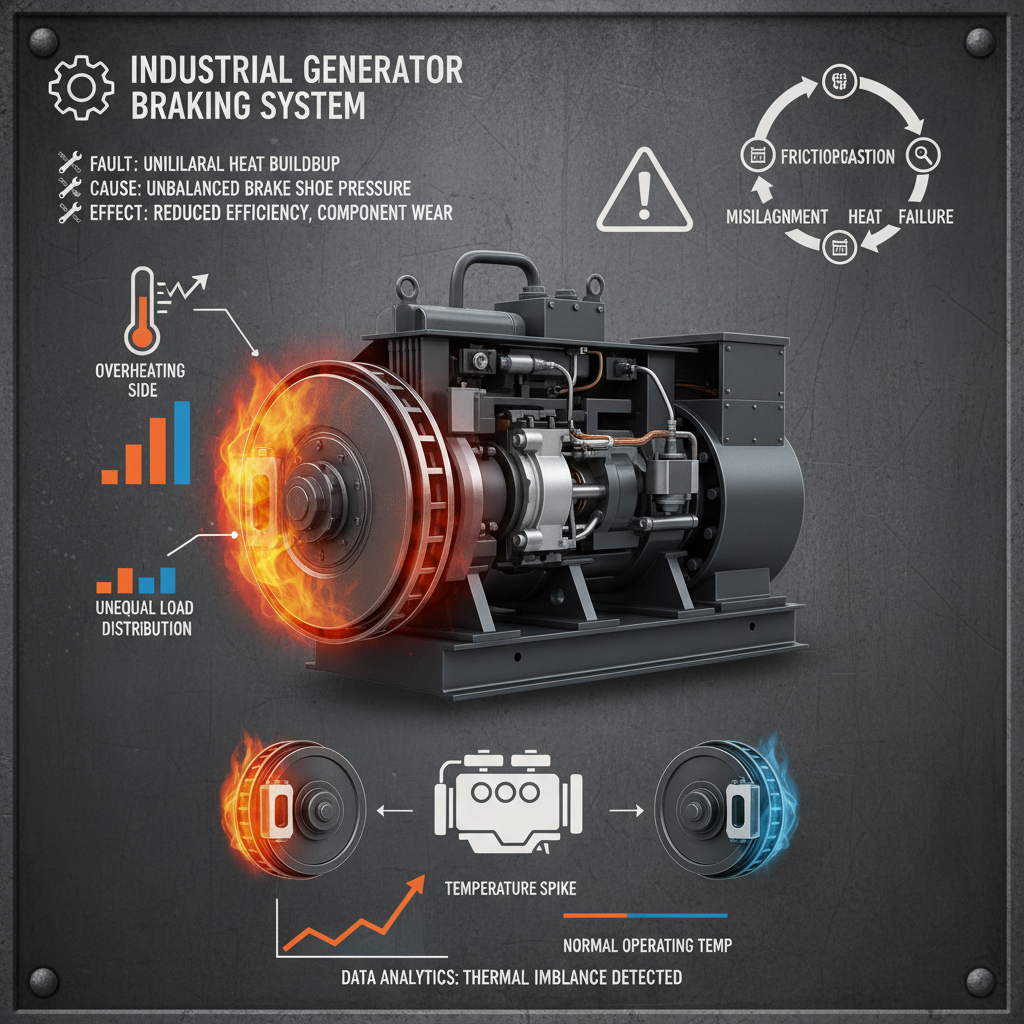
Overheating in drum brakes, particularly on one side, is rarely a standalone problem. It's usually a symptom of a larger issue within the braking system. The most frequent culprit is a sticking brake caliper or wheel cylinder. This prevents the brake shoes from fully releasing, causing constant friction and heat build-up. Other contributing factors include a worn or damaged brake hose, incorrect brake shoe adjustment, or contamination within the brake assembly. Ignoring this issue can lead to severely damaged brake components, reduced braking efficiency, and potential safety hazards. Proper diagnosis and repair are essential to restore safe and reliable braking performance.
Key Takeaway: A hot brake drum on one side is a warning sign. Don't ignore it!
Common Causes of One-Sided Drum Brake Heat
Several issues can cause one drum brake to overheat while the other remains relatively cool. Here’s a breakdown of the most common reasons:
- Sticking Wheel Cylinder: This is a very common cause. A corroded or damaged wheel cylinder can seize, keeping the brake shoes pressed against the drum.
- Collapsed Brake Hose: A worn or internally collapsed brake hose can restrict fluid flow, leading to uneven brake application.
- Incorrect Brake Shoe Adjustment: If one brake shoe is adjusted too tightly, it will cause excessive friction and heat.
- Contamination: Grease, oil, or other contaminants can affect the friction material and cause uneven braking.
- Worn or Damaged Brake Drum: An unevenly worn or warped brake drum can create inconsistent contact with the shoes.
Troubleshooting Steps:
• Inspect the wheel cylinders for leaks or corrosion.
• Check the brake hoses for cracks, bulges, or collapses.
• Verify proper brake shoe adjustment.
• Examine the brake drum for signs of wear or damage.
Drum Brakes Getting Hot on One Side: A Diagnostic Comparison
Distinguishing between potential causes requires a systematic diagnostic approach. Here’s a comparative look at common symptoms and corresponding causes:
The Importance of Quality Brake Drums
Using high-quality brake drums is paramount for safe and reliable braking performance. Inferior drums can wear unevenly, warp, or even crack, contributing to overheating and reduced braking efficiency. Ningchai Brake Drum manufactures drums to precise specifications, ensuring optimal compatibility and durability. Selecting the right brake drum, paired with proper maintenance, significantly extends the lifespan of your braking system and safeguards your vehicle.
Preventative Maintenance: Keeping Your Brakes Cool
Preventative maintenance is the key to avoiding drum brake overheating issues. Regularly inspect your brakes for signs of wear, leaks, or damage. Ensure proper brake shoe adjustment and periodically flush the brake fluid to remove contaminants. Address any unusual noises or changes in braking performance promptly. By incorporating these practices into your vehicle maintenance routine, you can significantly reduce the risk of encountering overheating issues and maintain optimal braking safety.
Conclusion: Prioritizing Brake Health
Addressing drum brakes getting hot on one side isn’t a task to postpone. It signals a potentially dangerous issue that demands attention. Early detection, accurate diagnosis, and utilizing quality components like those from Ningchai Brake Drum are essential for maintaining a safe and reliable braking system. Don't compromise on safety – prioritize your brake health!
Frequently Asked Questions (FAQs)
Can I drive with a hot brake drum?
Absolutely not. Driving with a hot brake drum is extremely dangerous. It indicates a serious braking system malfunction that could lead to brake failure. Immediately pull over to a safe location and have your vehicle towed to a qualified mechanic. Continuing to drive could exacerbate the problem, causing further damage and potentially leading to an accident.
How much does it cost to fix a hot drum brake?
The cost to repair a hot drum brake can vary significantly depending on the underlying cause. A simple brake shoe adjustment might cost around $50-$100. However, if a wheel cylinder, brake hose, or drum needs replacement, the cost could range from $200 to $500 or more. It’s always best to get a professional diagnosis and quote from a reputable mechanic.
What tools do I need to diagnose drum brake issues?
Basic tools for diagnosing drum brake problems include a lug wrench, jack, jack stands, a brake inspection light, a wrench set, and a socket set. More advanced tools, such as a brake fluid pressure tester, may be helpful for pinpointing specific issues. However, if you’re not comfortable working on brakes, it’s always best to leave the diagnosis and repair to a qualified mechanic.
How often should I inspect my drum brakes?
It's recommended to inspect your drum brakes at least twice a year, or every 6,000-8,000 miles. During the inspection, check the brake shoes, drums, hoses, and wheel cylinders for signs of wear, damage, or leaks. Regular inspections can help identify potential problems early on, preventing more costly repairs and ensuring your safety.
-
Understanding Drum Brakes on Cars A Complete Guide to ReliabilityNewsApr.16,2026
-
Understanding Drum Brakes on Car for Safety and PerformanceNewsApr.09,2026
-
Comprehensive Guide to Understanding Drum Brakes on a Semi TruckNewsApr.07,2026
-
Understanding the Mechanics and Maintenance of Drum Brakes on a CarNewsApr.04,2026
-
Understanding and Fixing Drum Brakes Not Self Adjusting for Vehicle SafetyNewsMar.31,2026
-
Understanding and Fixing Issues with Drum Brakes Not Releasing EffectivelyNewsMar.28,2026
-
Nissan Sentra Drum Brakes A Comprehensive Guide to Maintenance and ReplacementNewsMar.26,2026