

Understanding and Resolving Frozen Drum Brakes for Vehicle Safety
Understanding and Resolving Drum Brakes Frozen
Dealing with frozen drum brakes can be a frustrating and potentially dangerous situation. This article will explore the common causes of this issue, diagnostic steps, safe thawing methods, preventative maintenance, and the importance of using quality brake components like those offered by Ningchai Brake Drum. Frozen brakes significantly impact vehicle safety, and understanding how to address them is crucial for mechanics and vehicle owners alike. Ignoring this problem can lead to costly repairs and, more importantly, accidents.
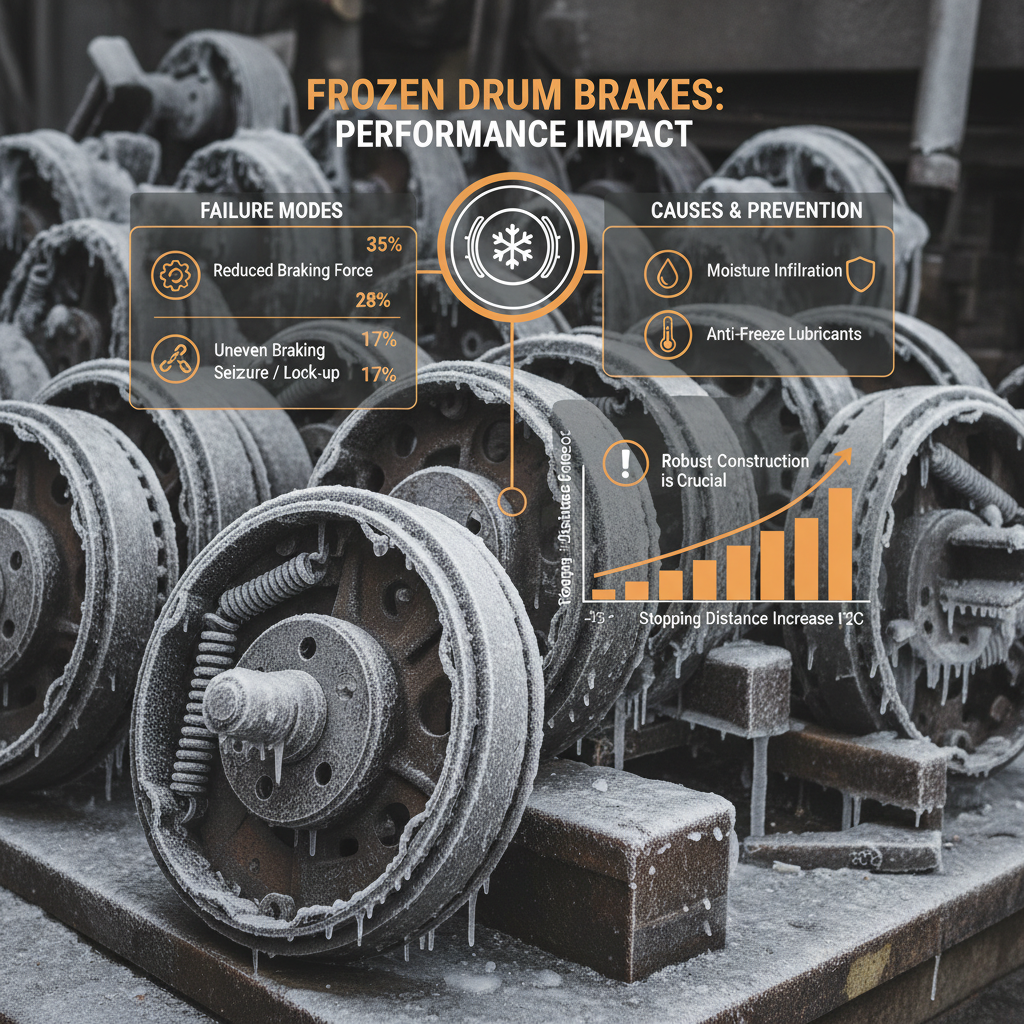
What Causes Drum Brakes to Freeze?
Several factors can contribute to drum brakes freezing. The most common cause is moisture. Water can penetrate the brake assembly from rain, snow, or even condensation. When temperatures drop below freezing, this moisture turns into ice, effectively seizing the brake components. Another contributing factor is rust. Over time, rust can build up within the brake assembly, and this corrosion can be exacerbated by moisture, leading to sticking and freezing. Old, worn-out brake hardware, like springs and adjusting mechanisms, can also increase the likelihood of freezing. Finally, infrequent brake use allows moisture to accumulate and freeze without the brakes being applied to dispel it.
Key Causes: Moisture ingress, rust build-up, worn brake hardware, and infrequent brake usage are the primary culprits behind frozen drum brakes.
Diagnosing Frozen Drum Brakes
Proper diagnosis is the first step to resolving the issue. Start by attempting to move the vehicle. If the wheels are completely locked, do not force it. Visually inspect the brake assembly for obvious signs of ice or rust. Try manually rotating the wheel – if it’s extremely difficult or impossible, the brakes are likely frozen. Listen for any grinding or scraping noises when attempting to rotate the wheel. A stuck brake caliper or wheel cylinder can also contribute to the problem, so inspect those components. Using a brake inspection light can help reveal hidden rust and corrosion within the drum. Remember safety is paramount during this process, and proper personal protective equipment should always be worn.
Diagnostic Steps:
• Attempt to move the vehicle (carefully).
• Visual inspection for ice and rust.
• Manual wheel rotation check.
• Listen for unusual noises.
Safe Thawing Methods for Drum Brakes
Thawing frozen drum brakes requires caution to avoid damage. Never use direct heat sources like torches or open flames – these can warp or damage brake components. The safest method is to park the vehicle in a heated garage or allow it to warm up naturally. Applying a de-icer specifically designed for automotive brakes can also help accelerate the thawing process. Applying a small amount of penetrating oil to the brake components can help loosen rusted parts. Once thawed, gently apply the brakes several times to help redistribute the brake fluid and ensure proper functionality. Avoid aggressive braking immediately after thawing. If the brakes remain stubbornly frozen, professional assistance is recommended.
Preventative Maintenance: Keeping Drum Brakes Free From Freezing
Preventing frozen drum brakes is far easier than dealing with them. Regularly inspect the brake assembly for signs of rust or corrosion. Ensure the brake lines are free from leaks. Periodically apply the brakes, even if the vehicle is parked for extended periods, to prevent moisture buildup. Consider applying a rust inhibitor to the brake components during routine maintenance. Using high-quality brake drums and components from a reputable supplier like Ningchai Brake Drum can significantly reduce the risk of corrosion and failure. Regular brake servicing, including cleaning and adjusting the components, is crucial.
The Role of Quality Brake Drums and Components
Using high-quality brake drums and components is essential for reliable braking performance and preventing freezing issues. Drums made from durable materials, like those offered by Ningchai Brake Drum, are less susceptible to rust and corrosion. Precision-engineered brake shoes and hardware ensure proper fit and function, minimizing the risk of sticking or freezing. Investing in quality parts may cost more initially, but it ultimately saves money by reducing the need for frequent replacements and preventing costly repairs.
Conclusion: Proactive Brake Maintenance is Key
Dealing with frozen drum brakes can be a serious issue, but with the right knowledge and preventative measures, it can be avoided. Regular inspection, proper thawing techniques, and the use of high-quality components from trusted suppliers like Ningchai Brake Drum are essential for ensuring safe and reliable braking performance. Don't wait until your brakes freeze – prioritize proactive maintenance!
Frequently Asked Questions (FAQs)
Can I drive with frozen drum brakes?
Absolutely not. Driving with frozen drum brakes is extremely dangerous. It significantly impairs your ability to stop, increasing the risk of accidents. Even if one wheel is frozen, it can cause loss of control. You should have the vehicle towed to a qualified mechanic for inspection and repair. Attempting to drive with frozen brakes can also cause further damage to the brake system, leading to even more expensive repairs.
How long does it take to thaw frozen drum brakes?
The thawing time depends on the severity of the freeze and the ambient temperature. In a heated garage, it may take a few hours. Allowing the vehicle to warm up naturally can take significantly longer, potentially overnight. Using a de-icer specifically designed for brakes can speed up the process. However, avoid using direct heat sources, as they can damage the brake components.
What is the cost of repairing frozen drum brakes?
The cost of repair varies depending on the extent of the damage. Simple thawing and inspection may cost around $50-$100. However, if components like brake shoes, springs, or wheel cylinders need to be replaced, the cost can range from $200 to $500 or more. Using high-quality replacement parts, like those available from Ningchai Brake Drum, may have a higher upfront cost but can prevent future issues.
What can I do to prevent drum brakes from freezing in the future?
Regular preventative maintenance is key. Ensure the brake lines are free from leaks, periodically apply the brakes even when the vehicle is parked, and consider applying a rust inhibitor. Most importantly, use high-quality brake components from a reputable supplier to minimize corrosion and ensure optimal performance. Also, if you live in an area prone to freezing temperatures, consider using a brake fluid with a lower freezing point.
-
Understanding Drum Brakes on Cars A Complete Guide to ReliabilityNewsApr.16,2026
-
Understanding Drum Brakes on Car for Safety and PerformanceNewsApr.09,2026
-
Comprehensive Guide to Understanding Drum Brakes on a Semi TruckNewsApr.07,2026
-
Understanding the Mechanics and Maintenance of Drum Brakes on a CarNewsApr.04,2026
-
Understanding and Fixing Drum Brakes Not Self Adjusting for Vehicle SafetyNewsMar.31,2026
-
Understanding and Fixing Issues with Drum Brakes Not Releasing EffectivelyNewsMar.28,2026
-
Nissan Sentra Drum Brakes A Comprehensive Guide to Maintenance and ReplacementNewsMar.26,2026