Crane brake drums are critical safety components found in a vast array of industrial applications, most notably in overhead cranes. Their primary function is to reliably and predictably stop and hold the load, preventing accidents and ensuring operational efficiency. Understanding the nuances of crane brake drum design, materials, and maintenance is paramount for industries that rely on lifting and moving heavy loads. These components are not simply mechanical parts; they represent a crucial line of defense against catastrophic failures.
The global demand for efficient and safe lifting solutions directly correlates to the importance of high-quality crane brake drums. According to data from the United Nations Industrial Development Organization (UNIDO), manufacturing and construction sectors, key consumers of cranes, are experiencing steady growth in developing economies. This increased activity necessitates robust and dependable braking systems. Furthermore, strict safety regulations, such as those defined by ISO standards, are driving a demand for advanced brake drum technologies that meet or exceed these requirements.
A core challenge facing these industries is the need for durable, reliable, and cost-effective braking solutions. Traditional brake drum designs can be susceptible to wear and tear, requiring frequent maintenance and replacements. This leads to downtime, increased operational costs, and potential safety hazards. Understanding and adopting improved materials, designs, and maintenance practices for crane brake drum systems is, therefore, crucial for mitigating these risks and optimizing performance.
Introduction to Crane Brake Drums
Crane brake drums represent a critical safety component within lifting machinery, functioning as the primary means of controlling load movement and preventing uncontrolled descent. Their design directly impacts the efficiency and safety of operations across a wide spectrum of industries. A comprehensive understanding of crane brake drum mechanics is essential for engineers, maintenance personnel, and safety officers involved in crane operation.
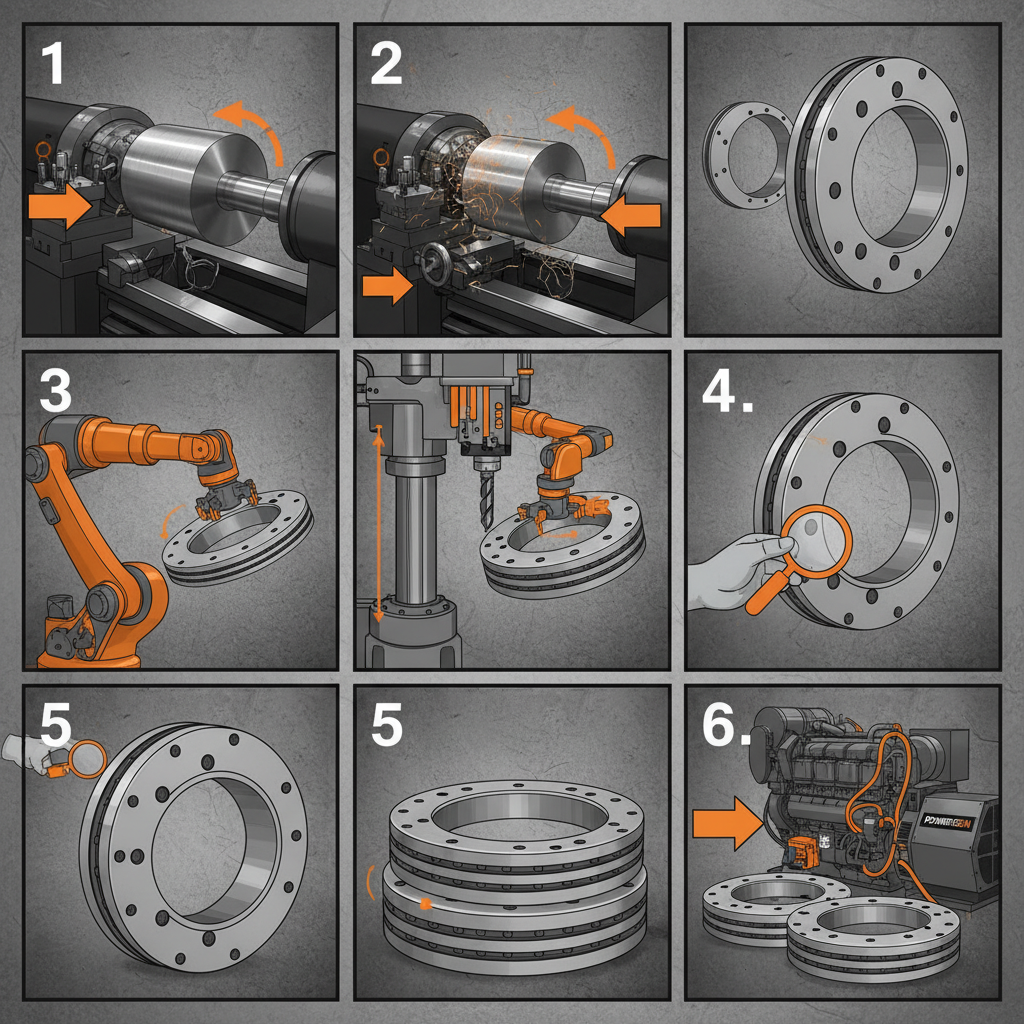
The effectiveness of a crane brake drum is dependent on a complex interplay of factors, including material composition, manufacturing precision, and environmental conditions. Selecting the appropriate brake drum for a specific application, coupled with rigorous maintenance procedures, is paramount for ensuring longevity and minimizing the risk of failure. Neglecting these factors can lead to costly downtime, potential injuries, and damage to equipment.
Defining Crane Brake Drums
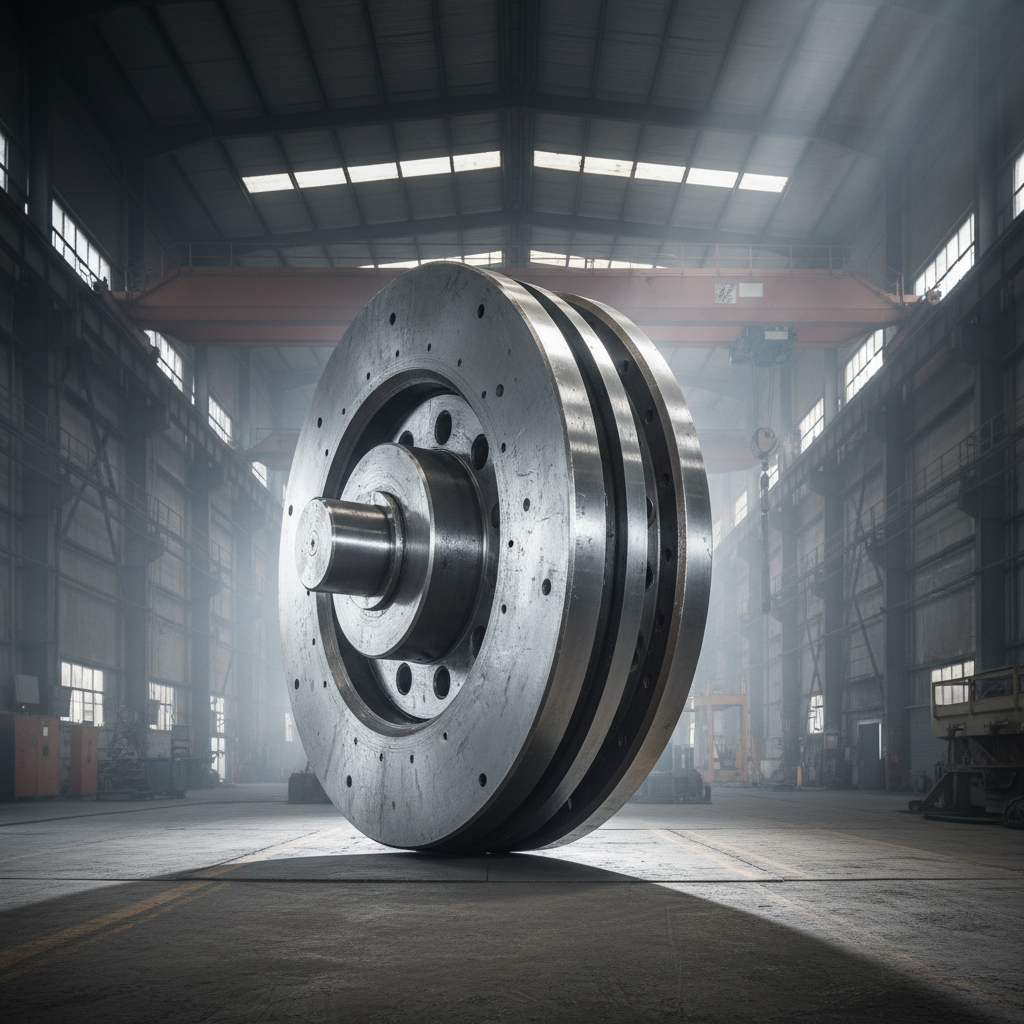
A crane brake drum is a cylindrical component that works in conjunction with brake shoes or pads to generate friction, thereby slowing or stopping the rotation of a crane's hoisting or trolley mechanism. Essentially, it's the rotating part of the braking system where the force is applied to decelerate the load. The drum's inner surface provides the friction interface for the brake shoes, and its robust construction ensures it can withstand repeated stopping and starting.
In modern industry, crane brake drums are integral to a diverse range of lifting applications, from heavy-duty construction cranes and port facilities to smaller workshop hoists. They bridge the gap between mechanical power and controlled motion. The reliability of these drums directly correlates to operational safety and productivity, playing a pivotal role in ensuring smooth and secure lifting operations.
The design and manufacturing of a crane brake drum are intimately connected to humanitarian needs in disaster relief and infrastructure development. When rapid deployment of heavy lifting equipment is critical – such as in earthquake zones or for establishing temporary hospitals – dependable braking systems, reliant on robust brake drums, become a non-negotiable requirement.
Core Components of a Crane Brake Drum
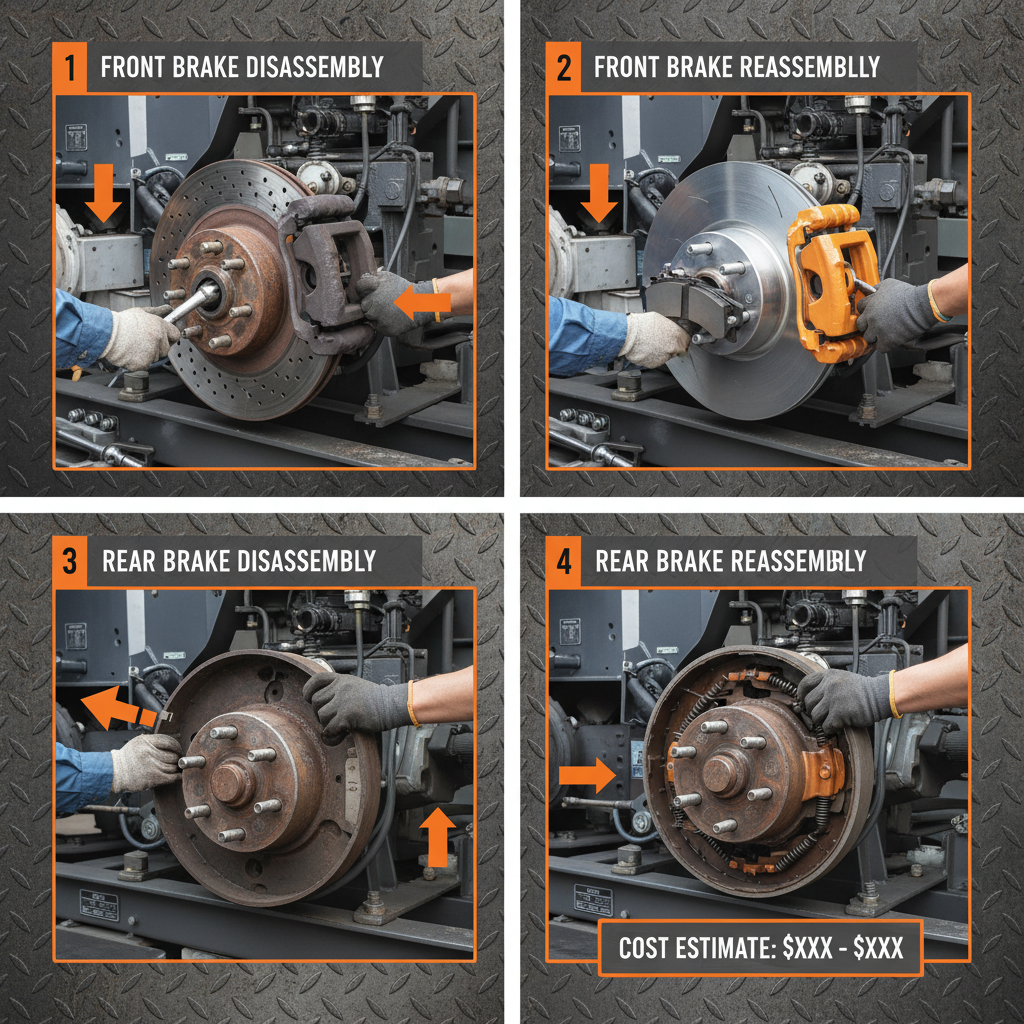
Crane brake drums consist of several key components that work in harmony to provide reliable braking performance. The drum itself, typically made of cast iron or steel, forms the core of the assembly. Brake shoes, lined with friction material, press against the inner surface of the drum to create the necessary friction. Springs play a crucial role in applying and retracting the brake shoes, while adjusters ensure optimal contact between the shoes and the drum surface.
Proper functionality of each component is vital. The drum must be smooth and free of defects to ensure even friction, while the brake shoes must be regularly inspected and replaced as the friction material wears down. Adjusters require periodic maintenance to maintain the correct braking force. A failure in any single component can compromise the entire braking system, leading to potential safety hazards.
The housing, often integrated into the crane’s overall structure, provides support and protection for the drum and its associated components. Additionally, cooling mechanisms – such as fans or fins – are often incorporated into the design to dissipate heat generated during braking, especially in applications with frequent stopping and starting. This thermal management is key to preventing brake fade and ensuring consistent performance.
Key Factors Influencing Performance
Several key factors significantly impact the performance and longevity of a crane brake drum. Durability of the material is paramount; cast iron remains common due to its heat resistance and frictional properties, but newer steel alloys are gaining traction for their superior strength. Scalability, or the drum's ability to handle increasing loads, depends on its diameter and width, as well as the design of the braking system.
Cost efficiency is also a critical consideration. While high-quality materials and precise manufacturing processes contribute to increased reliability, they also come at a higher price point. Striking a balance between performance and cost is essential. Finally, environmental factors, such as temperature, humidity, and exposure to corrosive elements, can significantly affect the drum's performance and necessitate specialized coatings or materials.
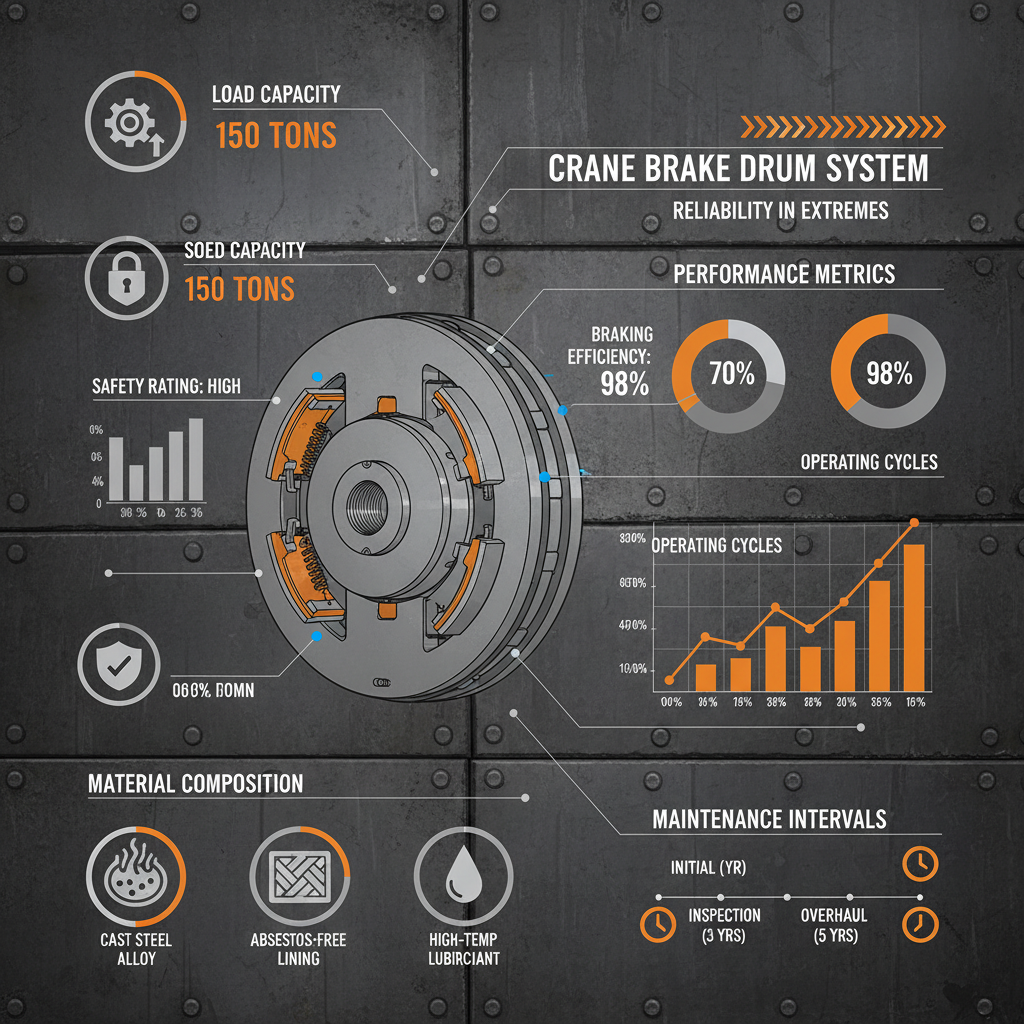
Crane Brake Drum Performance Metrics
Global Applications and Industries
Crane brake drums are ubiquitous across a diverse range of industries worldwide. The construction sector relies heavily on these components in tower cranes, mobile cranes, and gantry cranes for lifting building materials and equipment. Manufacturing facilities utilize overhead cranes equipped with brake drums for moving heavy machinery, raw materials, and finished products.
Port and shipping terminals extensively employ cranes with high-performance brake drums to load and unload cargo from ships. These applications demand exceptional reliability due to the high loads and continuous operation. Furthermore, the mining industry utilizes large-scale cranes for extracting resources, again relying on robust braking systems to ensure safety and efficiency. In remote industrial zones, maintaining a consistent supply of replacement brake drums is crucial for minimizing downtime.
Advantages and Long-Term Value
Investing in high-quality crane brake drums offers a multitude of tangible benefits. Reduced maintenance costs are a primary advantage, as durable drums require fewer replacements and repairs. Improved safety is paramount, minimizing the risk of accidents and injuries. Enhanced operational efficiency, resulting from reliable braking performance, leads to increased productivity and reduced downtime.
From a long-term perspective, the value extends beyond mere cost savings. Dependable braking systems instill confidence and trust in operations, fostering a culture of safety and responsibility. Furthermore, advancements in materials and designs are contributing to more sustainable solutions, with longer lifespans and reduced environmental impact.
Future Trends and Innovations
The future of crane brake drum technology is focused on enhancing performance, reliability, and sustainability. Research and development efforts are centered on exploring new materials, such as advanced composites and ceramics, to improve heat dissipation and reduce wear. Digitalization is also playing a significant role, with the integration of sensors and data analytics for predictive maintenance and real-time performance monitoring.
Automation and remote diagnostics are poised to revolutionize brake drum maintenance, allowing for proactive identification of potential issues and minimizing downtime. Furthermore, the growing emphasis on green energy and sustainable practices is driving the development of eco-friendly brake materials and manufacturing processes. These innovations will contribute to safer, more efficient, and environmentally responsible lifting operations.
The adoption of Industry 4.0 principles, including IoT connectivity and machine learning, will enable crane brake drums to become 'smart' components, capable of self-diagnosis and optimized performance based on real-time operating conditions.
FAQS
The lifespan of a crane brake drum varies significantly depending on usage, load, environment, and maintenance. Generally, well-maintained drums can last between 5 to 15 years. However, frequent heavy loads, corrosive environments, or inadequate maintenance can significantly reduce this lifespan. Regular inspections and timely replacement of brake shoes are key to maximizing drum longevity.
Crane brake drums should be inspected at least annually, and more frequently for high-usage cranes or those operating in harsh conditions. Inspections should include checking for wear, cracks, corrosion, and proper adjustment of the braking system. Detailed records of these inspections should be maintained for compliance and safety purposes.
Key signs include excessive wear or scoring on the drum's inner surface, cracks, significant corrosion, or an inability to maintain consistent braking force. If you notice increased stopping distances, unusual noises during braking, or excessive heat buildup, these also indicate the need for inspection and potential replacement.
Crane brake drums are commonly made from cast iron due to its excellent heat dissipation and frictional properties. However, steel alloys are increasingly used for their superior strength and durability, especially in heavy-duty applications. Composite materials are also being explored for specialized applications where weight reduction is critical.
Regularly inspect brake shoes for wear and replace them promptly. Ensure proper adjustment of the braking system to maintain optimal contact between the shoes and the drum. Keep the drum surface clean and free of debris. Lubricate moving parts as recommended by the manufacturer. Address any signs of corrosion or damage immediately.
Environmental factors such as temperature, humidity, and exposure to salt or corrosive chemicals can significantly impact brake drum performance. Extreme temperatures can cause expansion or contraction, affecting braking force. Humidity can lead to corrosion, while corrosive substances can degrade the drum's surface. Protective coatings and regular maintenance are essential in harsh environments.
Conclusion
Crane brake drums are fundamental to the safe and efficient operation of lifting equipment across numerous industries. From their core components and influencing factors to emerging trends and best practices, a comprehensive understanding of these systems is crucial for maintaining operational integrity and preventing catastrophic failures. By prioritizing material quality, diligent maintenance, and embracing technological advancements, organizations can maximize the lifespan and performance of their crane brake drums.
Looking ahead, continued innovation in materials science, sensor technology, and automation will undoubtedly reshape the future of crane brake drum design and maintenance. Investing in these advancements will not only enhance safety and efficiency but also contribute to more sustainable and environmentally responsible lifting operations. Visit our website at www.hbncbrakedrum.com to learn more about our comprehensive range of crane brake drum solutions.