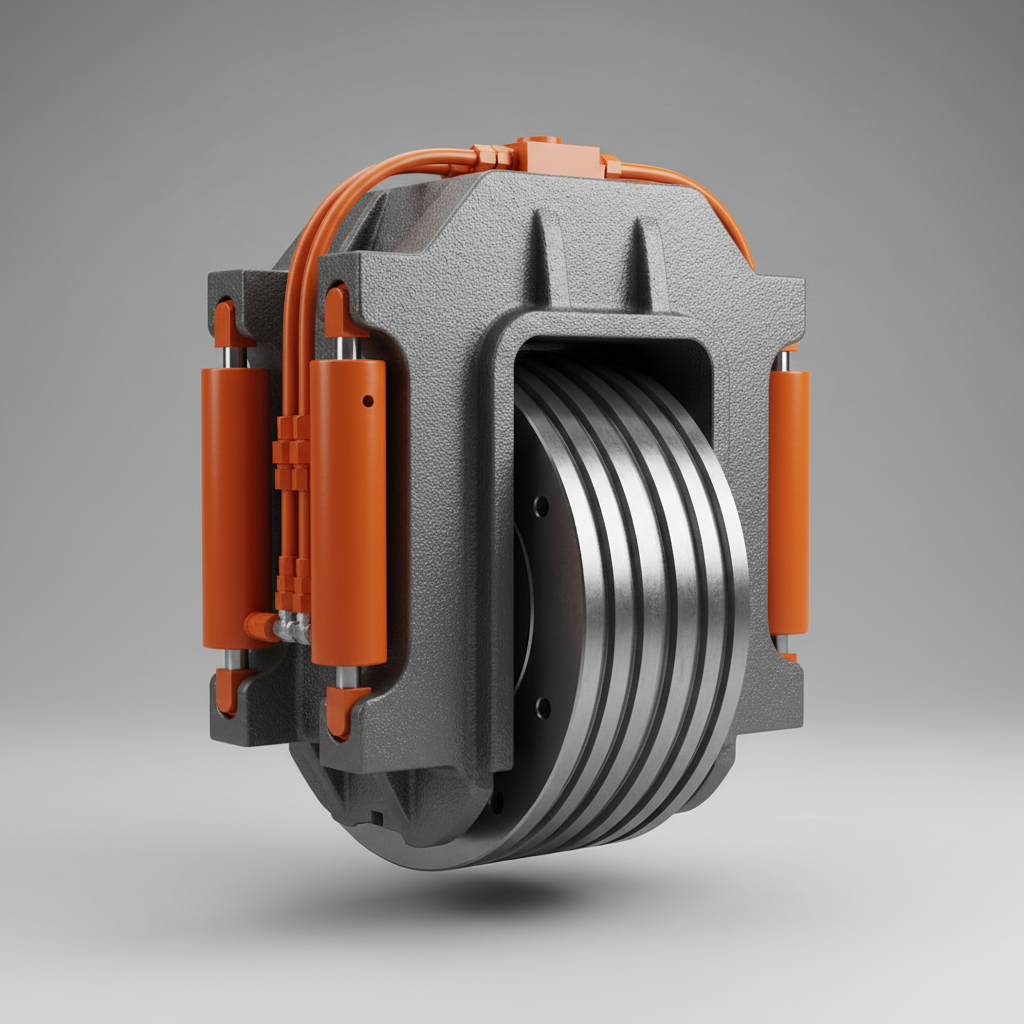
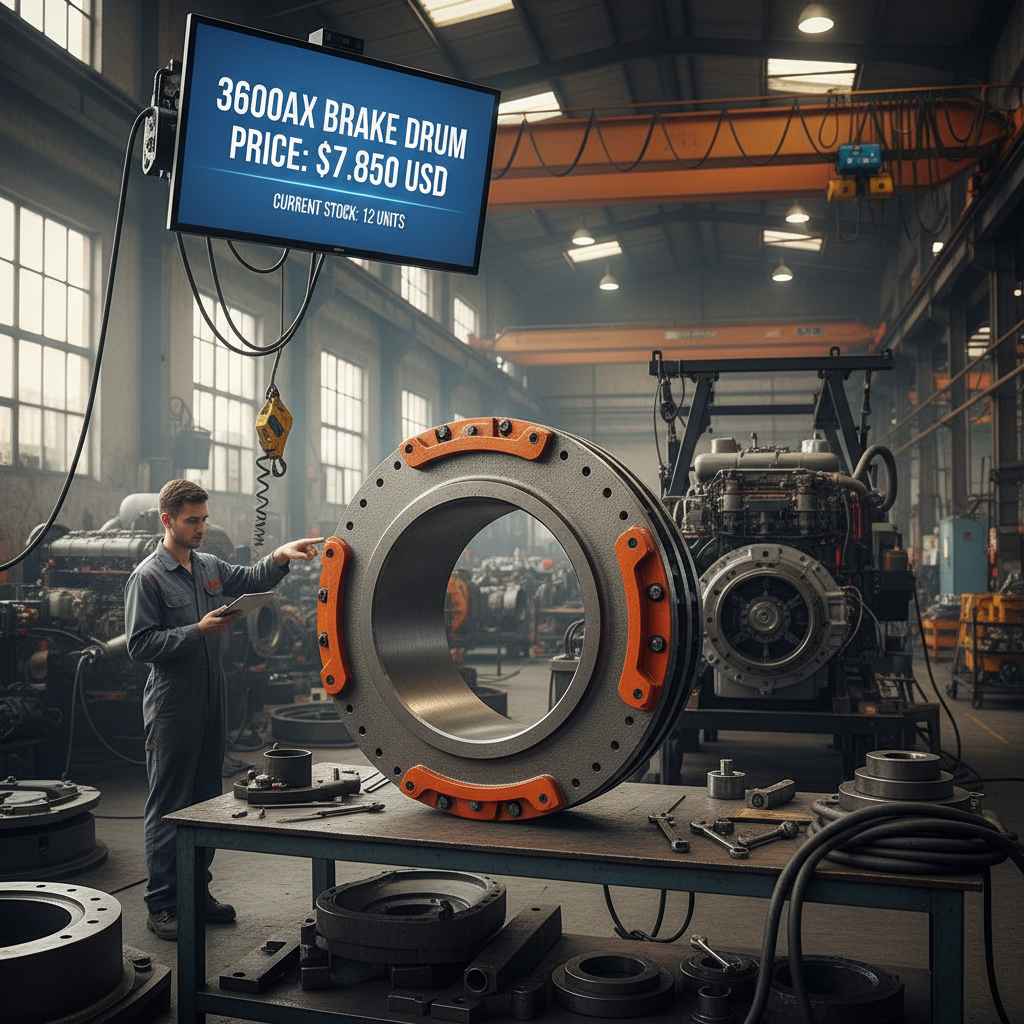
Custom brake drums are essential components in a vast array of machinery and vehicles, playing a critical role in safety and operational efficiency. Their design and manufacturing require specialized expertise, making custom brake drums a key area of focus for industries ranging from automotive and aerospace to heavy machinery and specialized equipment. Understanding the nuances of custom brake drum production is paramount for ensuring optimal performance and reliability in these applications.
The global market for brake drums, including custom variations, is substantial and growing, driven by increasing vehicle production, infrastructure development, and the demand for enhanced safety features. According to market research reports, the brake drum market is expected to reach significant values in the coming years, with custom solutions representing a sizable and increasingly important segment. This demand necessitates a deeper understanding of the materials, manufacturing processes, and design considerations involved.
Investing in high-quality, custom brake drums provides long-term cost savings by reducing maintenance frequency and preventing catastrophic failures. Furthermore, tailored brake drum solutions allow for optimized braking performance, contributing to safer operation and extended equipment lifespan. Therefore, a focus on custom brake drums is not merely a technical choice, but a strategic investment in overall operational success and safety.
Introduction to Custom Brake Drums
Brake drums are a critical part of braking systems in numerous applications. However, standard brake drums often fall short when specific performance needs or operational environments demand more tailored solutions. This is where custom brake drums come into play, offering precision engineering and materials selection to optimize braking capabilities for unique situations.
These specialized components are designed and manufactured to meet exact specifications, ensuring compatibility and maximizing efficiency. From altering dimensions and materials to incorporating specialized coatings and cooling features, custom brake drums address specific challenges faced by industries relying on robust and reliable braking systems.
Defining Custom Brake Drums
Custom brake drums are braking system components manufactured to specifications that deviate from standard, off-the-shelf options. This customization can involve changes to dimensions, material composition, internal design, and surface treatments. The goal is to create a brake drum perfectly suited for a specific application's requirements, improving performance, longevity, and safety.
Unlike mass-produced brake drums designed for a broad range of vehicles or machinery, custom drums are engineered with the unique needs of a particular system in mind. This approach is particularly valuable in sectors requiring high precision, heavy loads, or extreme operating conditions, where even minor deviations can significantly impact performance.
The design and production of custom brake drums often require close collaboration between engineers, manufacturers, and end-users to ensure the final product precisely meets the intended application's demands. This collaborative approach is vital for achieving optimal braking performance and reliability.
Core Components of Custom Brake Drum Design
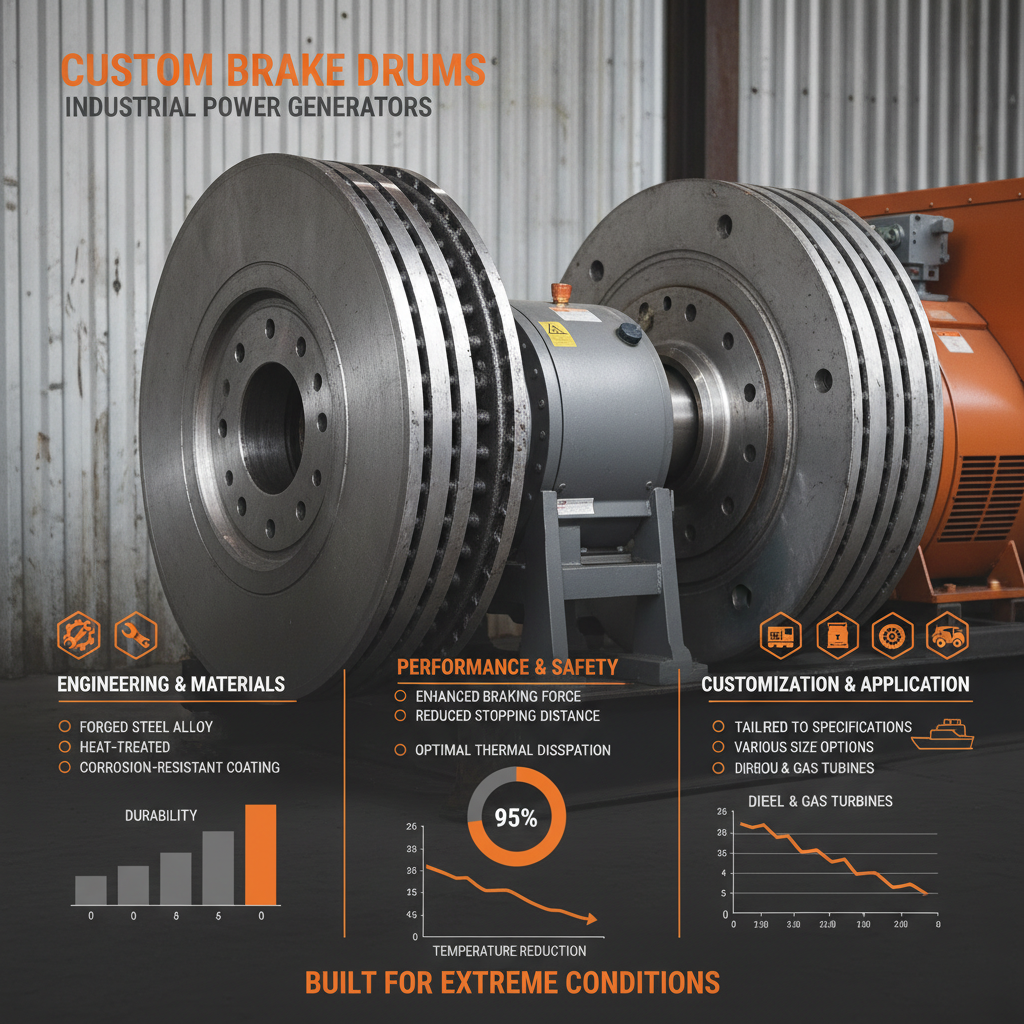
The foundation of effective custom brake drum design rests on careful consideration of several key components. Material selection is paramount; common materials include cast iron, steel, and composite materials, each offering unique strengths and weaknesses regarding heat dissipation, wear resistance, and cost. Choosing the right material is crucial for ensuring optimal performance and longevity.
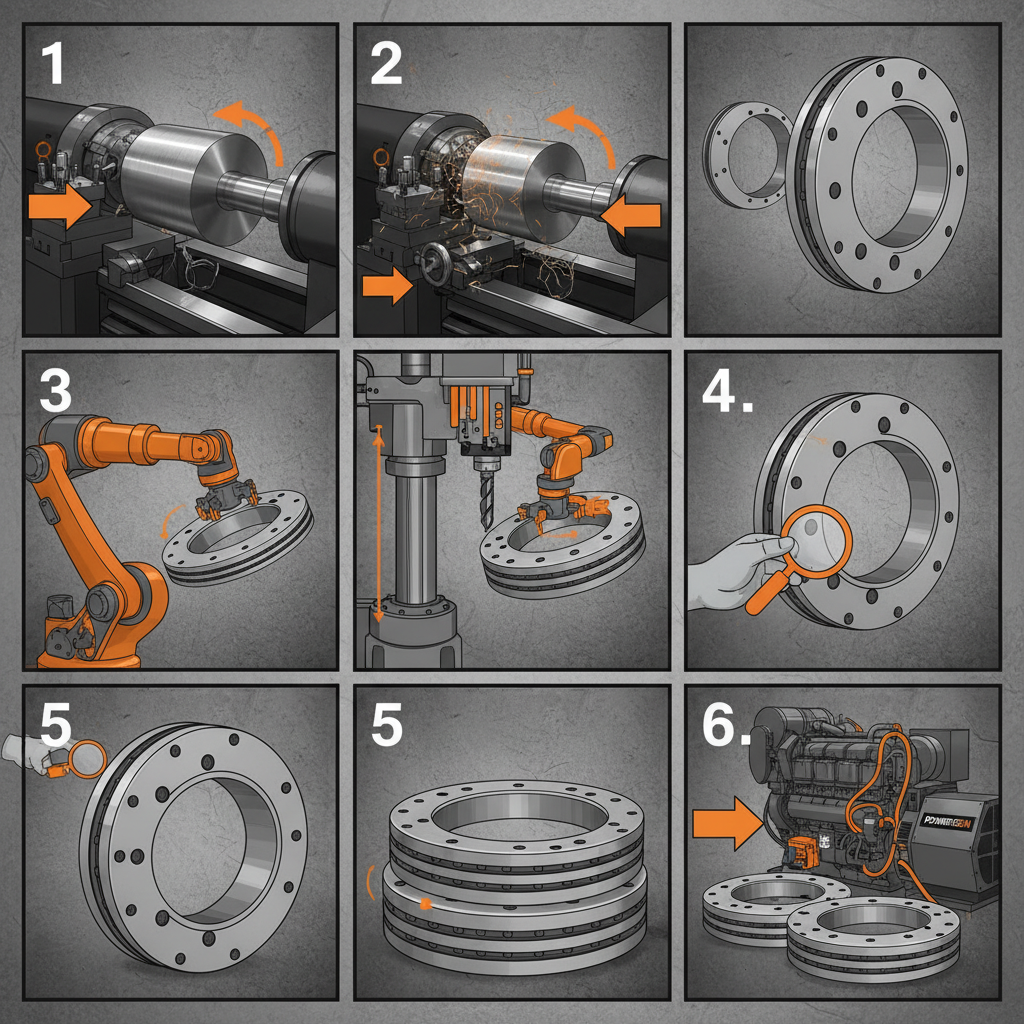
Dimensional precision is another critical factor. Custom brake drums must be manufactured to extremely tight tolerances to ensure proper fit and function within the braking system. This requires advanced machining techniques and rigorous quality control measures. Any deviation from specified dimensions can lead to reduced braking performance or even system failure.
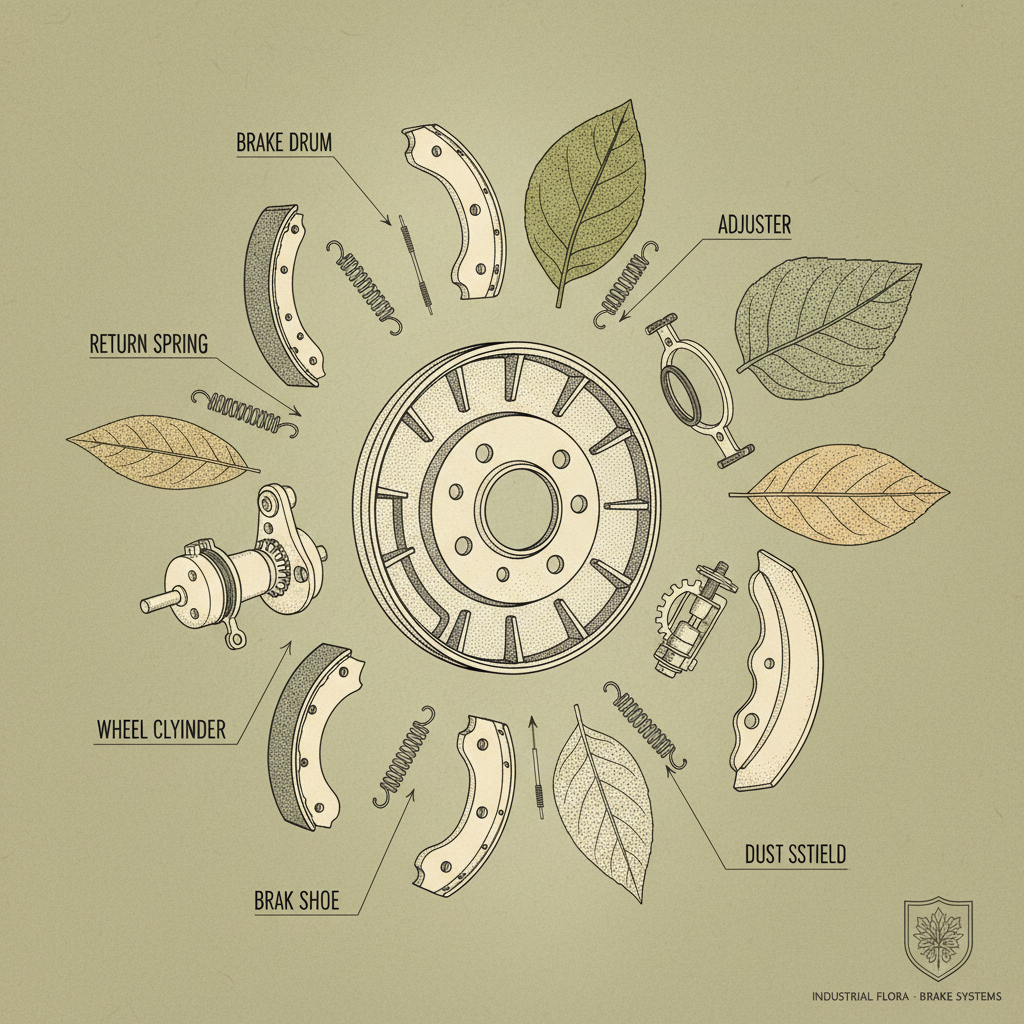
Furthermore, the internal design of the drum—including the presence of cooling fins, drum thickness, and surface finish—plays a crucial role in heat dissipation and wear characteristics. Optimizing these features for specific operating conditions is essential for maximizing the lifespan and reliability of the custom brake drum.
Key Performance Indicators for Custom Brake Drums
Evaluating the performance of custom brake drums requires a focus on several key performance indicators (KPIs). One critical metric is stopping distance, which reflects the drum's ability to effectively decelerate a vehicle or piece of machinery. Shorter stopping distances indicate superior braking performance and enhanced safety.
Another important KPI is fade resistance, measuring the drum’s ability to maintain its braking force under prolonged or repeated use. High fade resistance prevents overheating and ensures consistent performance even during demanding operations.
Custom Brake Drum Performance Metrics
Global Applications of Custom Brake Drums
Custom brake drums find applications across a diverse range of industries globally. In the automotive sector, they are utilized in high-performance vehicles, racing cars, and heavy-duty trucks where standard brake drums cannot meet the rigorous demands for stopping power and heat dissipation.
The aerospace industry relies heavily on custom brake drums for aircraft landing gear, requiring exceptional reliability and performance under extreme conditions. Similarly, the railway sector employs custom drums in locomotives and railcars to ensure safe and efficient train operation.
The Advantages of Investing in Custom Brake Drums
Investing in custom brake drums offers several significant advantages over relying on standard components. Firstly, they provide optimized performance tailored to the specific application, leading to improved safety and efficiency. Secondly, custom drums can extend the lifespan of braking systems by reducing wear and tear on other components.
Furthermore, custom brake drums can minimize downtime and maintenance costs by reducing the frequency of repairs and replacements. The precision engineering and high-quality materials used in their construction contribute to long-term reliability and reduced total cost of ownership.
Beyond the tangible benefits, choosing custom brake drums demonstrates a commitment to safety, quality, and innovation, enhancing brand reputation and building trust with customers.
Future Trends and Innovations in Custom Brake Drums
The future of custom brake drums is poised for significant advancements, driven by innovations in materials science, manufacturing processes, and digital technologies. The development of new composite materials with enhanced heat dissipation and wear resistance promises to further improve performance and longevity.
Additive manufacturing (3D printing) is emerging as a viable method for producing complex custom brake drum designs with greater efficiency and precision. This technology allows for the creation of lightweight, optimized structures that were previously impossible to manufacture using conventional methods.
The integration of sensors and data analytics into custom brake drums will enable real-time monitoring of performance parameters, predictive maintenance, and optimized braking control. These smart brake drums will contribute to increased safety, efficiency, and reduced operational costs.
Key Factors influencing the adoption of advanced Custom Brake Drum technologies
| Material Composition |
Manufacturing Process |
Performance Metrics |
Cost Analysis |
| Carbon Ceramic |
Additive Manufacturing |
Fade Resistance: 9/10 |
High Initial Cost |
| High-Strength Steel Alloy |
Precision Casting |
Wear Resistance: 8/10 |
Moderate Cost |
| Composite Matrix |
Automated Machining |
Weight Reduction: 7/10 |
Medium Initial Cost |
| Cast Iron (Enhanced) |
Traditional Casting |
Heat Dissipation: 6/10 |
Low Cost |
| Aluminum Matrix Composite |
Powder Metallurgy |
Corrosion Resistance: 8/10 |
High Performance Cost |
| Advanced Steel Polymer Blend |
Injection Molding |
Durability: 7/10 |
Cost-Effective |
FAQS
Lead times for custom brake drums vary depending on the complexity of the design, material availability, and current production schedules. However, a typical lead time ranges from 6 to 12 weeks. We strive to provide accurate lead time estimates during the initial consultation phase, and we prioritize communication to keep clients informed throughout the production process.
Common materials include cast iron, various grades of steel (including stainless steel), and composite materials like carbon ceramic. The best material depends on the specific application and performance requirements. Cast iron is cost-effective and provides good heat capacity, while steel offers higher strength and durability. Carbon ceramic provides exceptional heat dissipation and reduced weight, often used in high-performance applications.
We offer comprehensive design support, from initial concept and feasibility studies to detailed engineering drawings and simulations. Our experienced engineers work closely with clients to understand their specific needs and develop customized solutions. We can also assist with material selection, tolerance analysis, and performance optimization.
We adhere to strict quality control standards throughout the entire manufacturing process. This includes rigorous material inspection, dimensional verification, non-destructive testing (NDT), and final performance testing. All custom brake drums are inspected and certified to meet or exceed industry standards and client specifications. We maintain detailed documentation for traceability and accountability.
Yes, we specialize in manufacturing custom brake drums for a wide range of specialized and unusual applications. We have experience working with diverse industries and challenging requirements. Our team is adept at adapting our manufacturing processes to accommodate unique designs, materials, and performance criteria.
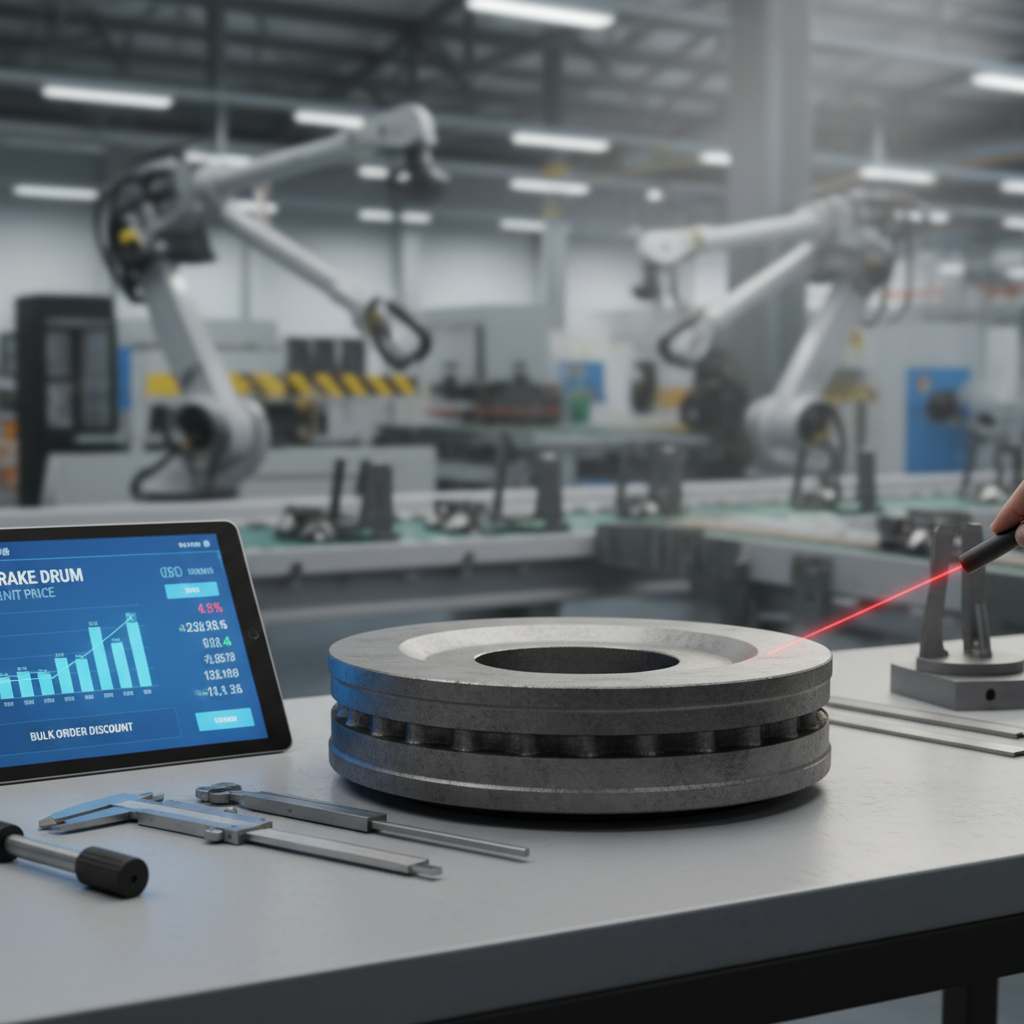
The minimum order quantity (MOQ) for custom brake drums depends on the complexity of the design and the manufacturing process. While we can accommodate smaller orders for prototyping or specialized applications, larger volume orders typically result in more cost-effective pricing. We will assess each project individually and provide a customized quote based on the specific requirements.
Conclusion
Custom brake drums represent a critical component in ensuring safety, reliability, and optimal performance across a vast array of industries. From automotive and aerospace to heavy machinery and specialized equipment, the ability to tailor braking systems to specific needs provides a significant competitive advantage. The adoption of advanced materials, innovative manufacturing processes, and data-driven insights will continue to drive advancements in the field, further enhancing the capabilities of custom brake drum solutions.
Looking ahead, the future of custom brake drums lies in embracing sustainable practices, integrating smart technologies, and fostering collaborative partnerships. By prioritizing innovation, quality, and customer satisfaction, we can unlock the full potential of these essential components and contribute to a safer and more efficient world. Visit our website to learn more about our custom brake drum solutions.