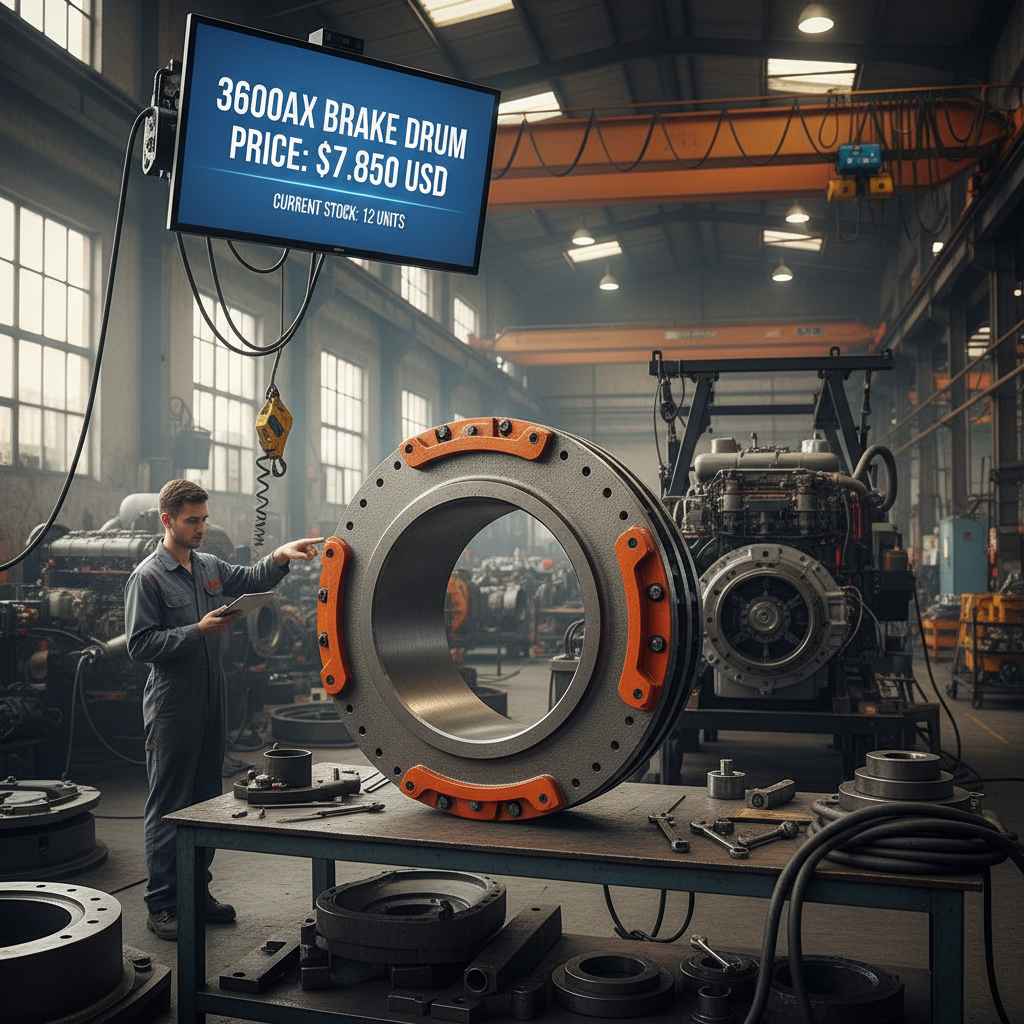
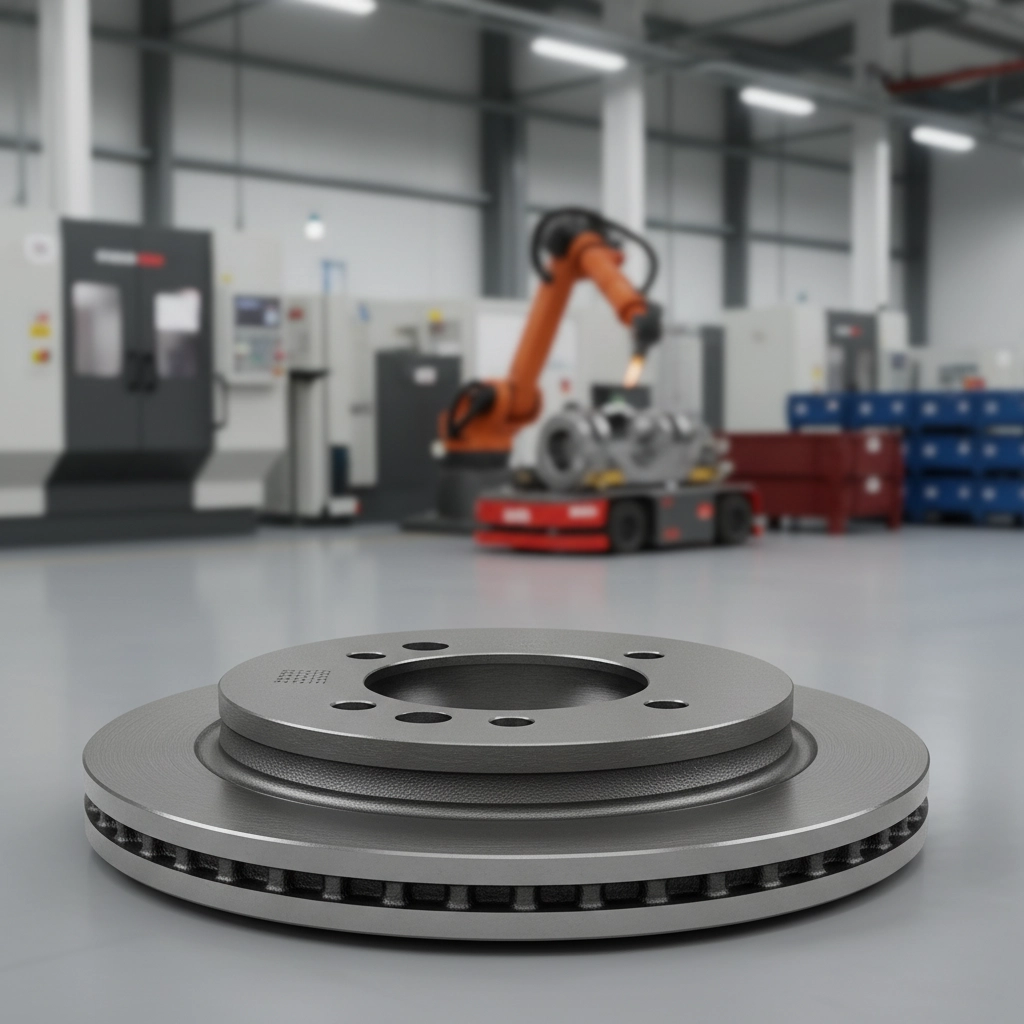
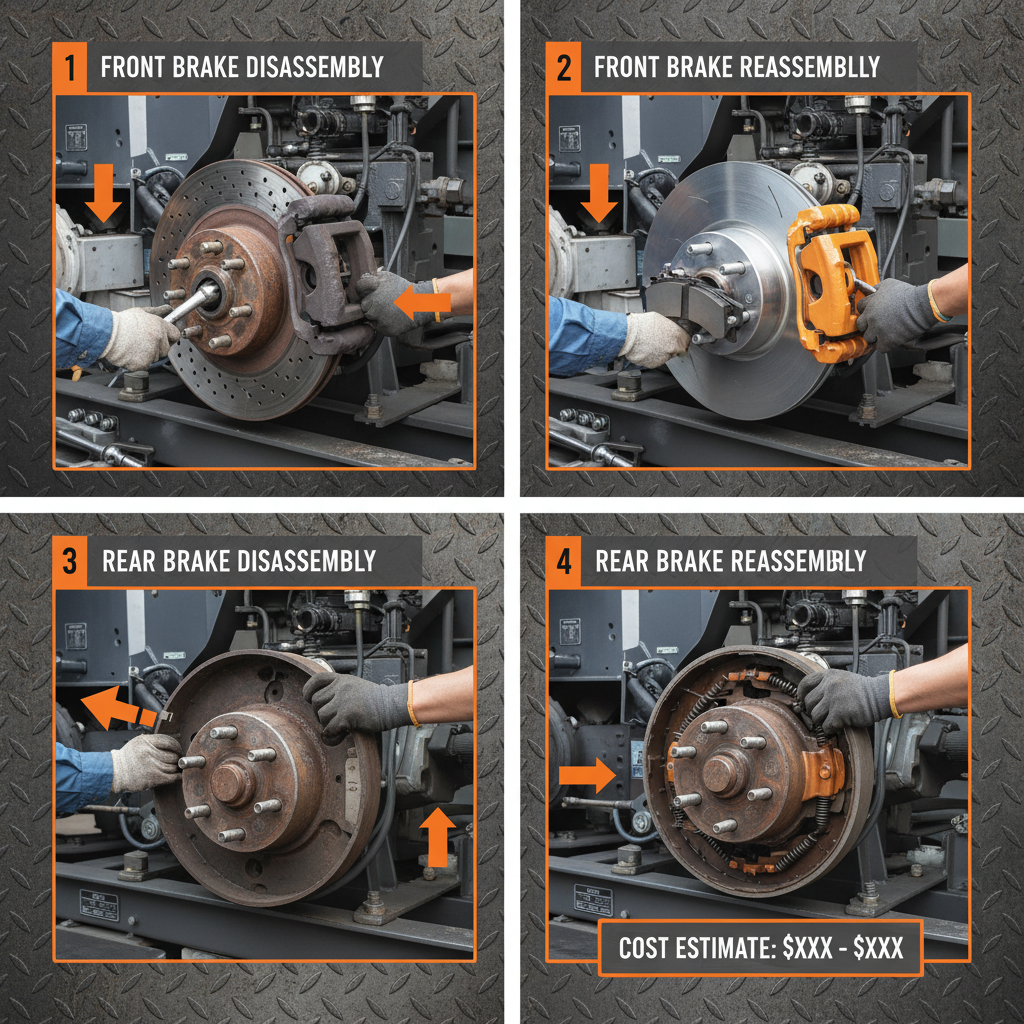
When managing a fleet of heavy-duty vehicles, understanding the nuances of the 3600ax brake drum price is more than just a procurement task; it is a critical decision impacting operational safety and long-term maintenance budgets. The brake drum serves as the primary friction surface for braking systems in heavy axles, and the variance in pricing often reflects the divergence in material purity, heat dissipation capabilities, and casting precision.
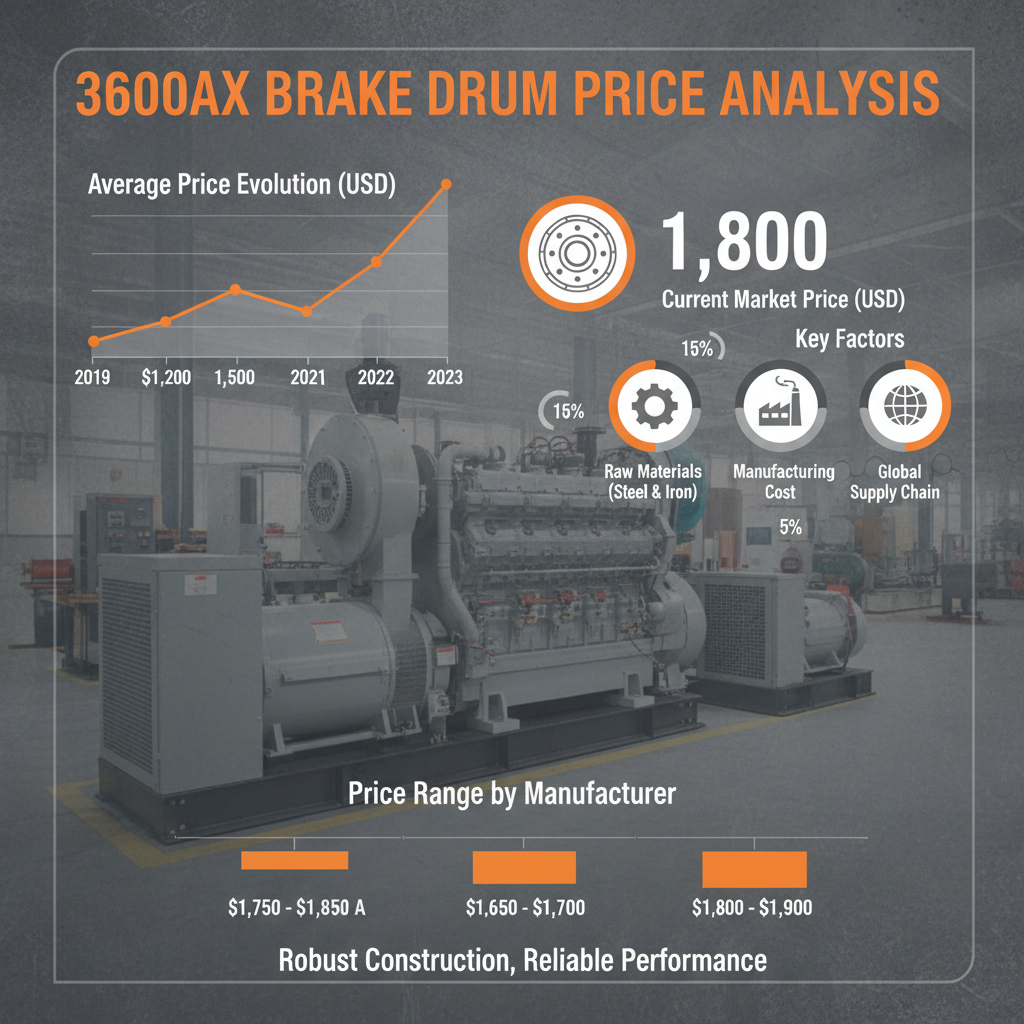
Globally, the demand for high-performance braking components has surged as logistics networks expand and load capacities increase. The 3600ax brake drum price is influenced by global raw material fluctuations, particularly grey iron and alloy steel, as well as the manufacturing standards applied during the machining process to ensure perfect concentricity.
For fleet managers and procurement officers, balancing the initial investment with the total cost of ownership is key. While a lower 3600ax brake drum price might seem attractive in the short term, the long-term value is found in components that resist thermal cracking and wear, thereby reducing downtime and enhancing vehicle safety across diverse terrains.
Understanding the Global Market for 3600ax Brake Drum Price
The global automotive parts supply chain is currently experiencing a shift toward specialized, high-durability components. The 3600ax brake drum price is a reflection of this trend, as manufacturers transition from generic casting to precision-engineered alloys that can withstand extreme braking temperatures without warping.
In regions like Southeast Asia and Africa, where infrastructure may be challenging, the demand for robust 3600ax drums is high. Here, the pricing is often balanced against the logistical cost of replacements, making the "cost-per-kilometer" a more relevant metric than the initial purchase price.
Technical Definitions and the Value of 3600ax Brake Drums
In technical terms, a 3600ax brake drum is a heavy-duty cylindrical component that houses the brake shoes. When the brakes are applied, the shoes press against the inner surface of the drum to create friction, converting kinetic energy into heat to stop the vehicle. The 3600ax brake drum price essentially pays for the quality of the metallurgy and the precision of the inner diameter machining.
The value of these components extends beyond simple stopping power. High-grade 3600ax drums are designed to resist "brake fade"—the loss of stopping power caused by overheating. For industrial haulers, this technical reliability is non-negotiable, as it directly impacts the safety of the driver and the surrounding traffic.
Modern industry requirements now dictate that brake drums must meet strict ISO standards for hardness and wear resistance. Consequently, the 3600ax brake drum price often correlates with the certification level of the manufacturer, ensuring that the part can handle the massive torque associated with heavy-axle loads.
Key Factors Influencing 3600ax Brake Drum Price
Material composition is the primary driver of the 3600ax brake drum price. Most drums are made from grey cast iron due to its excellent thermal conductivity and dampening properties, but the addition of chromium or nickel to enhance wear resistance will naturally increase the cost.
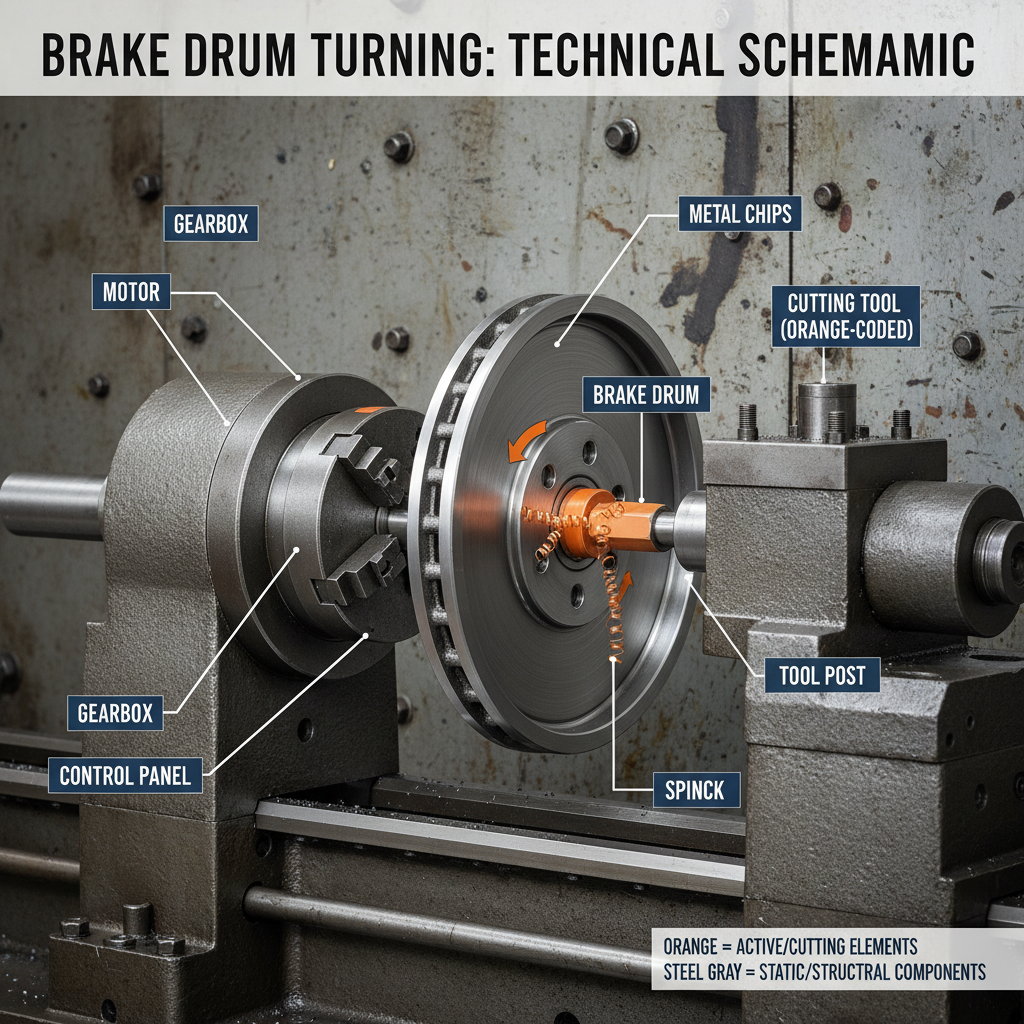
Manufacturing precision also plays a significant role. Low-cost options may suffer from slight imbalances, leading to brake chatter or uneven wear. Premium pricing for a 3600ax brake drum typically includes CNC precision machining and dynamic balancing, which ensures a smoother ride and longer life for the brake shoes.
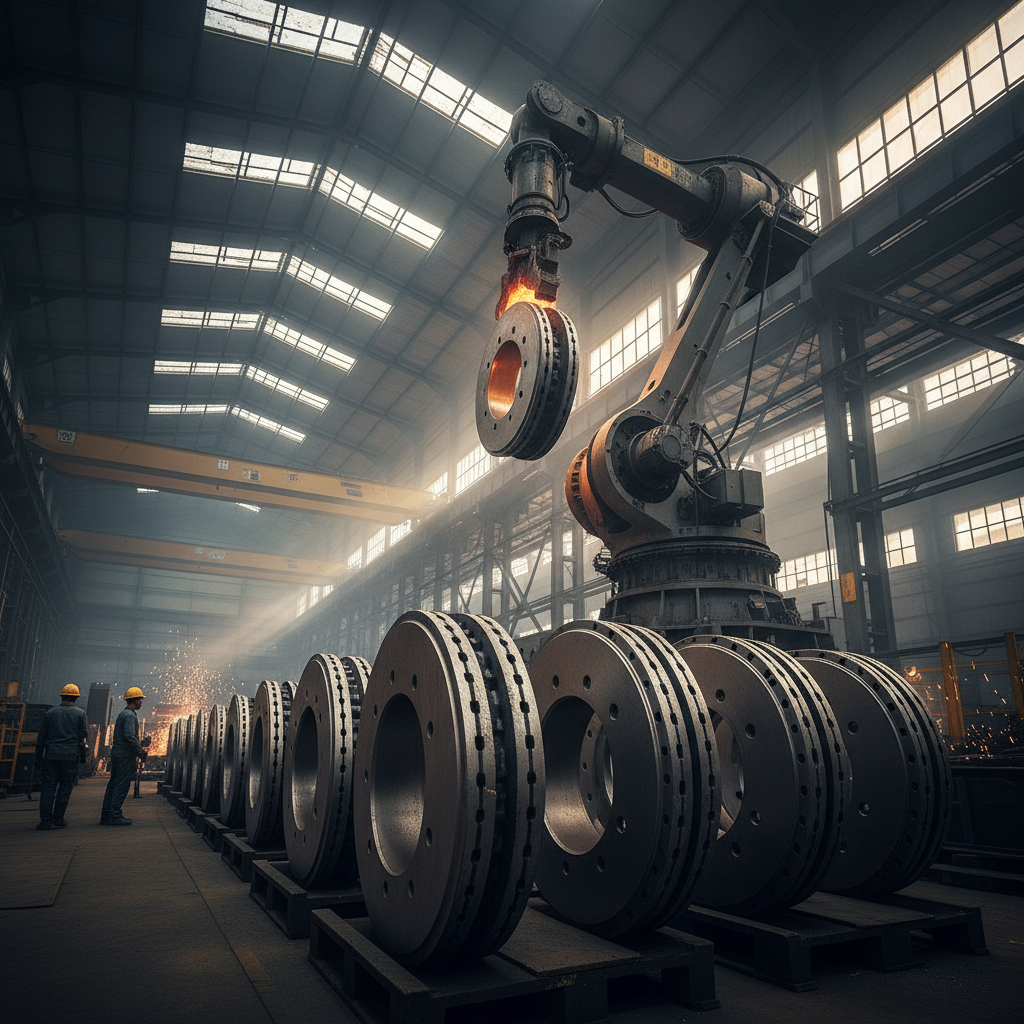
Finally, the scale of production and supply chain efficiency affects the final 3600ax brake drum price. Direct-from-factory procurement usually offers a competitive edge over distributor pricing, provided the quality control standards are transparent and verified.
Cost-Efficiency and Performance Metrics
When evaluating the 3600ax brake drum price, it is essential to look at the efficiency ratio. A drum that costs 20% more but lasts 50% longer in high-load environments provides a much higher return on investment (ROI) by reducing the frequency of vehicle downtime.
Performance metrics such as thermal dissipation rates and surface hardness determine the lifecycle of the component. High-performance drums maintain their structural integrity under extreme heat, preventing the "ovalling" effect that can plague cheaper alternatives.
Comparison of 3600ax Brake Drum Price vs. Performance
Global Applications and Industrial Use Cases
The application of the 3600ax brake drum is widespread across the logistics and mining sectors. In remote industrial zones, such as the mining belts of Australia or Brazil, the 3600ax brake drum price is often considered secondary to the availability of reinforced parts that can handle constant downhill hauling of heavy ores.
Similarly, in large-scale urban delivery fleets in Europe and North America, the focus shifts toward sustainability and noise reduction. Here, the pricing reflects a demand for drums with advanced coatings that reduce brake dust and wear, contributing to stricter environmental compliance.
Long-Term Value and Safety Advantages
Investing in a high-quality 3600ax brake drum price offers tangible safety benefits. The primary advantage is the reduction of catastrophic brake failure. A drum with consistent wall thickness and high-grade iron prevents the risk of cracking under emergency braking scenarios.
From a financial perspective, the long-term value is realized through extended service intervals. When a drum is engineered for longevity, the labor costs associated with frequent replacements are virtually eliminated, allowing fleet operators to maintain a higher vehicle uptime.
Beyond the logic of cost, there is an emotional component: trust. Drivers feel more secure knowing their braking system is comprised of premium components. This trust leads to better driving behavior and reduced accident rates, which significantly lowers insurance premiums for the company.
Future Innovations and the Evolution of Pricing
The future of the 3600ax brake drum price will be shaped by the adoption of "smart" materials and composite casting. We are seeing the emergence of ceramic-infused iron, which offers superior heat resistance and lower weight, although this will likely push the initial price point higher.
Digital transformation is also playing a role. With the integration of wear-sensors, the industry is moving toward predictive maintenance. This means the 3600ax brake drum price might eventually be bundled with software subscriptions that alert managers exactly when a part needs replacement, optimizing the replacement cycle.
Furthermore, the push for "green manufacturing" is introducing recycled iron processes that maintain structural integrity while reducing the carbon footprint. This sustainability drive is becoming a key pricing factor for corporations aiming for Net Zero emissions.
Comparison of 3600ax Brake Drum Price and Material Specifications
|
Material Grade
|
Price Range (Relative)
|
Wear Resistance Score
|
Expected Lifespan
|
| Standard Grey Iron |
Economy |
6/10 |
12-18 Months |
| Alloyed Cast Iron |
Moderate |
8/10 |
24-30 Months |
| Chrome-Plated Iron |
High |
9/10 |
36+ Months |
| High-Carbon Alloy |
Premium |
9.5/10 |
40+ Months |
| Composite Hybrid |
Very High |
10/10 |
48+ Months |
| Recycled Green-Iron |
Competitive |
7.5/10 |
20-24 Months |
FAQS
The most significant factors include the grade of cast iron used, the precision of the CNC machining process, and the volume of the order. Premium materials like chromium-alloyed iron increase the 3600ax brake drum price but offer far superior heat resistance and a longer operational lifespan.
Not always, but it requires caution. "Budget" drums may be suitable for light-duty vehicles with low mileage. However, for heavy-duty industrial applications, a very low 3600ax brake drum price often indicates poor casting quality or inconsistent wall thickness, which can lead to premature failure or safety risks.
Calculate the "Cost per Kilometer." Divide the 3600ax brake drum price by the expected mileage before replacement. Often, a premium drum with a higher initial cost has a lower cost-per-km due to its extended life and reduced labor costs for installation.
Generally, yes, because OEM prices include brand premiums and strict factory guarantees. However, high-quality aftermarket manufacturers often provide a similar 3600ax brake drum price with comparable or even superior materials, offering a great balance between cost and quality.
Yes, switching from standard grey iron to a high-carbon alloy can increase the price by 15-30%. However, this investment is typically justified in heavy-haulage environments where thermal stress is extreme and drum longevity is critical.
Since brake drums are heavy, shipping costs are substantial. Procurement from a local distributor may increase the unit 3600ax brake drum price, but bulk importing directly from a manufacturer can lower the cost per unit if the logistics are managed efficiently.
Conclusion
In summary, the 3600ax brake drum price is a complex metric that balances material science, manufacturing precision, and operational requirements. From the essential role of grey iron to the cutting-edge potential of composite materials, the choice of a brake drum directly influences both the safety of the vehicle and the profitability of the fleet. Understanding that a higher initial investment often leads to lower long-term operational costs is the key to sustainable fleet management.
Looking forward, as the automotive industry pivots toward smarter, greener technologies, we can expect the 3600ax brake drum market to evolve toward predictive maintenance and sustainable metallurgy. For businesses seeking the optimal balance of performance and cost, we recommend partnering with manufacturers who offer transparent quality certifications and competitive bulk pricing. Visit our website for more information: www.hbncbrakedrum.com