Brake drum turning is a critical machining process used to restore the braking surface of vehicle brake drums, ensuring optimal performance and safety. Globally, the automotive industry's reliance on effective braking systems makes this process fundamental to vehicle maintenance and accident prevention. The increasing demand for vehicle safety, coupled with the growing vehicle parc worldwide, especially in emerging economies, drives the need for efficient and reliable brake drum turning services.
The significance of brake drum turning extends beyond just passenger vehicles. It plays a vital role in maintaining the operational efficiency of commercial vehicles – trucks, buses, and heavy machinery – where braking systems are subjected to higher loads and more frequent use. Addressing wear and tear on brake drums through turning extends component lifespan, reduces the frequency of replacements, and ultimately lowers operational costs for fleet owners.
Understanding brake drum turning is essential for automotive technicians, fleet managers, and anyone involved in vehicle maintenance and repair. Mastery of this process contributes to improved road safety, reduced maintenance expenses, and enhanced overall vehicle performance. Moreover, advancements in turning technology are moving towards greater precision and efficiency, impacting workshop productivity and reducing waste.
The Importance of Brake Drum Turning
Brake drum turning directly impacts braking efficiency and vehicle safety. Over time, brake drums can develop scoring, uneven wear, and corrosion, reducing the contact area between the brake shoes and the drum surface. This leads to increased stopping distances, reduced braking power, and potentially dangerous driving conditions. Regularly turning the drums restores a smooth, even surface, optimizing brake performance.
Furthermore, neglecting brake drum turning can lead to premature wear of brake shoes, increasing the frequency of brake component replacements and escalating maintenance costs. Proactive turning not only maintains braking safety but also contributes to overall cost-effectiveness in vehicle maintenance.
Definition and Core Principles
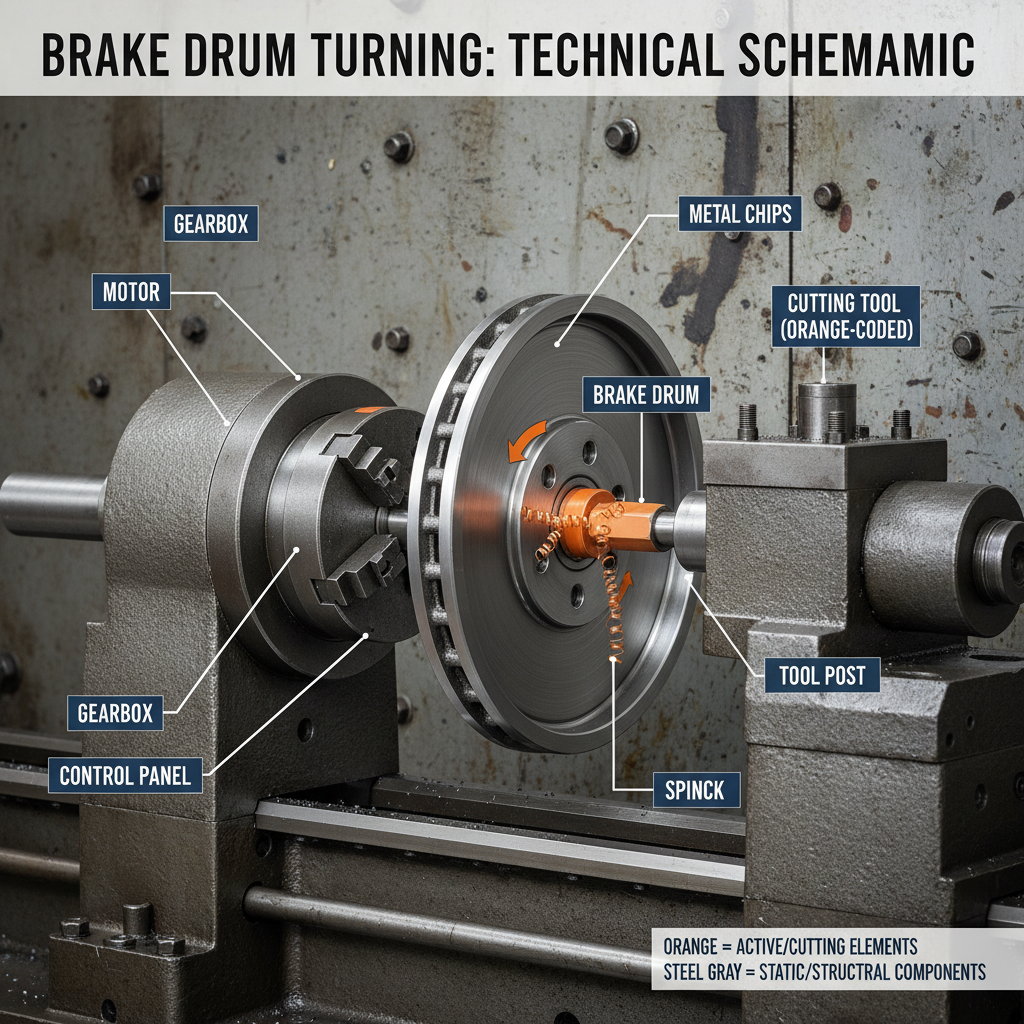
Brake drum turning, also known as brake drum resurfacing, is the machining process of removing a thin layer of metal from the inner surface of a brake drum. This is done using a specialized lathe to create a perfectly cylindrical and smooth braking surface. The objective is to eliminate imperfections like scoring, warping, and uneven wear that have developed during use.
The core principle behind brake drum turning is to restore the original dimensions and surface finish of the drum, ensuring optimal contact between the brake shoes and the drum. This maximizes the friction coefficient, resulting in effective braking performance. Precision is paramount; excessive material removal can weaken the drum, while insufficient removal won't address the underlying issues.
In modern industry, brake drum turning reflects a commitment to preventative maintenance and component refurbishment. It aligns with sustainable practices by extending the lifespan of existing parts, reducing waste, and lowering the demand for new manufacturing. The process is directly connected to ensuring the safety and reliability of transportation systems globally.
Key Factors Influencing Brake Drum Turning Quality
Achieving high-quality brake drum turning relies on several key factors. Firstly, the rigidity and precision of the lathe used are critical. A stable machine minimizes vibrations and ensures accurate material removal. Secondly, the selection of the cutting tool – typically a single-point cutting tool made of carbide or high-speed steel – significantly impacts the surface finish and cutting rate.
The operator's skill and experience play a vital role. Proper setup, feed rate control, and depth of cut adjustments are essential to achieve the desired surface finish and maintain drum integrity. Furthermore, the coolant used during the turning process is critical for dissipating heat, lubricating the cutting tool, and flushing away metal chips.
Finally, thorough inspection of the brake drum before and after turning is crucial. This includes measuring drum diameter, checking for cracks or excessive wear, and verifying the surface finish to ensure it meets specified tolerances. Ignoring these factors can compromise braking performance and potentially lead to failure.
Practical Applications Across Industries
Brake drum turning finds application across a wide spectrum of industries. The automotive sector represents the largest segment, encompassing passenger vehicles, light trucks, and motorcycles. However, its importance extends to commercial vehicle fleets, including trucking companies, bus operators, and logistics providers.
The railway industry also relies heavily on brake drum turning for maintaining the braking systems of locomotives and railcars. Ensuring the smooth operation of these systems is critical for safe and efficient rail transportation. Agricultural and construction equipment, with their demanding operating conditions, require frequent brake drum maintenance, including turning.
In remote industrial zones, where access to replacement parts may be limited, brake drum turning offers a cost-effective and reliable solution for extending the life of critical braking components. It minimizes downtime and ensures continued operational efficiency in challenging environments.
Brake Drum Turning Efficiency by Method
Advantages of Regular Brake Drum Turning
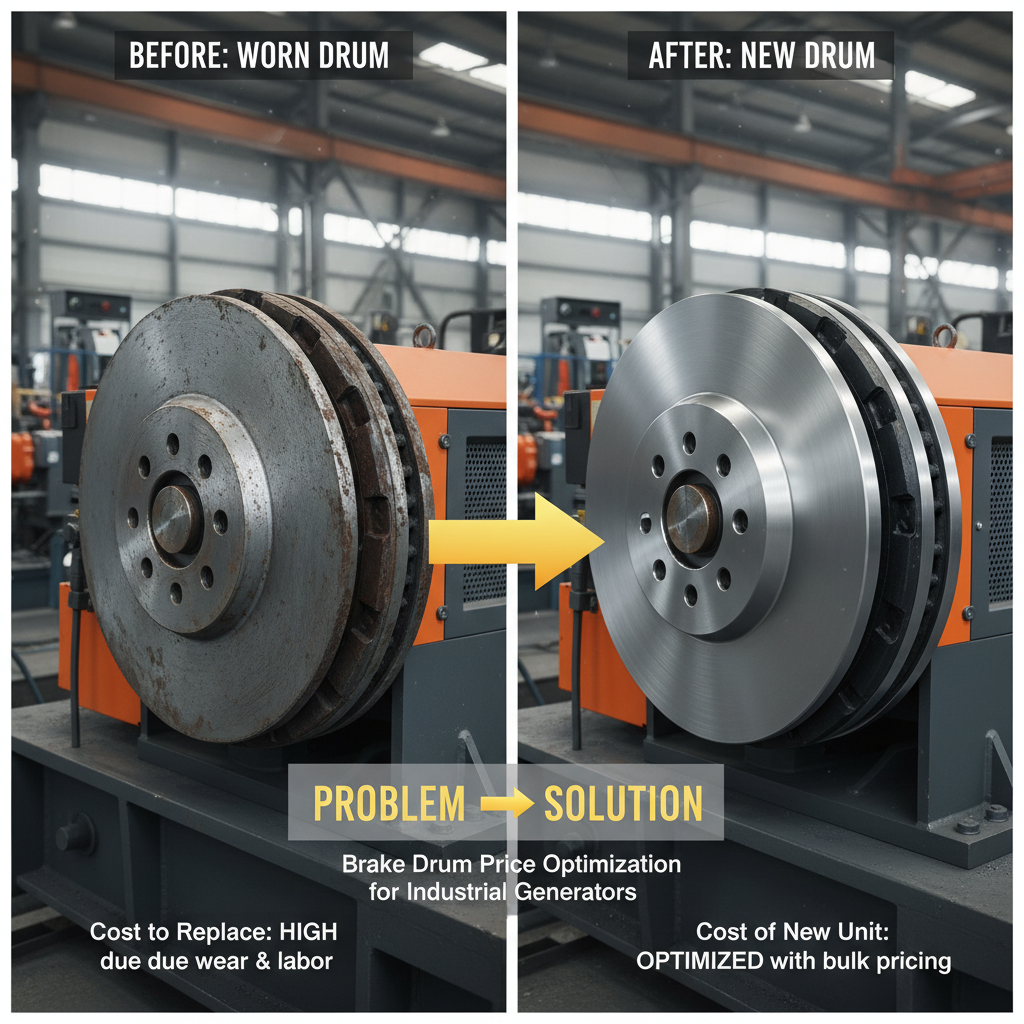
Regular brake drum turning offers several tangible benefits. Cost savings are significant, as turning extends the life of brake drums and reduces the need for expensive replacements. Improved braking performance directly enhances vehicle safety, lowering the risk of accidents.
Sustainability is another key advantage. By refurbishing existing components, brake drum turning reduces waste and minimizes the environmental impact associated with manufacturing new parts. This aligns with growing industry trends towards circular economy principles.
Future Trends in Brake Drum Turning Technology
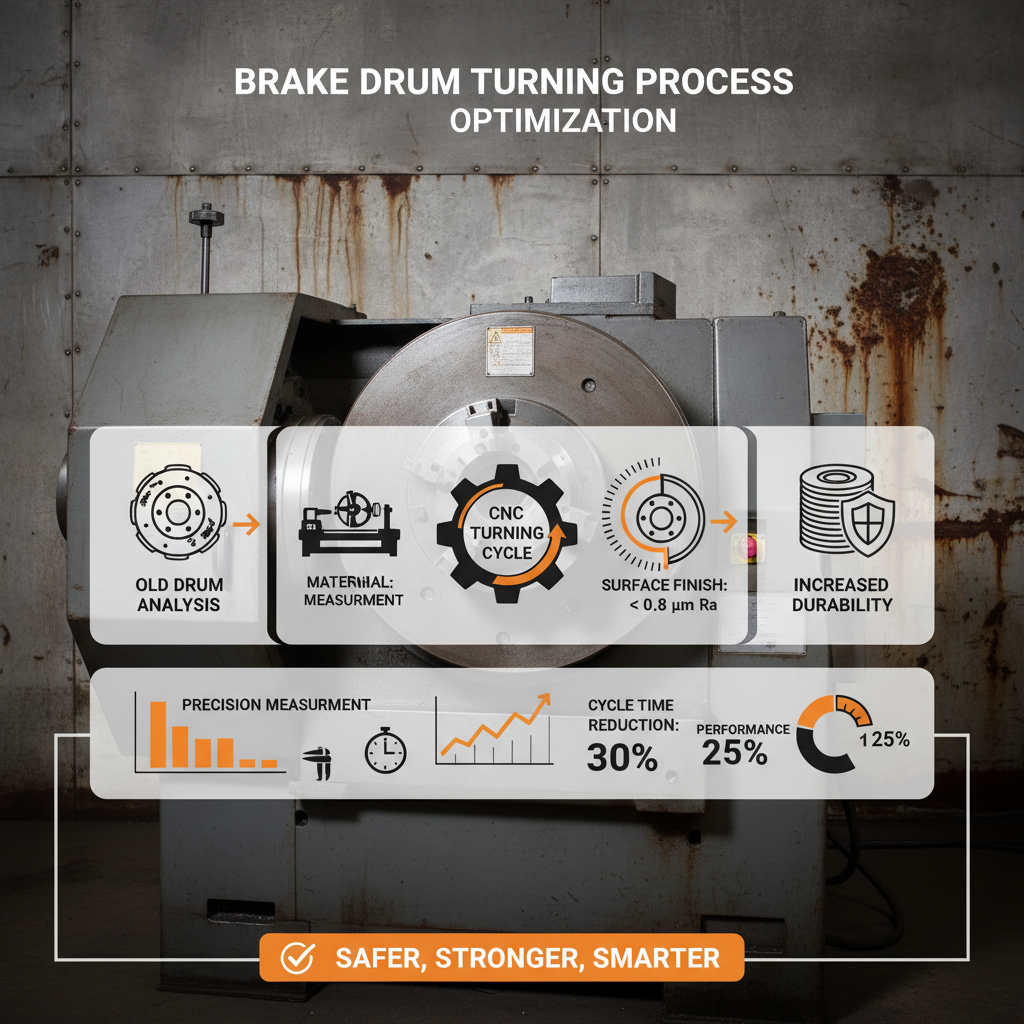
The future of brake drum turning is poised for significant advancements. CNC (Computer Numerical Control) technology is becoming increasingly prevalent, offering greater precision, automation, and consistency in the turning process. This leads to improved surface finishes and reduced operator error.
The integration of advanced sensors and data analytics is also emerging. These technologies allow for real-time monitoring of drum wear, automated adjustment of cutting parameters, and predictive maintenance scheduling, further optimizing the process and extending component lifespan.
Furthermore, research into new cutting tool materials and coatings is ongoing, aimed at enhancing tool life, reducing friction, and improving surface finish quality. These innovations promise to make brake drum turning even more efficient, cost-effective, and environmentally friendly.
Common Challenges and Innovative Solutions
Despite its benefits, brake drum turning faces certain challenges. One common issue is ensuring concentricity – maintaining perfect alignment between the drum and the lathe axis. Misalignment can lead to uneven material removal and vibrations. Innovative solutions include self-centering chucks and laser alignment systems.
Another challenge is dealing with severely worn or damaged drums. In such cases, excessive material removal may compromise the drum's structural integrity. Advanced machining strategies, such as step turning and multiple passes, can mitigate this risk.
Dust and chip management during turning is also a concern, posing health and safety risks. Implementing effective dust extraction systems and using appropriate personal protective equipment are crucial for creating a safe working environment.
Summary of Challenges and Solutions in Brake Drum Turning
| Challenge |
Impact on Turning Quality |
Proposed Solution |
Implementation Cost (1-10) |
| Concentricity Issues |
Uneven material removal, vibrations, poor surface finish |
Self-centering chucks, laser alignment systems |
7 |
| Severely Worn Drums |
Risk of compromising drum integrity, reduced lifespan |
Step turning, multiple passes, careful material removal |
5 |
| Dust and Chip Management |
Health and safety hazards, reduced visibility |
Dust extraction systems, personal protective equipment |
3 |
| Operator Skill Level |
Inconsistent surface finish, inaccurate measurements |
Comprehensive training programs, certification requirements |
6 |
| Tool Wear |
Reduced cutting efficiency, compromised surface finish |
Regular tool inspection, replacement, and sharpening |
4 |
| Coolant Effectiveness |
Overheating, reduced tool life, poor surface finish |
Optimized coolant selection, proper concentration, consistent flow |
5 |
FAQS
The frequency of brake drum turning depends on several factors, including driving conditions, vehicle usage, and the quality of the brake drums themselves. As a general guideline, brake drums should be inspected during routine brake service, typically every 25,000-50,000 miles. Turning is recommended if the drums exhibit scoring, uneven wear, or exceed the manufacturer’s specified thickness limits. Ignoring these signs can compromise braking performance and lead to more costly repairs.
Each brake drum has a minimum allowable thickness specified by the vehicle manufacturer, usually stamped on the drum itself. This specification is crucial for ensuring structural integrity and preventing catastrophic failure. Exceeding this limit compromises the drum's ability to dissipate heat and can lead to cracking or complete brake failure. Never continue using a brake drum that has reached its minimum thickness.
While brake drums can be turned multiple times, there's a limit. Each turning removes a layer of metal, reducing the drum's overall thickness. After several turns, the drum may reach its minimum allowable thickness, rendering it unusable. The number of times a drum can be turned safely depends on its initial thickness and the amount of material removed with each turning.
Several indicators suggest that brake drum turning is necessary. These include pulsating brake pedal feel, squealing or grinding noises during braking, reduced braking power, and visible scoring or ridges on the drum’s inner surface. If you experience any of these symptoms, it's essential to have your brakes inspected by a qualified technician.
Brake drum turning requires specialized equipment, technical expertise, and a thorough understanding of braking systems. It is generally not recommended as a DIY job. Improper turning can compromise brake performance and safety. It’s best left to qualified automotive technicians with the necessary tools and training.
The cost of brake drum turning varies depending on the location, shop, and vehicle type. Generally, it’s significantly less expensive than replacing the brake drums. Expect to pay between $50 and $150 per drum for turning, depending on local rates. Always get a quote from a reputable shop before proceeding.
Conclusion
In conclusion, brake drum turning is a vital maintenance process that significantly contributes to vehicle safety, cost-effectiveness, and sustainability. By restoring the braking surface of drums, it enhances braking performance, extends component life, and reduces waste. The precision and skill involved are paramount, highlighting the importance of qualified technicians and appropriate tooling.
Looking ahead, advancements in CNC technology, sensor integration, and materials science will continue to improve the efficiency and reliability of brake drum turning. Embracing these innovations will ensure that this essential process remains a cornerstone of vehicle maintenance and road safety for years to come. For expert brake drum turning services, visit our website: www.hbncbrakedrum.com