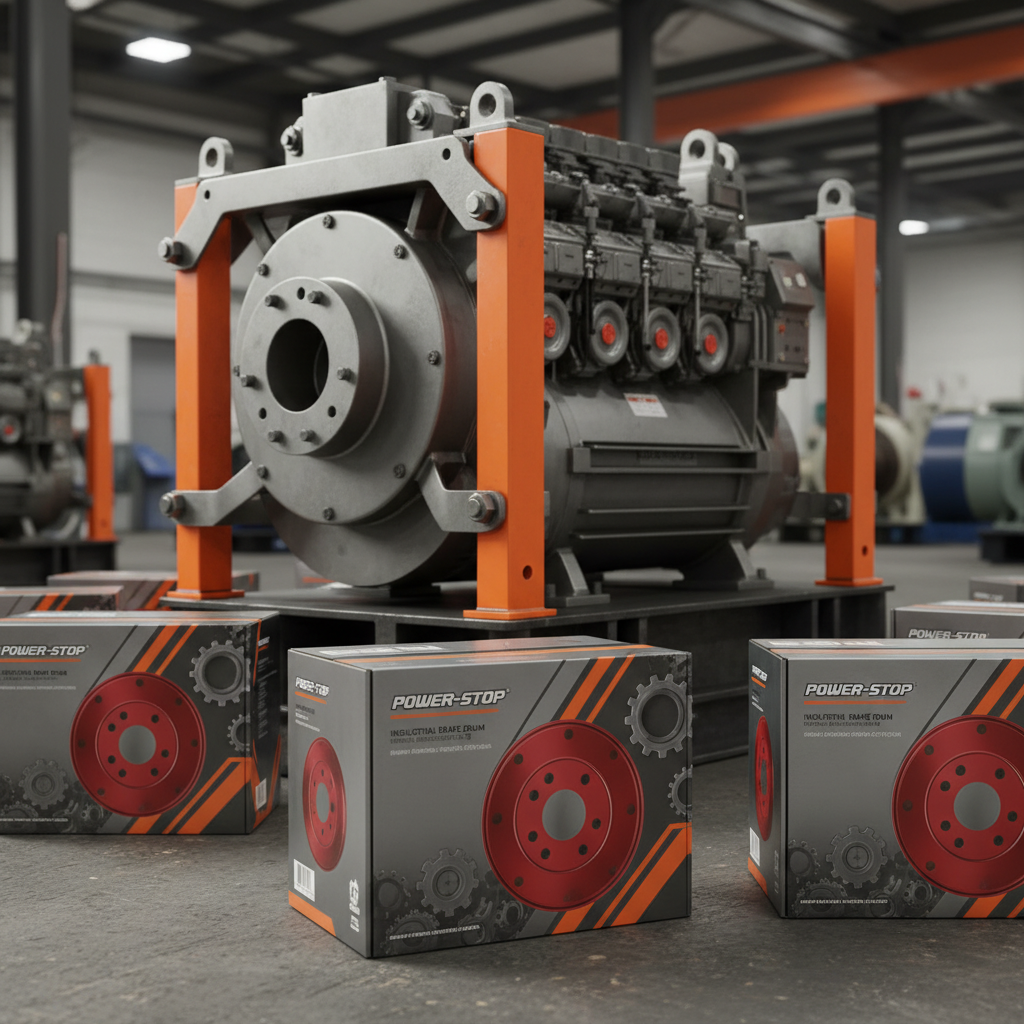
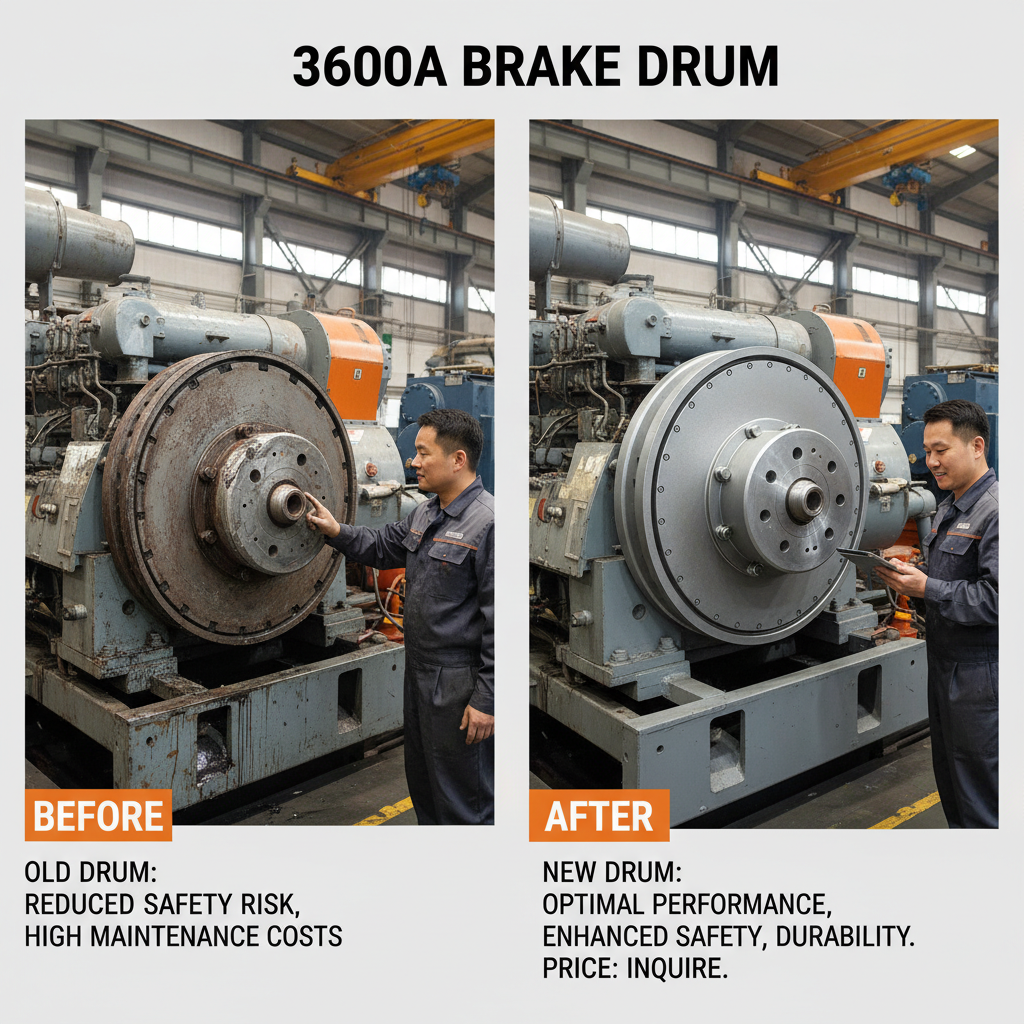
Understanding the fluctuations in brake drum price is essential for fleet managers, automotive distributors, and maintenance professionals who prioritize both safety and operational efficiency. As a critical component of the vehicle's braking system, the cost of a brake drum is not merely a line item in a budget but a reflection of material quality, engineering precision, and the rigorous safety standards required for modern transportation.
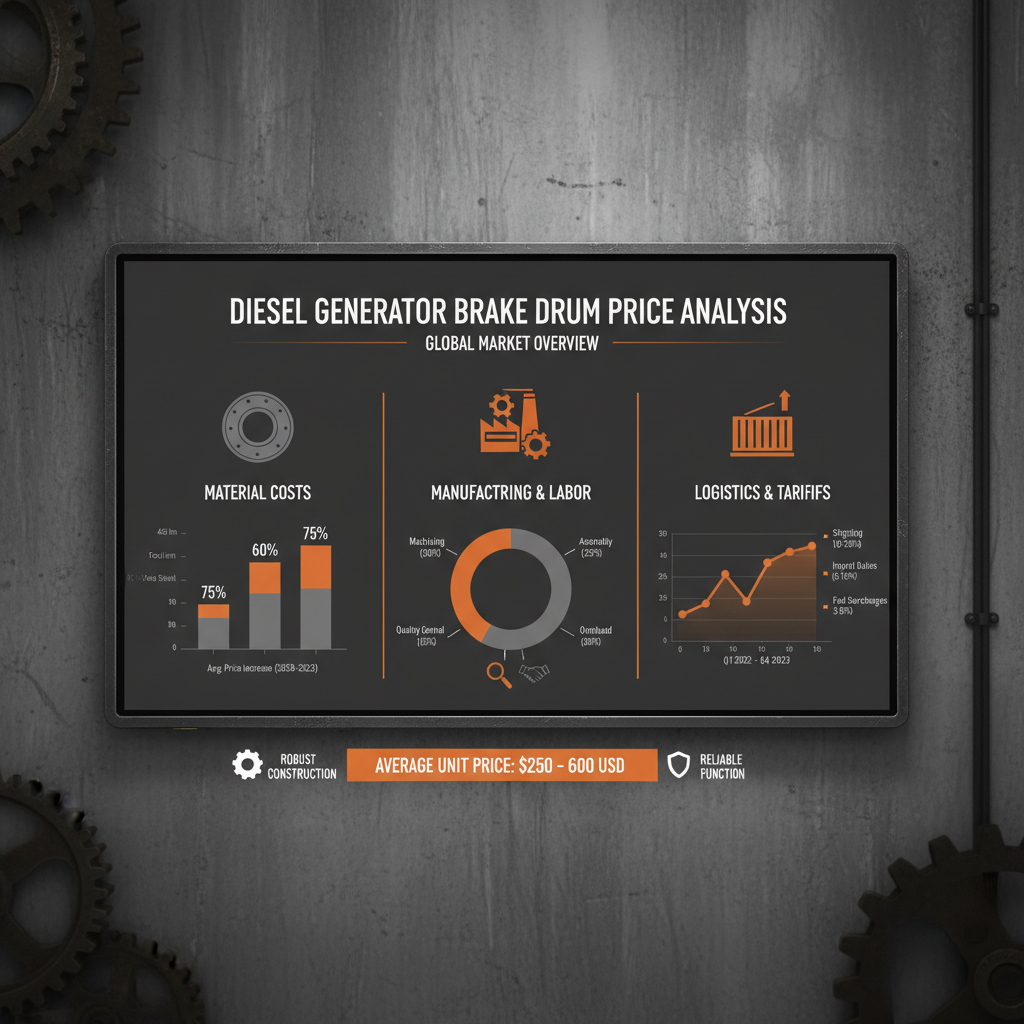
Across the global automotive landscape, the brake drum price is influenced by a complex interplay of raw material costs—primarily cast iron and alloy steels—and the technological advancements in heat dissipation and wear resistance. For businesses operating heavy-duty machinery or large transport fleets, managing these costs without compromising on braking performance is a constant balancing act that requires deep industry insight.
By analyzing the factors that drive the brake drum price, stakeholders can make informed procurement decisions that lower the total cost of ownership while ensuring maximum reliability. This guide delves into the technical and economic drivers of pricing, helping you navigate the market and select the most cost-effective yet durable solutions for your automotive needs.
Global Market Dynamics of Brake Drum Price
The global market for braking components is subject to significant volatility, where the brake drum price often mirrors the trends seen in the global steel and iron markets. With the automotive industry shifting toward more sustainable and lightweight materials, the cost of traditional grey cast iron drums fluctuates based on energy costs and mining output in key industrial hubs across Asia and Europe.
Furthermore, international trade policies and ISO certification requirements add layers of cost. When sourcing components, the price often includes not just the physical part, but the assurance of precision machining and quality control that meets stringent safety regulations, ensuring that the final brake drum price accounts for the reduction of risk and liability for the end user.
Core Components Influencing Cost Efficiency
When evaluating the brake drum price, it is crucial to look beyond the sticker price and analyze the core components that drive value. Durability is the primary driver; a drum made from high-grade alloy that resists thermal cracking may have a higher initial cost but significantly reduces the frequency of replacements, thereby lowering the long-term operational expense.
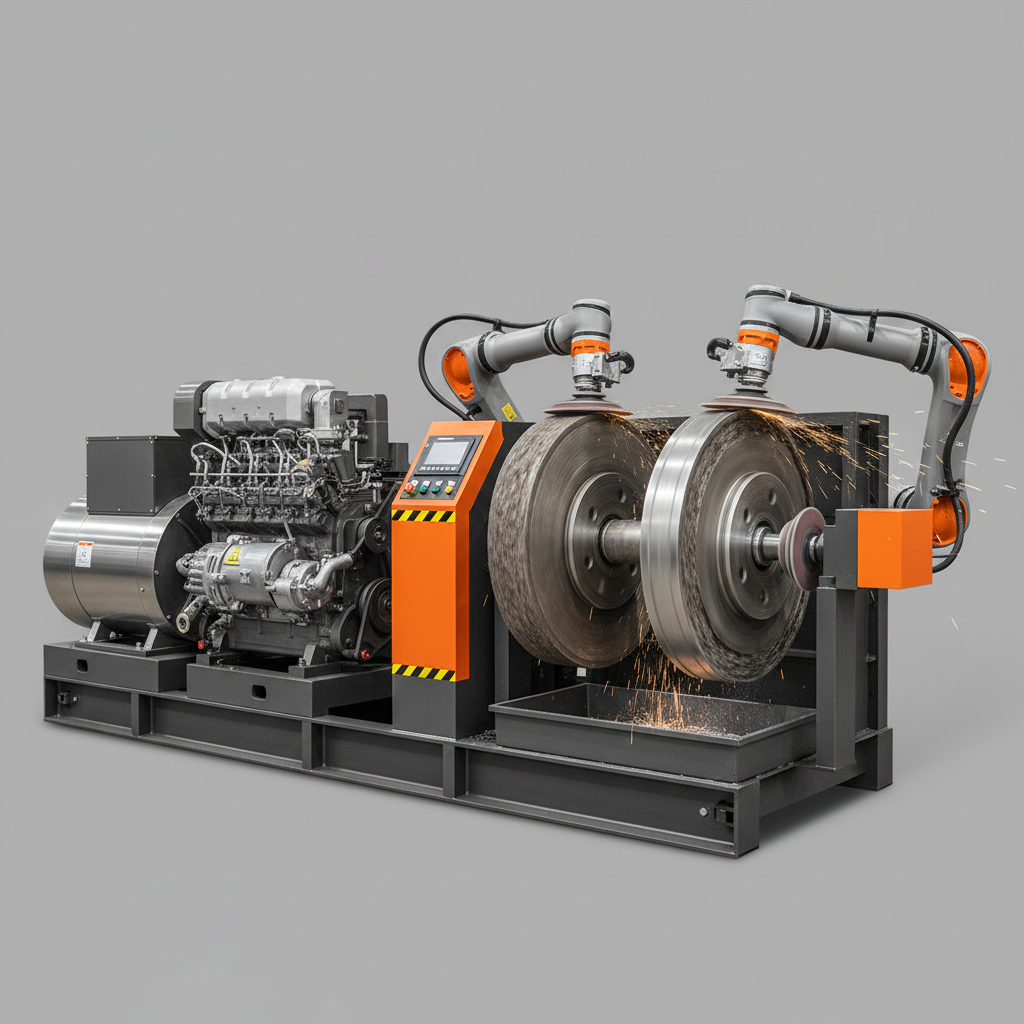
Scalability and manufacturing precision also play a role. Parts produced via automated CNC machining tend to offer better consistency and tighter tolerances, which reduces the labor cost during installation. This "hidden" efficiency means that a slightly higher brake drum price for precision-engineered parts often results in lower total maintenance downtime.
Lastly, thermal conductivity is a key technical factor. Drums designed with advanced cooling fins or optimized wall thicknesses can prevent brake fade under heavy loads. The research and development invested into these designs are baked into the market price, ensuring that the user is paying for a component that maintains safety under extreme stress conditions.
Material Science and Brake Drum Price Correlation
The selection of materials is perhaps the most direct influencer of the brake drum price. Standard grey cast iron remains the industry benchmark due to its excellent damping properties and cost-effectiveness, making it the go-to for budget-conscious fleet operators.
However, as we move toward specialized applications, the brake drum price increases when utilizing ductile iron or composite coatings. These materials offer superior tensile strength and corrosion resistance, which are critical for vehicles operating in saltwater environments or high-humidity regions where rust can compromise braking integrity.
Moreover, the integration of heat-treatment processes, such as quenching and tempering, adds to the brake drum price. These processes refine the microstructure of the metal, ensuring that the drum can withstand repetitive heating and cooling cycles without warping, which is a non-negotiable requirement for heavy-duty commercial hauling.
Comparative Analysis of Pricing Models
In the automotive parts secondary market, the brake drum price can vary wildly depending on whether one chooses OEM (Original Equipment Manufacturer) or high-quality aftermarket alternatives. OEM parts typically carry a premium due to brand equity and guaranteed compatibility, while aftermarket parts compete on price-to-performance ratios.
To better understand how different quality tiers affect the final cost, we can look at the performance ratings against their respective pricing tiers. While the cheapest options may save money upfront, the "value rating" often peaks in the mid-to-high range where longevity meets affordability.
Brake Drum Price vs. Performance Value Rating
Industrial Applications and Real-World Use Cases
The application of these components varies significantly by region. In remote industrial zones—such as mining sites in Australia or logging operations in Canada—the brake drum price is often secondary to availability and extreme durability. In these environments, drums are subjected to abrasive dust and extreme temperature swings, necessitating the use of reinforced alloys.
Conversely, in urban logistics hubs, the focus shifts toward the cost-per-mile. Fleet operators in these regions look for a brake drum price that allows for frequent, standardized replacements across hundreds of vehicles, prioritizing a stable supply chain and consistent part dimensions to minimize vehicle downtime.
Long-Term Value and Safety ROI
Investing in a quality component, even if the initial brake drum price is higher, provides a significant Return on Investment (ROI) through increased safety and reliability. A failed brake drum can lead to catastrophic accidents, resulting in costs that far exceed the price of the part itself, including insurance hikes, legal liabilities, and loss of cargo.
From a psychological perspective, the trust that a driver has in their equipment is invaluable. Knowing that the braking system is composed of high-grade materials reduces driver fatigue and stress, especially in heavy-load transport. This human element transforms the brake drum price from a mere expense into an investment in human safety.
Furthermore, sustainable procurement practices—such as choosing drums that are easier to remanufacture or recycle—add long-term environmental value. As ESG (Environmental, Social, and Governance) criteria become more important for corporate fleets, the "green" value of a component becomes a key part of the total cost analysis.
Future Innovations in Brake Drum Production
The future of the industry is leaning toward digital transformation and smart manufacturing. We are seeing the introduction of "Smart Drums" with embedded sensors that monitor wear and temperature in real-time. While these innovations will initially increase the brake drum price, they will enable predictive maintenance, allowing companies to replace parts exactly when needed rather than on a fixed schedule.
Moreover, additive manufacturing (3D printing) is beginning to influence the prototype stage, allowing for complex internal cooling geometries that were previously impossible to cast. This will eventually lead to more efficient drums that reduce heat buildup, potentially lowering the brake drum price over time as production techniques scale.
Sustainability is also driving the development of new alloys that require less energy to produce. By reducing the carbon footprint of the casting process, manufacturers can maintain a competitive brake drum price while adhering to stricter global emission standards and environmental policies.
Analysis of Brake Drum Price and Performance across Material Tiers
| Material Type |
Relative Price Index |
Wear Resistance (1-10) |
Thermal Stability |
| Standard Grey Iron |
Low |
6 |
Moderate |
| Ductile Alloy Iron |
Medium |
8 |
High |
| Coated Cast Iron |
Medium-High |
7 |
Moderate-High |
| High-Carbon Steel |
High |
9 |
Very High |
| Composite Hybrid |
Very High |
10 |
Excellent |
| Recycled Alloy |
Low-Medium |
6 |
Moderate |
FAQS
The variation in brake drum price is primarily driven by the quality of the raw materials, the precision of the machining process, and the brand's quality assurance certifications. Premium brands invest more in heat treatment and surface finishing to prevent warping and corrosion, which increases the price but extends the component's lifespan and improves safety.
Not necessarily, but it requires caution. Some budget options are simply produced in higher volumes with lower overheads. However, excessively low prices often indicate the use of inferior alloys or a lack of rigorous quality testing, which can lead to premature wear or failure under high-stress braking conditions.
Replacement intervals depend on vehicle load and driving conditions. Generally, for commercial fleets, drums are inspected every 20,000 to 50,000 miles. Budgeting for the brake drum price should be based on the "wear rate" of your specific application; heavy-duty haulers will face higher recurring costs than light-duty delivery vans.
Yes, especially in coastal regions or areas where road salt is used in winter. The coating prevents oxidation and rust, which maintain the smoothness of the drum surface. This reduces the need for frequent resurfacing, meaning the initial higher brake drum price is offset by lower maintenance costs over time.
Since brake drums are primarily made of cast iron or steel, any surge in global iron ore or scrap metal prices directly impacts the manufacturing cost. Suppliers often adjust the brake drum price quarterly to reflect these market fluctuations, which is why long-term contracts are often preferred by large fleet operators.
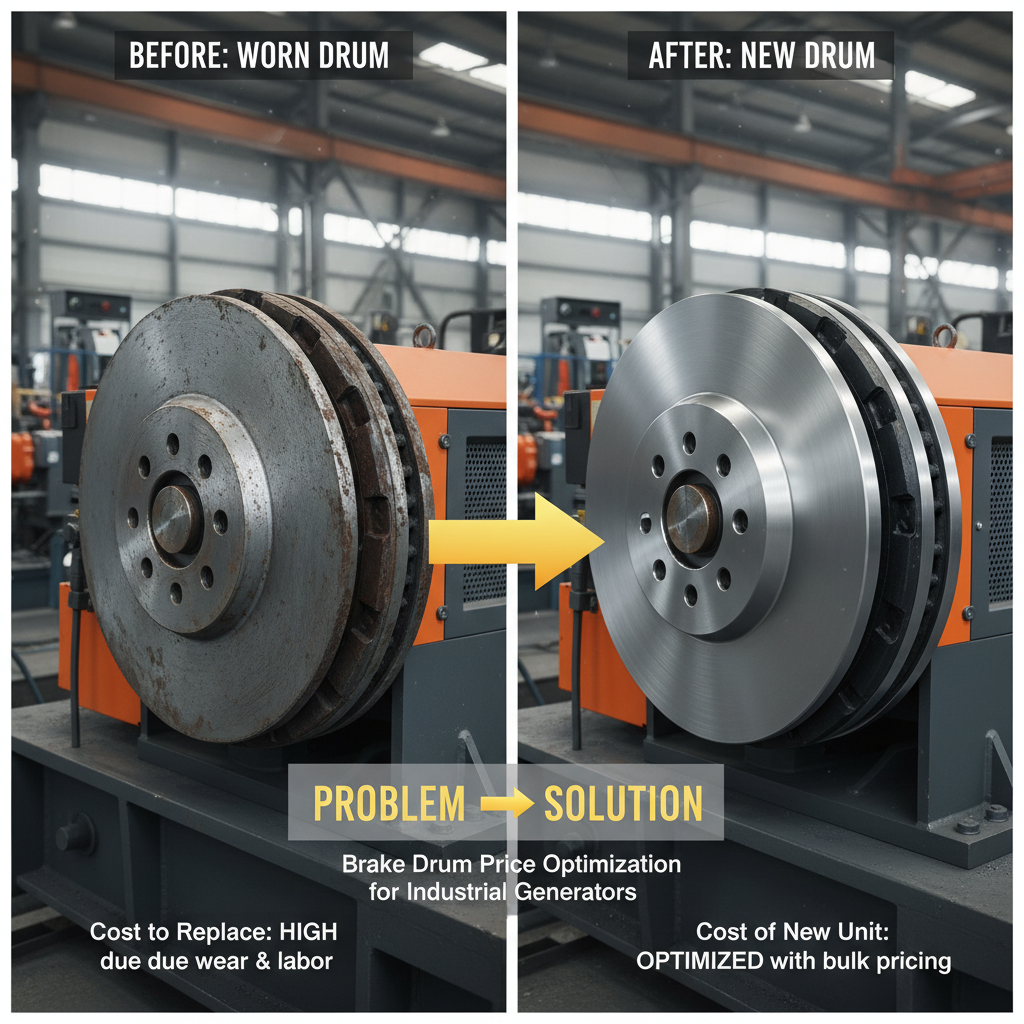
Resurfacing (machining) can be a cost-effective alternative if the drum still meets the minimum thickness specifications. While it avoids the full brake drum price of a new unit, it can reduce the drum's ability to dissipate heat. It is a viable short-term saving but should be balanced against the safety risk of thinner walls.
Conclusion
Navigating the complexities of brake drum price requires a comprehensive understanding of material science, market dynamics, and the critical relationship between cost and safety. By shifting the focus from the initial purchase price to the total cost of ownership—including durability, maintenance intervals, and safety ROI—businesses can optimize their procurement strategies without compromising the integrity of their vehicles.
As the industry moves toward smarter materials and predictive maintenance, the value proposition of braking components will continue to evolve. We recommend that fleet managers prioritize certified, high-performance drums to ensure long-term operational stability. To find the perfect balance of quality and affordability for your fleet, visit our website: www.hbncbrakedrum.com.