Understanding the total front and rear brakes cost is essential for any vehicle owner or fleet manager aiming to balance safety with operational budgets. Braking systems are the most critical safety component of a vehicle, and knowing how pricing fluctuates between different axles allows for better financial planning and maintenance scheduling.
Globally, the automotive aftermarket is shifting toward more sustainable and durable components, which directly impacts the long-term front and rear brakes cost. While front brakes typically bear the brunt of the stopping force and wear faster, the rear system—often utilizing specialized components like Brake Drums—requires a different maintenance cadence and pricing structure.
By analyzing the variables that influence these costs, from material grades to labor rates, consumers can make informed decisions that avoid overpriced repairs without compromising on road safety. This guide provides a comprehensive breakdown of the financial and technical aspects of comprehensive brake overhauls.
Global Economic Impact of Brake Maintenance Costs
On a global scale, the front and rear brakes cost represents a significant portion of the automotive "wear and tear" economy. With millions of vehicles navigating urban centers daily, the demand for high-quality friction materials and Brake Drums is constant. According to industry standards aligned with ISO safety protocols, regular replacement of braking components is not just a recommendation but a necessity to prevent catastrophic failure, which would incur far higher costs than routine maintenance.
The economic challenge lies in the disparity between premium OEM parts and budget-friendly aftermarket alternatives. While the initial front and rear brakes cost might be lower for generic parts, the total cost of ownership often increases due to shorter lifespans and more frequent labor charges. This creates a complex decision-making process for logistics companies and individual owners alike.
Defining the Components of Front and Rear Brakes Cost
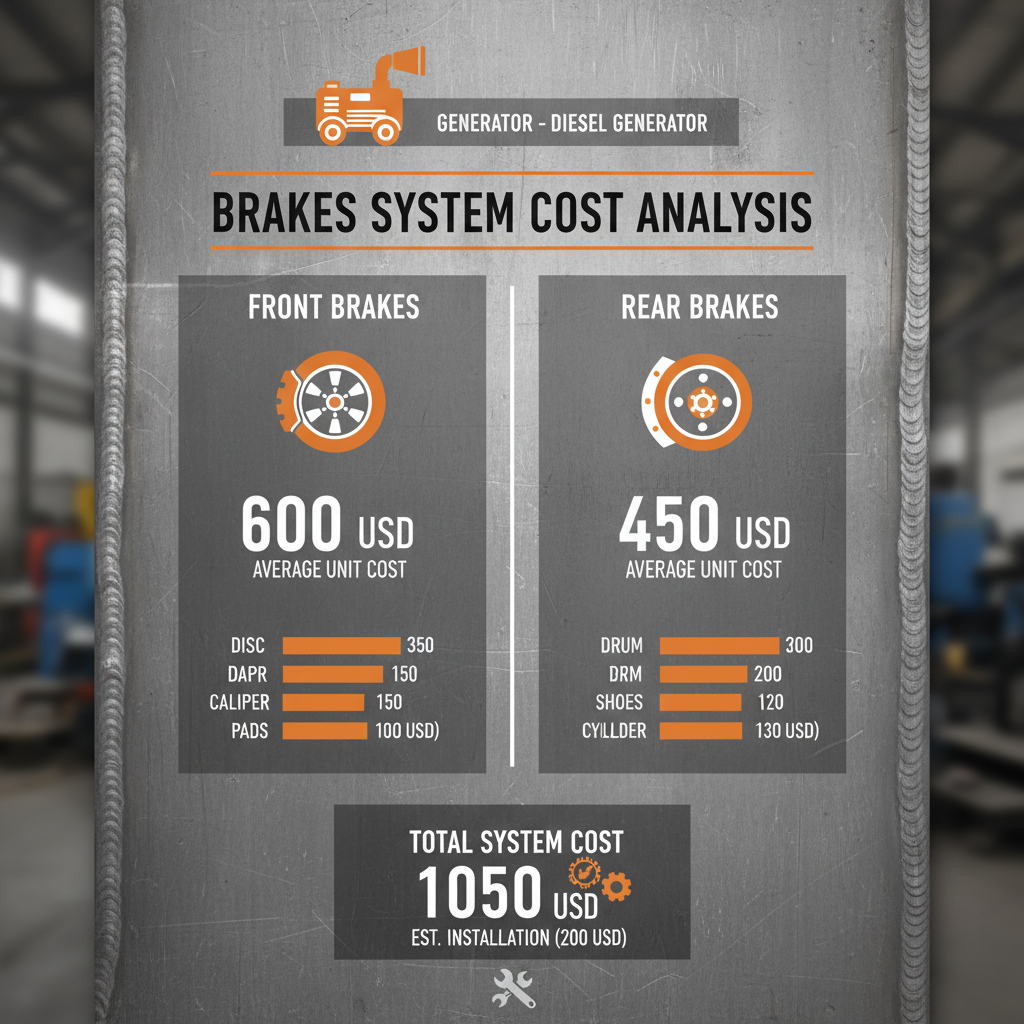
When discussing the front and rear brakes cost, it is important to define what actually constitutes the price tag. This cost is generally split into three primary segments: hardware (pads, rotors, and Brake Drums), fluid systems, and professional labor. The front axle typically costs more to service because the front brakes handle approximately 60-80% of the vehicle's stopping power, leading to faster wear and the need for more expensive, larger-diameter components.
The rear braking system, conversely, often employs Brake Drums in economy and light-commercial vehicles. The cost here is influenced by the need to replace both the brake shoes and the drum itself if the surface has become scored or warped. Understanding this distinction helps owners realize why the front and rear brakes cost is rarely a 50/50 split, but rather a weighted distribution based on physics and vehicle load.
In a broader humanitarian and industrial context, maintaining an affordable yet safe front and rear brakes cost is vital for the transport of essential goods in developing regions. When brake components are priced reasonably and are readily available, the safety of the global supply chain is enhanced, reducing accidents and ensuring that critical medical and food supplies reach their destinations safely.
Key Factors Influencing Braking System Expenses
One of the primary drivers of the front and rear brakes cost is material composition. Semi-metallic pads offer durability but can be noisy, while ceramic options provide a smoother ride and less dust but come at a premium. The choice of material directly impacts how often you will return to the shop, thereby affecting the long-term financial burden.
Labor rates also play a pivotal role in the front and rear brakes cost. In urban metropolitan areas, specialized technician fees can double the total invoice compared to rural workshops. Furthermore, the complexity of the vehicle—such as the presence of electronic parking brakes (EPB)—requires diagnostic software for calibration, adding a technical surcharge to the standard mechanical labor.
Finally, the condition of the Brake Drums and rotors determines if a simple "pad slap" is possible or if a full resurfacing or replacement is required. When drums are worn beyond the maximum diameter specified by the manufacturer, the front and rear brakes cost spikes because the structural components of the wheel end must be replaced to ensure the shoes can still make proper contact.
Comparative Analysis of Maintenance Methods
Different approaches to managing the front and rear brakes cost can lead to vastly different outcomes in terms of safety and budget. Some owners opt for "reactive maintenance," replacing parts only when the wear indicator squeals. Others follow a "preventative schedule," replacing components based on mileage, which often prevents more expensive damage to the Brake Drums.
From a commercial perspective, fleet operators often utilize a "tiered replacement strategy," where front brakes are serviced more frequently than rear brakes to optimize the front and rear brakes cost across a large number of vehicles. This strategic approach reduces downtime and prevents the unnecessary replacement of rear components that still have significant life left.
Comparison of Average Front and Rear Brakes Cost Methods
Global Applications and Regional Cost Variations
The front and rear brakes cost varies significantly by region due to local labor laws, import tariffs on raw materials like cast iron, and driving environments. In mountainous regions of South America or Southeast Asia, the wear rate on brake drums and pads is accelerated, making the frequent front and rear brakes cost a major operational hurdle for local transport services.
In contrast, in the European market, strict environmental regulations regarding brake dust emissions are pushing the industry toward more expensive, low-emission materials. This shift is gradually increasing the baseline front and rear brakes cost, but it is offset by a higher societal value placed on air quality and urban sustainability.
Long-Term Value and Safety Advantages
Investing in high-quality components may increase the immediate front and rear brakes cost, but the long-term value is found in reliability and safety. High-grade Brake Drums, for instance, are less prone to heat-induced warping, which means fewer unplanned visits to the mechanic and a more consistent braking feel under heavy loads.
From an emotional standpoint, the peace of mind that comes with knowing your braking system is top-tier is invaluable. When a driver trusts their brakes, they operate the vehicle with more confidence and less stress, which in turn reduces the likelihood of driver fatigue-related accidents. This psychological benefit transcends the simple numerical front and rear brakes cost.
Moreover, maintaining a well-documented service history for both front and rear brakes significantly increases the resale value of a vehicle. Potential buyers are more likely to pay a premium for a car that has a verifiable record of quality brake maintenance, effectively recouping some of the initial front and rear brakes cost.
Future Innovations in Braking Cost Efficiency
The future of front and rear brakes cost is being reshaped by the rise of Electric Vehicles (EVs). Regenerative braking allows the electric motor to slow the vehicle down, significantly reducing the physical wear on pads and Brake Drums. This technology is expected to drastically lower the lifetime front and rear brakes cost for EV owners.
Digital transformation is also entering the workshop. Predictive maintenance sensors are now being integrated into braking systems to alert drivers exactly when a component needs replacement, rather than relying on generic mileage intervals. This precision prevents the premature replacement of parts, thereby optimizing the front and rear brakes cost.
Furthermore, the development of new composite materials that are both lighter and more heat-resistant promises to extend the intervals between services. While these "super-materials" may initially raise the front and rear brakes cost, their extended lifespan will ultimately lead to a lower cost-per-mile.
Analysis of Braking Component Cost and Lifespan
| Component Type |
Relative Cost Index |
Avg. Lifespan (km) |
Cost-Efficiency Score |
| Standard Brake Pads |
Low |
30,000 - 50,000 |
6/10 |
| Ceramic Brake Pads |
Medium |
60,000 - 80,000 |
9/10 |
| Cast Iron Brake Drums |
Medium |
100,000 - 150,000 |
8/10 |
| Premium Alloy Rotors |
High |
80,000 - 120,000 |
7/10 |
| Brake Fluid (DOT 4) |
Very Low |
2 years/40,000km |
10/10 |
| Full System Overhaul |
Very High |
150,000+ |
5/10 |
FAQS
The front brakes perform the majority of the stopping work, meaning they use larger, more robust components that wear down faster. Because the front system is under higher thermal and physical stress, the parts are often more expensive to manufacture, which directly increases the front and rear brakes cost disparity.
Yes, if the Brake Drums or rotors are still within the manufacturer's thickness specifications and are not warped, you can replace only the pads/shoes. However, installing new pads on worn drums can reduce efficiency and increase noise, potentially leading to a higher front and rear brakes cost later due to premature wear.
While it varies by driving style, most vehicles require front pad replacement every 30,000 to 70,000 miles, while rear components often last longer. It is recommended to have a professional inspection every 10,000 miles to avoid the emergency costs associated with total system failure.
Generally, yes. Although ceramic pads have a higher initial purchase price, they typically last longer and cause less wear on the rotors and Brake Drums. This reduces the frequency of replacements, lowering the total cost of ownership over the life of the vehicle.
Independent shops usually offer a lower labor rate, which reduces the overall front and rear brakes cost. However, dealerships provide OEM parts and specialized warranties. The "cheaper" option depends on whether you value a lower immediate bill or a manufacturer-backed guarantee.
Regenerative braking uses the motor to slow the car, which significantly reduces the friction load on the physical brakes. As a result, EV owners find that their front and rear brakes cost is dramatically lower because pads and Brake Drums last far longer than in internal combustion vehicles.
Conclusion
Managing the front and rear brakes cost is a delicate balance between prioritizing immediate savings and investing in long-term safety. By understanding the technical differences between front and rear systems, the impact of material choices, and the benefits of preventative maintenance, vehicle owners can avoid unnecessary expenses while ensuring maximum road reliability.
As we move toward an era of electric mobility and smart sensing, the nature of brake maintenance will continue to evolve, likely becoming less frequent but more technically specialized. We encourage all vehicle owners to prioritize quality components and regular inspections to ensure that their braking system remains a reliable shield. For high-quality, durable braking solutions, visit our website: www.hbncbrakedrum.com