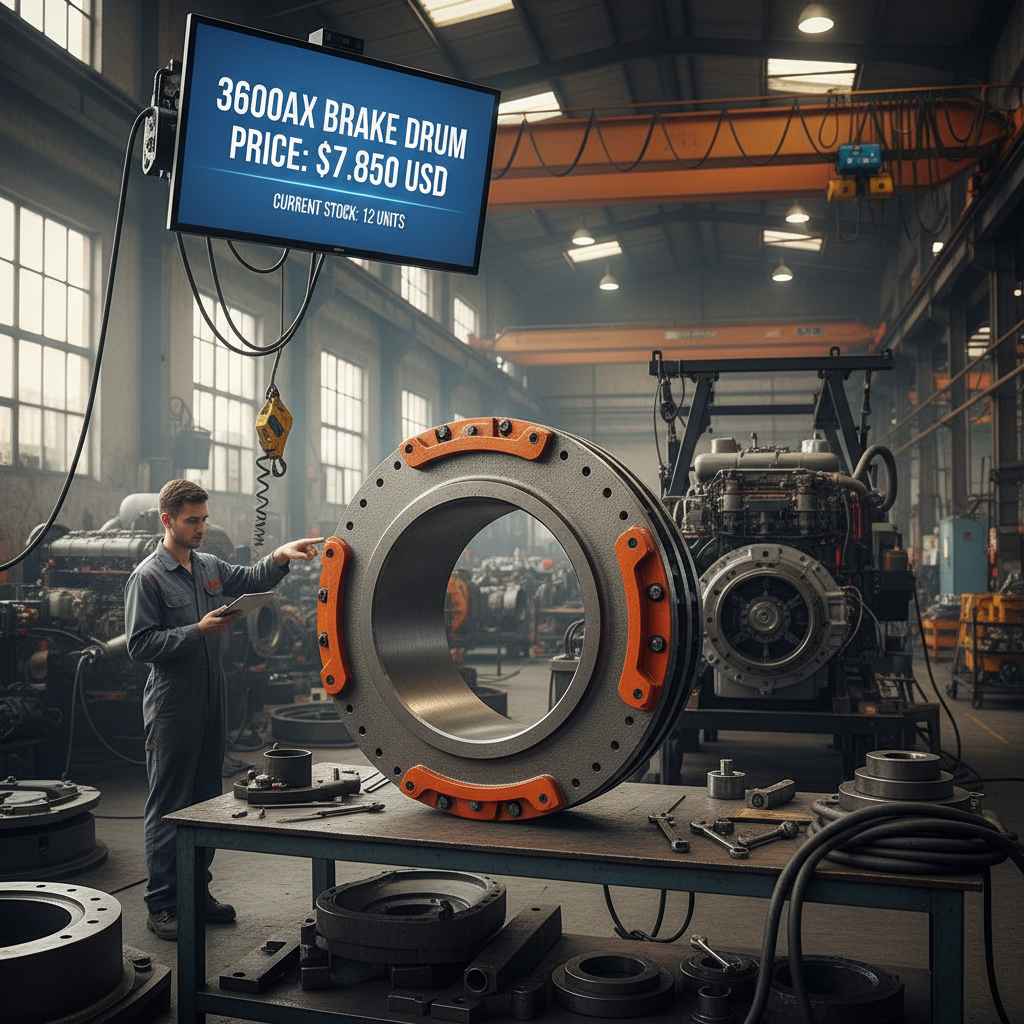
Rear brakes and rotors are critical components of any vehicle’s braking system, responsible for bringing the vehicle to a safe and controlled stop. Their performance directly impacts safety and driving confidence. Understanding the intricacies of rear brakes and rotors, from their design and materials to their maintenance and replacement, is essential for vehicle owners, mechanics, and automotive enthusiasts alike. Properly functioning rear brakes and rotors contribute significantly to overall vehicle safety and prevent potential accidents.
The global automotive industry relies heavily on the consistent quality and performance of rear brakes and rotors. With increasing vehicle production worldwide – approximately 97.9 million vehicles were produced in 2023 according to Statista – the demand for these components is consistently high. Innovations in materials and manufacturing techniques are continually being implemented to enhance braking efficiency and durability, catering to both standard vehicles and high-performance applications. rear brakes and rotors are a cornerstone of automotive safety.
Effective rear braking systems also play a crucial role in preventing wear and tear on other vehicle components, like tires, and contribute to fuel efficiency. The seamless integration of rear brakes and rotors with the vehicle's ABS and stability control systems further enhances safety in diverse driving conditions. Investing in quality rear brakes and rotors is, therefore, an investment in vehicle longevity and driver security.
The Importance of Rear Brakes and Rotors
Rear brakes and rotors are integral to a vehicle’s overall stopping power, often contributing between 30% and 50% of the total braking force. Maintaining their proper function is therefore critical for ensuring safe and reliable operation. Neglecting rear brake maintenance can lead to uneven braking, reduced stopping distances, and increased wear on other braking system components.
Beyond safety, well-maintained rear brakes and rotors contribute to driver comfort and control. Smooth, responsive braking enhances the driving experience and reduces driver fatigue. Ignoring warning signs, like squealing or grinding noises, can lead to more costly repairs down the line, emphasizing the importance of preventative maintenance and regular inspections related to rear brakes and rotors.
Defining Rear Brakes and Rotors
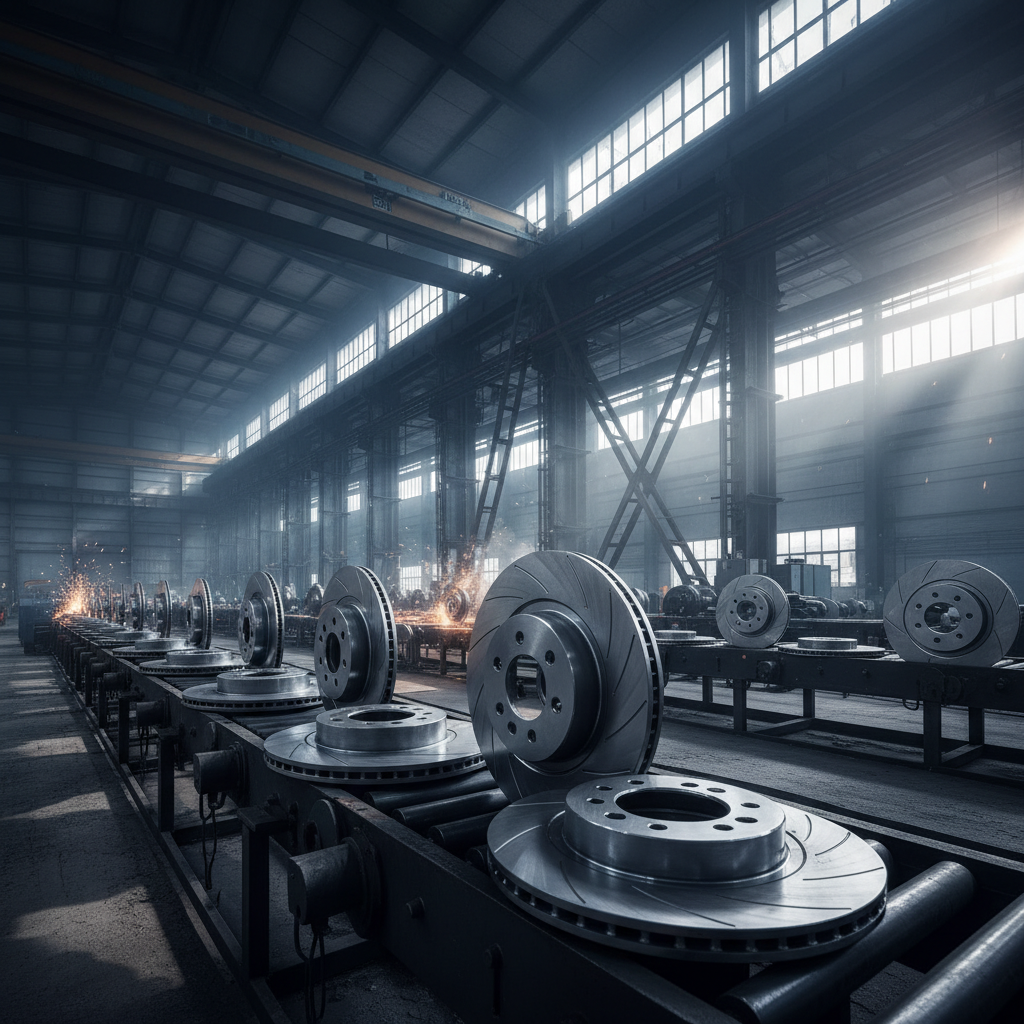
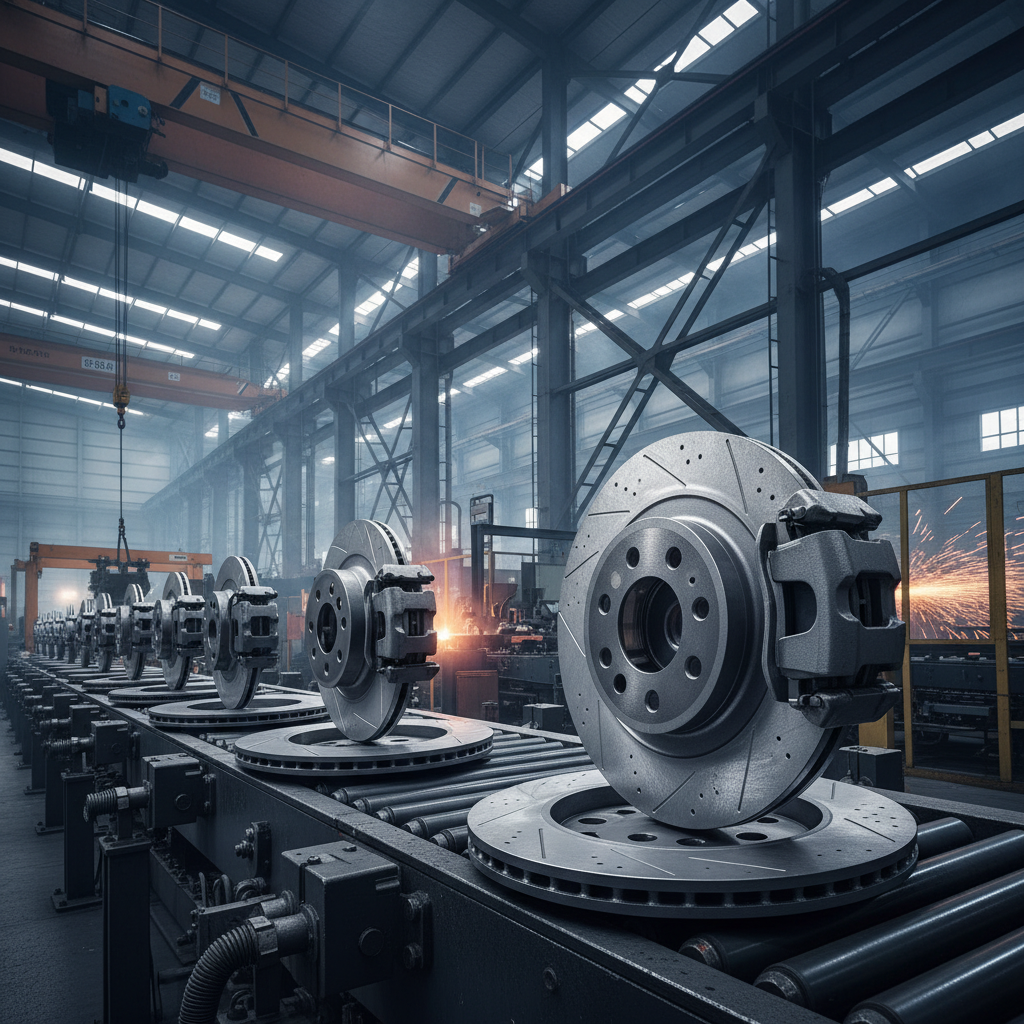
Rear brakes are the braking mechanism located on the rear wheels of a vehicle, working in conjunction with the front brakes to decelerate and stop the vehicle. They typically consist of brake pads, calipers, rotors (or drums), and hydraulic lines. The rotors are the metal discs that the brake pads clamp onto to create friction and slow the wheel’s rotation.
The function of rear brakes and rotors is to convert kinetic energy (motion) into thermal energy (heat) through friction. This process effectively reduces the vehicle's speed. Different types of rear brake systems exist, including disc brakes and drum brakes, each with its own advantages and disadvantages. Disc brakes are generally considered more efficient and offer better heat dissipation than drum brakes.
Modern vehicle design increasingly favors disc brakes on all four wheels due to their superior performance and reliability. The integration of anti-lock braking systems (ABS) with rear disc brakes further enhances safety by preventing wheel lockup during emergency braking. Properly functioning rear brakes and rotors are vital for maintaining vehicle control in all driving situations.
Core Components and Considerations
The core components of rear brakes and rotors include the rotors themselves, which are typically made from cast iron or carbon ceramic. Brake pads, composed of friction materials, are pressed against the rotors by calipers to create braking force. Calipers are hydraulic mechanisms that house the brake pads and apply pressure when the brake pedal is pressed. Finally, brake lines carry hydraulic fluid from the master cylinder to the calipers, transmitting the braking force.
Consideration must be given to several factors when selecting and maintaining rear brakes and rotors. Rotor type (solid, vented, slotted, drilled) impacts heat dissipation and performance. Brake pad material (organic, semi-metallic, ceramic) affects friction coefficient, noise levels, and wear rate. Proper brake fluid maintenance is also crucial, as contaminated or aged fluid can compromise braking efficiency. rear brakes and rotors selection is critical to vehicle performance.
Regular inspections are vital to identify worn or damaged components. Checking rotor thickness, pad wear, and brake line integrity can prevent costly repairs and ensure optimal braking performance. Understanding the interplay between these components is essential for maintaining a safe and reliable braking system.
Key Performance Factors
Several factors influence the performance of rear brakes and rotors. Thermal capacity is paramount, as excessive heat can lead to brake fade (reduction in braking power). Vented rotors, with internal channels for airflow, offer superior heat dissipation compared to solid rotors. Friction coefficient, determined by the brake pad material, affects stopping power and pedal feel.
Wear resistance is another crucial factor. High-quality brake pads and rotors are designed to withstand repeated braking cycles without significant degradation. Rotor runout (deviation from perfect circularity) can cause vibrations and uneven braking. Ensuring proper wheel alignment and torqueing lug nuts to the correct specification can minimize rotor runout.
Rear Brake Performance Comparison
Global Applications and Industries
Rear brakes and rotors are universally applied in the automotive industry, encompassing passenger vehicles, commercial trucks, motorcycles, and specialized vehicles. The demand is driven by vehicle production rates and the need for consistent safety standards worldwide. Regulations in countries like the United States (NHTSA) and the European Union (Euro NCAP) mandate stringent braking performance requirements.
Beyond automotive, rear brake technology finds application in other industries, including rail transport, where braking systems are critical for train safety. In industrial machinery, similar braking principles are employed for controlling the motion of heavy equipment. The aerospace industry also utilizes advanced braking systems derived from automotive technology, adapted for high-speed landings.
Advantages and Long-Term Value
Investing in high-quality rear brakes and rotors offers significant long-term value. Enhanced safety is paramount, reducing the risk of accidents and protecting occupants. Improved braking performance translates to shorter stopping distances, giving drivers more control in emergency situations. Reduced wear on other vehicle components (tires, suspension) lowers overall maintenance costs.
Choosing durable materials and well-engineered designs prolongs the lifespan of rear brakes and rotors, minimizing the frequency of replacements. A reliable braking system inspires driver confidence and contributes to a more enjoyable driving experience. Proper maintenance, including regular inspections and fluid changes, maximizes the long-term value of the investment in rear brakes and rotors.
Future Trends and Innovations
The future of rear brake and rotor technology is focused on enhancing performance, reducing weight, and improving sustainability. Carbon ceramic rotors, offering superior heat dissipation and lighter weight, are becoming increasingly popular in high-performance vehicles. Electric and hybrid vehicles are driving the development of regenerative braking systems, which capture energy during braking and reuse it to charge the battery.
Advanced materials, such as graphene-enhanced brake pads, are being explored to increase friction coefficient and wear resistance. Brake-by-wire systems, eliminating the mechanical linkage between the brake pedal and the calipers, are improving responsiveness and enabling more sophisticated control algorithms. Sustainable manufacturing processes, reducing waste and minimizing environmental impact, are also gaining traction.
Challenges and Solutions
A key challenge in rear brake and rotor technology is managing heat buildup during repeated braking, particularly in demanding applications. Brake fade, caused by overheating, can significantly reduce stopping power. Another challenge is minimizing noise, vibration, and harshness (NVH) associated with braking.
Solutions include utilizing vented rotors, employing advanced friction materials with high thermal conductivity, and optimizing caliper design for improved heat dissipation. Noise reduction can be achieved through careful pad selection, anti-vibration shims, and proper lubrication. Continuous research and development are essential for overcoming these challenges and improving braking performance. rear brakes and rotors are constantly being improved to overcome these challenges.
Furthermore, addressing the environmental impact of brake wear debris is becoming increasingly important. Developing brake pad materials that generate less particulate matter and exploring alternative friction materials are key areas of focus.
Summary of Rear Brake and Rotor Performance Factors
| Component |
Material |
Performance Metric |
Typical Rating (1-10) |
| Rotor |
Cast Iron |
Heat Capacity |
7 |
| Rotor |
Carbon Ceramic |
Heat Dissipation |
9 |
| Brake Pad |
Organic |
Noise Level |
6 |
| Brake Pad |
Semi-Metallic |
Friction Coefficient |
8 |
| Brake Line |
Rubber |
Pressure Retention |
7 |
| Brake Fluid |
DOT 4 |
Boiling Point |
8 |
FAQS
Rear brake pads typically last between 25,000 and 70,000 miles, depending on driving habits and conditions. Aggressive braking, frequent stop-and-go traffic, and driving in hilly areas can significantly reduce pad life. Regular inspections are crucial to determine wear and schedule replacements before they cause damage to the rotors. Listen for squealing noises, a common indicator of worn brake pads.
Signs of worn rear rotors include pulsating brakes, vibrations felt through the brake pedal, and visible scoring or grooves on the rotor surface. If the rotors are excessively thin, they may need to be replaced rather than resurfaced. Ignoring these signs can compromise braking performance and potentially lead to more expensive repairs.
Replacing rear brake pads and rotors can be a DIY project for experienced mechanics with the proper tools and knowledge. However, it requires a thorough understanding of braking systems and precise attention to detail. Improper installation can lead to safety hazards. If you’re unsure, it’s best to have a qualified technician perform the work.
Slotted rotors have grooves cut into the surface to improve heat dissipation and provide better bite. Drilled rotors have holes drilled through them, also for heat dissipation and gas venting. While both designs offer performance benefits, drilled rotors can be more prone to cracking under extreme conditions. Slotted rotors are generally a more durable option for everyday driving.
Brake fluid is crucial for transmitting the braking force from the master cylinder to the calipers. Over time, brake fluid absorbs moisture, which lowers its boiling point and reduces braking efficiency. It’s recommended to flush and replace brake fluid every two to three years, or as specified in your vehicle’s owner’s manual.
ABS (Anti-lock Braking System) prevents the wheels from locking up during hard braking, allowing the driver to maintain steering control. ABS works by modulating the brake pressure to each wheel individually, including the rear wheels. A functioning ABS system relies on properly operating rear brakes and sensors to provide optimal performance.
Conclusion
In conclusion, rear brakes and rotors are fundamental to vehicle safety and performance. From their core components and performance factors to future innovations, understanding these systems is vital for drivers, mechanics, and the automotive industry alike. Investing in quality components, performing regular maintenance, and staying informed about emerging technologies ensures a reliable and safe braking experience.
The continued development of advanced materials, braking technologies, and sustainable manufacturing practices will further enhance the performance and longevity of rear brakes and rotors. Prioritizing brake system health is not just a matter of convenience; it’s a critical investment in safety, reliability, and peace of mind. For more information and quality rear brakes and rotors, visit our website today!