Trailer drum brakes are a fundamental component of trailer safety, crucial for effectively stopping and controlling the vehicle. These braking systems, while seemingly simple, represent a significant engineering feat, providing reliable stopping power for a wide range of trailer applications, from utility trailers to heavy-duty commercial transport. Understanding their function and maintenance is paramount for safe and efficient towing.
The global demand for safe and reliable trailer braking systems is continuously growing alongside the expansion of logistics, construction, and recreational vehicle industries. Regulations surrounding trailer safety are becoming more stringent worldwide, driving innovation and the adoption of advanced braking technologies. Properly functioning trailer drum brakes directly contribute to preventing accidents and ensuring the safe transportation of goods and people.
The increasing prevalence of e-commerce and associated last-mile delivery services further elevates the importance of effective trailer braking. A robust and well-maintained braking system is not merely a compliance requirement; it's a critical factor in protecting lives, minimizing property damage, and maintaining the operational efficiency of transportation networks.
Understanding the Core Principles of trailer drum brakes
The foundation of trailer drum brakes lies in converting kinetic energy into thermal energy through friction. When the brake pedal is applied, a force is transmitted to the brake shoes inside the drum. These shoes press against the inner surface of the drum, creating friction that slows the wheel's rotation. Understanding this basic principle is vital for diagnosing and addressing brake-related issues.
The efficiency of this process relies on several factors, including the material composition of the brake shoes and drum, the surface area of contact, and the applied pressure. Regular inspection and maintenance, including shoe replacement and drum resurfacing, are crucial for maintaining optimal braking performance and preventing premature wear. Choosing quality trailer drum brakes contributes significantly to the longevity and reliability of the braking system.
The Global Impact of Effective Braking Systems
Globally, road safety is a paramount concern, and effective trailer braking systems play a vital role in mitigating accidents. According to the World Health Organization, road traffic crashes cause an estimated 1.35 million deaths annually. A significant portion of these accidents involve vehicles towing trailers, highlighting the crucial need for reliable braking mechanisms. Stringent regulations, such as those enforced by the United Nations Economic Commission for Europe (UNECE), are continually updated to enhance trailer safety standards.
The economic impact of accidents involving trailers is also substantial, encompassing vehicle damage, cargo loss, medical expenses, and lost productivity. Implementing advanced braking technologies and adhering to recommended maintenance schedules can significantly reduce these costs. Moreover, the demand for more efficient and sustainable transportation solutions is driving innovation in trailer braking systems, focusing on weight reduction and improved performance.
The ISO 26262 standard for functional safety is increasingly being applied to automotive braking systems, including those for trailers. This standard ensures that safety-critical components are designed and tested to minimize the risk of malfunction and enhance overall system reliability, contributing to safer transportation networks worldwide.
Defining Trailer Drum Brakes: A Comprehensive Overview
Trailer drum brakes are a braking technology where brake shoes press outwards against the inner surface of a rotating drum. This friction slows the wheel’s rotation, bringing the trailer to a stop. They are a historically significant and still widely used braking system for trailers, favored for their simplicity, robustness, and relatively low cost, making them particularly suitable for heavy-duty applications.
In contrast to disc brakes, drum brakes enclose the braking components, protecting them from debris and environmental factors. This design contributes to their durability and reduced maintenance requirements, especially in challenging operating conditions. However, drum brakes can be more susceptible to overheating under prolonged heavy use, requiring careful monitoring and appropriate cooling measures.
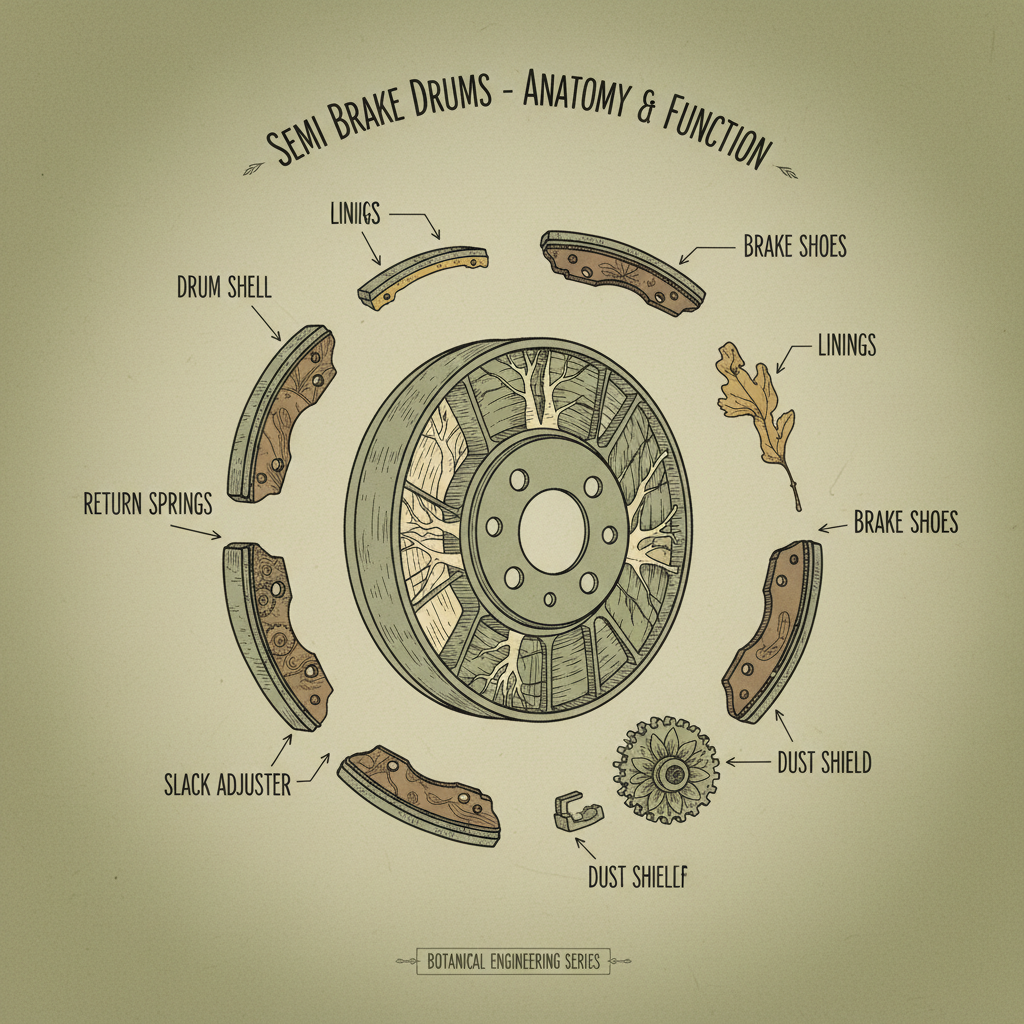
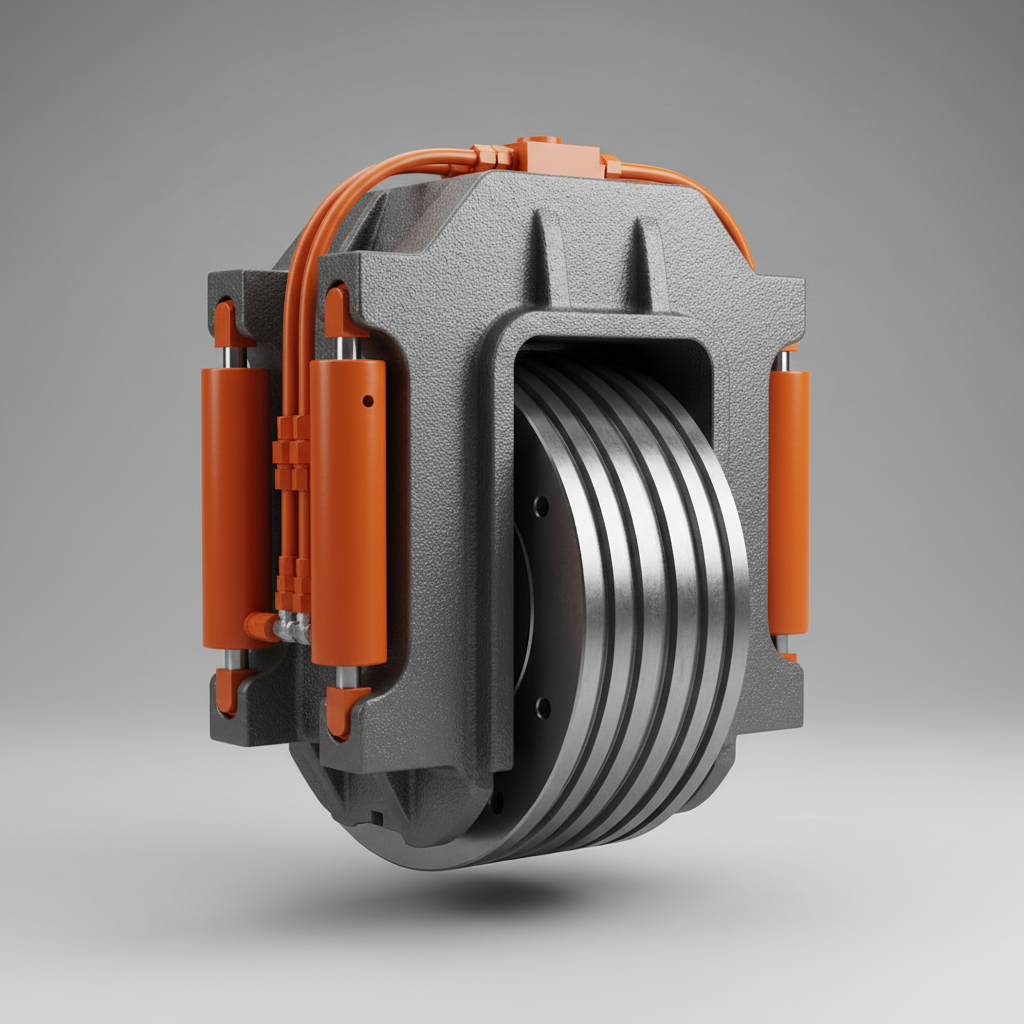
The core components of a trailer drum brake system include the brake drum, brake shoes, wheel cylinder, springs, and adjusting mechanisms. Each component plays a crucial role in ensuring efficient and reliable braking performance. Regular inspection and maintenance of these components are essential for maintaining optimal safety and preventing brake failures.
Key Components and Operational Characteristics
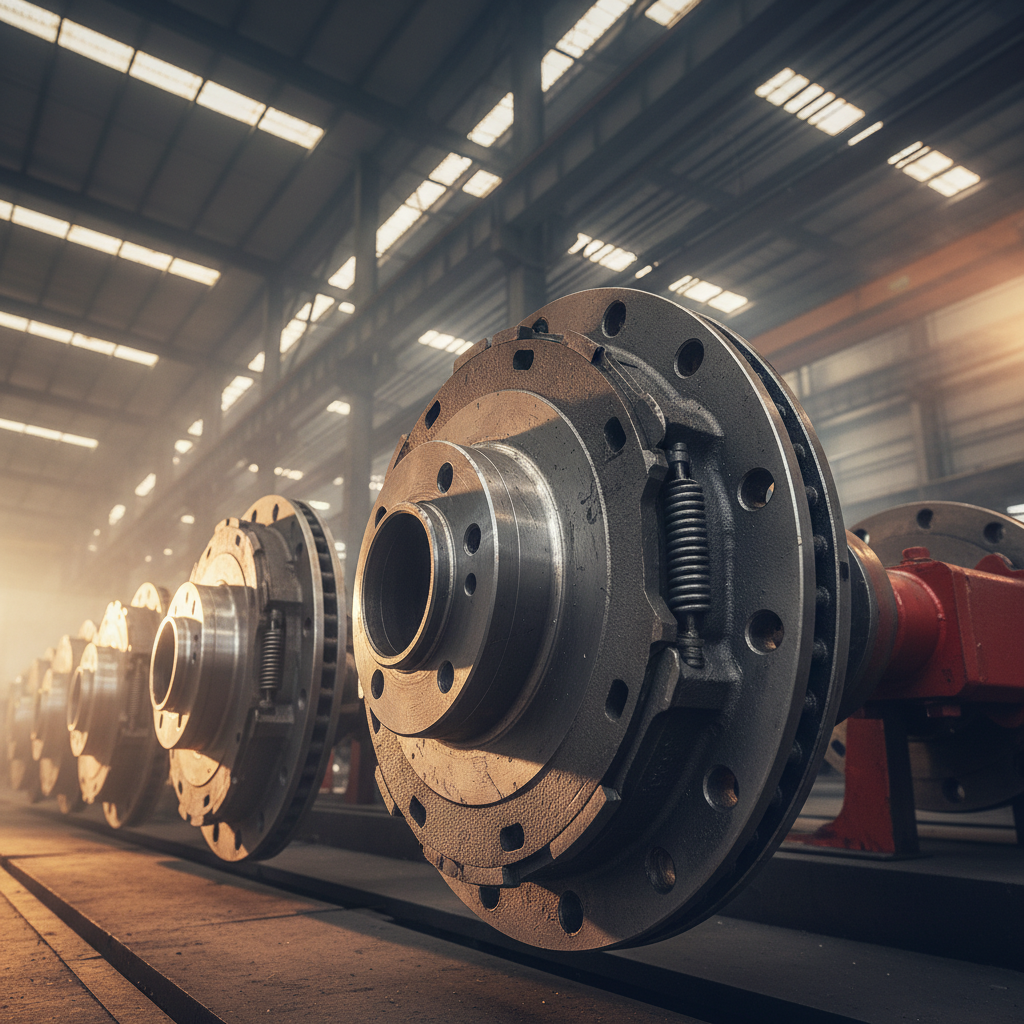
Several key components contribute to the functionality of trailer drum brakes. The brake drum itself is typically made of cast iron or composite materials and is directly attached to the wheel hub. The brake shoes, lined with friction material, are positioned inside the drum and are actuated by the wheel cylinder. The wheel cylinder converts hydraulic pressure into mechanical force, pushing the shoes against the drum.
The self-adjusting mechanism ensures that the brake shoes maintain the proper clearance from the drum as the friction material wears down. This feature is critical for maintaining consistent braking performance. Springs play a vital role in retracting the brake shoes when the brake pedal is released, preventing continuous contact with the drum and reducing wear. Selecting high-quality components, such as those offered by trailer drum brakes specialists, is essential for ensuring long-term reliability.
Trailer Drum Brake Performance Metrics
Real-World Applications Across Industries
Trailer drum brakes are indispensable across a multitude of industries. In the logistics sector, they ensure the safe transportation of goods, from raw materials to finished products, contributing to the smooth functioning of supply chains. The construction industry relies heavily on trailers equipped with drum brakes for hauling equipment and materials to job sites.
Agricultural operations also utilize trailers with drum brakes for transporting crops, livestock, and farm machinery. Recreational vehicle (RV) owners depend on reliable braking systems for safe towing and travel. Furthermore, emergency services, such as fire departments and ambulance services, rely on trailers with robust braking capabilities to transport critical equipment to emergency scenes.
Advantages and Long-Term Value Proposition
The primary advantages of trailer drum brakes lie in their simplicity, durability, and cost-effectiveness. Their enclosed design provides protection from the elements, resulting in reduced maintenance requirements and extended service life. They are particularly well-suited for heavy-duty applications where reliability and robustness are paramount.
Investing in quality trailer drum brakes translates to long-term value through reduced downtime, lower repair costs, and enhanced safety. A well-maintained braking system instills confidence in operators and minimizes the risk of accidents, protecting both people and property. The overall sustainability of the transportation process is also enhanced by extending the lifespan of the braking components.
Future Trends and Technological Advancements
The future of trailer drum brakes is focused on enhancing performance, reducing weight, and integrating smart technologies. Researchers are exploring new materials and designs to improve heat dissipation and friction characteristics. Electric braking systems, incorporating electronic stability control (ESC) and anti-lock braking systems (ABS), are gaining traction, offering improved control and safety.
Furthermore, advancements in sensor technology and data analytics are enabling predictive maintenance, allowing operators to identify potential issues before they lead to failures. The integration of telematics systems provides real-time monitoring of braking performance, facilitating proactive maintenance and optimized fleet management. These advancements collectively aim to create safer, more efficient, and more sustainable trailer braking systems.
Summary of Trailer Drum Brake Maintenance and Performance
| Maintenance Schedule (Months) |
Component Inspected |
Typical Performance Score (1-10) |
Potential Failure Mode |
| 3 |
Brake Shoes |
8 |
Excessive Wear |
| 6 |
Brake Drums |
7 |
Cracking or Scoring |
| 9 |
Wheel Cylinders |
9 |
Leakage or Seizure |
| 12 |
Brake Lines & Hoses |
6 |
Corrosion or Cracking |
| 15 |
Self-Adjusters |
7 |
Binding or Failure to Adjust |
| 18 |
Complete System Check |
8 |
Overall System Degradation |
FAQS
It’s recommended to inspect your trailer drum brakes at least every six months, or more frequently if you regularly tow heavy loads or operate in harsh conditions. Look for signs of wear on the brake shoes, cracks in the drums, and leaks in the hydraulic lines. Consistent inspection helps prevent costly repairs and ensures optimal braking performance.
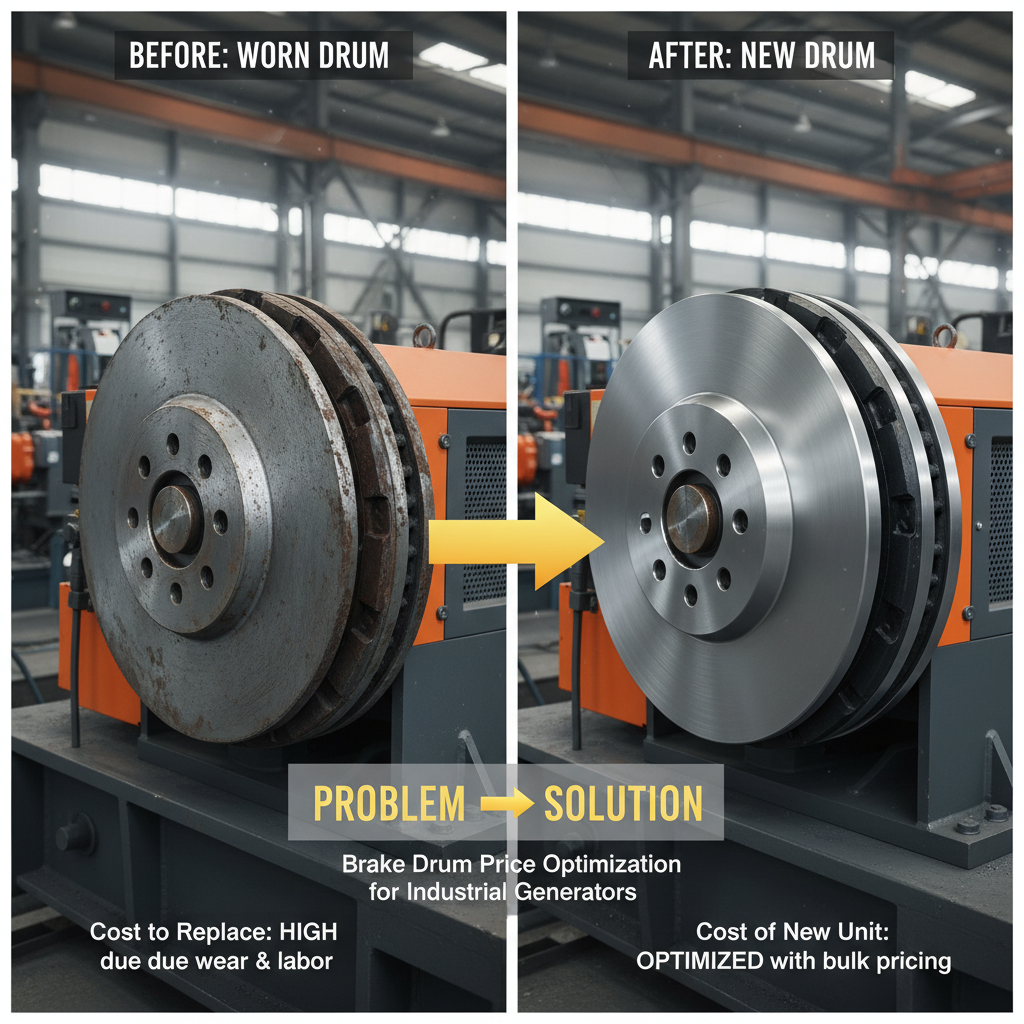
The lifespan of trailer drum brakes varies depending on usage and maintenance, but typically ranges from 2 to 5 years. Factors such as the weight of the trailer, the frequency of braking, and environmental conditions all contribute to wear and tear. Regular maintenance, including shoe replacement and drum resurfacing, can significantly extend their lifespan.
Signs your trailer drum brakes need replacing include squealing or grinding noises, reduced braking power, a spongy brake pedal, and excessive brake dust. Visual inspection may reveal worn brake shoes, scored or cracked drums, or leaks in the hydraulic system. Ignoring these signs can compromise safety.
While some minor maintenance tasks, such as adjusting the brakes, can be performed by experienced DIYers, more complex repairs, such as replacing brake shoes or resurfacing drums, are best left to a qualified mechanic. Improper repairs can compromise safety and lead to further damage. Professional service ensures the job is done correctly.
Properly adjusted trailer drum brakes are crucial for optimal braking performance. Incorrect adjustment can lead to reduced braking power, premature wear, and even brake failure. Ensuring the correct clearance between the brake shoes and drum is essential for efficient and reliable stopping.
The weight of the trailer significantly impacts brake performance. Heavier trailers require more braking force to stop safely. It’s crucial to ensure that the trailer’s braking system is adequately sized for its weight capacity and that the brakes are properly maintained. Overloading a trailer can severely compromise braking performance.
Conclusion
In conclusion, trailer drum brakes remain a vital component of safe and efficient towing operations across a wide range of industries. Their simplicity, durability, and cost-effectiveness continue to make them a popular choice for many applications. However, regular inspection, proper maintenance, and the adoption of emerging technologies are essential for maximizing their performance and ensuring long-term reliability.
Looking ahead, advancements in materials, design, and electronic control systems will further enhance the capabilities of trailer drum brakes, contributing to safer roads and more sustainable transportation practices. Choosing quality components from reputable suppliers, like trailer drum brakes, is crucial for achieving optimal performance and peace of mind.