Rear drum brakes, a longstanding component in automotive braking systems, continue to play a vital role globally, particularly in vehicles where cost-effectiveness and simplicity are prioritized. They represent a significant portion of brake systems used worldwide, especially in developing nations and for commercial vehicles. Understanding their function, maintenance, and evolution is crucial for mechanics, automotive engineers, and vehicle owners alike. rear drum brakes are a fundamental aspect of vehicle safety.
The global automotive industry relies heavily on reliable braking systems, and while disc brakes have gained prominence in many applications, rear drum brakes remain a practical and often essential solution. The United Nations estimates that millions of vehicles equipped with drum brakes are still on the road today. Their continued use presents both challenges – such as maintaining optimal performance in varying conditions – and opportunities for innovation in materials and design.
Addressing concerns regarding stopping distances and brake fade in drum brake systems is a key focus for manufacturers. The demand for affordable and dependable transportation in many parts of the world ensures the continued relevance of rear drum brakes for years to come, driving ongoing research and development in this domain.
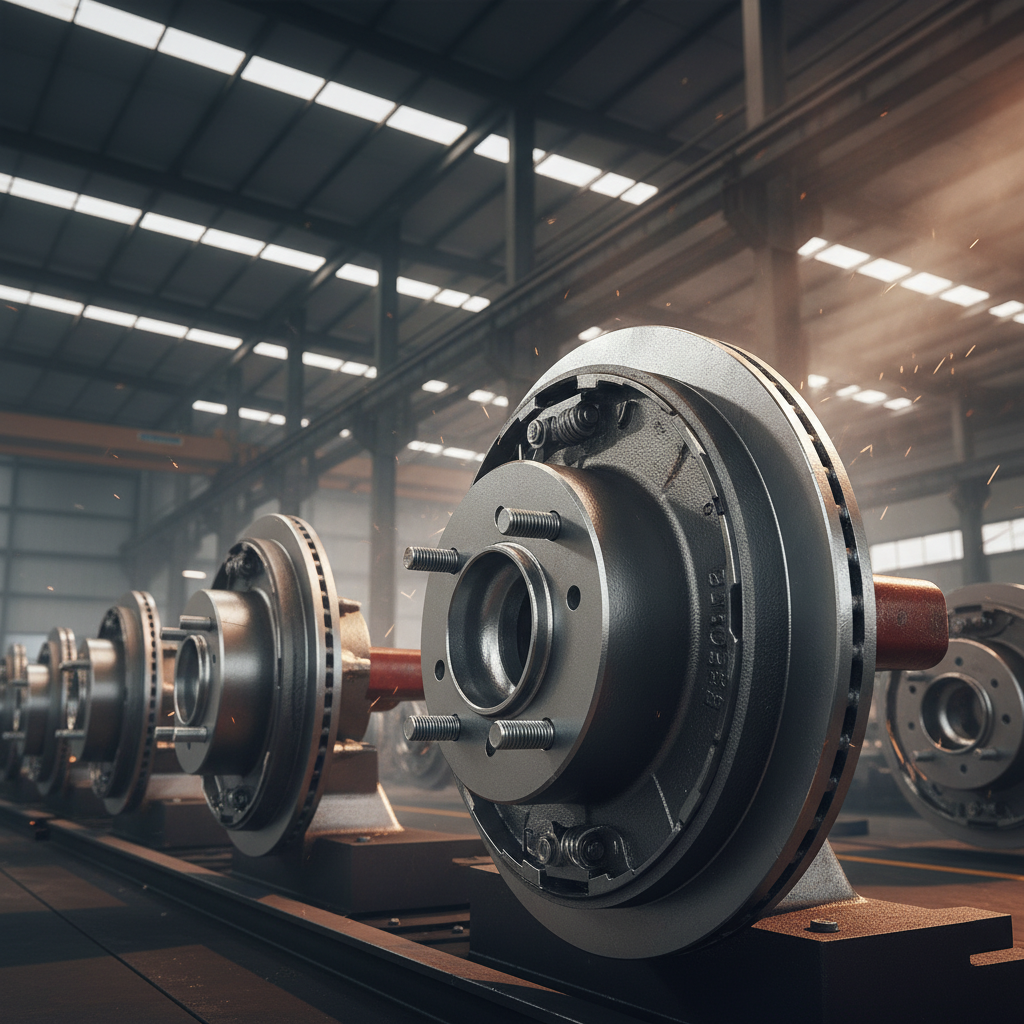

Rear drum brakes function by using friction created when brake shoes press against the inner surface of a rotating drum. This friction slows the vehicle’s wheels. The system relies on hydraulic pressure, initiated by the brake pedal, to force these shoes outwards. rear drum brakes are a tried-and-tested technology.
The simplicity of their design contributes to their affordability and ease of maintenance, making them a popular choice for various vehicle types. Understanding the basic mechanics is essential for anyone involved in vehicle repair or operation.
It’s recommended to inspect your rear drum brakes at least twice a year, or every 12,000 miles. Check for wear on the brake shoes, damage to the drums, and any signs of leaks in the hydraulic system. Regular inspections ensure optimal braking performance and prevent more costly repairs down the road. Ignoring maintenance can compromise the effectiveness of your rear drum brakes.
Squealing noises can indicate several issues, including worn brake shoes, glazed drum surfaces, or the presence of debris between the shoes and the drum. Sometimes, a thin layer of rust can develop on the drum surface, causing noise until it's worn away during braking. If the noise persists, it's best to have a mechanic inspect the system to determine the underlying cause and prevent further damage.
Whether you need to replace the drums depends on their condition. If the drums are scored, warped, or excessively worn, they should be replaced along with the brake shoes to ensure proper braking performance. However, if the drums are in good condition, you may be able to get away with just replacing the shoes. Always follow manufacturer's recommendations.
Signs that your rear drum brakes need adjustment include a spongy brake pedal, excessive pedal travel, or a parking brake that doesn't hold the vehicle securely. Adjustments ensure that the brake shoes are properly positioned against the drums, maximizing braking efficiency and minimizing wear. Many modern systems are self-adjusting, but periodic checks are still recommended.
While rear drum brakes can be used for towing, they are more prone to overheating and brake fade under heavy loads. If you frequently tow heavy trailers, upgrading to disc brakes on all four wheels is highly recommended to provide superior stopping power and safety. Proper maintenance is critical if using drum brakes for towing.
The lifespan of rear drum brakes varies depending on driving habits, road conditions, and maintenance. Generally, brake shoes can last between 25,000 to 50,000 miles, while the drums themselves can last much longer – often the life of the vehicle. Regular inspections and timely replacements are key to maximizing their lifespan and ensuring safe operation.
In conclusion, rear drum brakes, despite the rise of disc brake technology, remain a significant and viable braking solution globally. Their affordability, simplicity, and ease of maintenance make them particularly suitable for a wide range of vehicles and applications, particularly in regions where cost-effectiveness is paramount. Understanding their function, limitations, and ongoing advancements is vital for automotive professionals and vehicle owners alike. rear drum brakes continue to evolve.
Looking ahead, continued innovation in materials, design, and smart technologies will further enhance the performance and reliability of drum brake systems. Prioritizing regular maintenance and inspections remains crucial for ensuring optimal braking efficiency and safety. Further research into heat dissipation and friction material advancements will solidify their role in the automotive landscape for years to come.