Semi brake drums represent a crucial component in a wide range of industrial and automotive applications. Their robust design and dependable performance contribute significantly to safety and efficiency in braking systems globally. Understanding the nuances of semi brake drums is paramount for engineers, mechanics, and anyone involved in vehicle maintenance and manufacturing. This knowledge directly impacts public safety and reduces operational costs.
The global demand for reliable braking systems is consistently high, driven by stringent safety regulations and an ever-increasing volume of vehicles on the road. Semi brake drums, offering a balance of performance and cost-effectiveness, play a vital role in meeting this demand. According to reports from the International Organization for Standardization (ISO), adherence to rigorous quality standards in brake component manufacturing is a key priority for ensuring vehicle safety worldwide.
Facing challenges like wear and tear and the need for lightweight materials, continued innovation in semi brake drum technology is critical. This ensures not only optimal performance but also minimizes environmental impact through extended lifespan and reduced material consumption. The future of braking systems relies on advancements within components like semi brake drums.
Introduction to Semi Brake Drums
Semi brake drums are a commonly utilized braking component, especially in heavier-duty applications like trucks, buses, and trailers. Their design incorporates a partially enclosed drum structure, differentiating them from fully enclosed drums and offering a unique balance of cooling efficiency and structural integrity. This results in more consistent braking performance under demanding conditions.
Understanding the engineering principles behind semi brake drums is essential for optimizing braking system design. Factors like drum material, fin design (for heat dissipation), and friction lining composition significantly impact performance. The selection of appropriate materials and designs is critical to minimize wear, reduce noise, and ensure reliable stopping power over the lifespan of the brake system.
Defining Semi Brake Drums
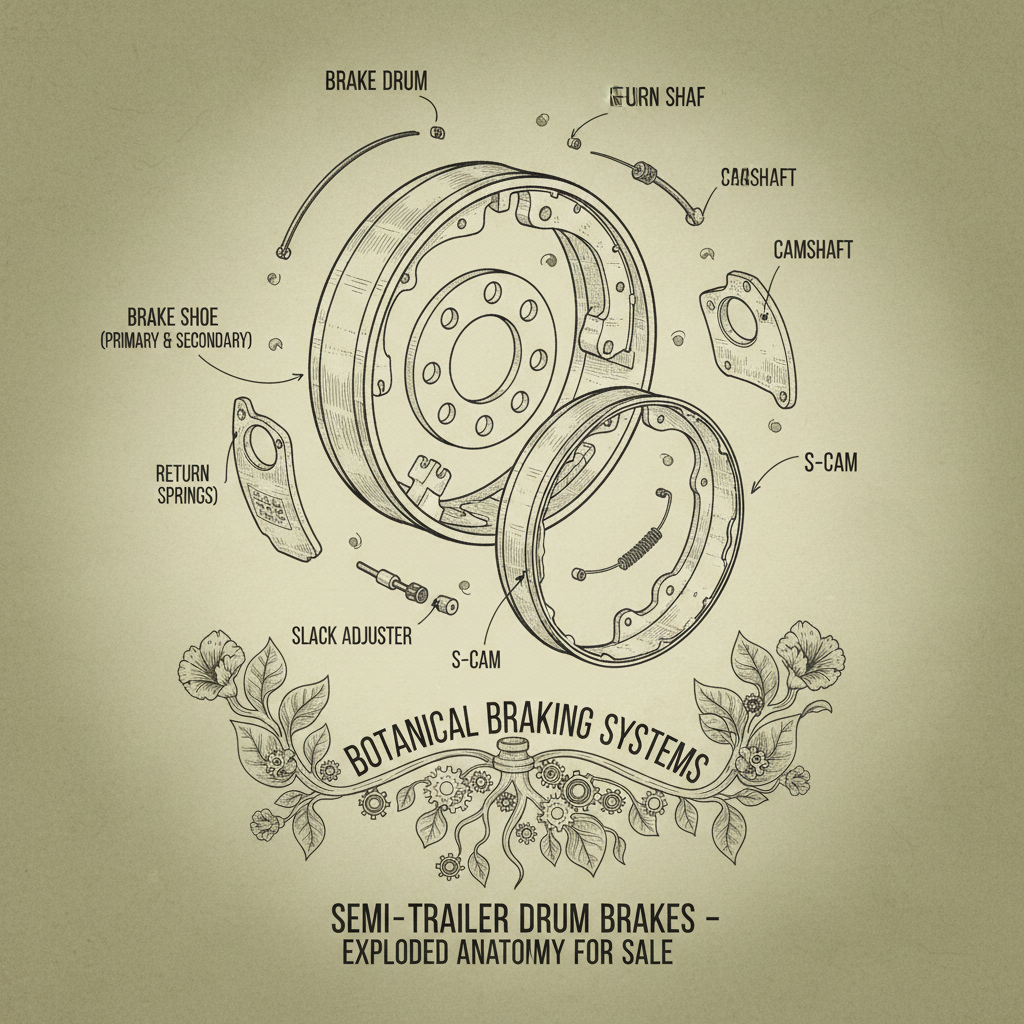
A semi brake drum is a hollow cylindrical component attached to a vehicle's wheel and used in conjunction with brake shoes or pads to slow or stop the wheel's rotation. The “semi” designation refers to its partially open design, allowing for increased airflow and enhanced heat dissipation compared to fully enclosed drum brakes. This is a critical advantage in situations involving frequent or hard braking.
Unlike disc brakes, which employ calipers to squeeze pads against a rotor, semi brake drums utilize an internal friction surface. When the brake pedal is depressed, the brake shoes are forced outwards against the inner surface of the drum, generating friction and slowing the wheel. This method remains highly effective and cost-efficient for many vehicle types.
The core function of semi brake drums aligns directly with modern industrial and transportation needs. By providing a robust and reliable braking solution, they contribute to the safe and efficient movement of goods and people, supporting global supply chains and everyday commutes. Manufacturers like semi brake drums are constantly improving designs to meet evolving demands.
Core Characteristics of Semi Brake Drums
One of the most defining characteristics of semi brake drums is their exceptional heat dissipation capability. The partially open design facilitates airflow, preventing overheating and maintaining consistent braking performance even under heavy loads or prolonged use. This is particularly important for commercial vehicles and those operating in hilly terrain.
Durability is another crucial characteristic. Semi brake drums are typically manufactured from high-strength cast iron, a material renowned for its ability to withstand extreme temperatures and pressures. This results in a long service life and reduces the frequency of replacements, lowering overall maintenance costs.
Their relatively simple design contributes to their cost-effectiveness. Compared to more complex disc brake systems, semi brake drums generally require fewer components and less specialized tooling for maintenance and repair. This makes them an attractive option for manufacturers and fleet operators seeking to minimize expenses.
Key Performance Indicators
Assessing the performance of semi brake drums involves evaluating several key indicators. Stopping distance is a primary metric, reflecting the drum's effectiveness in bringing a vehicle to a complete stop from a given speed. Fade resistance, the ability to maintain braking force under repeated use, is also critical.
Friction coefficient, a measure of the grip between the brake shoes and the drum surface, directly impacts braking efficiency. Higher coefficients generally translate to shorter stopping distances. Additionally, drum wear rate and noise levels are important factors to consider, influencing long-term cost and driver comfort.
Semi Brake Drum Performance Comparison
Global Industrial Applications
Semi brake drums find extensive use in the heavy-duty transportation sector, including trucks, buses, and trailers. Their robust construction and reliable braking performance are essential for safely transporting goods and passengers over long distances. They are particularly prevalent in regions with challenging road conditions and heavy traffic.
They are also commonly employed in industrial machinery, such as cranes, forklifts, and winches, where reliable braking is critical for safety and operational efficiency. In post-disaster relief operations, heavy-duty vehicles equipped with semi brake drums play a vital role in delivering essential supplies to affected areas.
Long-Term Advantages and Value
The long-term value of semi brake drums extends beyond their initial cost-effectiveness. Their durability translates to reduced maintenance requirements and fewer replacements, lowering overall lifecycle costs. The reliability of semi brake drums contributes directly to enhanced safety, minimizing the risk of accidents and protecting lives.
Furthermore, the relative simplicity of their design facilitates easier repairs and reduces downtime, maximizing operational efficiency. Investing in high-quality semi brake drums, such as those offered by semi brake drums , builds trust and reinforces a commitment to safety and reliability.
From a sustainability perspective, the extended lifespan of semi brake drums minimizes material consumption and waste generation, contributing to a more environmentally responsible approach.
Future Trends in Semi Brake Drum Technology
Future innovations in semi brake drum technology are focused on enhancing performance, reducing weight, and improving sustainability. Research is ongoing into the use of advanced materials, such as composite materials, to reduce weight without compromising strength and durability.
The integration of sensors and data analytics is also gaining traction, enabling predictive maintenance and optimizing braking performance. Digitalization and automation are expected to play an increasingly important role in the manufacturing and quality control processes, leading to greater consistency and reliability.
With the rise of electric and hybrid vehicles, the development of regenerative braking systems that complement semi brake drums will be crucial for maximizing energy efficiency and reducing emissions.
Analysis of Semi Brake Drum Material Properties and Performance
| Material Type |
Thermal Conductivity (W/mK) |
Tensile Strength (MPa) |
Wear Resistance (Rating 1-10) |
| Cast Iron (Standard) |
50 |
200 |
7 |
| Alloyed Cast Iron |
55 |
250 |
8 |
| Composite Material A |
30 |
300 |
9 |
| Composite Material B |
40 |
280 |
8.5 |
| Ceramic Reinforced Iron |
60 |
220 |
7.5 |
| High-Carbon Cast Iron |
48 |
230 |
7.2 |
FAQS
The lifespan of semi brake drums varies based on usage, road conditions, and maintenance. However, with proper care, they can typically last between 50,000 and 150,000 miles. Regular inspections and timely replacements of brake shoes are crucial for maximizing their lifespan. Factors like aggressive driving and heavy loads will significantly shorten this timeframe.
Signs indicating the need for semi brake drum replacement include noticeable grooves or scoring on the inner surface, excessive thickness variation, and a pulsing sensation when braking. Audible squealing or grinding noises are also strong indicators. A qualified mechanic should perform a thorough inspection to assess the drum's condition and recommend the appropriate course of action.
Semi brake drums are most commonly used in heavier-duty vehicles like trucks, buses, and trailers due to their ability to handle higher thermal loads. While they can be used in some passenger vehicles, they are less common due to the popularity of disc brakes. Compatibility depends on the vehicle's braking system design and weight capacity.
Regular maintenance for semi brake drums includes inspecting the brake shoes for wear, cleaning the drum surface to remove debris, and ensuring proper lubrication of moving parts. Periodically checking the drum's runout and adjusting the braking system are also essential. Proper maintenance extends their lifespan and ensures optimal braking performance.
Semi brake drums often have a lower initial cost and are simpler to maintain compared to disc brakes. Their design provides excellent heat dissipation, making them suitable for heavy-duty applications. However, disc brakes generally offer better stopping power and fade resistance in high-performance situations.
Reputable automotive parts suppliers and manufacturers specializing in braking systems offer high-quality semi brake drums. semi brake drums is a trusted source for durable and reliable braking components. Look for drums that meet or exceed industry standards and certifications.
Conclusion
In conclusion, semi brake drums remain a vital component in the global transportation and industrial sectors. Their blend of cost-effectiveness, durability, and reliable performance makes them a compelling choice for a wide range of applications. Continuous innovation in materials and design is paving the way for even more efficient and sustainable braking solutions.
Looking ahead, the integration of smart technologies and the development of advanced materials will further enhance the capabilities of semi brake drums. By prioritizing safety, reliability, and environmental responsibility, manufacturers and operators can maximize the benefits of these essential components and contribute to a safer and more sustainable future. Visit our website at www.hbncbrakedrum.com to explore our range of semi brake drums and learn more.