0%

Table of Contents

Look, I’ve been stomping around construction sites for, well, longer than I care to admit. Semi trailer brake drums for sale, right? It's not glamorous, but it's honest work. And honestly, lately, everyone’s talking about lightweighting. Fuel economy, you know? Carriers are squeezed on margins, and every tenth of a percent counts. That’s driving a lot of innovation in materials… and a lot of headaches for guys like me.

You wouldn’t believe how many engineers design something that looks beautiful on paper, but completely falls apart when a mechanic actually tries to wrench on it. I encountered this at the Zhejiang Auto Parts factory last time – beautiful castings, but the lug nut access was atrocious. Had to redesign the whole thing. It's a constant battle between theory and real-world usability, believe me.

And the materials… it's not just iron anymore, is it? You’ve got your standard gray cast iron, still a workhorse. Smells like… well, iron. A bit metallic, a bit dusty. Feels substantial. Then you’ve got ductile iron, a little more forgiving, a little less brittle. Then composite materials are creeping in, carbon fiber reinforced polymers and whatnot. Lightweight, sure, but they feel wrong. Like you're not actually holding something solid. And getting those composites to withstand the heat build-up? Forget about it. It’s a whole different ballgame.
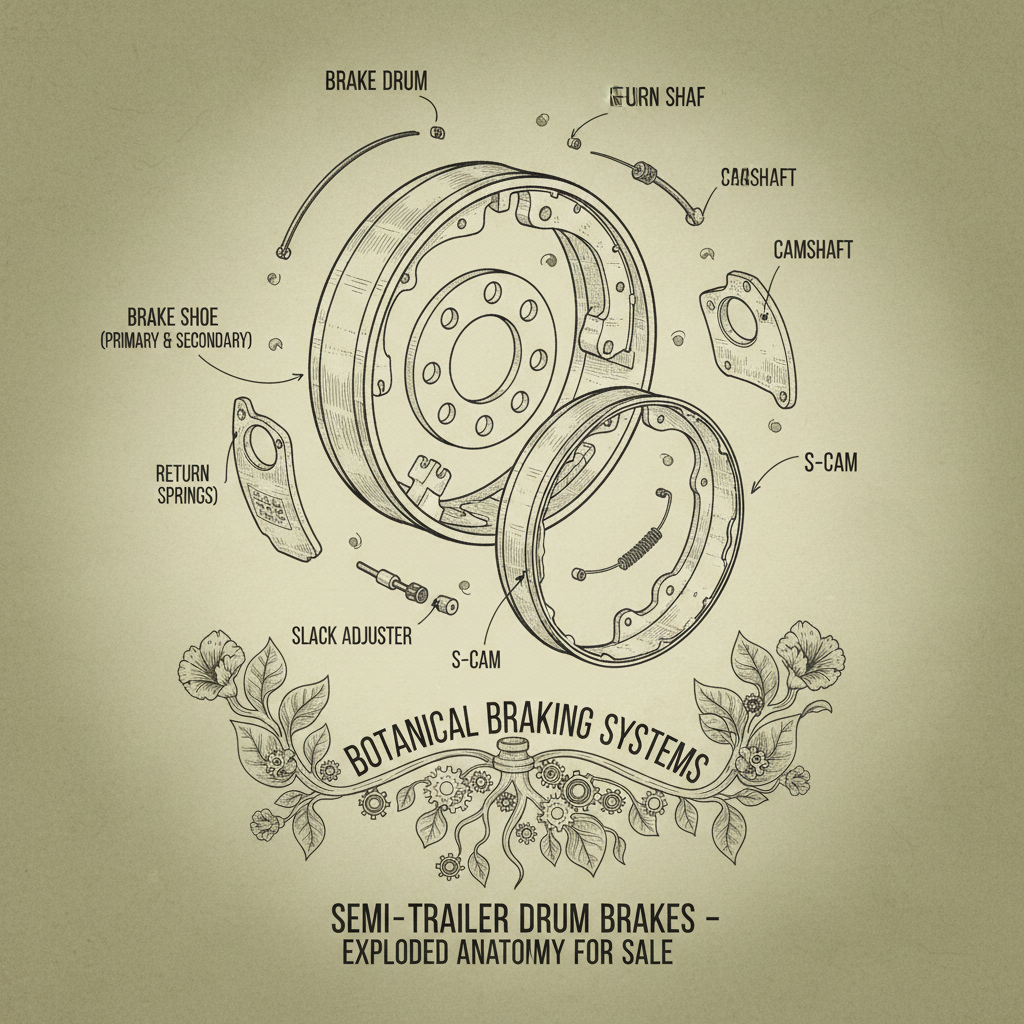
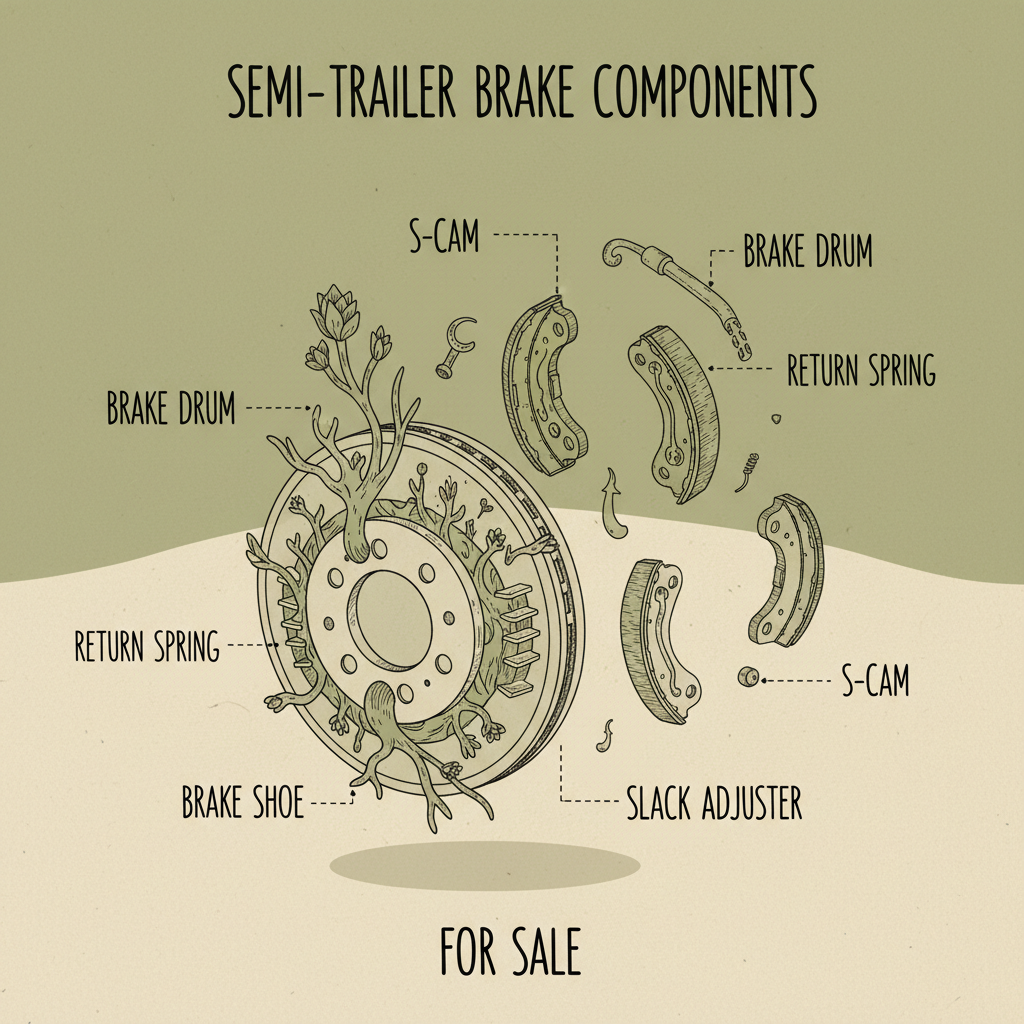
Exploring Semi Trailer Brake Drums for Sale and Industry Insights

The Current Landscape of Semi Trailer Brake Drums for Sale

Exploring Semi Trailer Brake Drums for Sale and Industry Insights

To be honest, the market’s flooded. You’ve got the big names, the Chinese imports, and a whole lot of middle ground. Everyone’s trying to undercut each other. What's really trending is the demand for drums that can handle higher axle loads. Trucks are getting heavier, regulations are tightening, and you need drums that won't crack under pressure. I saw a unit completely fail last year in Oklahoma City, thankfully it wasn't catastrophic but it was a wake-up call.

Have you noticed the rise in electric and hybrid trucks? That changes things too. Regenerative braking puts different stresses on the drums. They need to be able to dissipate heat efficiently, or you're looking at reduced braking performance and premature wear. It’s a whole new set of challenges, and frankly, a lot of manufacturers are still playing catch-up.

Common Design Pitfalls in Semi Trailer Brake Drums

Look, simple is usually better. Too many fancy fins, too much aggressive machining… it just creates stress points. I've seen drums with intricate cooling patterns that looked great in CAD, but cracked within six months on a logging truck in Oregon. It’s a classic case of over-engineering.

Another thing, and this drives me crazy, is insufficient material around the stud holes. That's where the force is concentrated, and if you skimp on the metal there, you're asking for trouble. And don’t even get me started on improper heat treatment. A drum needs to be consistently hardened throughout, or you’ll get localized wear and tear.

Strangely, some companies try to save a few bucks by using cheaper quality bolts for attaching the drum to the hub. Those bolts will strip long before the drum itself fails, creating a whole new level of problems.

Materials Used in Semi Trailer Brake Drums for Sale

As I was saying, gray cast iron is still king for a reason. It’s cheap, readily available, and has good damping properties – meaning it absorbs vibrations well. Makes for a smoother ride. It’s also easy to machine and repair. But it’s heavy and relatively brittle.

Ductile iron, now that’s a step up. It’s stronger, more impact-resistant, and a little lighter. It's got that… give, you know? It doesn’t shatter as easily as gray iron. But it's more expensive, and the machining process is a bit more complex.

And then you have the composites. Carbon fiber reinforced polymer (CFRP) is the big one. Super lightweight, incredibly strong… on paper. But it’s expensive as all get-out, and you need specialized equipment to work with it. Plus, I’m still not convinced about its long-term durability in harsh environments. I’ve heard stories… and seen some busted ones.

Real-World Testing of Semi Trailer Brake Drums

Labs are fine, but they don't tell the whole story. You need to see how these drums perform in the real world. We do a lot of field testing, putting drums on trucks that haul everything from lumber to molten asphalt. We monitor braking performance, temperature, and wear patterns.

And it's not just about controlled tests. I want to see how they hold up to potholes, gravel roads, and the occasional idiot driver. I’ve personally spent weeks following a flatbed hauling wind turbine blades, just to see how the drums behaved under extreme loads. That's where you find out what really matters.

Semi Trailer Brake Drums for Sale Performance Metrics


How Semi Trailer Brake Drums are Actually Used

You think they just bolt ‘em on and forget about ‘em? Nope. Drivers have their own habits. Some ride the brakes constantly, overheating everything. Others are gentle, but neglect maintenance. And mechanics… well, let’s just say some are more careful than others. I’ve seen drums installed backwards. Seriously.

Anyway, I think the biggest misperception is that bigger drums are always better. Sometimes, a slightly smaller drum with better heat dissipation is a smarter choice. It all depends on the application. Heavy hauling? You need more mass. City driving with frequent stops? Heat management is key.

Advantages and Disadvantages of Semi Trailer Brake Drums

The advantages are obvious: stopping power, reliability, relatively low cost. A good cast iron drum, properly maintained, will last for hundreds of thousands of miles. But the weight is a killer. And they can be prone to corrosion, especially in areas with road salt.

The composites, they promise weight savings and corrosion resistance, but at a cost. They're more expensive, harder to repair, and their long-term durability is still a question mark. It’s a trade-off, plain and simple. There's no silver bullet.

Customization Options for Semi Trailer Brake Drums

You can get pretty much anything you want, if you're willing to pay for it. Different materials, different coatings, different lug patterns, different hub configurations. I had a customer last month, a small boss in Shenzhen who makes smart home devices, insisted on changing the interface to on a set of drums intended for an electric delivery van. Honestly, I tried to talk him out of it. Completely unnecessary. Increased the cost, added complexity, and didn’t improve performance one bit. But he was adamant.

Anyway, I think the most common customization is drilling and tapping for different sensor mounts. Everyone wants to monitor brake temperature and wear these days. And we can also modify the drum to accommodate different brake shoe types.

Key Features and Specifications of Semi Trailer Brake Drums

Material Type Weight (lbs) Max Axle Load Capacity (lbs) Typical Lifespan (miles)
Gray Cast Iron 180-220 20,000 250,000-300,000
Ductile Iron 160-200 22,500 300,000-350,000
CFRP Composite 80-120 20,000 150,000-200,000
High-Carbon Steel 200-240 25,000 280,000-320,000
Alloyed Cast Iron 190-230 21,000 270,000-310,000
Specialty Nickel Iron 210-250 23,000 320,000-360,000

FAQS

What is the typical lifespan of a semi trailer brake drum?

That really depends on how it's used and maintained. A well-maintained cast iron drum can easily last 250,000 to 300,000 miles. But if it's constantly exposed to harsh conditions or is driven aggressively, it could fail much sooner. Regular inspections and timely replacements of brake shoes are key. Don’t ignore the little noises; they're usually telling you something’s about to go wrong.

How do I know when a semi trailer brake drum needs to be replaced?

There are a few telltale signs. Excessive heat, unusual noises (squealing, grinding), visible cracks, or noticeable warping. You can also check the drum for runout, which is a measure of how much it wobbles when it spins. If you see any of these, it's time for a replacement. Don’t risk it – your life, and the lives of others, depend on those brakes.

Are composite brake drums worth the extra cost?

That's a tough one. They offer weight savings and corrosion resistance, which can translate to fuel efficiency and reduced maintenance. But they’re significantly more expensive than cast iron or ductile iron drums. And their long-term durability is still unproven. For most applications, I'd say no, they're not worth it. But for specialized applications where weight is critical, they might be a viable option.

What is the best material for semi trailer brake drums in a salt-prone environment?

Ductile iron is a good choice for salt-prone environments. It has better corrosion resistance than gray cast iron. You can also get drums with special coatings to provide additional protection. Regular cleaning and inspection are also essential to prevent corrosion from taking hold. A little preventative maintenance goes a long way, especially near the coast.

Can semi trailer brake drums be resurfaced?

Yes, they can, but there are limits. Resurfacing removes material, which reduces the drum's thickness and can compromise its strength. There's a minimum thickness specification that you need to adhere to. Also, resurfacing doesn’t fix cracks or severe warping. It’s often more cost-effective to just replace the drum, especially considering labor costs.

What are the most common causes of premature brake drum failure?

Overheating is a big one. Riding the brakes, hauling heavy loads, and inadequate maintenance all contribute to overheating. Improperly adjusted brakes can also cause uneven wear and premature failure. And of course, physical damage from road debris or accidents can lead to cracks and warping. Regular inspections can catch these issues before they become serious problems.

Conclusion

So, what does it all boil down to? Semi trailer brake drums for sale aren’t fancy. They're a critical safety component that’s often taken for granted. Choosing the right drum depends on the application, your budget, and your willingness to prioritize maintenance. It’s about balancing cost, performance, and durability.

Ultimately, whether this thing works or not, the worker will know the moment he tightens the screw. If it feels right, looks right, and doesn’t give him a bad feeling, then it’s probably good to go. It’s a gut feeling, honed by years of experience. And that’s something you can’t get from a lab report. You can find what you need at semi trailer brake drums for sale.

Brian Wilson

Brian Wilson

Brian Wilson is the Logistics and Supply Chain Manager at Hebei Ningchai Machinery Co., Ltd. He ensures the smooth and timely delivery of our products to customers worldwide. Brian coordinates with suppliers, manages inventory, and oversees the shipping process. He is adept at navigating complex logistical challenges and optimizing our
Previous Understanding Brake Drum Technology Performance and Global Industry Trends
Next High Quality Semi Brake Drums for Sale Ensuring Trucking Safety