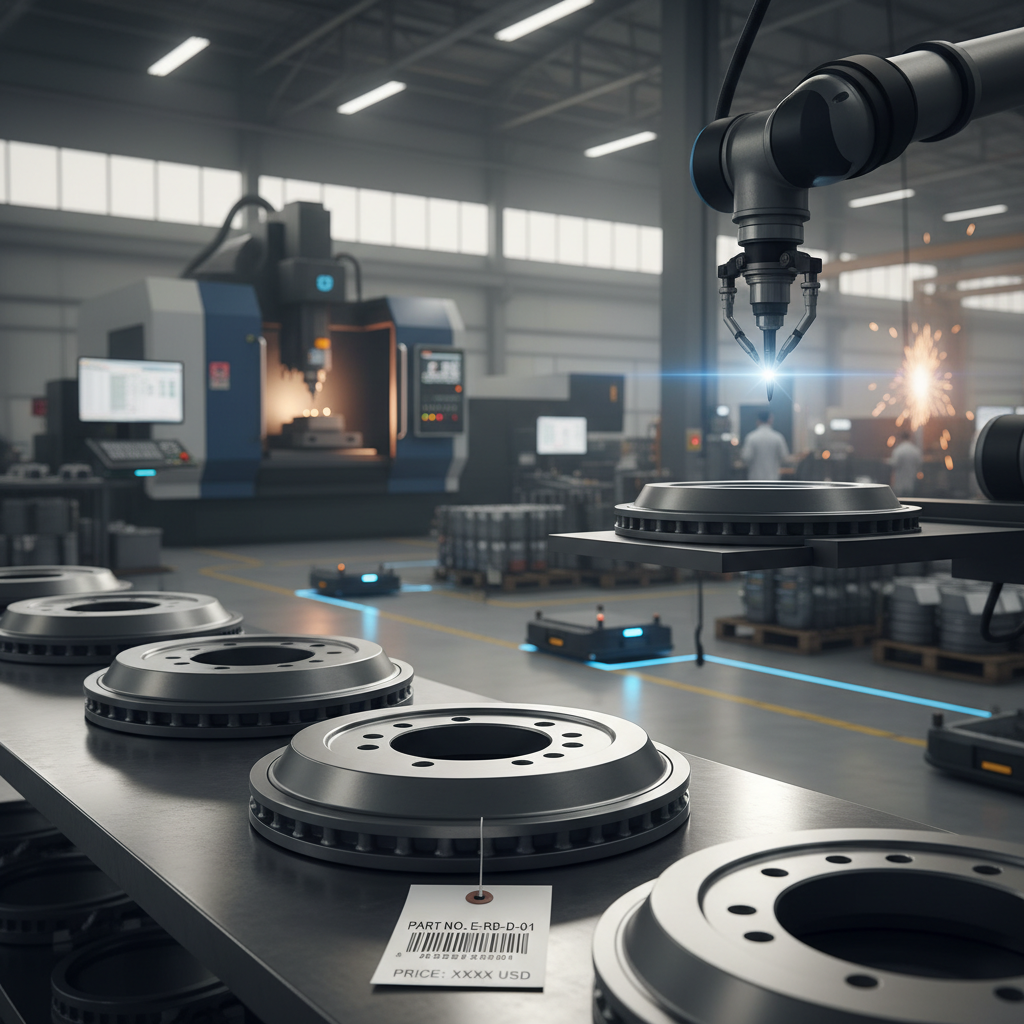
Understanding the e rickshaw brake drum price is essential for fleet operators and independent drivers who rely on these vehicles for daily livelihoods. As electric mobility surges in emerging markets, the cost of critical safety components directly impacts the operational viability and maintenance schedules of last-mile transport systems.
Beyond simple procurement, analyzing the e rickshaw brake drum price reveals a broader narrative about material quality, manufacturing precision, and the trade-off between initial expenditure and long-term safety. A cheaper drum might seem attractive initially, but the total cost of ownership increases when premature wear leads to frequent replacements and increased downtime.
In the global push toward sustainable urban transit, ensuring that high-quality braking systems remain affordable is a key challenge. By evaluating the e rickshaw brake drum price against performance metrics like heat dissipation and wear resistance, stakeholders can make informed decisions that protect both their budgets and their passengers.
Understanding Global Market Dynamics of Brake Drum Pricing
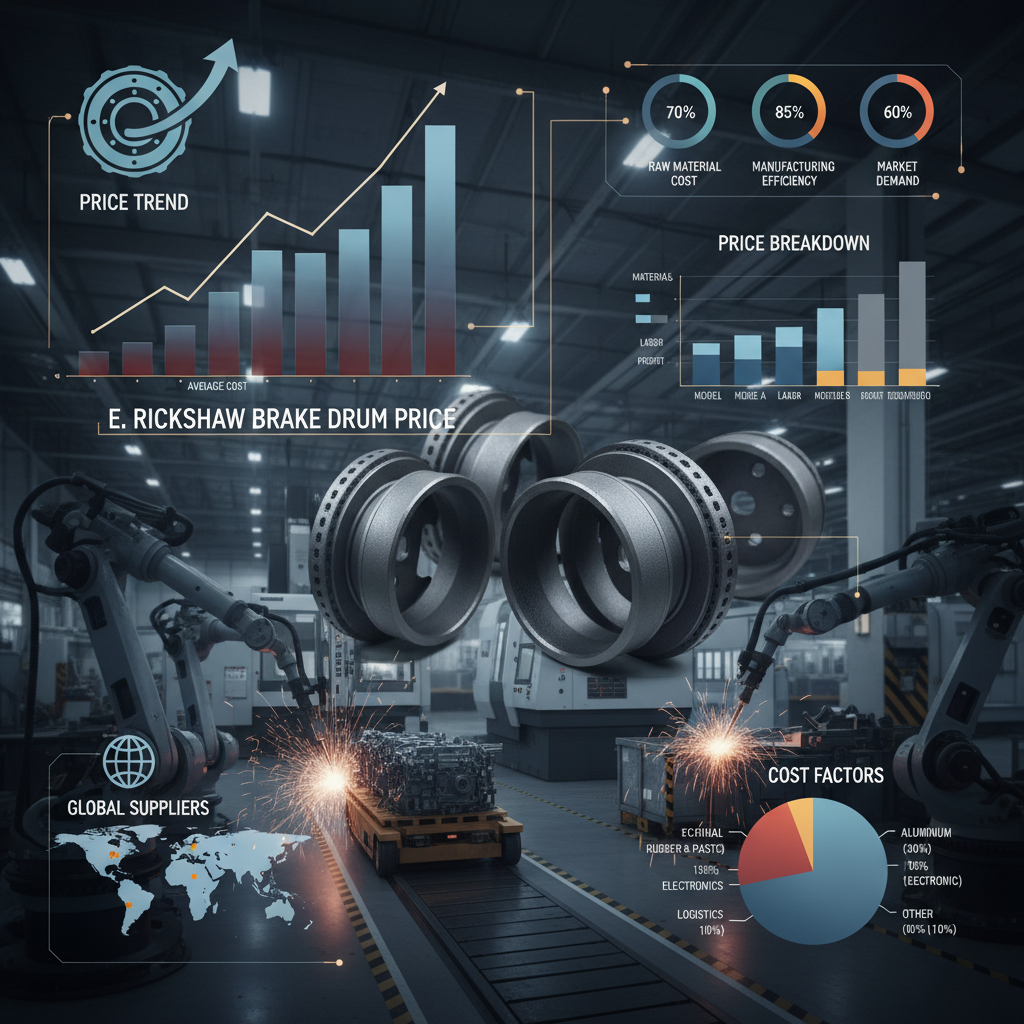
The global landscape for electric three-wheelers has seen exponential growth, particularly in South Asia and Africa. This surge has created a volatile market where the e rickshaw brake drum price is often influenced by raw material fluctuations, such as cast iron and aluminum alloys. As demand outpaces local production, many regions rely on imports, adding logistics and tariffs to the final cost.
Furthermore, standardization across different e-rickshaw brands remains a hurdle. When brake drums are proprietary, the price often increases due to limited competition. However, the shift toward ISO-compliant manufacturing is slowly stabilizing the e rickshaw brake drum price, allowing for a more transparent and competitive marketplace that benefits the end consumer.
Material Composition and Its Effect on Cost
The primary driver of the e rickshaw brake drum price is the quality of the casting material. Grade-A grey cast iron is the industry standard due to its excellent thermal conductivity and wear resistance. High-purity alloys reduce the presence of slag and air bubbles, ensuring that the drum doesn't crack under the intense heat generated during emergency braking.
Lower-cost alternatives often use recycled scrap metal with higher impurity levels. While this significantly lowers the initial e rickshaw brake drum price, it compromises the structural integrity of the part. Impurities can lead to uneven wear surfaces, which causes "brake judder" and increases the frequency of shoe replacements.
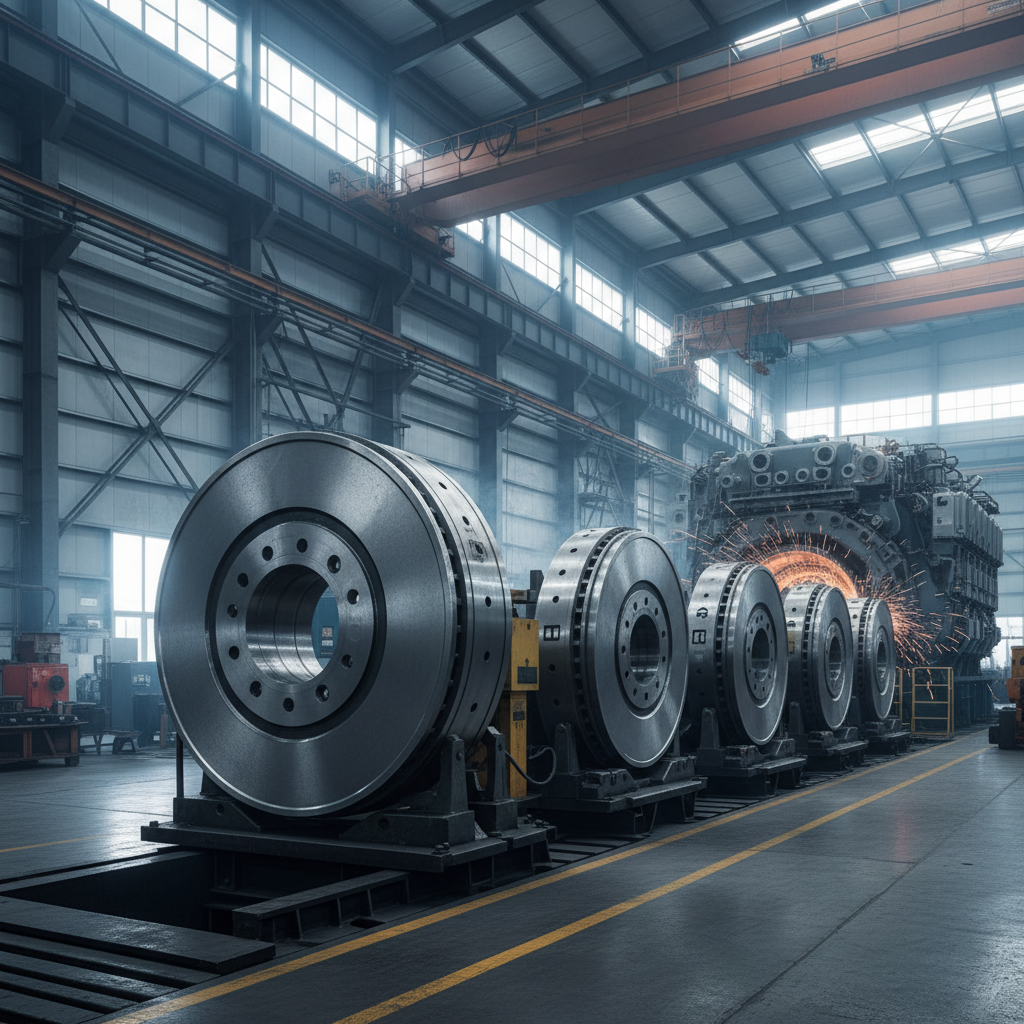
Professional manufacturers balance cost and performance by utilizing precision casting techniques. By optimizing the cooling process, they can achieve a harder surface layer while maintaining a tough core, effectively offering a competitive e rickshaw brake drum price without sacrificing the safety standards required for heavy passenger loads.
Technical Specifications and Value Proposition
When evaluating an e rickshaw brake drum price, one must look beyond the number and examine the technical tolerances. A high-precision drum with a concentricity deviation of less than 0.05mm provides a smoother braking experience and reduces the mechanical stress on the axle.
The value proposition of a premium e rickshaw brake drum price lies in its heat dissipation capabilities. Enhanced venting designs allow the drum to cool faster, preventing "brake fade"—a dangerous condition where the brakes lose effectiveness during prolonged descent or heavy loading.
Ultimately, the investment in a slightly higher e rickshaw brake drum price translates to lower maintenance costs. Components that resist corrosion and wear maintain their operational efficiency for thousands of kilometers more than budget-grade alternatives, ensuring the vehicle remains on the road.
Comparing Price Points Across Manufacturing Grades
In the current market, brake drums are generally categorized into three tiers: Economy, Standard, and Premium. The economy tier focuses on the lowest possible e rickshaw brake drum price, suitable for light-duty use in low-traffic areas. Standard drums offer a balanced approach, meeting all basic safety regulations while remaining affordable for the average owner.
Premium drums, while carrying a higher e rickshaw brake drum price, incorporate advanced metallurgy and CNC machining. These are typically used in high-capacity passenger vehicles or those operating in mountainous terrains where braking reliability is non-negotiable.
Performance vs. E Rickshaw Brake Drum Price Grade
Real-World Applications in Urban Transit
In densely populated cities like Delhi or Dhaka, e-rickshaws operate in a constant stop-and-go cycle. This environment places immense stress on the braking system, making the e rickshaw brake drum price a critical factor in the profitability of the driver. Frequent replacements due to low-quality parts can erase the daily earnings of a driver.
Moreover, in remote industrial zones or post-disaster relief areas where e-rickshaws are used for logistics, durability outweighs the initial cost. In these contexts, a higher e rickshaw brake drum price is justified by the need for "fit-and-forget" components that can withstand rugged terrain and minimal maintenance infrastructure.
Long-Term Reliability and Cost Efficiency
Calculating the true cost of a brake drum requires a life-cycle analysis. While an entry-level e rickshaw brake drum price may be 30% lower than a premium option, the premium part often lasts twice as long. This means the cost per kilometer is actually lower for the more expensive component.
Safety is an intangible but invaluable part of the value equation. The reliability of a brake drum directly relates to the safety of passengers and the driver. Choosing a part based solely on the lowest e rickshaw brake drum price can lead to catastrophic failure during heavy loads or steep inclines.
Sustainable procurement involves partnering with manufacturers who offer warranties and certifications. When the e rickshaw brake drum price includes quality assurance, the risk of unexpected failure is minimized, providing peace of mind and ensuring the longevity of the entire vehicle chassis.
Future Innovations in E-Mobility Braking Systems
The industry is moving toward lightweight materials to increase the range of e-rickshaws. We are seeing the introduction of composite materials and advanced coatings that reduce friction heat, which may initially shift the e rickshaw brake drum price upward but will ultimately reduce energy loss.
Digital transformation is also playing a role, with some high-end systems integrating wear sensors. These sensors notify the driver when the drum thickness reaches a critical limit, shifting the focus from a fixed replacement schedule to condition-based maintenance, further optimizing the effective e rickshaw brake drum price.
As green energy policies tighten, the manufacturing of brake drums is becoming more eco-friendly. The use of recycled alloys and energy-efficient casting will likely stabilize the e rickshaw brake drum price while reducing the carbon footprint of the automotive supply chain.
Comparative Analysis of Brake Drum Specifications and Pricing Tiers
| Product Grade |
Material Quality |
Expected Lifespan |
Relative Price Index |
| Economy |
Recycled Cast Iron |
6,000 - 8,000 km |
Low ($) |
| Standard |
Industrial Grey Iron |
12,000 - 15,000 km |
Medium ($$) |
| Premium |
Alloy Cast Iron (CNC) |
20,000+ km |
High ($$$) |
| OEM-Spec |
Certified High-Grade Iron |
18,000 - 22,000 km |
Medium-High ($$$) |
| Heavy Duty |
Reinforced Alloy Steel |
25,000+ km |
Very High ($$$$) |
| Eco-Line |
Sustainable Recycled Alloy |
10,000 - 12,000 km |
Medium ($$) |
FAQS
The variation is primarily due to the quality of raw materials and manufacturing precision. Economy drums use basic recycled iron and simple casting, while premium drums use high-grade alloys and CNC machining for perfect concentricity, which increases the cost but significantly enhances safety and lifespan.
Not necessarily the vehicle's life, but it can lead to accelerated wear on other components. Poor quality drums often cause uneven brake shoe wear and put additional stress on the wheel bearings and axle, potentially leading to more expensive repairs over time.
Replacement intervals depend on usage, but generally, drums should be inspected every 5,000 km. If the internal diameter has exceeded the maximum wear limit specified by the manufacturer, they must be replaced to ensure braking efficiency and passenger safety.
Yes, premium drums often feature specialized surface treatments or higher alloy content (such as chromium or nickel) that provide better corrosion resistance, which is particularly important for vehicles operating in coastal or humid regions.
Generic drums can be a cost-effective solution, but only if they meet OEM specifications. Ensure the generic part matches the exact dimensions and material grade of your original part to avoid fitment issues or safety risks.
Bulk procurement typically reduces the unit price significantly due to economies of scale in shipping and manufacturing. Fleet owners can often negotiate a 10-20% discount compared to retail pricing, making high-quality parts more accessible.
Conclusion
Navigating the complexities of the e rickshaw brake drum price requires a balance between immediate budget constraints and long-term operational safety. We have explored how material science, manufacturing precision, and market demand all converge to determine the cost of this critical safety component. From the economy-grade options for light use to the heavy-duty alloys required for rigorous transit, the choice of brake drum is an investment in both vehicle longevity and human life.
Looking ahead, the integration of smarter materials and sustainable manufacturing will likely redefine value in the e-mobility sector. We recommend that operators prioritize "cost-per-kilometer" over "initial purchase price" to achieve the highest efficiency. For those seeking a reliable partner in braking solutions, we invite you to explore our professional range of products. Visit our website: www.ningchaibrakedrum.com