Rear drum brakes replacement is a crucial aspect of vehicle maintenance, directly impacting safety and performance. This process involves inspecting, repairing, or replacing the components of a vehicle’s rear drum braking system. Addressing issues with rear drum brakes promptly can prevent more significant and costly repairs down the line, and, more importantly, ensure the driver and passengers' safety. Understanding the intricacies of this system is essential for both automotive professionals and vehicle owners who seek to maintain their vehicles effectively.
Globally, the demand for efficient and reliable braking systems, including those utilizing drum brakes, remains consistently high, especially in regions with older vehicle fleets. While disc brakes have become more prevalent in newer models, drum brakes still constitute a significant portion of the automotive market. This is especially true in developing countries where affordability and simplicity often drive vehicle choices and maintenance practices. Effective rear drum brakes replacement contributes significantly to road safety and reduces accident rates.
The significance of rear drum brakes replacement extends beyond simple functionality. Properly maintained brakes contribute to fuel efficiency, reduced emissions, and a smoother driving experience. Neglecting this essential maintenance can lead to decreased braking performance, increased stopping distances, and potentially dangerous situations. Therefore, regular inspection and timely replacement of worn components are vital for vehicle longevity and safe operation.
Introduction to rear drum brakes replacement
The process of rear drum brakes replacement isn’t merely about swapping out parts; it’s about restoring a vehicle's stopping power and ensuring driver and passenger safety. A complete replacement typically involves disassembling the drum brake assembly, inspecting all components for wear and damage, and replacing worn parts like brake shoes, drums, springs, and wheel cylinders. Proper torqueing and adjustment are critical for optimal performance.
Ignoring the need for rear drum brakes replacement can lead to a cascade of problems. Reduced braking efficiency, uneven wear, and potential wheel lockup are all possible consequences. Furthermore, neglecting these vital components can result in damage to other parts of the braking system, leading to even more expensive repairs. Proactive maintenance is always the most cost-effective approach.
Global Relevance and Statistics
The automotive industry is a global behemoth, with billions of vehicles on the road worldwide. While the shift towards disc brakes is apparent in newer vehicles, a significant number of older vehicles – particularly in developing nations – still rely heavily on drum brake systems. According to recent data from the United Nations Economic Commission for Europe (UNECE), approximately 30% of vehicles in use globally still utilize drum brakes on at least one axle.
This substantial prevalence underscores the continued importance of rear drum brakes replacement as a core automotive maintenance service. The World Bank estimates that road traffic accidents result in approximately 1.3 million fatalities annually, with a significant percentage attributable to brake failure. Addressing brake maintenance, including rear drum brakes replacement, can directly contribute to reducing these tragic statistics.
The need for skilled technicians capable of performing effective rear drum brakes replacement is therefore consistently high globally. Training programs and readily available replacement parts are essential to ensure the continued safe operation of vehicles equipped with this braking technology. The ISO standards for automotive safety further emphasize the importance of reliable braking systems, driving demand for proper maintenance and component quality.
Defining rear drum brakes replacement
Rear drum brakes replacement refers to the comprehensive process of diagnosing, removing, and installing new or refurbished components within a vehicle’s rear drum braking system. This includes, but isn't limited to, the brake shoes, brake drums, wheel cylinders, springs, adjusters, and associated hardware. It's a fundamental aspect of vehicle maintenance, focused on ensuring optimal braking performance.
Unlike a simple brake pad replacement in a disc brake system, rear drum brakes replacement often requires more extensive disassembly and a greater understanding of the internal mechanisms. The process requires specialized tools and knowledge to ensure proper adjustment and functionality. A properly executed replacement will restore the vehicle’s stopping power and enhance overall safety.
In the modern industrial context, this procedure connects directly to supply chain logistics for automotive parts, the skills development of automotive technicians, and the adherence to stringent safety regulations. It is a crucial element in maintaining the reliability of transportation infrastructure worldwide, particularly for older vehicle models.
Core Components of Rear Drum Brake Systems
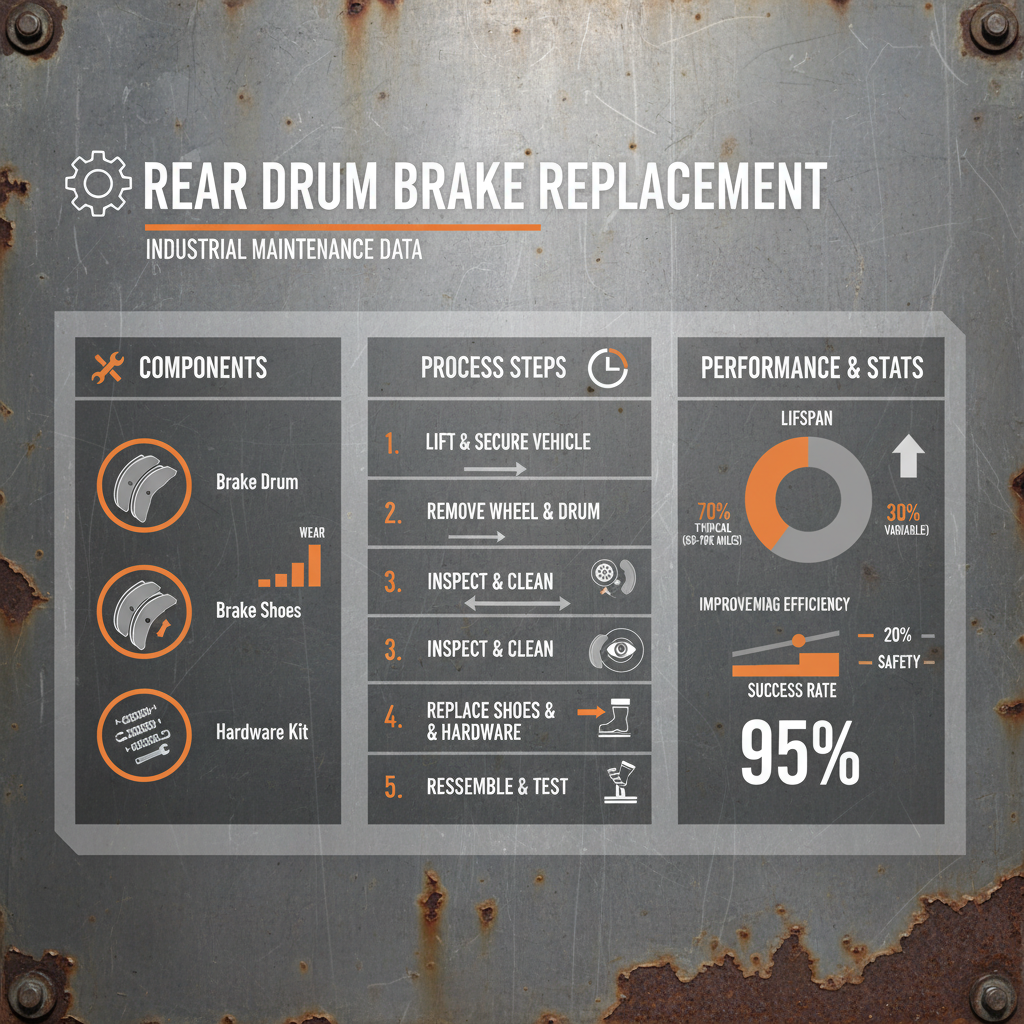
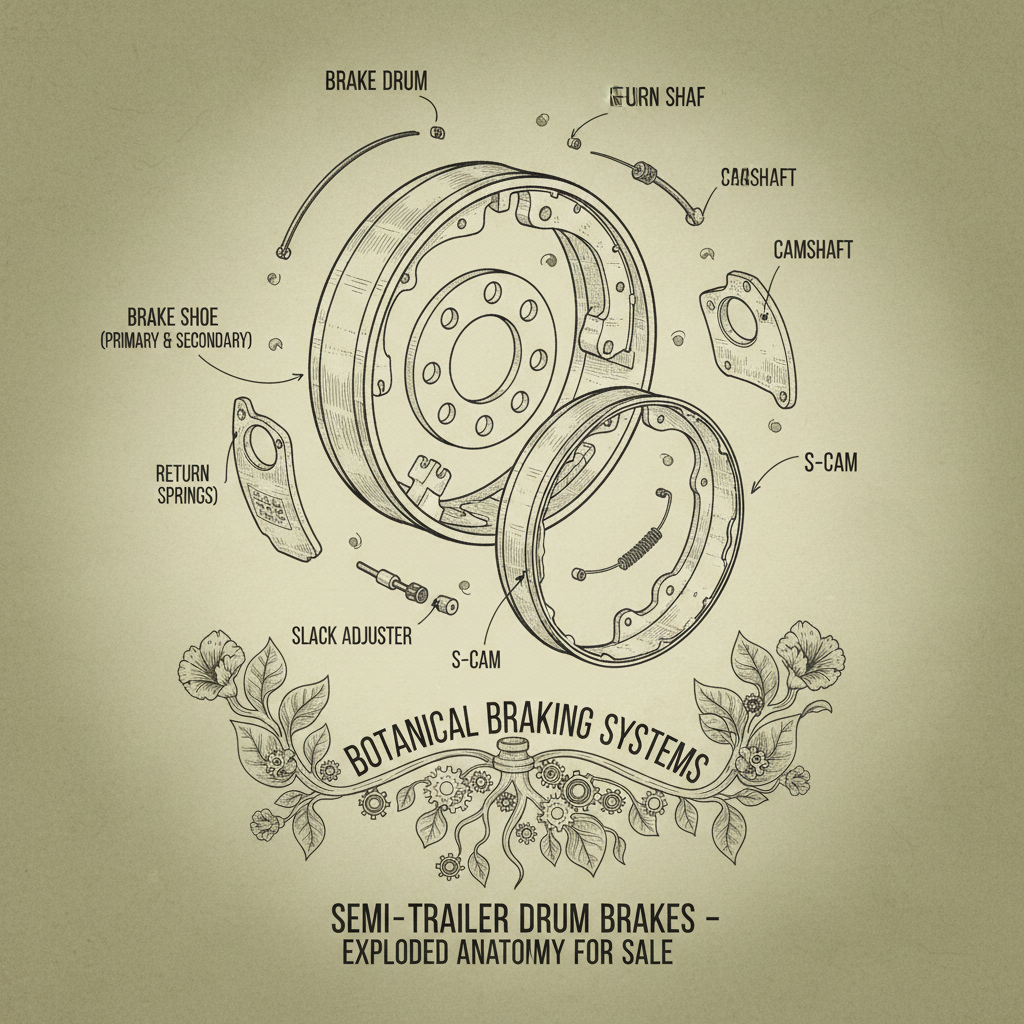
Understanding the core components is vital when discussing rear drum brakes replacement. The brake drum itself is the foundational element, providing the surface against which the brake shoes press. Brake shoes, lined with friction material, are responsible for creating the braking force.
Wheel cylinders utilize hydraulic pressure to force the brake shoes outwards against the drum. Springs play a crucial role in retracting the brake shoes when the brake pedal is released. Finally, the adjuster mechanism ensures consistent contact between the shoes and the drum, compensating for wear. All these components must function in harmony to deliver reliable braking performance.
Component Failure Rates in rear drum brakes replacement
Global Applications and Industries
Rear drum brakes replacement is a globally relevant service, applicable across a wide spectrum of industries. Automotive repair shops are the primary beneficiaries, providing this service to individual vehicle owners. Fleet management companies, responsible for maintaining large numbers of vehicles, also rely heavily on efficient brake maintenance programs.
In remote industrial zones, where vehicles may be subjected to harsh conditions and heavy use, regular rear drum brakes replacement is particularly crucial. Mining operations, construction sites, and agricultural businesses all depend on reliable braking systems for safe operation. Furthermore, government transportation departments require consistent brake maintenance for public transport vehicles.
Advantages of Timely Replacement
Timely rear drum brakes replacement offers substantial advantages. Firstly, it significantly enhances safety by restoring optimal braking performance, reducing stopping distances, and minimizing the risk of accidents. Secondly, it contributes to improved fuel efficiency, as properly functioning brakes require less energy to operate.
Furthermore, proactive replacement prevents more costly repairs down the line. Addressing minor issues before they escalate can save vehicle owners significant money and inconvenience. Emotionally, knowing that your brakes are in good working order provides peace of mind and confidence on the road.
Future Trends and Innovations
While drum brakes may be gradually replaced by disc brakes in new vehicle designs, innovations continue within the drum brake technology itself. The development of self-adjusting drum brake systems, utilizing advanced sensors and actuators, aims to minimize maintenance requirements and optimize braking performance. Furthermore, research into new friction materials with improved heat dissipation and wear resistance promises to enhance the longevity and efficiency of drum brake systems.
The integration of digital technologies, such as predictive maintenance algorithms, could also play a role. By analyzing vehicle data, these systems can anticipate brake wear and schedule replacements proactively, reducing downtime and improving safety. The shift towards sustainable materials and eco-friendly manufacturing processes will also influence the future of rear drum brakes replacement.
Ultimately, the future of braking technology is focused on enhancing safety, efficiency, and sustainability. Even as disc brakes become more dominant, improvements in drum brake technology will continue to play a vital role in maintaining the reliability of vehicles worldwide.
FAQS
The frequency of rear drum brakes replacement depends on driving conditions and mileage. Generally, it's recommended to inspect them every 25,000-50,000 miles. However, if you notice squealing noises, reduced braking performance, or a pulsating brake pedal, it’s time for an inspection. Severe driving conditions or heavy loads necessitate more frequent checks. Replacing them proactively avoids more costly repairs and maintains safety.
Common signs include a squealing or grinding noise when braking, a soft or spongy brake pedal, longer stopping distances, pulling to one side during braking, and a visible inspection revealing worn brake shoes or damaged drums. A thorough inspection by a qualified mechanic is essential to accurately diagnose the problem.
While it's possible to replace rear drum brakes yourself, it requires a good understanding of automotive mechanics, specialized tools, and adherence to safety precautions. Incorrect installation can lead to brake failure. If you are not confident in your abilities, it's best to leave this task to a qualified mechanic.
The cost of rear drum brakes replacement varies depending on the vehicle make and model, the quality of the replacement parts, and labor rates. Generally, you can expect to pay between $200 and $500 for a complete replacement, including parts and labor. Obtaining quotes from multiple mechanics is advisable.
Disc brakes use calipers to squeeze brake pads against a rotor, providing more efficient heat dissipation and better stopping power, especially in wet conditions. Drum brakes utilize brake shoes pressing against the inside of a rotating drum. Drum brakes are generally less expensive and simpler in design, but offer lower performance compared to disc brakes.
Yes, it is generally recommended to replace both rear drum brakes simultaneously. Replacing only one side can create an imbalance in the braking system, leading to uneven wear and reduced braking performance. Replacing them as a set ensures consistent stopping power and maximizes safety.
Conclusion
In conclusion, rear drum brakes replacement is a vital aspect of vehicle maintenance with far-reaching implications for safety, efficiency, and cost-effectiveness. Understanding the components, recognizing the signs of wear, and prioritizing timely replacement are crucial for responsible vehicle ownership. While advancements in braking technology continue, the importance of maintaining existing drum brake systems remains significant globally.
Looking ahead, continued innovation in materials and design, coupled with the integration of digital monitoring technologies, will further enhance the performance and reliability of drum brake systems. For reliable rear drum brakes replacement and expert automotive care, visit our website at rear drum brakes replacement.