Semi trailer brake drums are a critical component of commercial vehicle safety, playing a pivotal role in the transportation of goods globally. These robust, heavy-duty drums are responsible for converting the kinetic energy of a moving trailer into thermal energy through friction, ultimately bringing the vehicle to a controlled stop. Their reliability and performance directly impact supply chains, economies, and most importantly, public safety. Understanding the intricacies of semi trailer brake drums is paramount for fleet managers, maintenance personnel, and anyone involved in the logistics industry.
The global demand for semi trailer brake drums is directly correlated with the growth of the transportation sector and e-commerce, both of which have experienced significant expansion in recent years. According to the United Nations, global freight transport is projected to increase by over 50% by 2050. This surge in demand places increased stress on existing infrastructure, necessitating high-quality, durable brake systems. Furthermore, increasingly stringent safety regulations worldwide, like those set by the International Organization for Standardization (ISO), are driving innovation and the adoption of advanced brake drum technologies.
The importance of properly functioning semi trailer brake drums extends beyond efficient logistics; it's a matter of preventing accidents. Brake failure is a leading cause of commercial vehicle collisions, resulting in significant economic losses and, tragically, loss of life. Investing in premium quality brake drums, alongside regular inspection and maintenance, is therefore not merely a regulatory requirement but a fundamental responsibility to ensure the safety of drivers and the public.
Introduction to Semi Trailer Brake Drums
Semi trailer brake drums are integral to the functionality of a trailer’s braking system. They’re specifically designed to withstand the high temperatures and stresses generated during frequent and heavy braking. The performance of these drums directly influences stopping distances, driver control, and overall road safety. Properly maintained semi trailer brake drums are essential for a reliable and secure transport operation.
The design and materials used in semi trailer brake drums have evolved significantly over time. Early drums were primarily cast iron, but modern drums incorporate materials like ductile iron, steel, and even composite materials to enhance durability, heat dissipation, and weight reduction. This evolution reflects a continuous drive to improve brake performance and meet the demands of increasingly heavy loads and demanding driving conditions.
Defining Semi Trailer Brake Drums
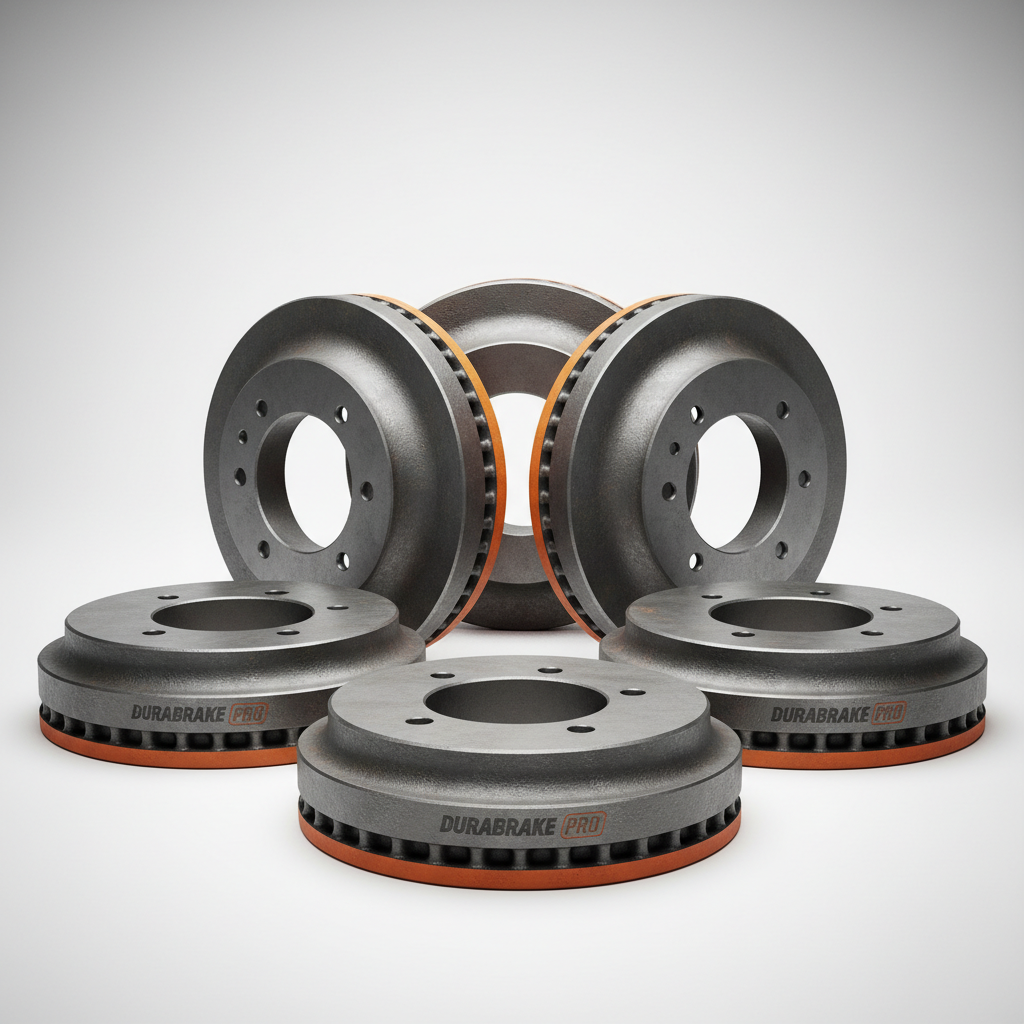
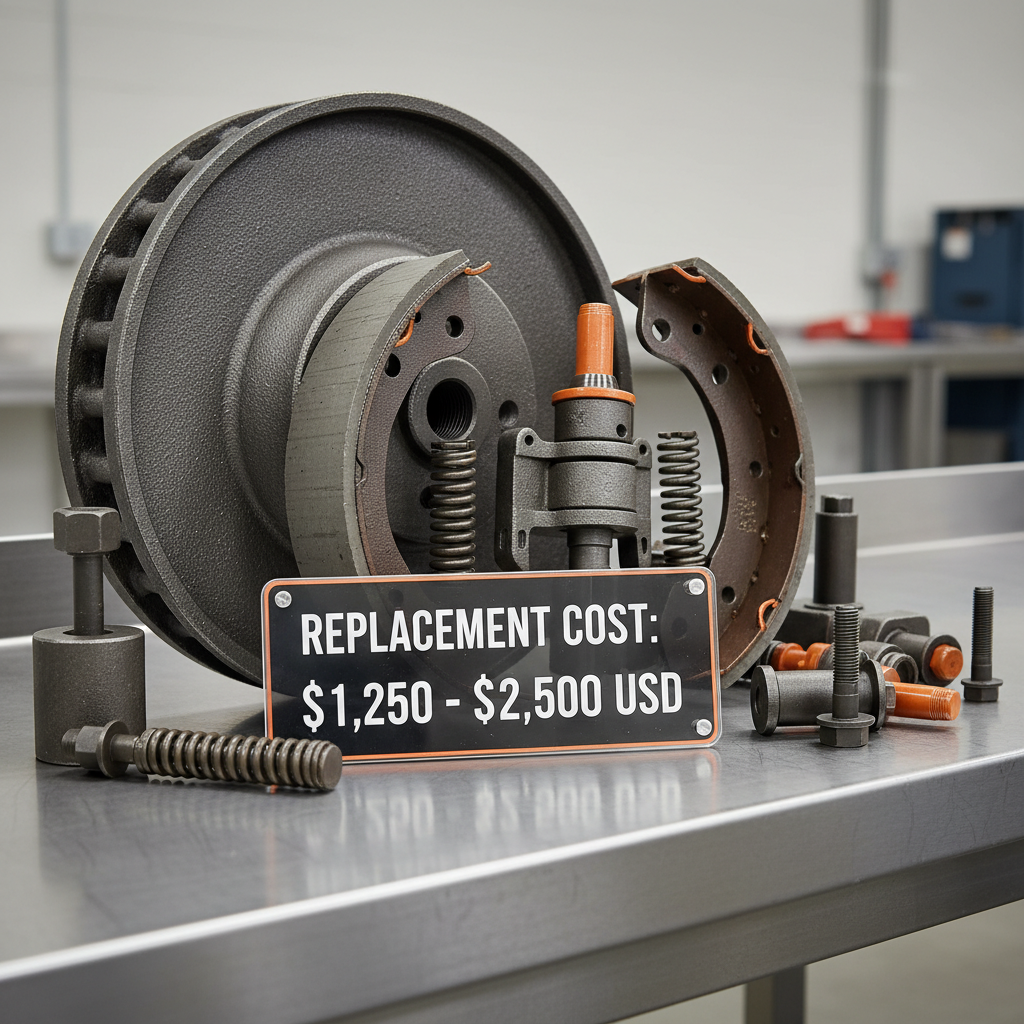
A semi trailer brake drum is a hollow cylindrical component that forms part of the brake system of a semi-trailer. It works in conjunction with brake shoes (or pads in some designs) to create friction when the brakes are applied. This friction converts the kinetic energy of the trailer's wheels into thermal energy, slowing down or stopping the trailer's movement. The drums are typically mounted directly to the trailer’s wheel hubs.
Understanding the difference between various brake drum types – including cast iron, composite, and steel drums – is crucial for selecting the right component for specific applications. Each type offers unique advantages and disadvantages in terms of cost, weight, heat capacity, and durability. Choosing the appropriate drum depends on factors such as the type of cargo being hauled, the operating environment, and budget constraints.
The functionality of semi trailer brake drums is intrinsically linked to the safety and efficiency of modern logistics. Without reliable braking systems, the transportation of goods would be significantly hampered, and the risk of accidents would dramatically increase. Therefore, a deep understanding of their operation and maintenance is vital for ensuring a safe and productive supply chain.
Key Factors Influencing Performance
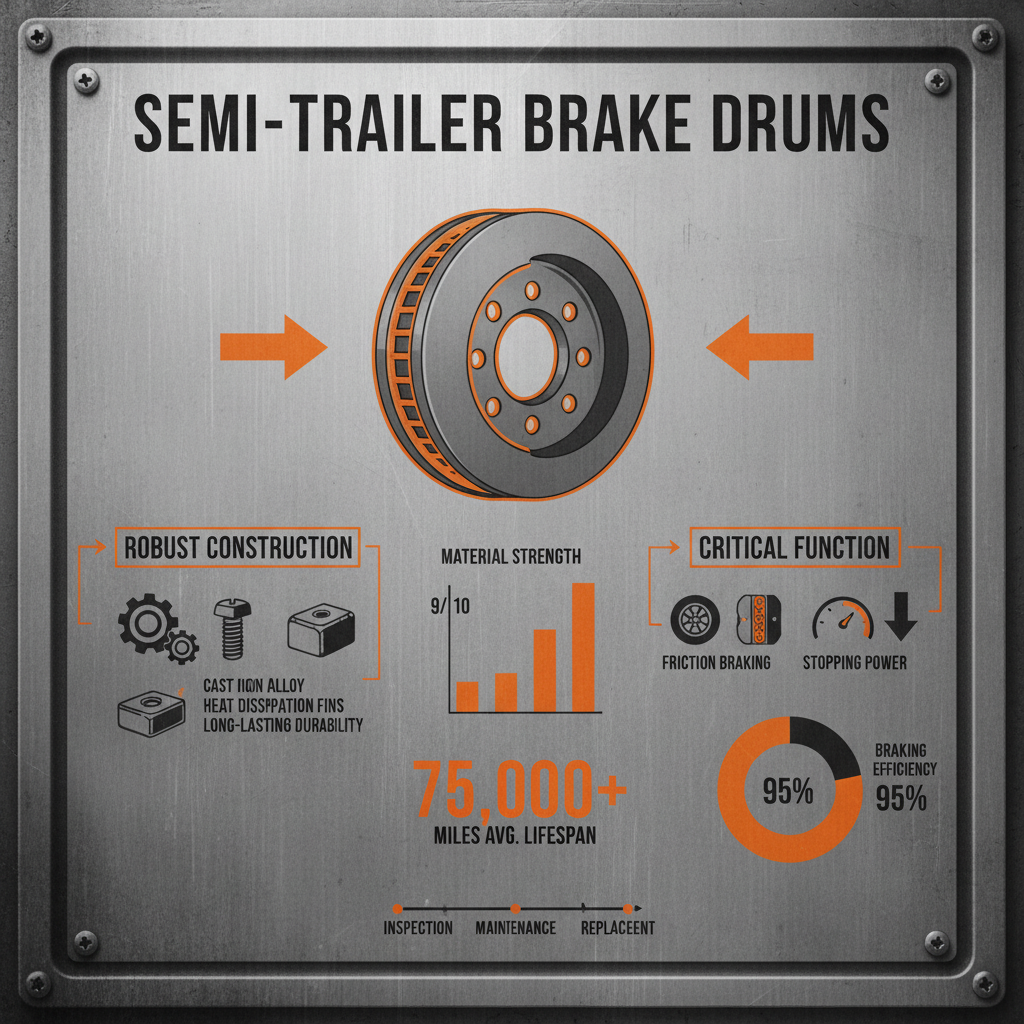
Several key factors contribute to the performance and longevity of semi trailer brake drums. First, material composition significantly impacts heat dissipation and wear resistance. High-quality materials, like ductile iron, can withstand higher temperatures and provide longer service life. Secondly, drum thickness is critical; adequate thickness ensures sufficient material to absorb heat and resist deformation.
Heat dissipation is arguably the most crucial factor. Excessive heat can lead to brake fade, reducing braking effectiveness and potentially causing catastrophic failure. Drum design, including features like finned surfaces, plays a significant role in managing heat. Furthermore, manufacturing precision is vital. Imperfections or imbalances in the drum can cause uneven wear and reduce performance.
Finally, maintenance and inspection are paramount. Regular checks for cracks, wear, and proper adjustment are essential for ensuring optimal braking performance and preventing premature failure. Neglecting maintenance can lead to costly repairs and, more importantly, compromise safety. Consistent monitoring allows for timely replacement of semi trailer brake drums before they become a hazard.
Global Applications & Industry Use
Semi trailer brake drums find application across a vast range of industries globally. The transportation and logistics sector is the primary user, with countless trailers utilizing these drums for hauling everything from consumer goods to raw materials. Industries like agriculture, construction, and mining also rely heavily on trailers equipped with reliable brake systems, demanding high-performance drums.
Geographically, the demand for semi trailer brake drums is concentrated in regions with significant industrial activity and robust transportation networks. North America, Europe, and Asia-Pacific represent the largest markets, driven by increasing trade volumes and expanding infrastructure. In post-disaster relief operations, reliable trailers equipped with properly functioning brake drums are crucial for delivering essential supplies to affected areas.
Within specific industries, the requirements for brake drums can vary significantly. For instance, refrigerated trailers often require drums designed to withstand low temperatures, while heavy-haul operations demand drums with exceptional heat dissipation capabilities. Remote industrial zones, like mining sites in Australia or Canada, also necessitate durable and dependable brake drums to ensure safe and efficient transport of materials.
Semi Trailer Brake Drum Performance Metrics
Advantages and Long-Term Value
Investing in high-quality semi trailer brake drums offers a multitude of tangible benefits. From a cost perspective, durable drums require less frequent replacement, reducing maintenance expenses over the long term. Moreover, improved braking performance translates to shorter stopping distances, minimizing the risk of accidents and associated costs like vehicle repairs and insurance claims.
The long-term value extends beyond mere cost savings. Reliable brake drums contribute to a more sustainable transportation system by reducing fuel consumption – efficient braking minimizes wasted energy. From a social impact standpoint, safe brake systems protect drivers, passengers, and the public, fostering trust and confidence in the transportation industry.
Future Trends and Innovations
The future of semi trailer brake drums is likely to be shaped by several emerging trends. The integration of smart technologies, such as sensors and data analytics, will enable predictive maintenance, allowing fleet managers to identify potential issues before they lead to failure. The development of lightweight composite materials promises to reduce weight without compromising performance, contributing to fuel efficiency.
Furthermore, advancements in brake pad materials and designs will complement the improvements in drum technology. The increasing focus on autonomous driving will also drive innovation in braking systems, demanding even greater reliability and precision. These innovations are poised to create a safer, more efficient, and sustainable future for the transportation industry.
Challenges and Mitigation Strategies
Despite advancements, several challenges remain in the realm of semi trailer brake drums. Corrosion, particularly in harsh operating environments, remains a significant concern. Overheating during prolonged use, especially on steep grades, can also lead to brake fade and premature wear. Furthermore, improper maintenance and lack of driver awareness can exacerbate these issues.
Mitigation strategies include utilizing corrosion-resistant coatings, designing drums with enhanced heat dissipation capabilities, and implementing comprehensive training programs for drivers and maintenance personnel. Regular inspections, proper lubrication, and timely replacement of worn components are also crucial for preventing failures. Utilizing high-quality semi trailer brake drums from reputable manufacturers is a proactive step towards addressing these challenges.
Addressing these challenges requires a collaborative effort between manufacturers, fleet operators, and regulatory bodies to establish and enforce best practices for brake system maintenance and operation.
Summary of Challenges and Mitigation Strategies for Semi Trailer Brake Drums
| Challenge |
Root Cause |
Severity (1-10) |
Mitigation Strategy |
| Corrosion |
Exposure to salt, moisture, and road debris |
7 |
Apply corrosion-resistant coatings, regular cleaning |
| Overheating |
Prolonged braking, heavy loads, steep gradients |
8 |
Improved drum design for heat dissipation, proper brake adjustment |
| Wear & Tear |
Friction, mileage, and operating conditions |
6 |
Regular inspections, timely replacement of worn components |
| Improper Maintenance |
Lack of training, infrequent inspections, inadequate lubrication |
9 |
Comprehensive training programs, scheduled maintenance plans |
| Material Fatigue |
Repeated stress and thermal cycling |
5 |
Utilize high-strength materials, monitor brake temperature |
| Uneven Wear |
Improper brake adjustment, caliper issues |
7 |
Regular brake adjustment, caliper inspection and repair |
FAQs
The lifespan of semi trailer brake drums varies greatly depending on operating conditions, load weight, driving habits, and maintenance practices. Generally, well-maintained drums can last between 50,000 to 200,000 miles. However, regular inspections are crucial to identify signs of wear or damage. It's important to replace drums when they reach their minimum allowable thickness or exhibit cracks. Neglecting to do so can compromise braking performance and safety.
Semi trailer brake drums should be inspected during every routine maintenance check, ideally every 6,000 to 12,000 miles. During these inspections, look for signs of wear, cracks, scoring, and corrosion. Measure the drum thickness to ensure it meets the manufacturer's specifications. Also, check the wheel bearings and seals for any issues. Early detection of problems can prevent costly repairs and ensure safe operation.
Several signs indicate that semi trailer brake drums need replacement. These include reaching the minimum allowable thickness specified by the manufacturer, visible cracks, significant scoring or pitting, severe corrosion, and noticeable pulsation or vibration during braking. If you experience any of these symptoms, it’s crucial to have your brakes inspected by a qualified mechanic and replace the drums if necessary.
Cast iron brake drums are a traditional and cost-effective option, known for their durability. However, they are heavier and have lower heat dissipation capabilities. Composite brake drums, typically made from materials like cast iron with steel fibers or other alloys, are lighter, offer better heat dissipation, and have improved wear resistance. Composite drums generally have a higher upfront cost but can provide long-term benefits.
Yes, improper brake adjustment significantly impacts the lifespan of brake drums. If the brakes are too tight, they can cause excessive heat buildup and premature wear. If they are too loose, braking performance is reduced, and the drums may experience increased stress. Maintaining proper brake adjustment is essential for maximizing drum life and ensuring optimal braking efficiency.
The brake lining is the friction material that contacts the brake drum to create the stopping force. The condition of the brake lining directly impacts the wear on the drum. Worn or contaminated brake linings can cause excessive friction and accelerate drum wear. It's crucial to inspect and replace brake linings regularly to protect the drums and maintain optimal braking performance.
Conclusion
In conclusion, semi trailer brake drums are a critical safety component in the transportation industry, directly impacting the efficiency and reliability of global supply chains. Understanding their function, the factors influencing their performance, and emerging trends is vital for fleet managers, maintenance professionals, and anyone involved in logistics. Consistent maintenance, the selection of high-quality drums, and a proactive approach to identifying and addressing potential issues are paramount for ensuring safe and efficient operation.
Looking ahead, continued innovation in materials, design, and technology will further enhance the performance and longevity of semi trailer brake drums. Embracing these advancements and adopting best practices will not only reduce maintenance costs and improve fuel efficiency but, most importantly, contribute to a safer and more sustainable transportation future. For reliable semi trailer brake drums and expert advice, visit our website today!