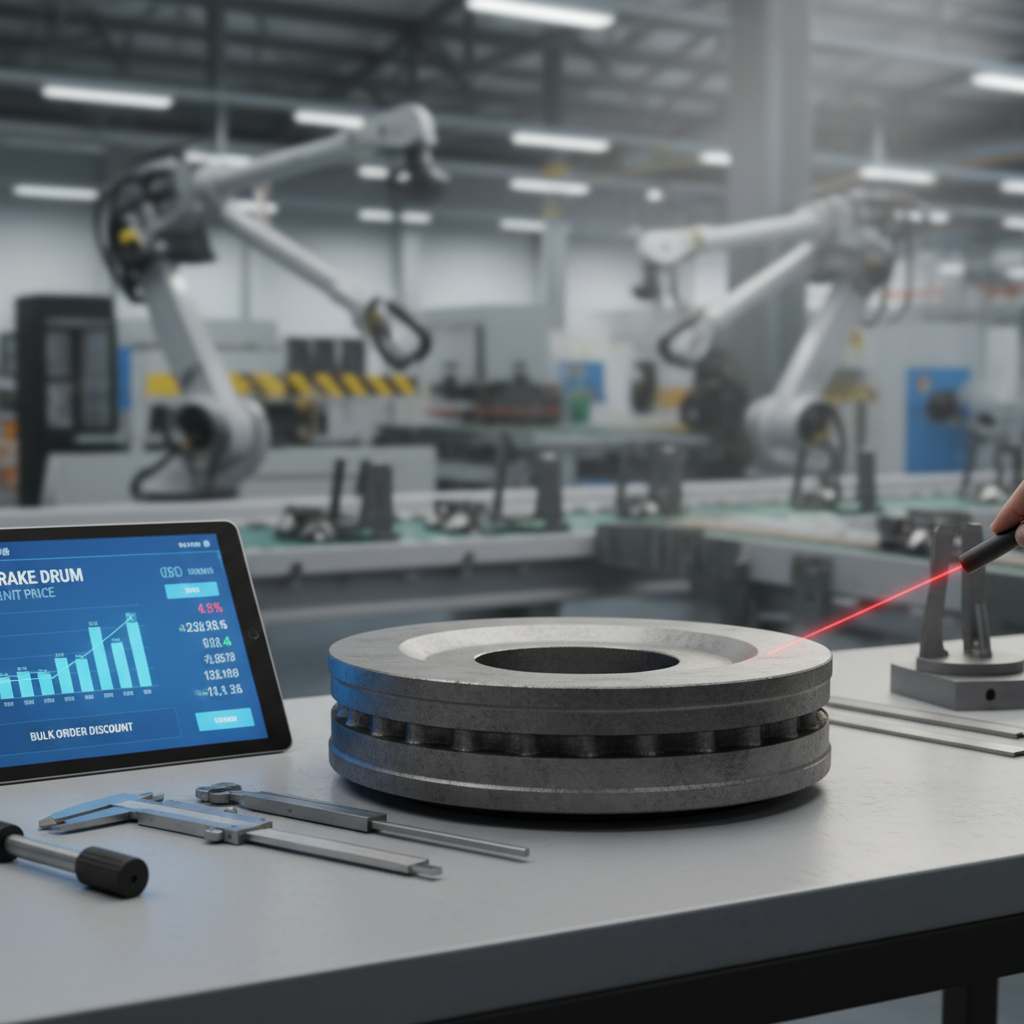
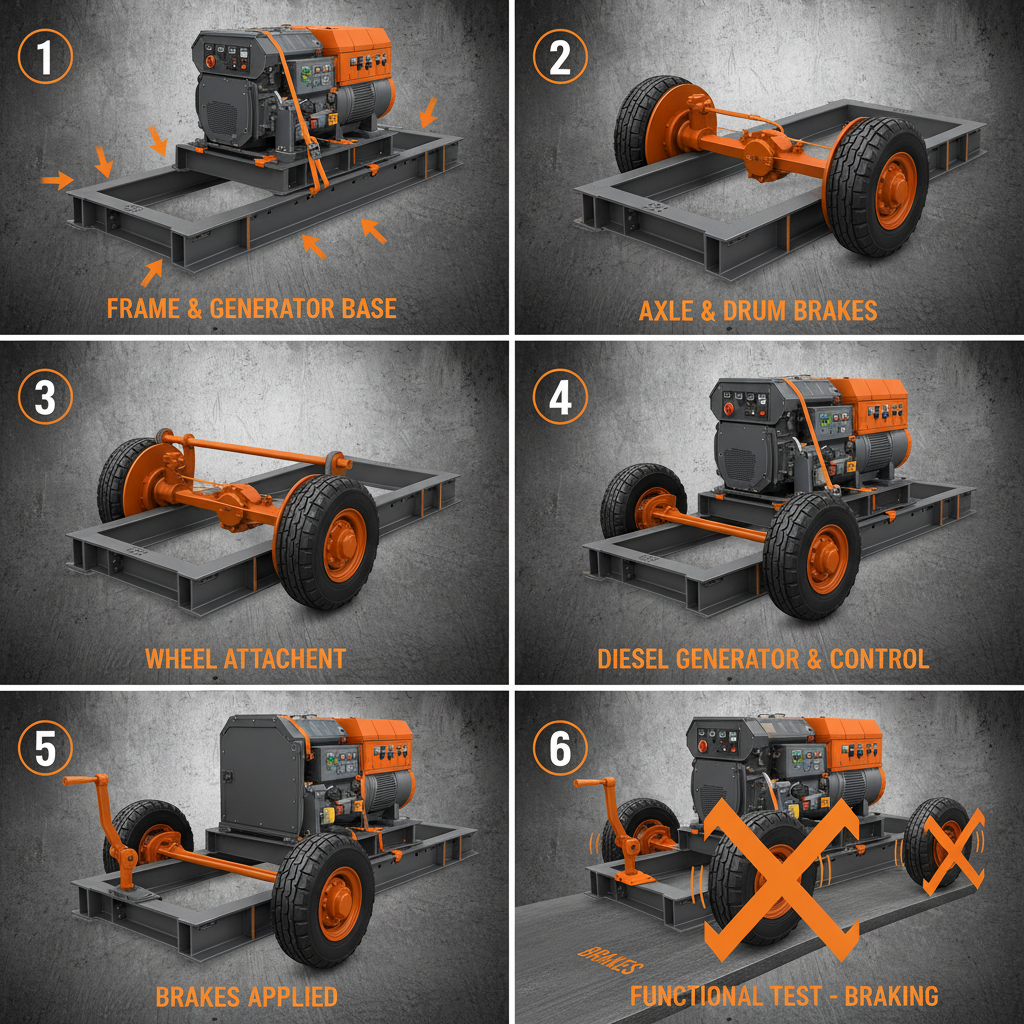
To be honest, the whole semi truck brake drums for sale scene has been buzzing about composite materials lately. Everyone's chasing weight savings, you know? But I've seen enough stuff on construction sites to know lighter isn’t always better. It's about the right balance, the right application. We’re talking about stopping 80,000 pounds, after all. You can't just slap some fancy plastic on there and hope for the best.
Have you noticed how many suppliers are jumping on the 'high-performance alloy' bandwagon? Every other drum is supposedly made of some miracle metal blend. But what they don’t tell you is how easily those alloys can corrode if you’re running in areas with a lot of road salt. Seen it happen too many times. Rust weakens the metal, and a weakened drum… well, that's a problem nobody wants.
And the demand for semi truck brake drums for sale, it’s steady, but it’s definitely shifted. Fleets are holding onto equipment longer, so there's a bigger need for durable, rebuildable drums. It’s not just about buying new, it’s about keeping what you have running safely and efficiently. That’s where we come in.
The Rising Tide of Composite Materials in Semi Truck Brake Drums for Sale
Like I was saying, composites. They're everywhere now. Carbon fiber reinforced polymers, ceramic matrix composites… sounds fancy, right? But when you’re standing next to a rig that's been hauling lumber through the Rockies, you start to wonder about long-term durability. I encountered a supplier in Ohio last time who swore by their carbon fiber drums, but the field tests… let's just say they weren't pretty.
The idea is that you get incredible strength with minimal weight, which translates to better fuel efficiency. And that’s appealing. It really is. But they can be brittle. One good impact, one rock strike, and you’re looking at a compromised drum. And replacement costs can be astronomical. It's a trade-off, always a trade-off.
The Alloy Illusion: Corrosion and Real-World Performance
This whole 'high-performance alloy' thing… it's marketing, mostly. Don’t get me wrong, the alloys themselves can be good. But the devil is in the details. Take stainless steel, for example. People think 'stainless' means immune to corrosion. Wrong. It's resistant to corrosion. Big difference. Especially when you’re dealing with the constant exposure to salt, grime, and brake dust.
I’ve seen drums corrode through in less than a year in the Northeast. The surface pitting weakens the structure, and eventually, you’re dealing with a safety hazard. Strangely, the cheaper carbon steel drums, properly coated, can sometimes outlast the fancy alloys in those environments. It’s all about the coating, the maintenance, and the operating conditions.
The key is understanding the specific alloy and its limitations. What’s its resistance to pitting corrosion? What’s its tensile strength at different temperatures? Those are the questions you need answers to, not just “it’s a high-performance alloy!”
Material Matters: A Hands-On Perspective
Now, let's talk about the materials themselves. Cast iron – the old reliable. You can feel the weight, the solidity. It's got a slightly oily smell, especially when you first machine it. It’s not fancy, but it works. The gray cast iron is good for absorbing heat. Ductile iron is tougher, more resistant to cracking.
Then you have steel. Different grades of steel have different feels – some are harder, some are more pliable. The smell during welding is also different. You learn to recognize the subtle differences after years of being around it. Handling it, you can tell a good piece of steel from a cheap one. A good piece will have a satisfying weight and a smooth surface. A cheap one… it’ll feel grainy, maybe even brittle.
And don’t forget the friction materials – the brake shoes. They've moved on from asbestos, thankfully. Now it’s all about organic compounds and semi-metallic blends. You want something that provides good friction, dissipates heat quickly, and doesn’t wear down too fast. And something that doesn’t create a ton of brake dust.
Rigorous Testing: Beyond the Lab
Laboratory testing is fine, but it doesn’t tell you everything. I mean, a computer simulation can tell you how a drum should perform, but it can't replicate the real world. You need to get these things out on the road, put them through their paces.
We do a lot of field testing with local trucking companies. We put the drums on different types of rigs, hauling different loads, driving in different conditions – mountains, deserts, snow, everything. We monitor the temperature, the wear rate, the braking performance. We look for cracks, corrosion, any signs of stress.
Semi Truck Brake Drums for Sale: Performance Metrics
User Realities: How Drivers Actually Use Semi Truck Brake Drums for Sale
It's funny, you design these things with a certain usage in mind, but drivers… they'll always find a way to do things differently. I once saw a driver using a semi truck brake drum as a makeshift anvil to hammer out a dent in his mudflap. I was speechless.
Anyway, I think what it boils down to is that drivers prioritize reliability and ease of maintenance. They don't want to be stranded on the side of the road because of a faulty brake drum. They want something that they can trust, something that will last. And they want to be able to fix it themselves if something goes wrong.
Advantages and Disadvantages: A Pragmatic View
Look, every material has its pros and cons. Cast iron is cheap, durable, and easy to machine. But it’s heavy. Steel is lighter and stronger, but it's prone to corrosion. Composites are lightweight and strong, but they’re expensive and brittle. There’s no perfect solution.
The advantage of our approach is that we try to combine the best of all worlds. We use high-quality materials, we employ rigorous testing, and we offer a range of customization options to meet the specific needs of our customers. But, and this is a big but, it's never going to be the cheapest option. You pay for quality, and you pay for peace of mind.
Honestly, sometimes the biggest disadvantage is convincing customers that spending a little more upfront will save them money in the long run. They see the price tag and immediately jump to the cheapest option. But then they end up replacing those cheap drums every six months. It’s a false economy.
Customization and Application: Meeting Specific Needs
We can customize almost anything. Bore size, drum width, flange type, mounting holes… you name it. Last month, that small boss in Shenzhen who makes smart home devices insisted on changing the interface to – for some reason he thought it would improve heat dissipation. It didn't, by the way. But we did it anyway, because that’s what we do.
We've also done a lot of work with fleets that operate in extreme environments. We've developed drums with special coatings to resist corrosion in saltwater environments, and drums with reinforced structures to withstand the stresses of off-road driving. The applications are endless.
We're also seeing a growing demand for drums that are compatible with regenerative braking systems. That’s a whole different ballgame, requiring materials that can withstand high temperatures and stresses. But we’re up for the challenge.
A Brief Overview of Semi Truck Brake Drum Performance Factors
| Material Type |
Corrosion Resistance (1-10) |
Weight (lbs) |
Cost (USD) |
| Cast Iron |
4 |
150 |
300 |
| Carbon Steel |
5 |
130 |
400 |
| Ductile Iron |
6 |
140 |
450 |
| Stainless Steel |
8 |
120 |
700 |
| Composite Material |
9 |
80 |
1200 |
| Alloy Steel |
7 |
135 |
550 |
FAQS
Under normal conditions, a well-maintained set of semi truck brake drums can last anywhere from 50,000 to 100,000 miles. However, this is heavily influenced by factors like driving habits, load weight, road conditions, and the quality of the drums themselves. Regular inspections and proper maintenance, like resurfacing when needed, are crucial to maximizing their lifespan and ensuring safe operation.
That's a tough one. Composite drums offer significant weight savings, which can improve fuel efficiency. However, their higher cost and potential brittleness are major drawbacks. If you’re running a fleet that prioritizes fuel economy and operates in relatively predictable conditions, they might be worth it. But for most applications, the cost-benefit ratio doesn’t quite add up, especially considering the potential for expensive repairs if they get damaged.
It’s hugely important. The brake shoe material needs to be compatible with the drum material to ensure optimal friction and prevent excessive wear. Using the wrong combination can lead to reduced braking performance, increased stopping distances, and even damage to the drums. We generally recommend organic or semi-metallic brake shoes for most applications, but the specific choice depends on the drum material and the vehicle's operating conditions.
Look for things like deep cracks, excessive rust, uneven wear, or warping. Also, pay attention to any unusual noises during braking – squealing, grinding, or scraping sounds can indicate a problem. If you notice any of these signs, it’s best to have the drums inspected by a qualified mechanic immediately. Ignoring them could lead to a brake failure.
Resurfacing is often a viable option, especially for cast iron and ductile iron drums. It involves removing a thin layer of material to create a smooth, even braking surface. However, there's a limit to how many times a drum can be resurfaced before it becomes too thin and unsafe. A qualified mechanic can assess the drum and determine if resurfacing is a suitable option.
Proper lubrication is absolutely critical. Lubricating the brake drums and related components reduces friction and prevents wear and tear. Specifically, lubricating the wheel studs and the drum hub ensures smooth operation and prevents seizing. Using the right type of lubricant, and applying it correctly, can significantly extend the life of your brake drums and improve overall braking performance.
Conclusion
Ultimately, semi truck brake drums are a critical safety component. They need to be durable, reliable, and able to withstand harsh conditions. Whether you choose cast iron, steel, or composites, the key is to understand the trade-offs and select the material that best suits your specific needs. Don’t chase the hype. Focus on quality, maintenance, and safe operation.
And at the end of the day, whether this thing works or not, the worker will know the moment he tightens the screw. That’s the truth of it. They'll feel the quality. They’ll know if it's going to hold up. And that’s what matters. For more information and to browse our selection of semi truck brake drums for sale, visit us at www.hbncbrakedrum.com.