Drum brake trucks are a cornerstone of modern logistics and transportation, forming the backbone of countless supply chains globally. These robust vehicles, equipped with reliable drum braking systems, are essential for moving goods efficiently and safely across diverse terrains. Understanding the nuances of drum brake truck technology, maintenance, and application is critical for fleet managers, transportation professionals, and anyone involved in the movement of goods. The importance of maintaining efficient drum brake systems directly impacts operational costs, safety standards, and overall logistical performance.
The global demand for efficient and safe transportation continues to grow, driven by increased international trade and evolving consumer expectations. Drum brake trucks, while facing competition from newer technologies like disc brakes, remain prevalent due to their cost-effectiveness and suitability for heavy-duty applications. According to the International Road Transport Union (IRU), road freight accounts for approximately 75% of all inland freight transport, with trucks playing a dominant role. This underscores the continued relevance of drum brake truck systems in the global economy.
Challenges such as increasing regulations on emissions and safety are pushing innovation within the drum brake truck sector. Ensuring the longevity and reliability of these vehicles is paramount, as downtime can significantly disrupt supply chains and impact economic productivity. Effective training for mechanics and drivers, combined with advancements in brake materials and designs, are vital for addressing these challenges and maximizing the lifespan of drum brake trucks.
Introduction to drum brake truck
The drum brake truck represents a time-tested solution for heavy-duty transportation needs. Its fundamental design, utilizing a braking system based on friction within a rotating drum, has been refined over decades to achieve a balance of performance, cost-effectiveness, and reliability. These trucks are vital for industries ranging from construction and agriculture to logistics and mining, providing essential transport capabilities.
The continued development of drum brake truck technology focuses on improvements in brake lining materials, drum cooling systems, and automatic slack adjusters. These advancements aim to enhance braking performance, reduce maintenance requirements, and extend the overall lifespan of the system. Furthermore, integration with advanced vehicle safety systems, like anti-lock braking systems (ABS), further increases the safety and efficiency of these trucks.
Defining the drum brake truck
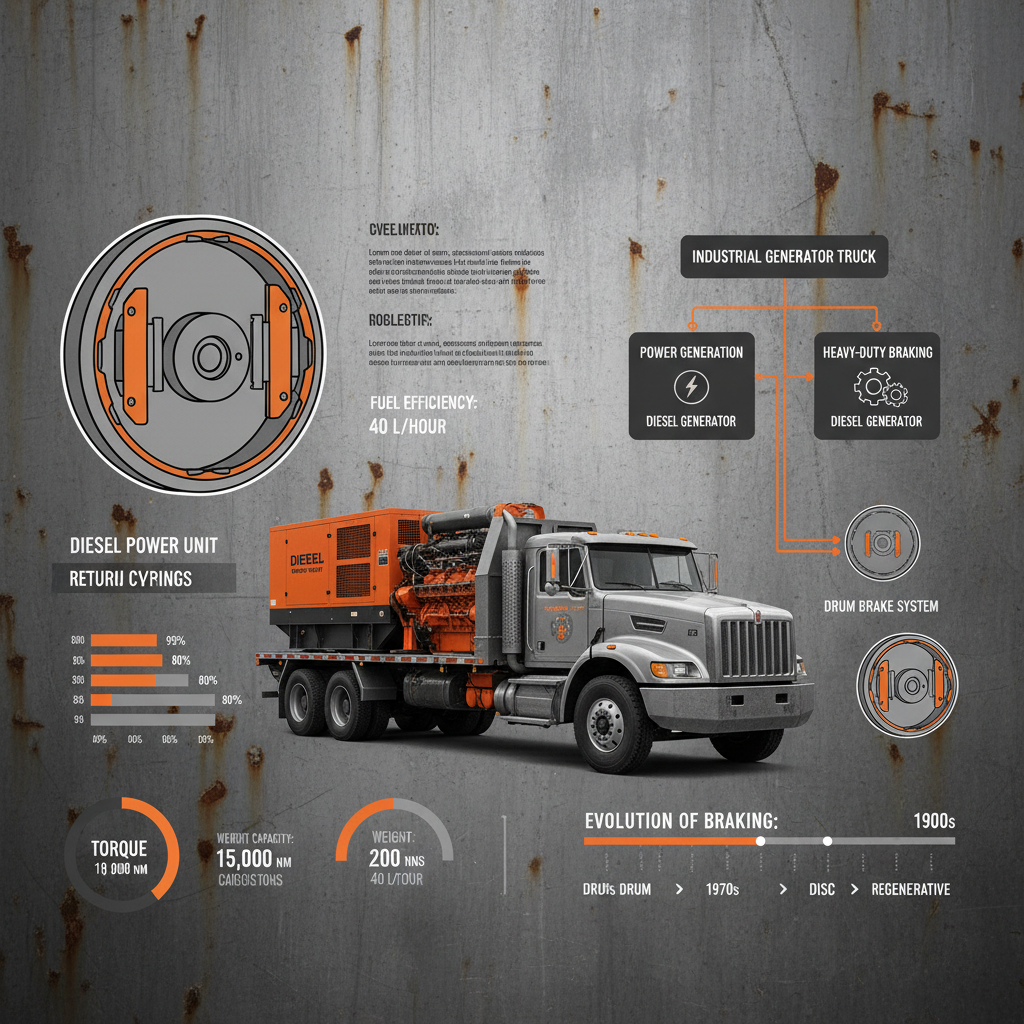
A drum brake truck is fundamentally a commercial vehicle, typically a heavy-duty truck, that employs drum brakes as its primary stopping mechanism. Unlike disc brakes which utilize calipers to squeeze pads against a rotor, drum brakes use brake shoes that press outwards against the inner surface of a rotating drum. This friction slows and ultimately stops the wheel rotation. The simplicity of this system contributes to its lower cost and robustness.
These trucks are integral to numerous sectors, facilitating the transport of raw materials, finished goods, and heavy equipment. They come in various configurations, including rigid trucks, tractor-trailers, and dump trucks, each tailored for specific transport requirements. The drum brake system, while sometimes viewed as less sophisticated than disc brakes, remains highly effective for heavy loads and demanding conditions.
The connection to modern industry is undeniable. Efficient movement of goods is essential for global commerce, and drum brake trucks remain a cornerstone of this logistical network. While advancements are being made, the widespread adoption and proven reliability of the drum brake system ensure its continuing relevance in the transportation landscape.
Core Components of a drum brake truck
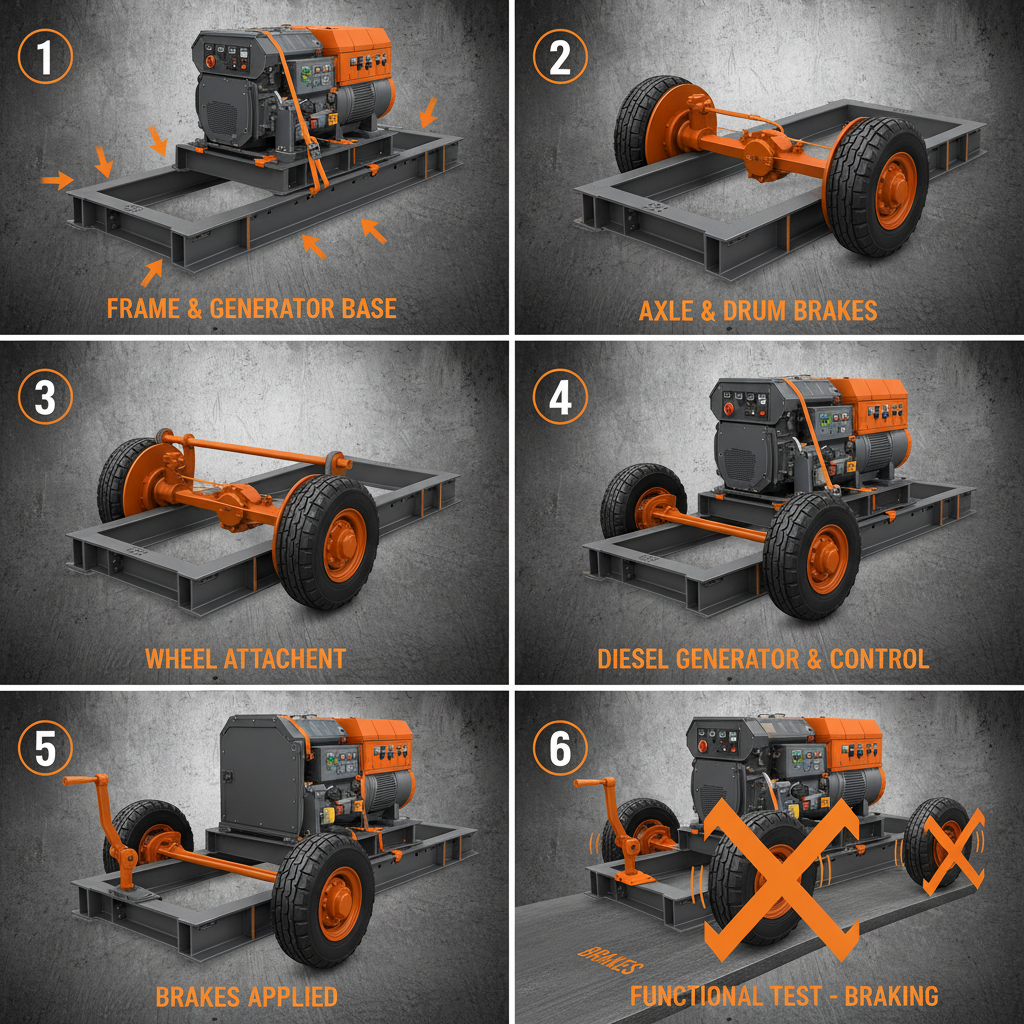
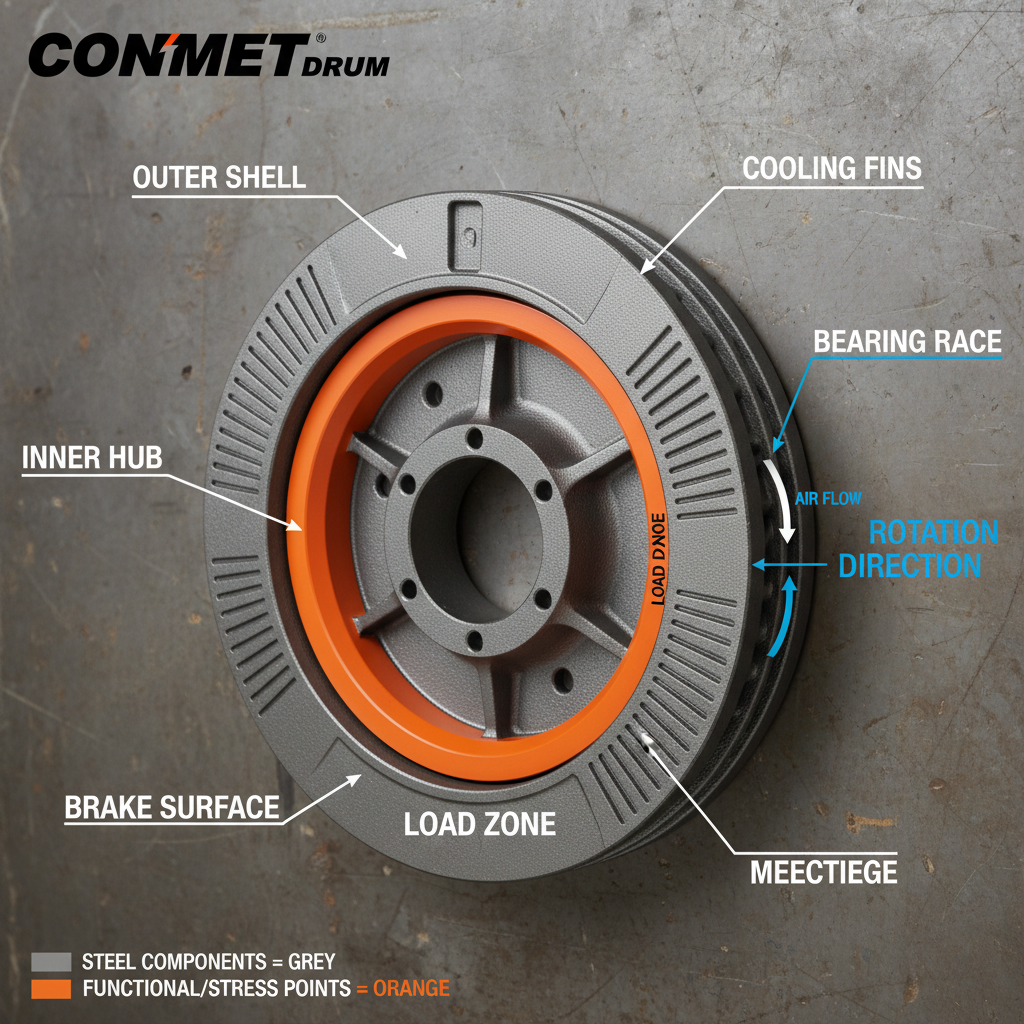
Several key components contribute to the functionality of a drum brake truck. These include the brake drum itself, the brake shoes, the wheel cylinders, the springs (return and hold-down), the adjuster, and the backing plate. The brake drum is the rotating component against which the brake shoes press. The brake shoes, lined with friction material, are the primary elements creating the stopping force. The wheel cylinders hydraulically push the brake shoes outwards.
Furthermore, the springs are crucial for maintaining proper brake shoe positioning, ensuring rapid engagement and disengagement. The adjuster automatically compensates for brake shoe wear, maintaining optimal braking performance. The backing plate provides structural support for all the components, contributing to the overall stability and durability of the system. Regular inspection and maintenance of each of these components are critical for safety and longevity.
Understanding the interplay of these components is vital for effective maintenance and repair. A malfunctioning component can lead to reduced braking efficiency, increased stopping distances, and potentially dangerous situations. Proper lubrication, adjustment, and replacement of worn parts are essential for maximizing the performance and safety of a drum brake truck.
Durability and Reliability of drum brake truck
Drum brakes, in general, are known for their durability and ability to withstand high temperatures. The enclosed design of the drum brake system helps protect the brake shoes from contaminants like water, dirt, and debris, extending their lifespan. This is a significant advantage in harsh operating environments where exposure to these elements is common.
Drum Brake Truck Component Lifespan
Global Applications of drum brake truck
Drum brake trucks are ubiquitous across the globe, serving a wide range of industries. In North America, they are essential for long-haul trucking and the transportation of goods across vast distances. In developing nations, they are often utilized for transporting agricultural products, construction materials, and essential supplies to remote areas.
In post-disaster relief operations, drum brake trucks play a vital role in delivering aid and supplies to affected communities. Their ruggedness and ability to operate in challenging conditions make them ideal for navigating damaged infrastructure. They are commonly used in mining operations worldwide, transporting ore and equipment in harsh environments.
Advantages and Long-Term Value
The primary advantage of drum brake trucks lies in their cost-effectiveness. Compared to vehicles equipped with disc brakes, drum brake trucks generally have a lower initial purchase price and lower maintenance costs. Their robust design and ability to withstand heavy loads make them a reliable choice for demanding applications.
Beyond cost, drum brake trucks offer long-term value through their durability and longevity. Proper maintenance can extend their lifespan significantly, maximizing return on investment. They contribute to safer transportation by providing consistent and reliable braking performance, reducing the risk of accidents and protecting both drivers and cargo.
The simplicity of the drum brake system also translates to easier repair and maintenance, reducing downtime and minimizing disruption to operations. This reliability and ease of service build trust with operators and contribute to long-term customer satisfaction.
Future Trends in drum brake truck Technology
Future trends in drum brake truck technology are focused on enhancing performance, improving safety, and reducing environmental impact. Research and development efforts are concentrated on developing new friction materials that offer higher coefficients of friction and reduced wear. Advancements in automatic slack adjusters are aiming for even more precise brake maintenance and reduced downtime.
Integration with digital technologies, such as telematics and predictive maintenance systems, is also gaining traction. These systems can monitor brake performance in real-time, providing early warnings of potential issues and optimizing maintenance schedules. Furthermore, the increasing adoption of electric and hybrid truck technologies will necessitate adaptations in drum brake system design to accommodate regenerative braking and maximize energy efficiency.
Challenges & Solutions
One of the primary challenges facing drum brake trucks is the potential for brake fade, particularly during prolonged downhill descents or heavy braking. This occurs when the brake drum overheats, reducing braking efficiency. Another challenge is maintaining consistent braking performance in wet or contaminated conditions.
Solutions to address these challenges include improved drum cooling designs, utilizing materials with higher heat capacity, and implementing advanced brake control systems that optimize braking force distribution. Regular inspection and maintenance, including cleaning and adjustment of brake components, are also crucial for preventing brake fade and ensuring consistent performance.
The adoption of improved friction materials and automated slack adjusters can also mitigate these challenges. Furthermore, driver training programs that emphasize proper braking techniques and the importance of anticipating potential hazards can significantly enhance safety and reduce the risk of accidents.
Summary of Drum Brake Truck Maintenance Best Practices
| Component |
Inspection Frequency |
Maintenance Action |
Estimated Cost |
| Brake Shoes |
Every 6 Months |
Check for Wear & Replacement |
$50 - $150 |
| Brake Drum |
Annually |
Check for Cracks & Resurfacing/Replacement |
$100 - $300 |
| Wheel Cylinder |
Every 12 Months |
Inspect for Leaks & Replace if Needed |
$75 - $200 |
| Springs |
Annually |
Inspect for Damage & Replace |
$20 - $50 |
| Adjuster |
Every 6 Months |
Check & Adjust Brake Shoe Clearance |
$30 - $80 |
| Brake Fluid |
Every 2 Years |
Flush & Replace Brake Fluid |
$80 - $150 |
FAQS
Drum brakes offer several advantages in heavy-duty trucking. They are typically more cost-effective than disc brakes, both in terms of initial purchase price and long-term maintenance. They are also more durable and can withstand higher temperatures, making them suitable for demanding applications. The enclosed design of drum brakes provides protection from contaminants, extending their lifespan and reducing the need for frequent repairs.
Brake shoes should be inspected at least every six months, or more frequently if the truck operates under heavy loads or in harsh conditions. During inspection, check for wear, cracks, and contamination. Replacement should occur when the friction material is worn to the minimum allowable thickness as specified by the manufacturer. Regular inspection ensures optimal braking performance and prevents potential safety hazards.
Brake fade occurs when the brake drum overheats during prolonged or heavy braking, reducing the friction between the brake shoes and the drum. This overheating can be caused by factors like excessive speed, steep downhill grades, or frequent hard braking. The result is a decrease in braking efficiency and an increased stopping distance. Proper brake maintenance, including ensuring adequate drum cooling, can help prevent brake fade.
Regular maintenance is absolutely crucial for drum brake trucks. Neglecting maintenance can lead to reduced braking performance, increased repair costs, and potentially dangerous situations. Essential maintenance tasks include inspecting and adjusting brake shoes, checking for leaks in the wheel cylinders, lubricating brake components, and ensuring proper functioning of the adjuster. Consistent maintenance extends the life of the system and ensures safe operation.
While disc brakes are becoming more prevalent in some truck applications, drum brakes remain widely used, especially in heavy-duty and vocational trucks. Disc brakes offer certain performance advantages, such as better heat dissipation, but drum brakes generally have a lower cost and are more robust in certain environments. The choice between drum and disc brakes depends on the specific application and operating conditions.
The automatic slack adjuster is a critical component that maintains proper brake shoe clearance as the brake shoes wear down. It automatically adjusts the linkage to compensate for wear, ensuring consistent braking performance. A properly functioning slack adjuster is essential for preventing excessive pedal travel and ensuring that the brakes engage effectively. Regular inspection of the slack adjuster is important to verify its proper operation.
Conclusion
In conclusion, the drum brake truck remains a vital component of the global transportation infrastructure. Its cost-effectiveness, durability, and proven reliability make it a preferred choice for a wide range of applications, from long-haul trucking to heavy-duty industrial operations. Understanding the core components, maintenance requirements, and future trends associated with drum brake truck technology is essential for ensuring safe and efficient transportation.
Looking ahead, continuous innovation in materials, design, and integration with digital technologies will further enhance the performance and longevity of drum brake systems. Investing in proper maintenance, driver training, and ongoing research and development will be key to maximizing the value and sustainability of drum brake trucks for years to come. Visit our website at drum brake truck for more information.