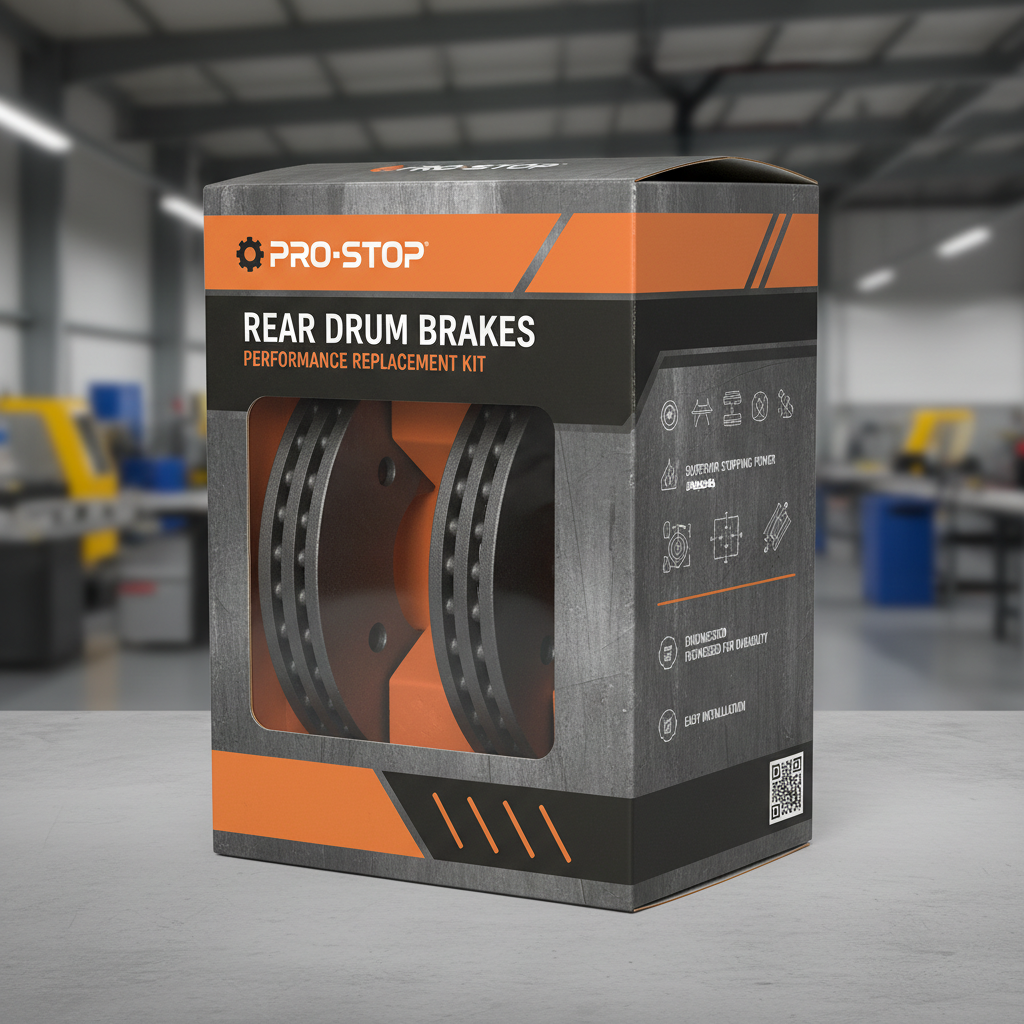
The front brake drum, a critical component of braking systems in vehicles, plays a vital role in ensuring safety and control. Its design and manufacturing have evolved significantly over time, impacting vehicle performance and driver confidence. Understanding the intricacies of the front brake drum is essential for automotive engineers, technicians, and even informed vehicle owners. The demand for high-performing and reliable braking systems continues to drive innovation in front brake drum technology.
Globally, the automotive industry is a massive economic driver, and braking systems represent a substantial segment within it. The production and replacement of front brake drums contribute significantly to this market. Furthermore, the increasing focus on vehicle safety standards, particularly in developing nations, necessitates the widespread adoption of effective braking technologies, bolstering the need for durable and dependable front brake drum solutions.
The challenge lies in balancing performance with cost-effectiveness and longevity, especially considering the diverse driving conditions and vehicle types worldwide. Innovations focused on material science and manufacturing processes are continually seeking to address these challenges and improve the overall efficiency and safety of front brake drum systems.
The Essential Role of front brake drum
The front brake drum is a foundational element in a vehicle's braking system, converting kinetic energy into thermal energy through friction, effectively slowing or stopping the vehicle. Its performance directly impacts stopping distance and overall vehicle safety. Understanding its components and how they interact is critical for maintaining optimal braking function.
Modern front brake drums are engineered with precision, utilizing materials and designs that prioritize durability, heat dissipation, and consistent performance under various driving conditions. Continued advancements in metallurgy and manufacturing techniques are essential to meet the evolving demands of the automotive industry and enhance driver safety.
Understanding the Global Automotive Landscape
The global automotive industry is a multi-trillion dollar market, with significant growth expected in emerging economies. This growth necessitates a corresponding increase in the production and maintenance of vehicle components, including front brake drums. Demand is heavily influenced by factors such as population growth, urbanization, and rising disposable incomes.
Stringent safety regulations, particularly in North America, Europe, and increasingly in Asia, are driving the adoption of advanced braking technologies, including improved front brake drum designs and materials. These regulations often mandate shorter stopping distances and enhanced braking performance, leading to ongoing innovation.
Furthermore, the shift towards electric vehicles (EVs) is impacting braking system design. While EVs utilize regenerative braking, traditional friction braking systems, including those with front brake drums, remain essential for emergency stops and overall safety. This creates a hybrid demand scenario requiring adaptable and efficient braking solutions.
Defining the front brake drum
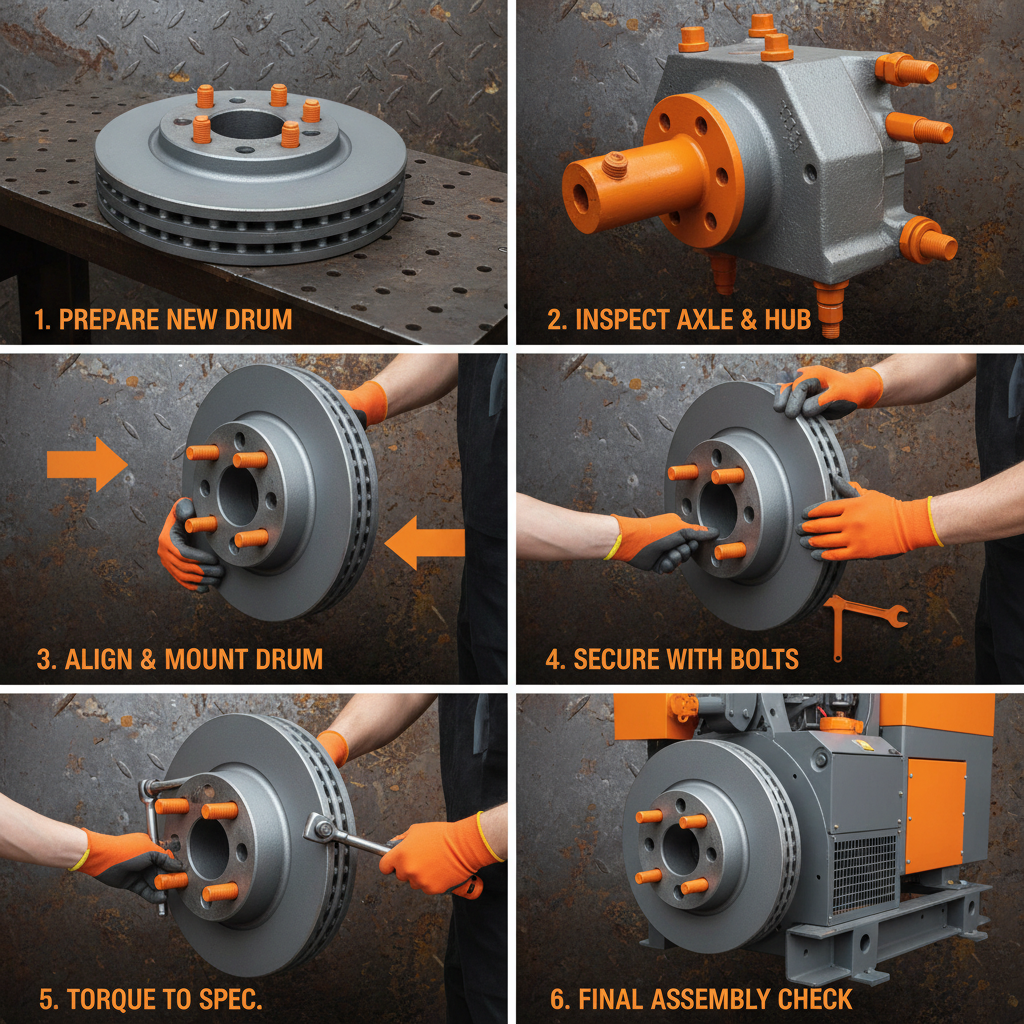
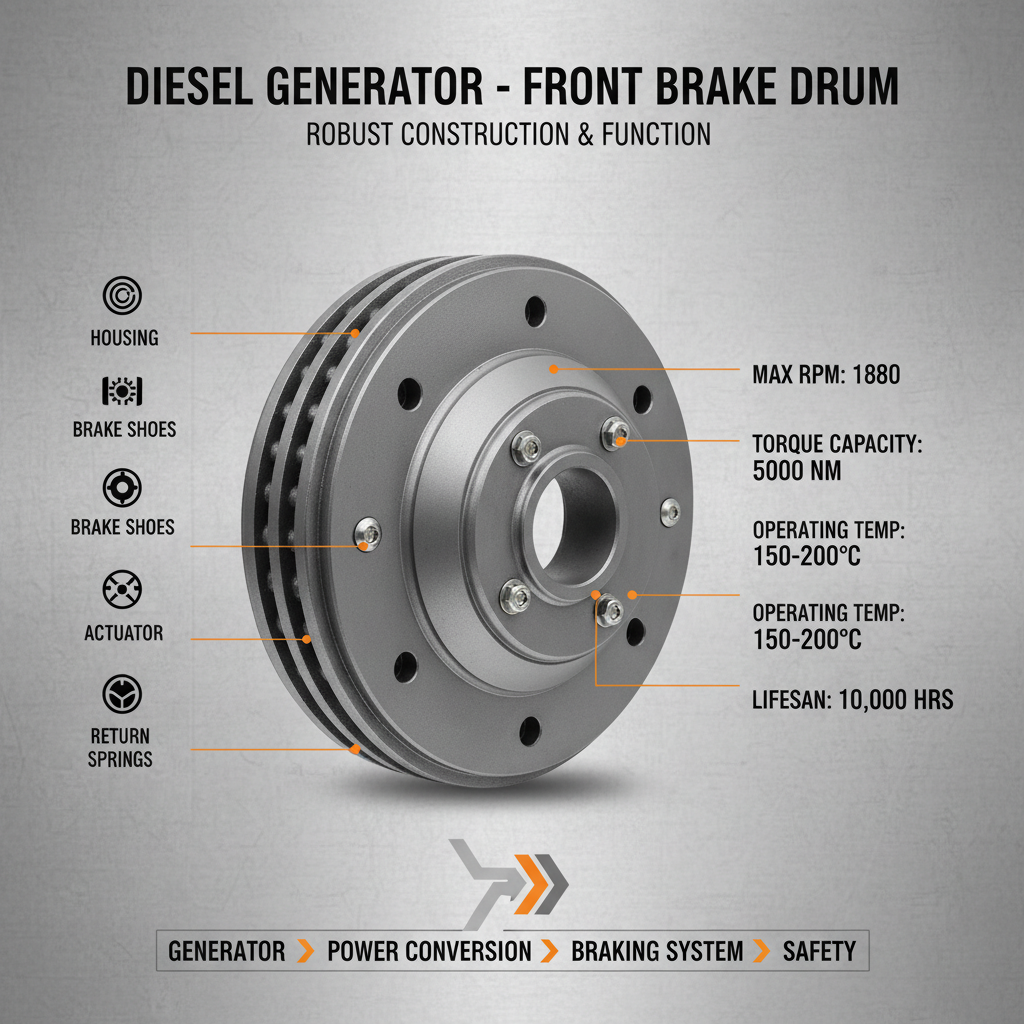
A front brake drum is a cylindrical component attached to a vehicle’s wheel, housing the brake shoes. When the brakes are applied, the brake shoes press outwards against the inner surface of the drum, creating friction and slowing or stopping the wheel’s rotation. The term 'front' specifically denotes its location in the vehicle's braking system.
Historically, front brake drums were a common braking solution, but they have largely been replaced by disc brakes in many modern vehicles due to superior heat dissipation and braking performance. However, they are still prevalent in certain vehicle types, such as heavy-duty trucks and some older models. They remain crucial for applications where cost-effectiveness and simplicity are paramount.
The effectiveness of a front brake drum relies on the precise interaction between the drum itself, the brake shoes, the wheel cylinder, and the braking mechanism. Maintaining the proper functionality of each component is vital for ensuring reliable and safe braking performance, connecting the system to the core of vehicle safety.
Key Factors Influencing front brake drum Performance
Several key factors contribute to the overall performance and reliability of a front brake drum. These include the material composition of the drum itself, its structural design, the quality of the friction material on the brake shoes, and the efficiency of the braking mechanism.
Heat dissipation is a critical factor, as excessive heat can lead to brake fade, reducing braking effectiveness. Design elements that promote airflow and efficient heat transfer are essential for maintaining consistent performance under demanding conditions.
front brake drum Performance Metrics Comparison
Global Applications and Industry Integration
While disc brakes dominate the passenger vehicle market, front brake drums still find significant application in heavier vehicles like trucks, buses, and trailers. These vehicles often require robust and cost-effective braking solutions, where the simplicity and durability of drum brakes prove advantageous.
In developing countries, front brake drums remain widely used due to their lower manufacturing costs and ease of maintenance. The automotive aftermarket also represents a substantial market for front brake drums, as vehicle owners require replacement parts for older models.
The Advantages of Advanced front brake drum Technology
Advanced front brake drum technologies offer several key advantages over traditional designs. These include improved heat dissipation, reduced brake fade, and enhanced durability. Utilizing high-performance materials and innovative design features can significantly extend the lifespan of the brake drum and reduce maintenance requirements.
Furthermore, advancements in manufacturing processes, such as precision casting and machining, enable tighter tolerances and improved surface finishes, resulting in smoother braking performance and reduced noise levels. This contributes to a more comfortable and safer driving experience.
The use of lighter materials, such as composite alloys, can also reduce vehicle weight, leading to improved fuel efficiency and handling.
Future Trends and Innovations in front brake drum Design
Future trends in front brake drum design are focused on enhancing performance, reducing weight, and improving sustainability. Research is underway to explore the use of novel materials, such as ceramic composites and carbon fiber reinforced polymers, to create lighter and more durable brake drums.
The integration of sensors and data analytics is also emerging as a key trend. These sensors can monitor brake temperature, wear, and performance in real-time, providing valuable insights for predictive maintenance and improved braking control.
Additive manufacturing (3D printing) holds promise for creating complex and customized front brake drum designs, tailored to specific vehicle applications. This technology enables greater design freedom and faster prototyping.
Summary of Front Brake Drum Design Innovation
| Innovation Area |
Material Advancements |
Design Optimization |
Manufacturing Processes |
| Material Science |
Ceramic Composites (Rating: 9) |
Ventilation Enhancement (Rating: 8) |
Precision Casting (Rating: 7) |
| Weight Reduction |
Carbon Fiber Polymers (Rating: 8) |
Hollow Drum Structures (Rating: 7) |
Additive Manufacturing (Rating: 9) |
| Thermal Management |
High Thermal Conductivity Alloys (Rating: 7) |
Fin Design Optimization (Rating: 8) |
Surface Coating Treatments (Rating: 6) |
| Sensor Integration |
Integrated Temperature Sensors (Rating: 6) |
Wear Monitoring Systems (Rating: 7) |
Wireless Communication (Rating: 5) |
| Durability Enhancement |
Surface Hardening Treatments (Rating: 8) |
Stress Distribution Analysis (Rating: 9) |
Quality Control Processes (Rating: 7) |
| Cost Reduction |
Optimized Alloy Composition (Rating: 7) |
Simplified Design Elements (Rating: 6) |
Automated Manufacturing (Rating: 8) |
FAQS
Front brake drums and disc brakes differ primarily in their design and heat dissipation capabilities. Disc brakes utilize an open design that allows for better airflow, leading to superior heat dissipation and reduced brake fade. Drums, being enclosed, retain more heat. Drums are generally more affordable and simpler in design, while discs offer better performance, particularly in demanding situations. Weight also plays a role, with discs often being lighter.
Front brake drums should be inspected at least twice a year, or every 12,000 miles, depending on driving conditions. Look for signs of wear, scoring, or cracking. Replacement is necessary if the drum is excessively worn, warped, or damaged. Regular inspections ensure optimal braking performance and prevent potential safety hazards. Brake shoe thickness should also be checked during inspections.
Common materials include cast iron, due to its affordability and heat capacity. However, higher-performance applications may utilize composite materials or specialized alloys with improved thermal conductivity and wear resistance. The specific material chosen depends on the vehicle type, intended use, and cost considerations. Gray cast iron remains the most widely used material due to its balance of properties.
Increased temperature can lead to brake fade, a reduction in braking effectiveness. As the drum heats up, the friction coefficient between the drum and the brake shoes decreases, requiring more force to achieve the same stopping power. Proper ventilation and the use of heat-resistant materials are crucial for mitigating the effects of temperature on brake drum performance. Monitoring drum temperature during operation can help identify potential issues.
Brake wear produces particulate matter, including fine dust, which can contribute to air pollution. This is a growing environmental concern. Research is ongoing to develop brake materials that generate less particulate matter and explore dust collection systems to minimize environmental impact. The move towards electric vehicles and regenerative braking also aims to reduce reliance on friction brakes and mitigate this issue.
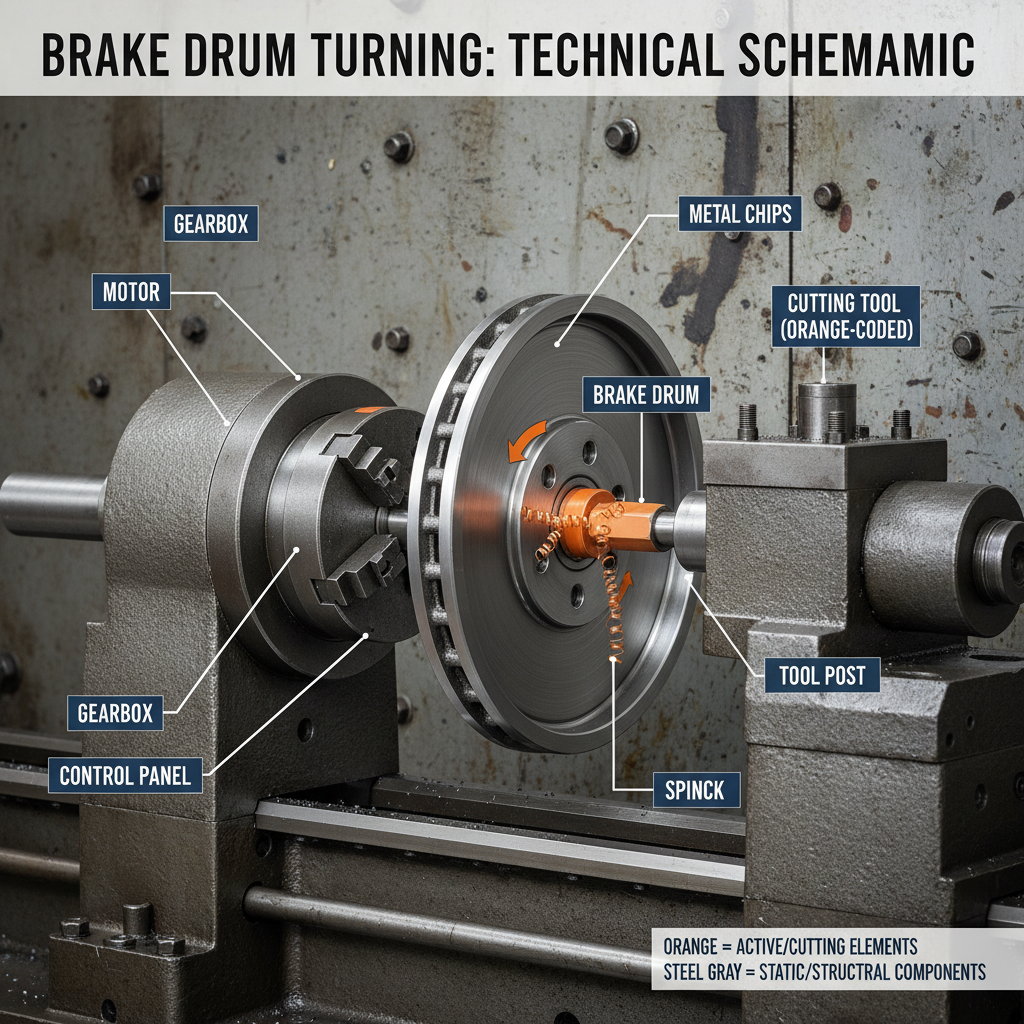
Machining, or turning, a front brake drum involves removing a thin layer of material from the inner surface to restore a smooth, even braking surface. This is typically done when the drum is scored or warped. Machining can improve braking performance and reduce noise, but there is a limit to how much material can be removed before the drum becomes too thin and unsafe. Always adhere to manufacturer’s specifications for minimum drum thickness.
Conclusion
The front brake drum, while often overshadowed by disc brake technology, remains a vital component in many vehicles, particularly in commercial applications and emerging markets. Its continued relevance stems from its cost-effectiveness, durability, and simplicity. Understanding the factors that influence its performance – from material science to design optimization – is crucial for ensuring vehicle safety and reliability.
Looking ahead, innovations in materials, manufacturing processes, and sensor integration will continue to refine front brake drum technology. Addressing environmental concerns related to brake wear and exploring sustainable materials will be key priorities. For those seeking high-quality and reliable front brake drum solutions, visit our website: www.hbncbrakedrum.com.