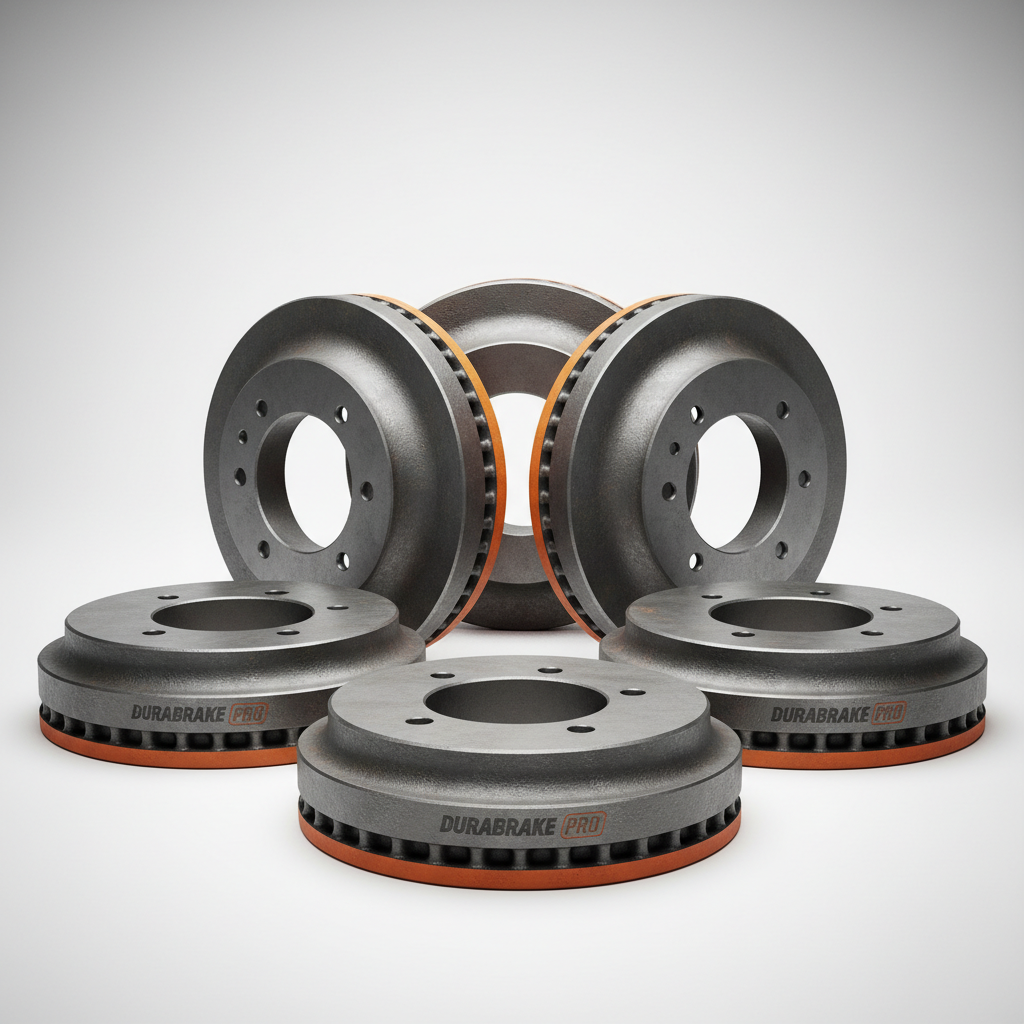
Understanding the dynamics of semi trailer brake drums prices is essential for fleet managers and logistics operators aiming to balance operational safety with cost-efficiency. In the demanding world of heavy-duty hauling, the brake drum serves as the primary friction surface, and its pricing reflects a complex interplay of material science, manufacturing precision, and global supply chain stability.
Globally, the logistics sector is facing unprecedented pressure to reduce downtime while maintaining strict safety standards. As transportation volumes increase, the wear and tear on braking components accelerate, making the strategic procurement of components—and a deep understanding of the factors influencing semi trailer brake drums prices—a critical part of financial planning for automotive maintenance.
By analyzing the market trends and technical specifications associated with these components, businesses can transition from reactive replacements to proactive lifecycle management. This guide explores everything from the raw material costs to the long-term value proposition of premium brake drums, helping you navigate the pricing landscape with confidence.
Global Market Drivers of Semi Trailer Brake Drums Prices
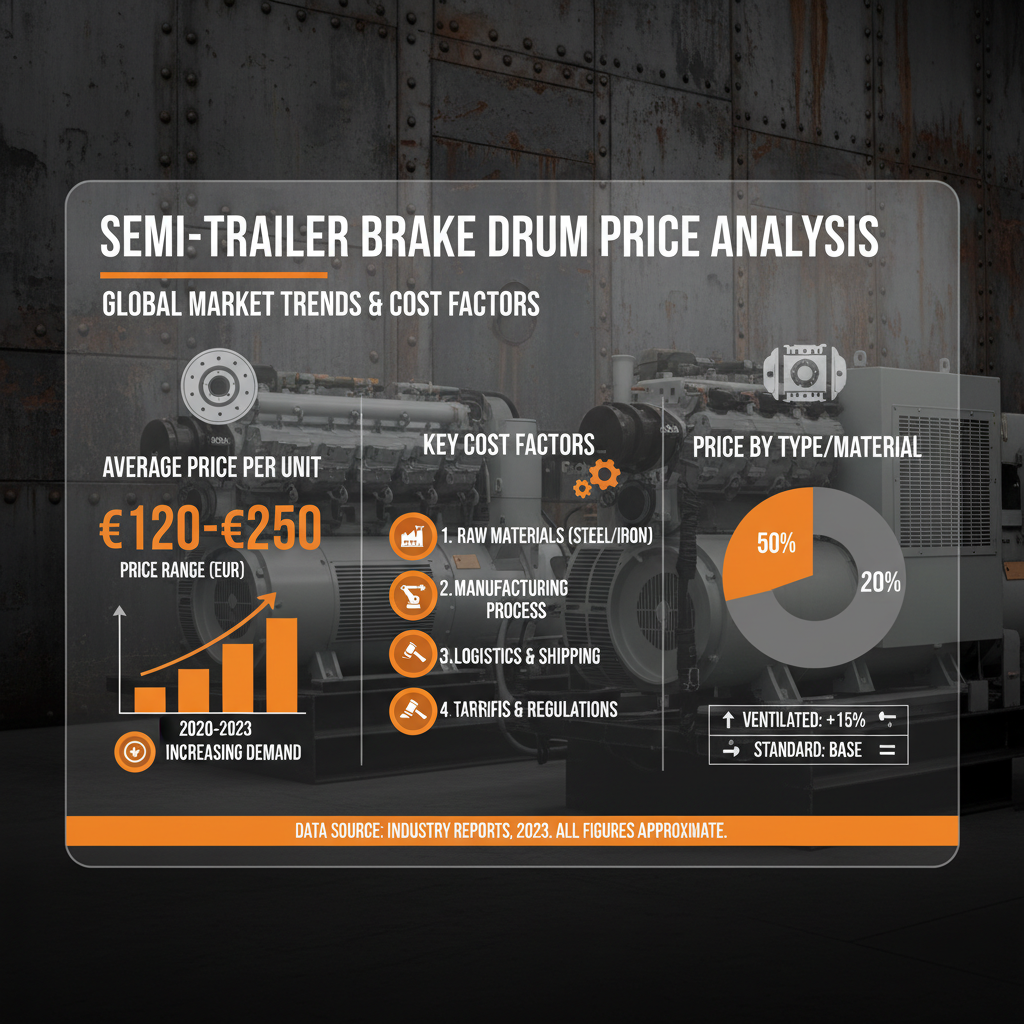
The fluctuation of semi trailer brake drums prices is heavily influenced by the global commodities market, particularly the cost of cast iron and alloy steel. Since these components require high-density materials to withstand extreme thermal stress, any volatility in the raw metal markets—often tracked by the London Metal Exchange (LME)—immediately reflects in the wholesale price of the finished product.
Furthermore, geopolitical shifts and shipping costs play a pivotal role. For instance, as ISO standards for automotive safety become more stringent globally, manufacturers are investing more in high-precision casting and CNC machining, which slightly elevates the baseline prices but significantly reduces the risk of catastrophic failure on the highway.
Defining Value in Brake Drum Pricing
When discussing semi trailer brake drums prices, it is important to distinguish between "sticker price" and "total cost of ownership." A low-cost drum may seem attractive initially, but if it lacks the thermal stability to prevent cracking under heavy loads, the cost of premature replacement and potential vehicle downtime far outweighs the initial savings.
In professional terminology, value is defined by the drum's ability to dissipate heat and resist wear. High-value drums often utilize centrifugal casting techniques, which ensure a more uniform grain structure. This technical superiority justifies a higher price point because it extends the service interval, thereby lowering the cost-per-mile for the operator.
Ultimately, the price reflects the reliability and safety engineering embedded in the part. For humanitarian logistics or remote industrial hauling, where a breakdown can be life-threatening or cause massive financial losses, the premium paid for certified, high-grade brake drums is viewed as an insurance policy against failure.
Core Factors Affecting Component Costs
The most significant driver of semi trailer brake drums prices is the material composition. Grey iron is the industry standard due to its excellent damping capacity and thermal conductivity, but the addition of chromium or nickel to increase corrosion resistance can drive the price up significantly.
Manufacturing precision is another critical variable. Drums produced via automated molding and precision-ground surfaces reduce "brake chatter" and improve shoe contact. The investment in these high-tech production lines is factored into the semi trailer brake drums prices, ensuring that the final product meets tight tolerances.
Lastly, certification and compliance (such as ECE R90 or DOT standards) add a layer of cost. The testing process—including stress tests and thermal cycle analysis—ensures that the drums can handle the immense kinetic energy of a fully loaded semi-trailer, justifying the price gap between generic and OEM-certified parts.
Cost-Efficiency and Performance Metrics
To truly evaluate semi trailer brake drums prices, one must look at the performance-to-cost ratio. This involves measuring the wear rate against the purchase price. A drum that costs 20% more but lasts 50% longer provides a much higher return on investment (ROI).
Efficiency is also measured by thermal recovery time. High-performance drums dissipate heat faster, allowing the brakes to remain effective during long descents. This prevents "brake fade," a dangerous condition where the friction material loses its grip, emphasizing that the cheapest option is often the most expensive in terms of risk.
Comparison of Value Metrics for Semi Trailer Brake Drums Prices
Global Applications and Procurement Trends
In large-scale industrial zones and cross-border logistics hubs, procurement strategies for semi trailer brake drums prices are shifting toward bulk long-term contracts. By locking in prices with manufacturers, fleet owners can hedge against the volatility of raw material costs and ensure a steady supply of critical safety parts.
Furthermore, in regions with extreme climates—such as the freezing terrains of Northern Canada or the humid tropics of Southeast Asia—specialized coatings are applied to brake drums to prevent oxidation. These environmental adaptations add to the price but are essential for maintaining the integrity of the braking system in harsh conditions.
Long-Term Value and Safety ROI
The logical angle of evaluating semi trailer brake drums prices is centered on risk mitigation. A single brake failure on a highway can lead to catastrophic accidents, insurance hikes, and legal liabilities that dwarf the cost of the highest-quality brake drums available on the market.
From an emotional standpoint, providing drivers with the most reliable equipment fosters trust and peace of mind. When a driver knows the equipment is top-tier, it reduces stress and improves overall operational safety, creating a culture of reliability that enhances the company's brand reputation.
Sustainable procurement also considers the "circular economy." High-quality drums can often be machined and resurfaced several times before needing total replacement. This recyclability lowers the effective price over time, making premium options more sustainable than cheap, single-use alternatives.
Future Innovations in Braking Materials
The future of semi trailer brake drums prices will be shaped by the integration of composite materials. Carbon-ceramic hybrids are beginning to emerge in specialized heavy-duty applications, offering nearly zero thermal expansion and incredible weight savings, though they currently command a significant price premium.
Digital transformation is also playing a role. The introduction of "smart drums" with embedded wear sensors allows fleet managers to predict the exact moment of replacement. While this technology increases the initial cost, it eliminates the guesswork and prevents the over-maintenance of components, optimizing the total spend on brake parts.
Finally, green manufacturing processes are reducing the carbon footprint of casting. As environmental regulations tighten, the move toward electric arc furnaces for iron smelting may shift the cost structure of brake drums, potentially stabilizing prices as energy efficiency improves.
Analysis of Material Performance and Pricing Impact
| Material Type |
Price Index (1-10) |
Wear Resistance |
Thermal Stability |
| Standard Grey Iron |
3 |
Moderate |
Average |
| Pearlitic Cast Iron |
5 |
High |
Good |
| Alloy Steel Blend |
7 |
Very High |
Excellent |
| Centrifugal Cast Iron |
6 |
High |
Very High |
| Chrome-Plated Iron |
8 |
Exceptional |
Good |
| Hybrid Composite |
10 |
Extreme |
Extreme |
FAQS
The variance in prices is primarily due to the casting method, material purity, and quality certifications. Premium brands use centrifugal casting for a denser, more heat-resistant structure, whereas budget brands may use traditional sand casting, which can leave internal voids and lead to faster wear and cracking.
While it depends on the load and terrain, most fleets monitor thickness limits. Replacing them just before they reach the minimum safety threshold—or opting for high-quality drums that allow for multiple resurfacing cycles—is the best way to optimize the impact of semi trailer brake drums prices on your budget.
Generally, yes, provided the price reflects better materials (like pearlitic iron) and precision machining. However, it's important to verify the specifications. A high price should correspond to a specific benefit, such as higher thermal conductivity or a certified longer wear-life rating.
Bulk buying reduces the unit price, but if the generic quality is low, you may face increased labor costs for frequent replacements and a higher risk of downtime. We recommend bulk purchasing high-grade, certified drums to achieve a true balance between low unit cost and long-term reliability.
Brake drums are heavy components. Shipping costs can significantly inflate the final price, especially for international orders. Sourcing from a manufacturer with efficient logistics or regional warehousing can help mitigate these costs and lower the total landing price.
If your trailers operate in coastal areas with high salt spray or in snowy regions where road salt is common, the investment in corrosion-resistant coatings is highly recommended. It prevents surface pitting and maintains the drum's structural integrity, justifying the higher price.
Conclusion
Navigating the complexities of semi trailer brake drums prices requires a shift in perspective from immediate expenditure to long-term asset management. By understanding that the true cost of a brake drum includes its lifespan, its safety performance, and the downtime it prevents, fleet operators can make procurement decisions that safeguard both their bottom line and their drivers.
As the industry moves toward smarter materials and more sustainable manufacturing, we encourage operators to invest in high-precision, certified components. Choosing quality over the lowest price is not just a financial decision; it is a commitment to safety and operational excellence. For the most reliable and competitively priced solutions, visit our website: www.hbncbrakedrum.com.