The drum brake motor is a critical component in a vast array of industrial and automotive applications, responsible for safely and efficiently decelerating or stopping rotating machinery. Its dependable performance under diverse conditions makes it a cornerstone of modern engineering. Understanding the principles, components, and advancements in drum brake motor technology is essential for engineers, technicians, and anyone involved in the design, maintenance, and operation of systems that rely on precise braking control.
Globally, the demand for effective and reliable braking systems, particularly those employing drum brake motors, is consistently high, driven by stringent safety regulations and the increasing complexity of machinery. The market is influenced by factors like automotive production volume, industrial automation trends, and the growth of sectors like mining and construction. Innovative developments are focused on improving efficiency, reducing weight, and enhancing durability to meet evolving industry needs.
The significance of the drum brake motor extends beyond simply stopping motion; it impacts safety, productivity, and operational costs. Properly functioning drum brake motors contribute to preventing accidents, minimizing downtime, and optimizing overall system performance. As industries continue to prioritize safety and efficiency, the demand for advanced drum brake motor technologies will only intensify.
Introduction to drum brake motor
A drum brake motor, at its core, transforms electrical energy into mechanical rotational force, ultimately applying friction to slow or stop a rotating drum. This process is fundamental to many industrial processes, vehicle braking systems, and material handling equipment. Proper operation relies on precision engineering and robust construction to withstand demanding conditions.
The efficiency and reliability of a drum brake motor directly impact the safety and productivity of the system it controls. Factors such as torque output, speed regulation, and heat dissipation are crucial considerations in selecting the appropriate drum brake motor for a specific application. Modern drum brake motors often incorporate advanced control systems and monitoring features to optimize performance and prevent failures.
Global Relevance and Industry Context
The global market for drum brake motors is substantial, directly linked to the growth of key industries such as automotive manufacturing, mining, construction, and materials handling. According to recent reports, the industrial brake market – which heavily features drum brake motors – is projected to reach \$15 billion by 2028, fueled by increased automation and stricter safety standards. This growth is particularly noticeable in emerging economies like China and India.
A significant challenge within the industry is the need to improve energy efficiency and reduce environmental impact. Traditional drum brake motors can be energy intensive, contributing to increased operating costs and carbon emissions. Addressing this requires innovative designs and the adoption of advanced materials and control technologies. International standards like ISO 9001 and IATF 16949 are also playing an increasingly important role in ensuring quality and consistency in drum brake motor manufacturing.
Furthermore, supply chain disruptions, as witnessed during recent global events, have highlighted the importance of diversifying sourcing and building resilient manufacturing capabilities within the drum brake motor sector. Companies are increasingly focusing on regionalization and localized production to mitigate risks and ensure a stable supply of critical components.
Defining the drum brake motor
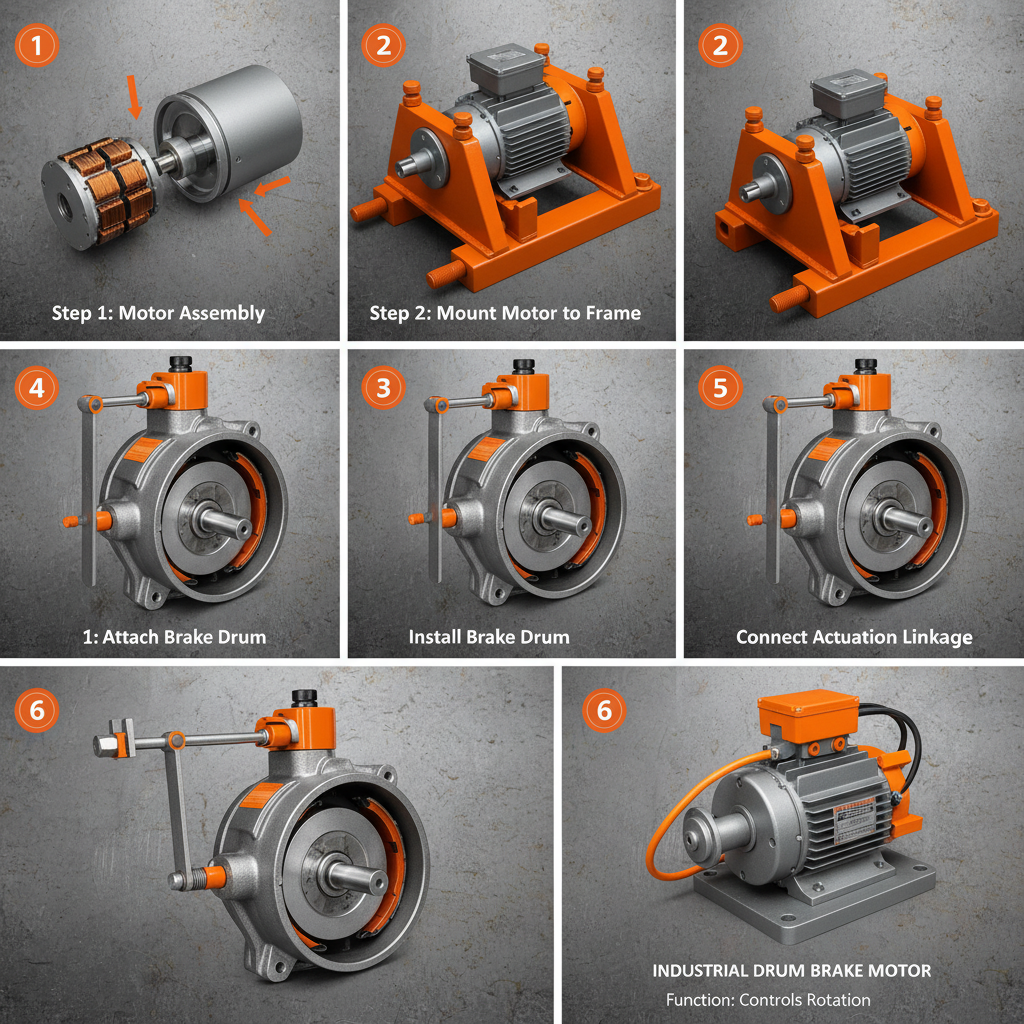
A drum brake motor is essentially an electromechanical device that integrates an electric motor with a braking mechanism. Unlike separate motor and brake assemblies, this integrated design provides a compact and responsive solution for applications requiring both motion and controlled stopping. The motor generates rotational force, while the braking system – often employing friction bands or shoes – engages to decelerate or halt the connected load.
Its connection to modern industry and humanitarian needs is multifaceted. In industrial automation, drum brake motors are critical for precision positioning and safety stops in conveyors, cranes, and robotic systems. In the automotive sector, they remain a viable option for parking brakes and emergency braking systems, especially in heavy-duty vehicles. Furthermore, these motors are used in specialized equipment for disaster relief, such as winches and lifting mechanisms.
The core function of a drum brake motor is to provide a reliable and controlled means of stopping rotational motion. This is achieved by converting electrical energy into mechanical force, then applying that force to activate a friction-based braking system. The effectiveness of this process relies on several factors, including motor power, braking torque, and the responsiveness of the control system.
Key Factors of drum brake motor Performance
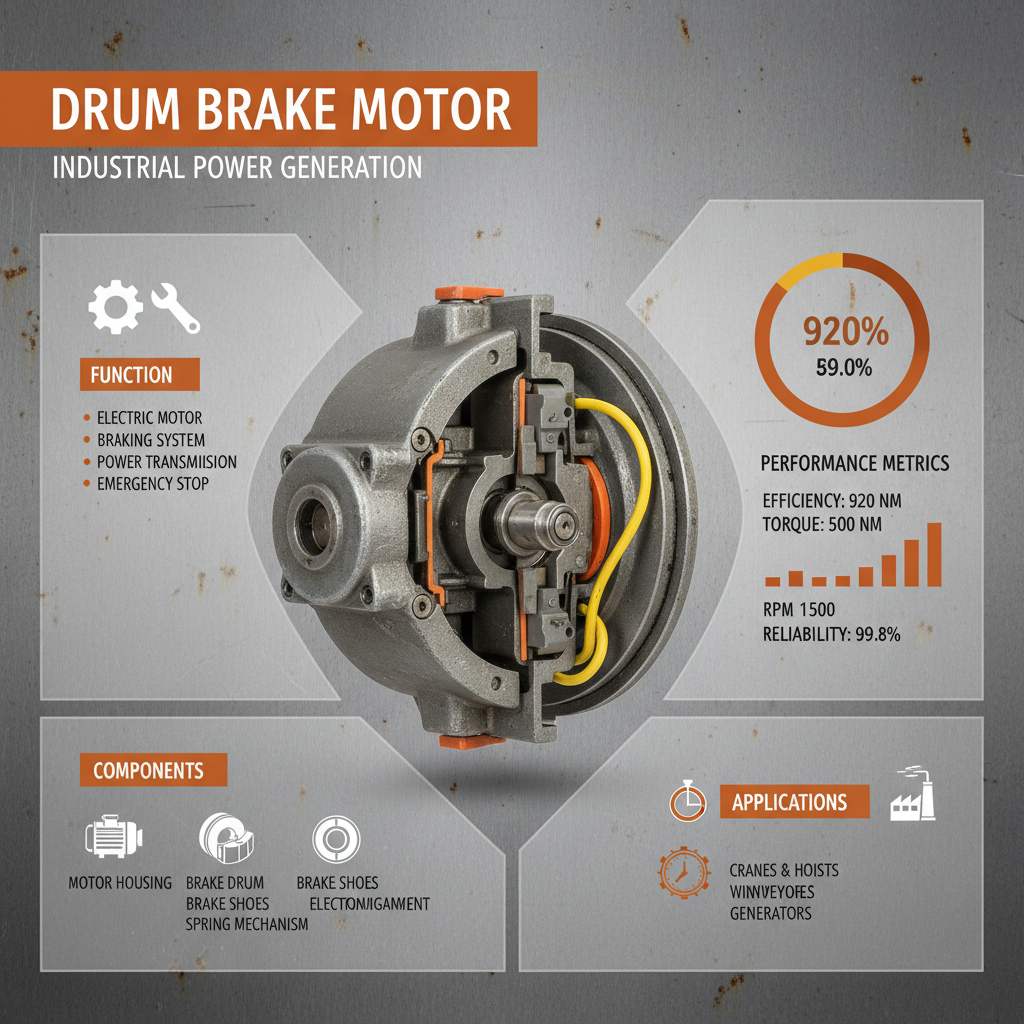
Several key factors contribute to the overall performance and suitability of a drum brake motor for a given application. One crucial aspect is Durability, which refers to the motor's ability to withstand harsh operating conditions, including extreme temperatures, dust, and vibration. A robust construction and high-quality materials are essential for ensuring long-term reliability.
Another important factor is Torque Output, representing the rotational force the motor can deliver. Higher torque is required for applications involving heavy loads or rapid deceleration. This is directly related to the motor's power and design characteristics.
drum brake motor Performance Metrics
Global Applications of drum brake motor
The drum brake motor finds widespread application across diverse industries. In the automotive sector, it’s frequently used for parking brakes, particularly in trucks and heavy machinery, providing a reliable static holding force. In industrial manufacturing, drum brake motors are integral to conveyor systems, enabling precise control of material flow and ensuring safe stops.
Mining operations rely heavily on drum brake motors in equipment such as hoists, winches, and excavators, where robust braking performance is critical for safety and operational efficiency. Similarly, in the construction industry, cranes and lifting equipment utilize drum brake motors to manage heavy loads and prevent accidents. In post-disaster relief operations, portable winches powered by drum brake motors are essential for clearing debris and lifting heavy objects.
Advantages and Long-Term Value of drum brake motor
A key advantage of the drum brake motor is its inherent reliability and ability to provide high holding torque, even in demanding conditions. This translates to reduced downtime and lower maintenance costs over the lifespan of the equipment. The integrated design also offers a compact form factor, simplifying installation and reducing space requirements.
From a sustainability perspective, advancements in drum brake motor technology are focusing on improving energy efficiency and reducing material consumption. By optimizing motor design and utilizing lightweight materials, manufacturers are contributing to a lower environmental footprint. The long-term value lies not only in cost savings but also in enhanced safety, improved productivity, and a commitment to responsible manufacturing practices.
Future Trends and Innovations in drum brake motor
Future trends in drum brake motor technology are centered around smart braking systems and integration with Industry 4.0 principles. This includes incorporating sensors and data analytics to monitor motor performance, predict potential failures, and optimize braking control in real-time. Digitalization and remote monitoring capabilities will become increasingly prevalent.
Material science is also playing a crucial role, with research focused on developing lighter and more durable materials for both the motor and braking components. The use of advanced alloys and composites can improve performance and extend the lifespan of drum brake motors. Furthermore, energy-efficient designs, incorporating regenerative braking and variable speed control, are gaining traction as industries strive to reduce their carbon footprint.
FAQS
Drum brake motors offer a more compact design, reduced installation complexity, and often provide more responsive braking due to the integrated nature of the system. The synchronized operation of the motor and brake can lead to improved control and efficiency compared to discrete components. This integration typically results in fewer potential failure points and simplified maintenance procedures.
Selecting the right drum brake motor involves carefully considering several factors, including the load weight, required braking torque, operating speed, duty cycle, and environmental conditions. You'll need to determine the necessary horsepower, voltage, and braking method (e.g., spring-set, electrically held). Consulting with a qualified engineer or a drum brake motor supplier is highly recommended to ensure optimal performance and safety.
The lifespan of a drum brake motor can vary significantly based on operating conditions and maintenance practices. However, with proper lubrication, regular inspections, and adherence to manufacturer recommendations, a well-maintained drum brake motor can typically last for 5 to 10 years or more. Factors such as excessive loads, extreme temperatures, and corrosive environments can reduce lifespan.
Yes, specialized drum brake motors designed for hazardous environments are available. These motors are typically certified to meet specific safety standards, such as explosion-proof or intrinsically safe ratings. They incorporate features like sealed enclosures, non-sparking components, and robust construction to prevent ignition of flammable materials.
Regular maintenance for drum brake motors includes periodic lubrication of bearings and braking surfaces, inspection of brake linings for wear, checking electrical connections, and verifying the functionality of any safety features. It’s also important to monitor motor temperature and listen for unusual noises that could indicate a potential problem. Following the manufacturer’s maintenance schedule is crucial.
Advancements in materials, such as high-strength alloys, composite materials, and improved friction linings, significantly enhance the performance and durability of drum brake motors. Lighter materials reduce weight and inertia, leading to faster response times. Stronger materials withstand higher stresses and temperatures, extending the motor's lifespan. Improved friction linings provide better braking performance and reduce wear.
Conclusion
In conclusion, the drum brake motor remains a vital component across a wide spectrum of industries, offering a reliable and efficient solution for controlling rotational motion. From automotive applications to heavy industrial equipment, its versatility and performance continue to make it a preferred choice for numerous braking needs. Understanding the underlying principles, key factors, and emerging trends surrounding drum brake motor technology is critical for professionals in these fields.
Looking ahead, continued innovation in materials, smart braking systems, and digitalization will further enhance the capabilities and sustainability of drum brake motors. Investing in research and development, coupled with a commitment to quality and safety standards, will ensure that these essential devices continue to play a crucial role in driving progress and protecting infrastructure globally. For further information and to explore our range of drum brake motors, visit our website: www.hbncbrakedrum.com.