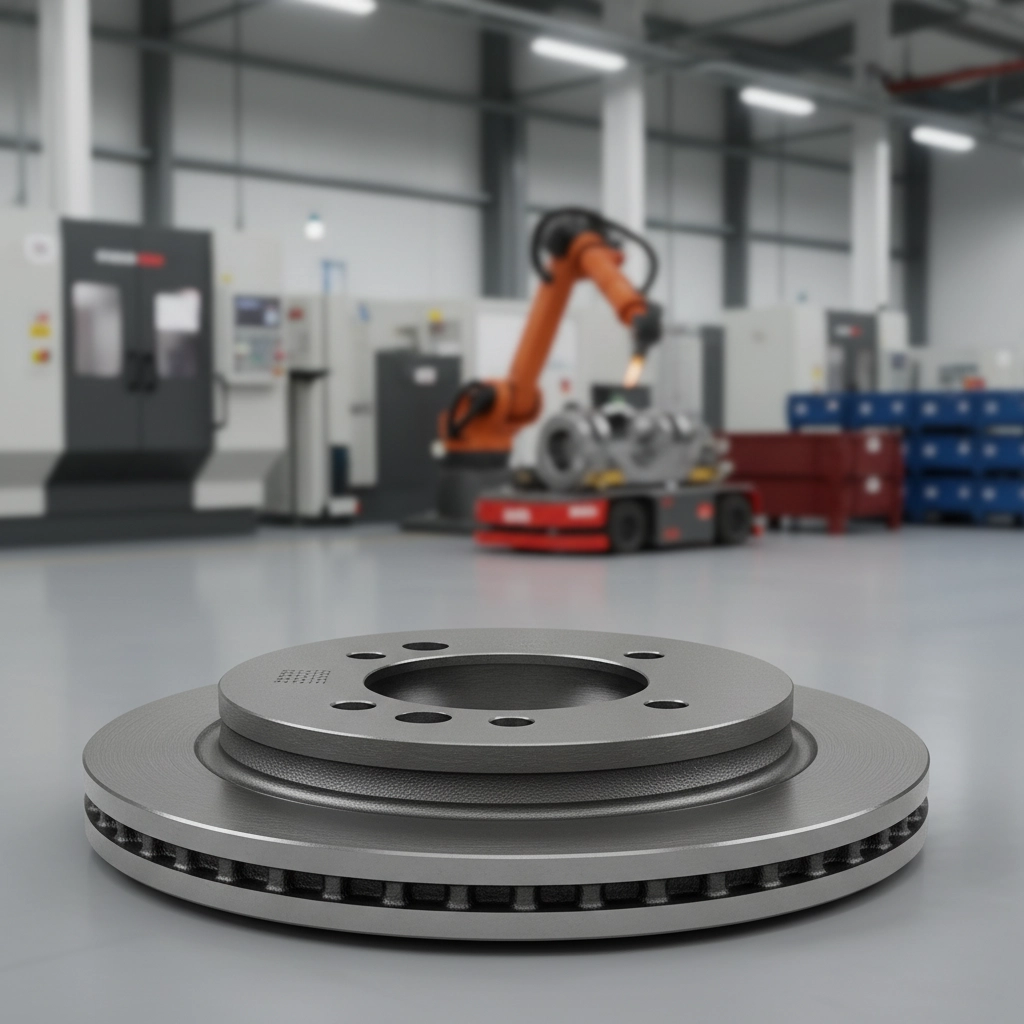
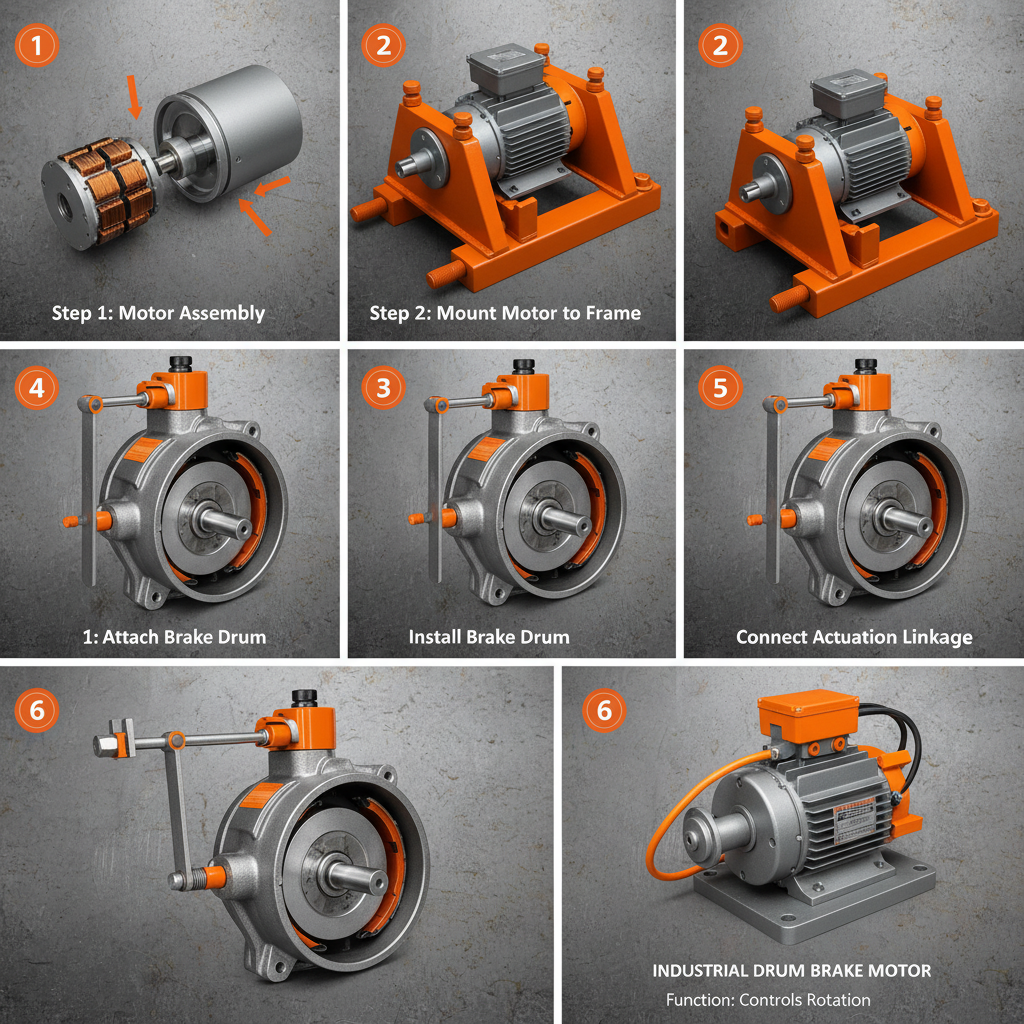
The automotive braking system is a critical intersection of safety and engineering, where the 66893 drum serves as a fundamental component for vehicle stability. In the demanding world of automotive parts manufacturing, the precision of a brake drum determines not only the stopping distance of a vehicle but also the long-term reliability of the axle assembly. Understanding the nuances of this specific part is essential for fleet managers and technicians aiming to maintain peak operational safety.
Globally, the demand for high-performance braking components has surged as vehicle weights increase due to the adoption of heavier batteries in hybrid models and the growth of heavy-duty transport. The 66893 drum is engineered to meet these evolving challenges, providing the necessary thermal mass to dissipate heat during intense braking cycles. Failure to utilize high-grade materials in these components can lead to catastrophic brake fade or premature wear, making the selection of a certified manufacturer paramount.
By focusing on the synergy between metallurgical strength and geometric precision, the 66893 drum addresses the industry's need for components that balance cost-efficiency with uncompromising safety standards. This guide explores the technical specifications, global applications, and future innovations surrounding this critical brake component, offering a comprehensive look at why it remains a cornerstone of modern automotive braking architecture.
Global Industry Context of 66893 Drum
In the current global automotive landscape, the 66893 drum operates within a market strictly governed by ISO safety standards and regional road safety regulations. As logistics networks expand across Asia and Europe, the reliance on durable braking components has shifted from simple replacement to a strategy of "preventative longevity." This shift is driven by the need to reduce downtime in commercial fleets, where a single brake failure can result in significant economic loss and safety hazards.
The integration of the 66893 drum into modern chassis design reflects a broader industry trend toward optimizing the weight-to-strength ratio. By utilizing advanced casting techniques, manufacturers are now able to produce drums that offer superior heat dissipation while maintaining the structural integrity required for heavy-load stopping. This global demand is further amplified by the rigorous testing requirements imposed by safety boards, ensuring that every unit can withstand extreme thermal cycling.
Technical Definition and Core Meaning
At its core, the 66893 drum is a high-precision cylindrical component that houses the brake shoes. When the driver applies the brake pedal, the shoes are pressed outward against the inner surface of the drum, creating the friction necessary to slow or stop the wheel's rotation. Unlike disc brakes, this drum design is particularly effective for parking brakes and low-to-medium speed heavy-duty applications due to its inherent mechanical advantage.
The "meaning" of the 66893 drum extends beyond its physical form; it represents a specific set of tolerances and material grades designed for a particular vehicle class. In the automotive parts hierarchy, this part is a "critical-to-safety" component. This means its manufacture involves stringent quality control processes, including ultrasonic testing for internal voids and precision machining to ensure a perfectly concentric inner diameter.
In the context of modern industry, the 66893 drum serves as a bridge between traditional mechanical reliability and modern metallurgy. It addresses the humanitarian need for safe transportation by ensuring that vehicles—ranging from delivery vans to light trucks—can operate reliably in diverse climates, from the humid tropics to freezing arctic conditions, without risking brake failure.
Key Factors Driving 66893 Drum Performance
One of the primary factors determining the efficiency of the 66893 drum is its thermal conductivity. During braking, kinetic energy is converted into heat; if the drum cannot dissipate this heat quickly, the friction coefficient drops, leading to "brake fade." High-grade grey iron is typically used to ensure that heat is moved away from the friction surface rapidly.
Wear resistance is another critical pillar for the 66893 drum. Through a process of precision surface hardening and the use of specific alloys, the inner lining of the drum is designed to resist abrasion. This ensures that the component maintains its geometric circularity over thousands of miles, preventing the "pulsing" sensation often felt in worn-out braking systems.
Lastly, the dimensional stability of the 66893 drum is paramount. Even a deviation of a few microns in the wall thickness can lead to uneven brake shoe contact. Modern CNC machining ensures that each drum adheres to strict blueprints, providing a balanced rotational mass that minimizes vibration and enhances the overall driving experience.
Global Applications and Practical Use Cases
The application of the 66893 drum is diverse, spanning across various commercial and industrial sectors. In the logistics industry, these drums are frequently installed in light commercial vehicles (LCVs) that navigate dense urban environments. The stop-and-go nature of city driving puts immense pressure on the braking system, making the robustness of the 66893 model essential for maintaining fleet uptime.
In more extreme environments, such as remote industrial zones or mining sites, the 66893 drum is valued for its ease of maintenance. In areas where sophisticated shop equipment is unavailable, the simplicity of drum brake replacement allows technicians to keep vehicles operational with basic tools, ensuring that essential supplies and personnel can move safely across rugged terrains.
Comparative Performance Rating of 66893 Drum Variations
Long-Term Value and Safety Advantages
The long-term value of investing in a premium 66893 drum lies in the reduction of Total Cost of Ownership (TCO). While lower-grade alternatives may offer initial savings, they often succumb to warping or "ovality" under high heat, requiring frequent replacements and causing accelerated wear on brake shoes. A high-quality drum ensures a longer service life, reducing the frequency of vehicle maintenance intervals.
From a safety and emotional perspective, the reliability of the 66893 drum provides peace of mind to the driver. Knowing that the braking system is equipped with components that meet rigorous international standards fosters trust in the vehicle's capability to perform in emergencies. This trust is a critical component of professional driving, where the safety of passengers and the public depends on the mechanical integrity of the brake assembly.
Future Innovations in Brake Drum Technology
The future of the 66893 drum is being shaped by the push toward sustainability and "green" manufacturing. We are seeing a transition toward more eco-friendly casting processes that reduce carbon emissions during production. Additionally, new anti-corrosion coatings are being developed to extend the life of the drum in salt-heavy winter environments, reducing the need for premature replacements.
Digital transformation is also touching the world of brake drums. Smart monitoring systems are being integrated into vehicle hubs to track the wear of the 66893 drum in real-time. By using acoustic sensors or wear-indicator pins linked to the onboard computer, fleet managers can predict exactly when a drum needs machining or replacement, moving from a scheduled maintenance model to a predictive one.
Furthermore, research into composite materials is exploring ways to maintain the high friction characteristics of the 66893 drum while reducing its overall mass. Light-weighting the braking system helps improve overall vehicle fuel efficiency and reduces the unsprung weight of the axle, leading to better handling and reduced tire wear.
Challenges and Expert Solutions for 66893 Drum
One of the most persistent challenges with the 66893 drum is the phenomenon of thermal cracking. When a drum is subjected to rapid heating and cooling, small fissures can develop on the surface. Expert solutions involve the use of specialized alloy compositions that increase the material's thermal fatigue resistance, alongside improved cooling fin designs that increase the surface area for heat exchange.
Another common issue is "brake squeal," often caused by harmonic vibrations between the shoe and the 66893 drum surface. To overcome this, engineers are implementing precision-ground surface finishes and recommending the use of dampened brake shoes. Ensuring that the drum is perfectly balanced during the manufacturing phase also significantly reduces the vibration frequencies that lead to noise.
Finally, the challenge of global supply chain volatility has led to inconsistencies in part quality. The solution lies in adhering to a strict E-E-A-T (Experience, Expertise, Authoritativeness, and Trustworthiness) framework for sourcing. By partnering with manufacturers who provide full material traceability and certified test reports for every batch of 66893 drum, buyers can ensure they are not compromising safety for cost.
Comparison Analysis of 66893 Drum Material and Performance Metrics
|
Material Grade
|
Heat Dissipation Score (1-10)
|
Wear Life (km)
|
Cost Efficiency
|
| Standard Grey Iron |
6 |
40,000 |
High |
| High-Carbon Iron |
8 |
60,000 |
Medium |
| Alloy Steel Blend |
9 |
80,000 |
Low |
| Coated Cast Iron |
7 |
55,000 |
Medium |
| Premium Heavy Duty |
10 |
100,000 |
Low |
| Recycled Alloy |
5 |
30,000 |
Very High |
FAQS
The most common signs include a pulsing sensation in the brake pedal, loud grinding noises during braking, or a noticeable increase in the stopping distance. Additionally, if you notice deep grooves or "scoring" on the inner surface of the 66893 drum during a visual inspection, it is time for a replacement to ensure safety.
Yes, in many cases, a 66893 drum can be machined or "turned" to remove surface imperfections and restore a smooth friction surface. However, this is only possible if the remaining wall thickness stays above the manufacturer's minimum safety limit. If the drum is too thin, resurfacing can lead to overheating and potential failure.
The 66893 drum is engineered from materials with high thermal stability, allowing it to operate in both extreme heat and cold. However, in salt-heavy winter regions, corrosion can occur on the non-friction surfaces. We recommend using coated versions of the drum to prevent rust and maintain the structural integrity of the component.
Heavy-duty 66893 drums typically feature increased wall thickness and a superior alloy composition for better heat dissipation. They are designed for vehicles that frequently carry maximum loads or operate in hilly terrain, where braking forces are consistently higher than in standard city driving.
For commercial fleets, we recommend a detailed inspection of the 66893 drum every 10,000 to 15,000 miles. For private use, it should be checked during every oil change or brake shoe replacement. Early detection of wear or cracking can prevent costly repairs and ensure vehicle safety.
While the 66893 drum is manufactured to industry-standard dimensions, it is always best to use brake shoes that match the friction material specifications of the drum. Using mismatched materials can lead to uneven wear or increased noise. Consult your technical manual for the best-matched shoe combinations.
Conclusion
The 66893 drum stands as a testament to the critical importance of precision engineering in the automotive supply chain. By balancing thermal management, wear resistance, and dimensional accuracy, this component ensures that vehicles can stop safely and reliably under a wide variety of global conditions. From the materials used in casting to the final CNC finishing, every detail of the 66893 drum is designed to mitigate risk and maximize the operational lifespan of the braking system.
As we look toward a future of smarter, greener transportation, the evolution of the 66893 drum will likely involve advanced composites and predictive maintenance integration. For fleet owners and technicians, prioritizing high-quality, certified components is the most effective way to ensure long-term safety and cost-efficiency. To explore our full range of high-performance braking solutions and secure the best components for your vehicle, visit our website: www.ningchaibrakedrum.com.