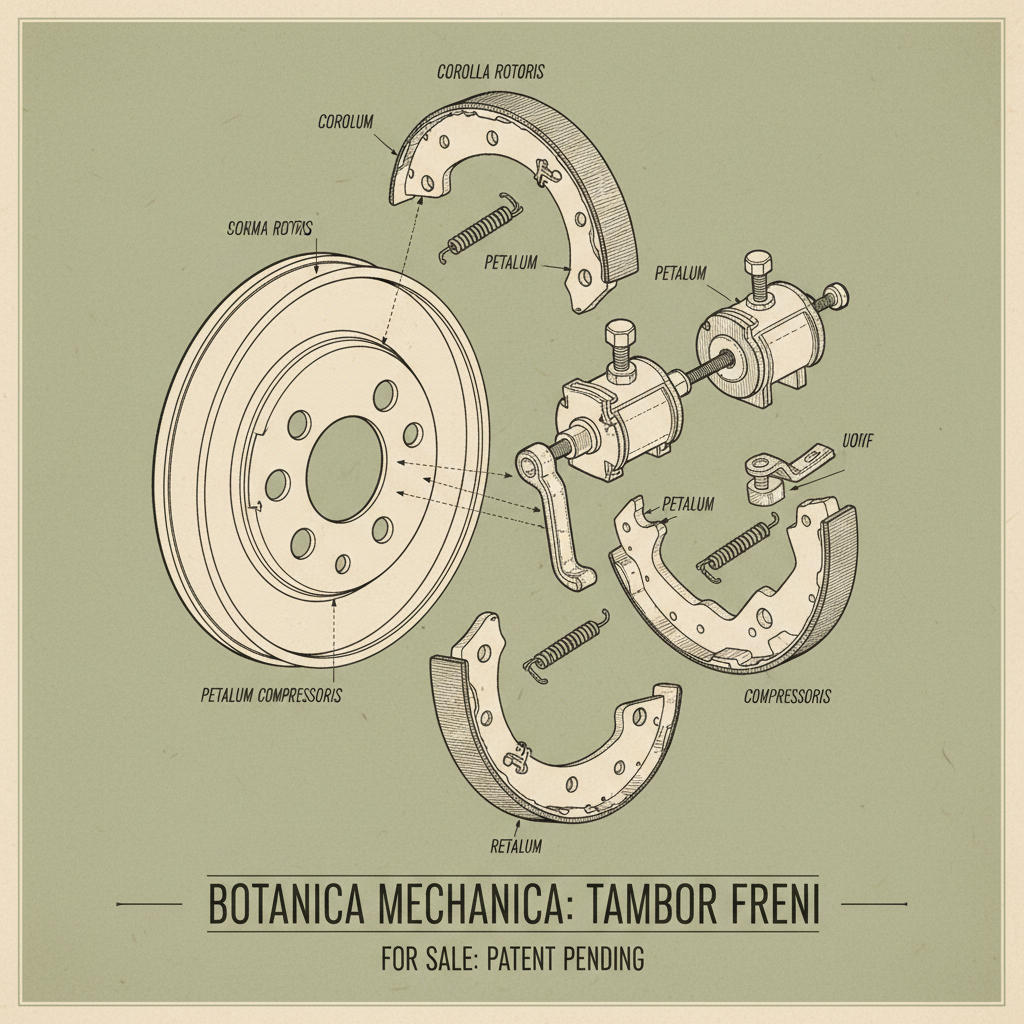
Understanding the dynamics of trailer brake drums prices is essential for fleet managers and logistics operators who aim to balance operational safety with budgetary constraints. As the backbone of the braking system in heavy-duty transport, the cost of these components is not merely a procurement line item but a critical factor in the Total Cost of Ownership (TCO) for commercial trailers.
Globally, the volatility of raw material costs, particularly cast iron and alloys, directly influences trailer brake drums prices. With the rise of stricter international transport safety standards, there is an increasing demand for high-performance drums that can withstand extreme thermal stress, leading to a price divergence between standard grade and premium reinforced options.
By analyzing the factors that drive these costs, businesses can make informed decisions on whether to prioritize low initial investment or long-term durability. This guide provides a comprehensive breakdown of how trailer brake drums prices are structured and how to identify the best value for your specific hauling requirements.
Global Market Influence on Trailer Brake Drums Prices
The global economy plays a pivotal role in shaping trailer brake drums prices. Supply chain disruptions in key metallurgy hubs and fluctuations in energy costs for smelting operations often lead to sudden price shifts. According to industrial trade data, the cost of raw grey iron—the primary material for these components—can fluctuate by 15-20% annually, directly impacting the final quote provided to the consumer.
Furthermore, international shipping costs and import tariffs add layers of complexity to the pricing. For companies importing components from specialized hubs in Asia or Europe, the landed cost of brake drums is often significantly higher than the ex-factory price, making local sourcing a strategic consideration to stabilize trailer brake drums prices across different fiscal quarters.
Material Science and Cost Correlation
The primary driver of trailer brake drums prices is the specific alloy composition used during the casting process. Standard grey iron is the most common choice due to its excellent thermal conductivity and damping capacity, offering a baseline price point that is accessible for general-purpose hauling. However, for heavy-duty industrial applications, higher-grade alloys with added chromium or nickel are used to prevent corrosion and heat cracking.
When comparing different material grades, the "cost per mile" becomes more relevant than the initial purchase price. Premium materials, while increasing the immediate trailer brake drums prices, offer superior resistance to wear and tear, reducing the frequency of replacements. This creates a trade-off between a lower upfront investment and a lower long-term maintenance budget.
Additionally, the precision of the casting process—such as the use of automated molding vs. manual sand casting—influences the final cost. Automated processes ensure tighter tolerances and less post-casting machining, which can actually help in optimizing trailer brake drums prices by reducing waste and labor hours per unit.
Manufacturing Standards and Price Tiers
Certification standards such as ISO and SAE significantly impact trailer brake drums prices. Components manufactured under strict quality management systems require more rigorous testing—including hardness tests and ultrasonic flaw detection—which adds to the production overhead.
In the mid-tier market, we see trailer brake drums prices that balance basic safety certifications with cost-effective production. These are typically ideal for light-to-medium duty trailers where the extreme thermal loads of mountain hauling are not a constant factor.
The high-end tier consists of "performance" drums, where trailer brake drums prices reflect the use of advanced heat-treatment processes. These drums are designed to eliminate internal stresses from the casting process, ensuring that the drum does not warp under heavy braking, which is critical for hazardous material transport.
Comparing Price Efficiency Across Models
Not all brake drums are created equal, and the price efficiency varies based on the drum's design and intended load capacity. For instance, a standard 12-inch drum will have a different price trajectory compared to a heavy-duty 16.5-inch drum. Analyzing trailer brake drums prices across these sizes reveals that as the volume of material increases, the price does not always scale linearly due to bulk casting efficiencies.
To better understand the value proposition, we can look at the rating of different pricing strategies based on their effectiveness in reducing long-term fleet costs.
Comparative Value Analysis of Trailer Brake Drums Prices
Regional Variations in Procurement Costs
Procurement of braking components is heavily influenced by geography. In North America, trailer brake drums prices are often driven by a high demand for "just-in-time" delivery and local warehousing, which adds a premium to the base cost. In contrast, procurement from East Asian manufacturing hubs often yields lower unit prices but requires larger minimum order quantities (MOQs).
Furthermore, environmental regulations in different regions impact production costs. European manufacturers, for example, must adhere to strict carbon emission standards during the smelting process, which can lead to slightly higher trailer brake drums prices compared to regions with less stringent environmental oversight. However, these drums often come with superior sustainability certifications.
Long-Term Value vs. Initial Expenditure
The most common mistake in fleet procurement is focusing solely on the lowest trailer brake drums prices available. Cheap drums often suffer from "hot spotting" or uneven wear, which leads to brake fade and increased stopping distances. From a safety perspective, the cost of a single failure far outweighs the savings achieved by purchasing budget components.
Logical analysis suggests that investing in mid-to-high range drums reduces the "down-time" of the trailer. When a trailer is off the road for brake maintenance, the company loses revenue. Therefore, drums with a higher price point that offer a 30% longer lifespan actually result in a lower cost per operating hour, effectively neutralizing the initial price gap.
Trust in the brand and the manufacturer's warranty also plays a role in the perceived value. A slightly higher price that includes a comprehensive replacement warranty against casting defects provides peace of mind and financial predictability, making trailer brake drums prices a matter of risk management rather than just shopping.
Future Innovations Impacting Market Pricing
The landscape of trailer brake drums prices is set to change with the introduction of composite materials. While traditional cast iron remains the standard, research into ceramic-metallic composites promises drums that are lighter and more heat-resistant. Initially, these will drive prices up, but as mass production scales, they may redefine the "standard" price point.
Digital transformation in the foundry—specifically the use of 3D printing for casting molds—is also beginning to influence costs. This technology allows for optimized internal cooling geometries that were previously impossible to cast. While this increases the R&D cost, it reduces material waste, potentially stabilizing trailer brake drums prices over the long term.
Sustainability mandates are also pushing the industry toward "circular economy" models, where old drums are remanufactured rather than scrapped. This "re-certified" market creates a new pricing tier that allows operators to access high-quality components at a fraction of the new-production trailer brake drums prices.
Analysis of Price Factors across Different Brake Drum Categories
| Drum Category |
Material Grade |
Relative Price Index |
Lifespan Rating (1-10) |
| Economic Series |
Standard Grey Iron |
Low |
4 |
| Standard OEM |
Refined Cast Iron |
Medium |
7 |
| Heavy Duty |
Alloyed Cast Iron |
Medium-High |
8 |
| Premium Performance |
Heat-Treated Alloy |
High |
10 |
| Custom Industrial |
Specialty Composite |
Very High |
9 |
| Remanufactured |
Recycled Grade |
Lowest |
6 |
FAQS
Price variations typically stem from the quality of the raw cast iron, the precision of the machining process, and the certifications the manufacturer holds. Higher-priced drums usually undergo more rigorous quality control, such as X-ray inspections for internal air pockets, which ensures greater safety and a longer lifespan compared to budget options.
Yes, in most commercial cases. While the initial trailer brake drums prices may be higher for premium alloys, these components resist heat warping and wear more slowly. This reduces the frequency of replacement intervals and minimizes vehicle downtime, which is often the most expensive part of fleet maintenance.
Material grade refers to the carbon and alloy content of the iron. Standard grey iron is cost-effective but wears faster. Alloys containing chromium or nickel increase the cost of production but provide vastly superior hardness and corrosion resistance, which is why they command a higher price in the market.
It is not recommended for heavy hauling. Low-cost drums often lack the thermal stability required for heavy loads, increasing the risk of "brake fade" or cracking under stress. For safety-critical components, sticking to certified manufacturers is a necessary investment regardless of the price.
Bulk ordering typically reduces the per-unit cost significantly because it allows the manufacturer to optimize the casting run and reduces the administrative and shipping costs per item. Many suppliers offer tiered pricing discounts for fleet-wide upgrades.
This depends on the load and terrain. However, if you invest in high-grade drums, you can often extend the replacement cycle by 20-40%. Regular inspections are key to ensuring you aren't replacing drums prematurely or running them into a dangerous state of wear.
Conclusion
Navigating the complexities of trailer brake drums prices requires a shift in perspective from "lowest cost" to "highest value." We have explored how raw material quality, manufacturing certifications, and regional logistics all converge to determine the final price. Ultimately, the most economical choice is the one that maximizes the interval between replacements while guaranteeing uncompromising safety for the driver and the cargo.
As the industry moves toward smarter materials and more sustainable production methods, the value proposition of high-performance braking components will only increase. We recommend that fleet operators perform a Total Cost of Ownership analysis before procurement to ensure their braking systems are an asset to their efficiency rather than a recurring liability. For high-quality, durable solutions, visit our website: www.ningchaibrakedrum.com