Navigating the complexities of heavy-duty vehicle maintenance often leads fleet managers and owner-operators to a critical crossroads: balancing performance and budget. When analyzing the semi truck brake drum price, it is not merely about the initial sticker cost, but rather the total cost of ownership, including longevity, safety ratings, and the frequency of replacement.
In the global logistics landscape, where downtime is measured in thousands of dollars per hour, understanding the variables that influence the semi truck brake drum price is essential. From the raw material grade of the cast iron to the precision of the machining process, every factor plays a role in how much a component costs and how long it keeps a vehicle on the road.
Whether you are sourcing components for a single rig or managing a massive fleet, the goal is to find a price point that doesn't compromise on the E-E-A-T (Experience, Expertise, Authoritativeness, and Trustworthiness) standards of automotive safety. By diving deep into the pricing structures and technical specifications, operators can make informed decisions that safeguard both their profits and their drivers.
Global Market Dynamics of Semi Truck Brake Drum Price
The global semi truck brake drum price is subject to volatile raw material markets, specifically the cost of high-grade gray iron and alloys. As international trade regulations shift and ISO standards for automotive safety become more stringent, manufacturers must balance the cost of high-purity materials with the need to keep end-user prices competitive.
Fluctuations in the global supply chain, often influenced by energy costs and shipping tariffs, mean that the semi truck brake drum price can vary significantly between OEM (Original Equipment Manufacturer) parts and high-quality aftermarket alternatives. Understanding these dynamics allows fleet managers to hedge their procurement strategies effectively.
Defining the Components of Brake Drum Pricing
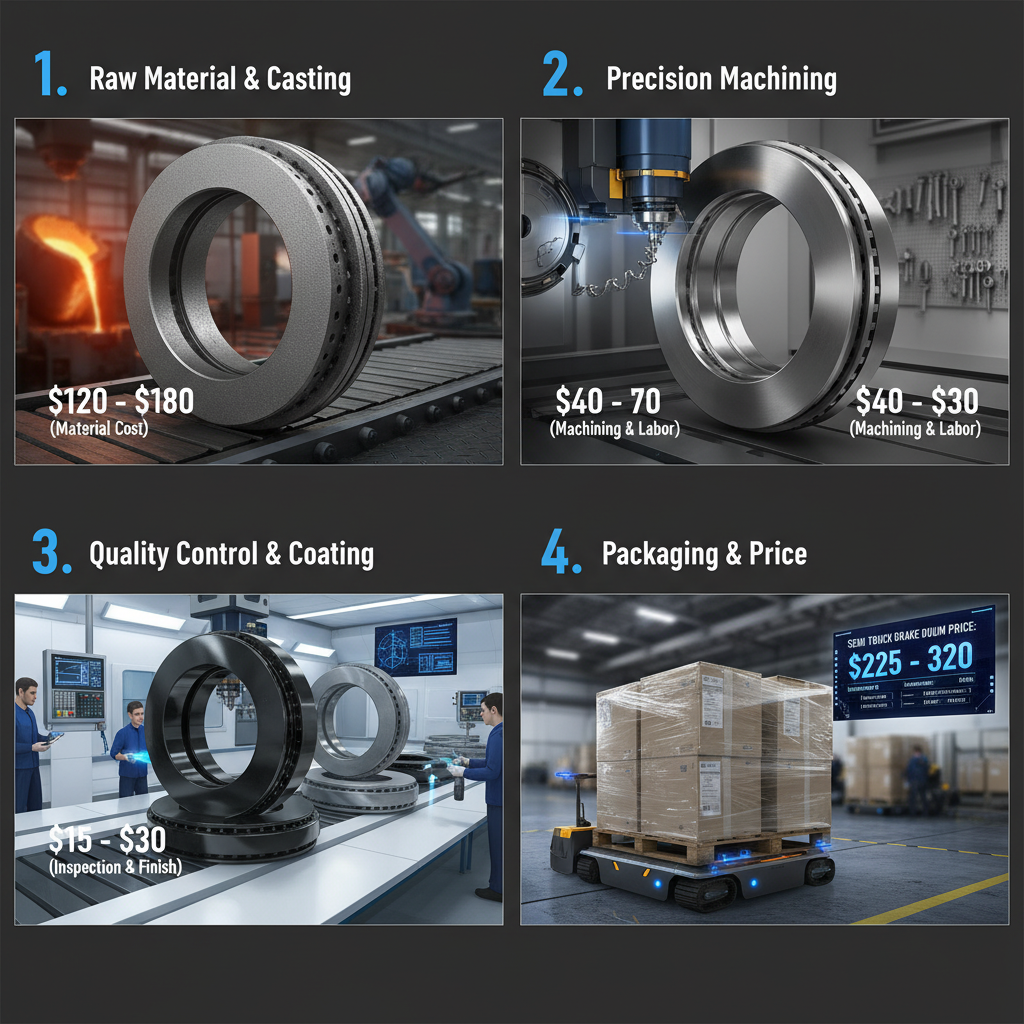
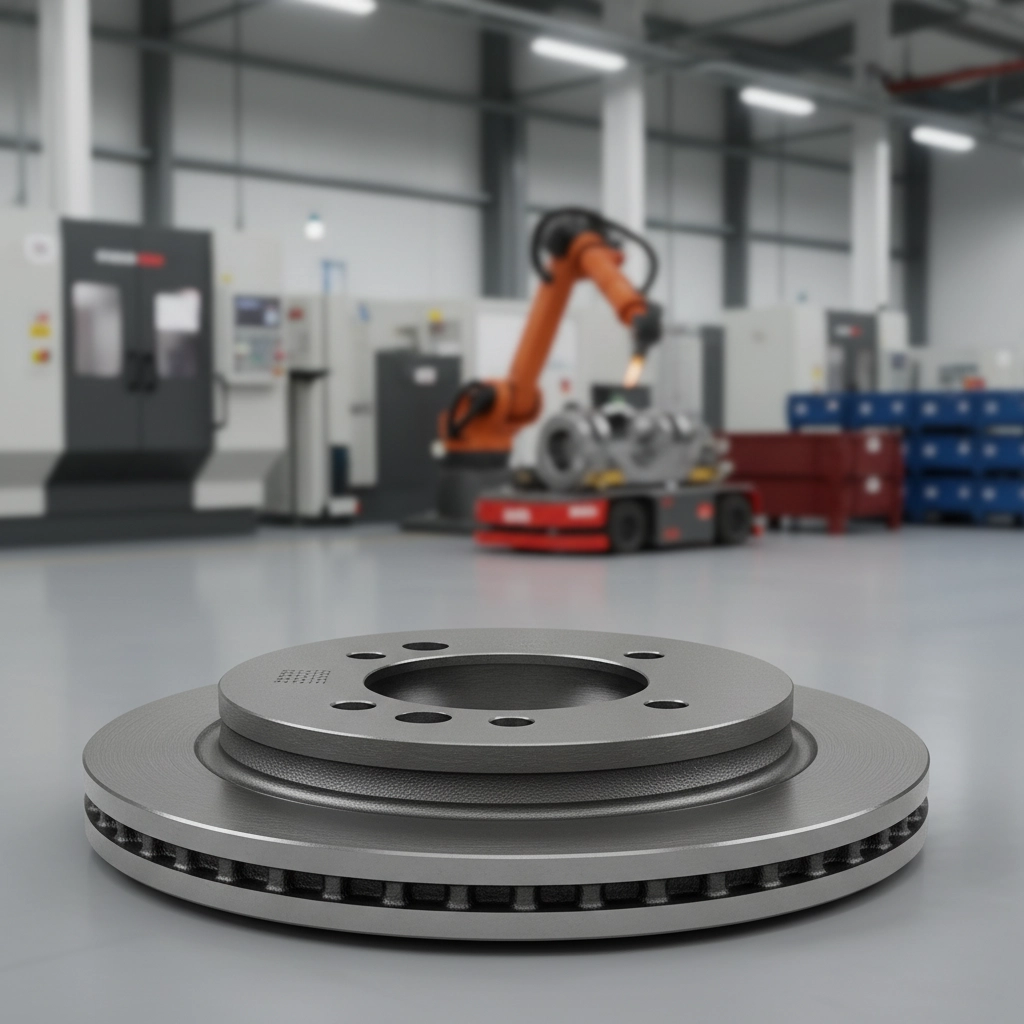
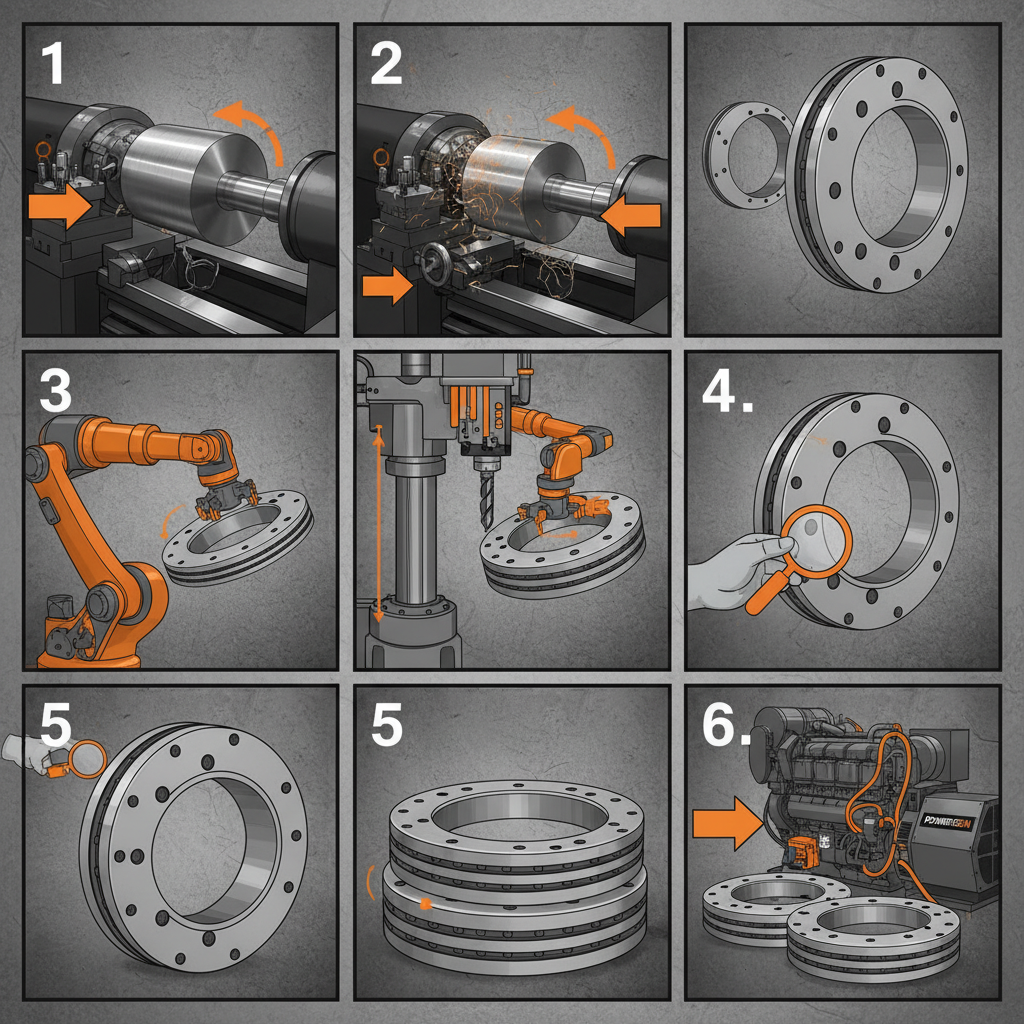
At its core, the semi truck brake drum price is a reflection of the metallurgical integrity and the precision engineering required to stop a 40-ton vehicle. It encompasses the cost of the casting process, where molten metal is poured into molds, and the subsequent machining process that ensures the drum is perfectly concentric to prevent "brake chatter."
Beyond the physical product, the price often includes the "certification cost." Components that meet strict SAE or DOT standards require rigorous testing, including thermal stress tests and hardness checks. This quality assurance is what separates a budget-grade drum from a professional-grade component, directly impacting the final market value.
Furthermore, the pricing structure is often divided into "standard" and "heavy-duty" categories. Heavy-duty drums, designed for mountainous terrain or extreme loads, utilize denser alloys and reinforced walls, which naturally elevates the semi truck brake drum price but reduces the long-term cost of frequent replacements.
Key Factors Influencing Component Cost Efficiency
Durability is the primary driver of the semi truck brake drum price. A drum that resists heat cracking and wear for 200,000 miles is exponentially more cost-effective than a cheaper alternative that fails at 50,000 miles. This "cost-per-mile" metric is the true measure of efficiency.
Material scalability also plays a role; manufacturers who can source raw iron in bulk and utilize automated CNC machining can lower the semi truck brake drum price without sacrificing the structural integrity of the casting. This industrial efficiency is passed down to the consumer through competitive wholesale pricing.
Finally, the integration of heat-dissipation technology—such as vented designs or specialized coatings—can slightly increase the semi truck brake drum price but prevents "brake fade." In professional hauling, the ability to maintain stopping power under load is a non-negotiable safety requirement.
Global Applications and Price Variations
The application of brake drums varies by region, which in turn affects the semi truck brake drum price. In North America, where long-haul interstate trucking dominates, there is a high demand for drums with extreme thermal stability. In contrast, urban distribution fleets in Europe may prioritize lightweight materials to meet strict emissions and fuel efficiency targets.
In remote industrial zones, such as mining operations in Australia or logging in Canada, the semi truck brake drum price is often secondary to availability and ruggedness. In these contexts, operators often pay a premium for "over-engineered" drums that can withstand abrasive environments and irregular maintenance schedules.
Analysis of Semi Truck Brake Drum Price by Material Grade
Long-Term Value and Safety ROI
When evaluating the semi truck brake drum price, the most logical approach is to calculate the Return on Investment (ROI) through the lens of safety. A low-cost drum that suffers from premature cracking not only requires a second purchase but increases the risk of catastrophic brake failure, which can lead to insurance hikes and legal liabilities.
The emotional value of trust cannot be overstated. Drivers feel more confident and dignified when they know their equipment is top-tier. By investing in a slightly higher semi truck brake drum price for premium, certified parts, company owners foster a culture of safety that improves driver retention and operational reliability.
Future Innovations in Brake Material Pricing
The industry is currently witnessing a shift toward "smart" materials and sustainable manufacturing. Future iterations of brake drums may include sensors that monitor wear in real-time, which will likely adjust the semi truck brake drum price upward initially but drastically lower maintenance costs through predictive replacement.
Digital transformation in the foundry process, such as 3D printing for prototype molds, is allowing manufacturers to optimize the weight of the drum without losing strength. This precision engineering reduces material waste, which could eventually lead to a more stable and transparent semi truck brake drum price across the global market.
Furthermore, the move toward carbon-neutral steel and iron production is introducing "Green Premiums." While this might temporarily increase the semi truck brake drum price, it aligns the logistics industry with global sustainability goals, reducing the carbon footprint of every mile driven.
Challenges in Sourcing and Pricing Solutions
One of the most persistent challenges is the proliferation of substandard "grey market" components. These parts often advertise an unbelievably low semi truck brake drum price but fail to meet basic safety tolerances, leading to uneven wear and dangerous braking distances.
To overcome this, industry experts recommend a "Verified Sourcing" approach. This involves demanding material mill certificates and checking for ISO 9001 certifications. By prioritizing transparency over the lowest possible semi truck brake drum price, procurement officers can ensure they are getting a product that meets engineering specifications.
Another solution is the adoption of bulk procurement contracts with reputable manufacturers. By locking in a semi truck brake drum price for a 12-to-24 month period, fleets can protect themselves from the volatility of iron ore prices and ensure a consistent supply of critical safety components.
Comparative Analysis of Sourcing Strategies and Semi Truck Brake Drum Price Impact
| Sourcing Method |
Price Impact |
Lifespan Rating (1-10) |
Risk Level |
| OEM Direct |
Highest Price |
10 |
Very Low |
| Certified Aftermarket |
Moderate Price |
9 |
Low |
| Bulk Contract |
Stable/Discounted |
8 |
Low |
| Generic Wholesale |
Low Price |
6 |
Medium |
| Grey Market/Unbranded |
Lowest Price |
3 |
High |
| Custom Heavy-Duty |
Premium Price |
10 |
Very Low |
FAQS
The variation in semi truck brake drum price is primarily driven by material composition (e.g., the percentage of alloy in the iron), the precision of the machining, and the certification levels. OEM brands charge a premium for guaranteed compatibility and rigorous testing, while aftermarket brands may offer lower prices by optimizing production scales or using different material grades.
Not necessarily, but it requires scrutiny. A low price can be the result of efficient manufacturing and bulk sourcing. However, if the price is significantly below the market average, it may indicate a lack of heat treatment or poor casting quality, which can lead to premature cracking and safety risks.
Brake drums should be inspected during every major service. Depending on the load and terrain, you should budget for replacement every 150,000 to 300,000 miles. Factoring in the semi truck brake drum price annually helps fleet managers avoid unexpected downtime and maintain a consistent maintenance fund.
Yes, for specific applications. If your trucks operate in mountainous regions or carry maximum payloads, heavy-duty drums provide superior thermal management. The higher initial semi truck brake drum price is offset by a significantly longer lifespan and a reduced risk of brake fade, ensuring driver safety.
Absolutely. Most manufacturers and distributors offer tiered pricing for bulk orders. By purchasing drums for an entire fleet at once, you can negotiate a lower per-unit semi truck brake drum price and ensure that all vehicles are equipped with the same quality of components.
Regardless of the semi truck brake drum price, always look for ISO 9001 certification for the manufacturing process and compliance with DOT or SAE standards. These certifications guarantee that the drum has undergone the necessary stress and quality tests to operate safely under heavy loads.
Conclusion
In conclusion, the semi truck brake drum price is far more than a simple line item in a maintenance budget; it is a critical indicator of the balance between operational economy and road safety. By understanding the impact of material grades, manufacturing certifications, and global supply chain dynamics, fleet operators can move beyond the "lowest bid" mentality and embrace a "best value" strategy that prioritizes longevity and reliability.
Looking forward, the integration of smarter materials and sustainable casting processes will continue to reshape how we perceive the semi truck brake drum price. We encourage all fleet managers to invest in certified, high-performance components that protect their most valuable assets—their drivers. For professional-grade solutions and competitive pricing, visit our website: www.ningchaibrakedrum.com.