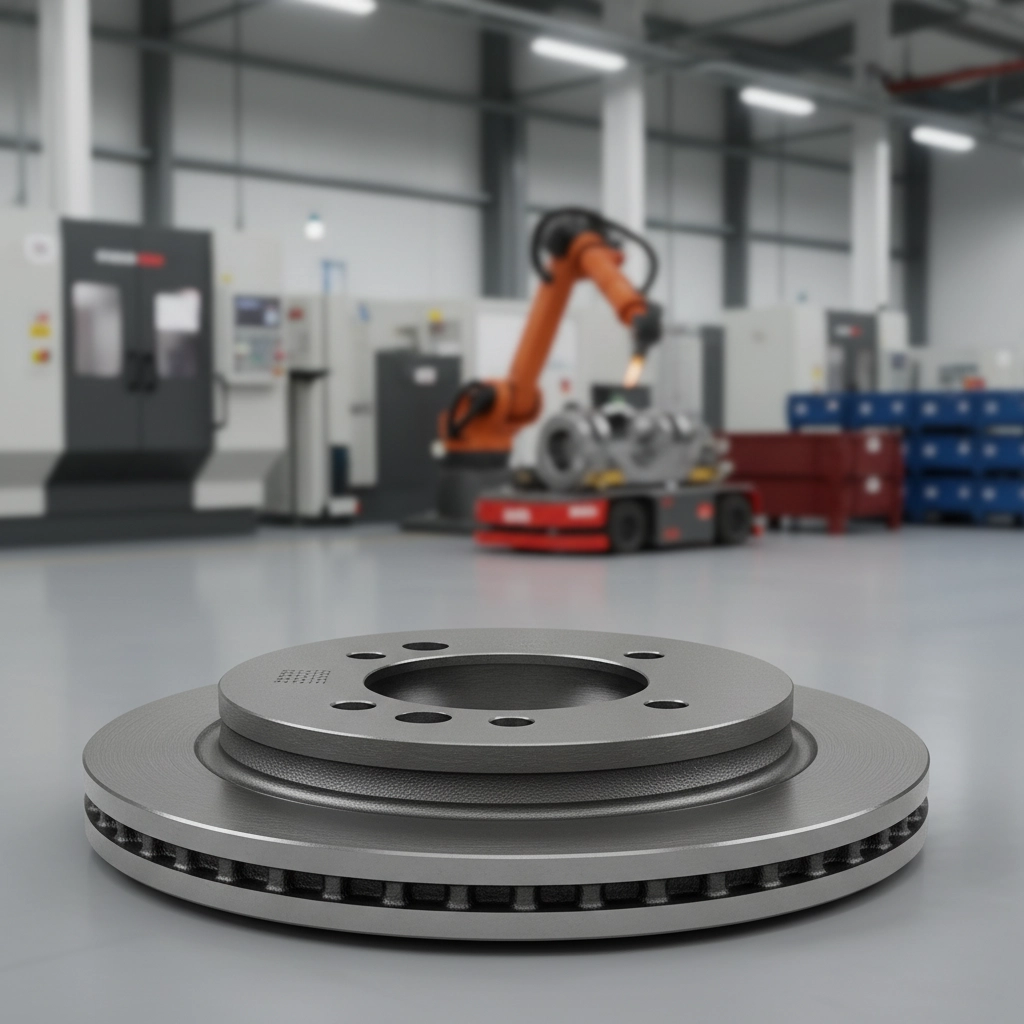
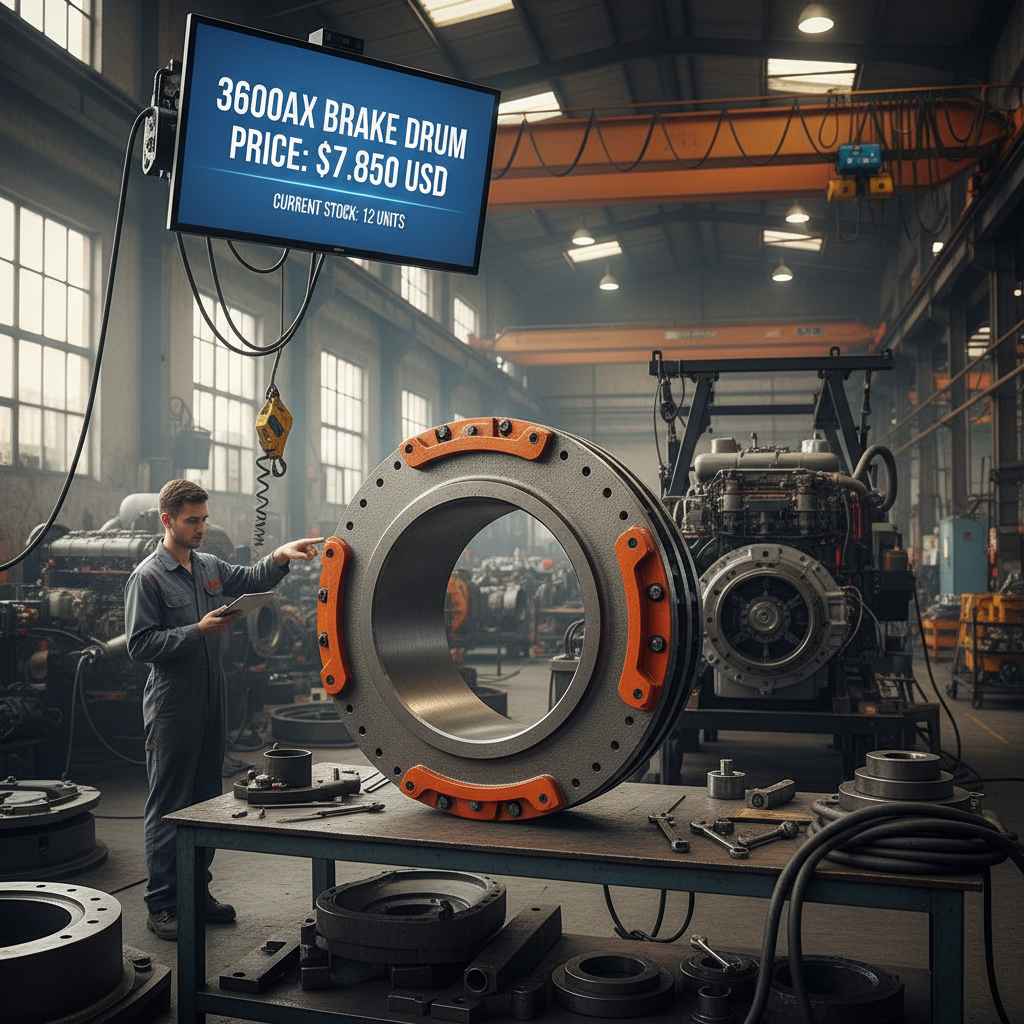
Brake drums and rotors are critical components in any vehicle’s braking system, playing a fundamental role in ensuring safety and control. Their performance directly impacts stopping distances and overall vehicle stability, making them essential for both personal and commercial transportation. Understanding the intricacies of brake drums and rotors is crucial for mechanics, automotive engineers, and anyone involved in vehicle maintenance and safety.
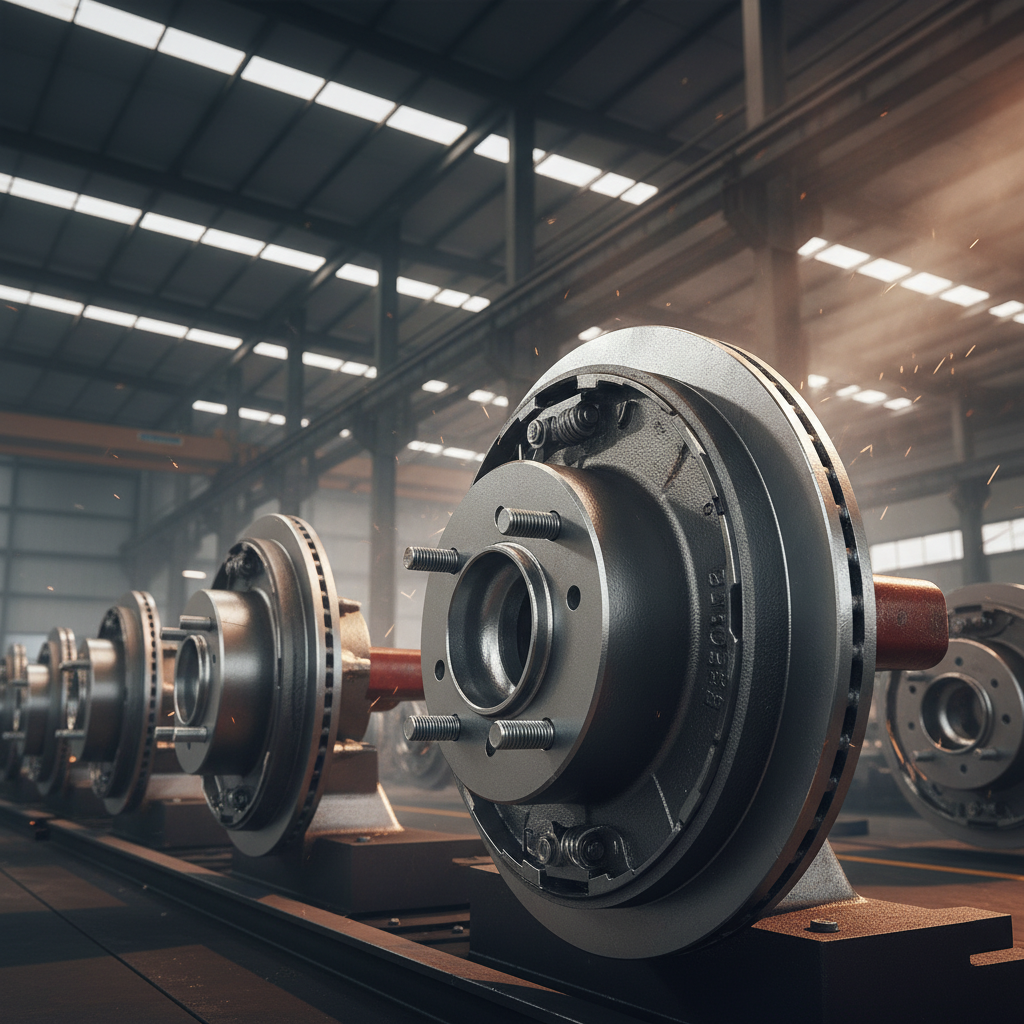
The global automotive industry relies heavily on the consistent supply and quality of brake drums and rotors. With increasing vehicle production worldwide, and a growing emphasis on advanced safety features, demand for these components remains robust. According to industry reports, the automotive brake system market is projected to reach significant growth in the coming years, driven by innovations in braking technology and stricter safety regulations globally.
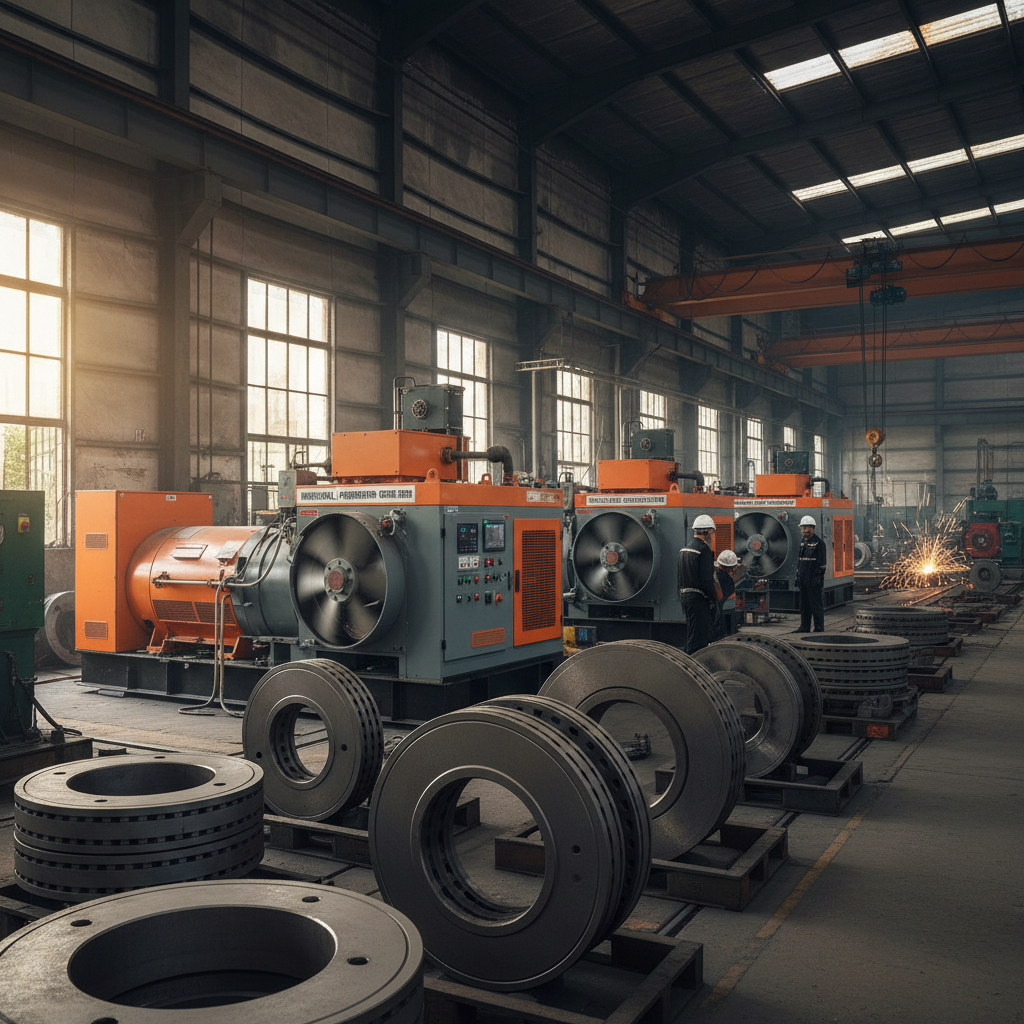
Furthermore, advancements in materials and manufacturing processes are constantly improving the performance, durability, and efficiency of brake drums and rotors. This contributes to reducing vehicle emissions and enhancing fuel economy, aligning with global sustainability initiatives. Proper knowledge of these components is paramount for maintaining safe and efficient vehicles on roads worldwide.
The Fundamentals of Brake Drums and Rotors
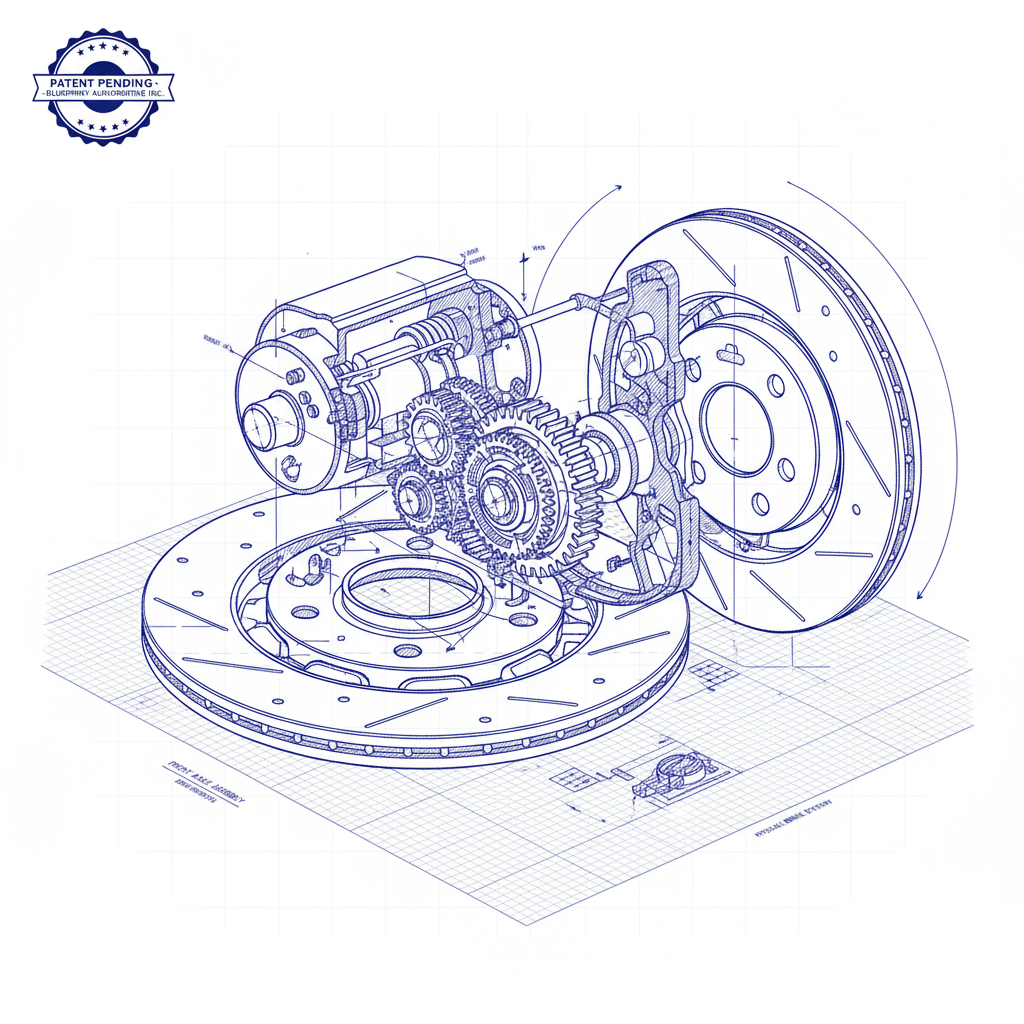
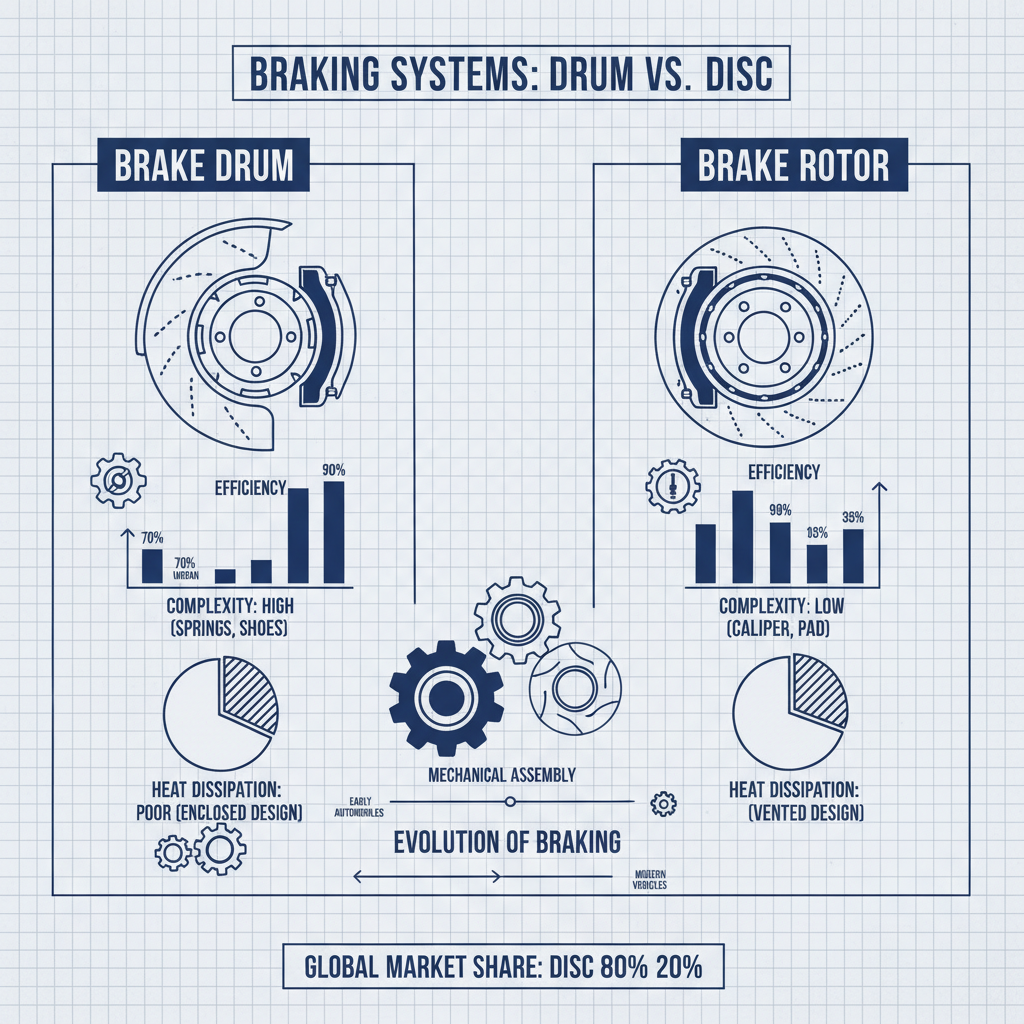
At their core, brake drums and rotors are the surfaces against which brake pads create friction to slow or stop a vehicle. Brake drums, typically found in older vehicles or larger commercial applications, are cylindrical components that rotate with the wheel. Rotors, more common in modern passenger vehicles, are disc-shaped and attached to the wheel hub. Understanding the fundamental difference in operation is key to appreciating their individual strengths and weaknesses.
The effectiveness of brake drums and rotors directly correlates to the amount of heat they can dissipate. Excessive heat can lead to brake fade, a dangerous reduction in braking performance. Therefore, the materials used and the design of these components are critical for maintaining consistent and reliable braking power under various driving conditions.
Defining Brake Drums and Rotors
A brake drum is a hollow cylindrical component that houses the brake shoes. When the brakes are applied, the shoes press outwards against the inner surface of the drum, creating friction to slow the wheel’s rotation. Brake drums are generally made of cast iron or composite materials designed to withstand high temperatures and wear.
Conversely, a brake rotor (or disc) is a solid metal disc that rotates with the wheel. Brake pads, mounted in calipers, clamp down on both sides of the rotor to generate friction. Rotors are also typically made of cast iron, but high-performance vehicles often utilize slotted or drilled rotors for improved heat dissipation.
The modern automotive industry is largely shifting towards rotor-based braking systems due to their superior heat dissipation capabilities and performance characteristics, particularly at higher speeds and under demanding braking conditions. Both systems, however, fundamentally serve the same purpose: converting kinetic energy into thermal energy through friction, ultimately bringing a vehicle to a safe and controlled stop.
Core Characteristics of Brake Drums and Rotors
Durability is a paramount characteristic of both brake drums and rotors. They are subjected to intense stress and heat during operation, demanding materials that can withstand repeated cycles of friction and thermal expansion. The lifespan of these components is directly related to driving habits, vehicle load, and the quality of materials used in their construction.
Heat capacity is another crucial factor. Effective brake systems must efficiently dissipate the heat generated during braking to prevent brake fade. Rotor designs, like those with internal vanes, enhance airflow and improve heat dissipation compared to traditional drum systems. The composition of the metal alloy used also significantly impacts its ability to withstand extreme temperatures.
Weight is also a consideration, especially in performance applications. Lighter rotors reduce unsprung weight, improving handling and acceleration. Manufacturers are increasingly exploring materials like carbon ceramic to achieve significant weight savings without compromising braking performance, though these materials typically come with a higher cost. The overall design, including thickness and diameter, contributes to the brake systems effectiveness and responsiveness.
Performance Metrics of Brake Drums and Rotors
Evaluating the performance of brake drums and rotors involves several key metrics. Stopping distance is perhaps the most critical, measuring the distance required to bring a vehicle to a complete stop from a given speed. This is influenced by factors like friction coefficient, brake system pressure, and tire grip.
Another important metric is fade resistance, which assesses the ability of the brakes to maintain consistent performance under repeated and prolonged braking. High fade resistance ensures reliable braking even during demanding conditions like descending steep hills or engaging in aggressive driving.
Comparison of Brake System Performance
Global Applications in Automotive Engineering
Brake drums and rotors find applications across a vast spectrum of vehicle types globally. From passenger cars and light-duty trucks to heavy-duty commercial vehicles, reliable braking systems are paramount. The automotive industries in countries like China, Germany, the United States, and Japan are major consumers of these components.
In regions with challenging terrains or extreme weather conditions, the demand for high-performance brake drums and rotors is particularly high. For example, vehicles operating in mountainous areas require robust braking systems capable of handling steep descents, while vehicles in cold climates must perform reliably even in icy or snowy conditions.
The Long-Term Value of Quality Components
Investing in high-quality brake drums and rotors translates into significant long-term benefits. Beyond enhanced safety, durable components reduce the frequency of replacements, minimizing maintenance costs and downtime. This is particularly crucial for commercial fleets where vehicle availability directly impacts profitability.
Furthermore, advanced rotor designs and materials contribute to improved fuel efficiency by reducing rolling resistance and minimizing unnecessary friction. These seemingly small gains can accumulate over time, resulting in substantial cost savings and a reduced environmental footprint.
Reliable braking systems also enhance driver confidence and contribute to a more positive driving experience. This peace of mind is invaluable, as it allows drivers to focus on the road and react effectively to unexpected situations.
Future Trends and Material Innovations
The future of brake drums and rotors is focused on enhancing performance, reducing weight, and improving sustainability. Research and development efforts are centered on exploring new materials like carbon-ceramic composites, which offer exceptional heat resistance and weight savings.
Another key trend is the integration of smart braking technologies, such as electronically controlled braking systems and regenerative braking. Regenerative braking, commonly used in electric and hybrid vehicles, recovers energy during braking, converting it back into electricity to extend range.
Additionally, advancements in manufacturing processes, like additive manufacturing (3D printing), are enabling the creation of more complex and optimized rotor designs, further enhancing performance and efficiency. The ongoing drive towards autonomous vehicles will also necessitate even more sophisticated and reliable braking systems.
FAQS
The lifespan of brake rotors can vary significantly depending on driving habits and the quality of the rotors themselves. Generally, high-quality rotors can last between 30,000 to 70,000 miles. Aggressive braking, stop-and-go traffic, and harsh weather conditions can shorten this lifespan. Regular inspections are crucial to identify signs of wear and prevent premature failure.
Slotted and drilled rotors are designed to improve heat dissipation and reduce brake fade, particularly during demanding driving situations like track days or aggressive towing. However, for everyday driving, the benefits may be minimal. Drilled rotors can be prone to cracking under extreme heat, while slotted rotors can increase brake pad wear. The extra cost may not be justified for typical use.
Common signs include squealing or grinding noises when braking, a pulsating sensation in the brake pedal, reduced braking performance, or visible damage like cracks or excessive rust. If you notice any of these symptoms, it's essential to have your braking system inspected by a qualified mechanic.
Cast iron rotors are the most common type and offer a good balance of performance and cost. Carbon ceramic rotors are significantly lighter and offer superior heat resistance and fade resistance, but they are considerably more expensive. They are typically used in high-performance vehicles and racing applications.
Resurfacing rotors (machining them to remove imperfections) can be a cost-effective option if the rotors are still within the minimum thickness specifications. However, resurfacing removes material, reducing the rotor's lifespan. If the rotors are already thin or heavily damaged, replacement is generally recommended.
The type and quality of brake pads significantly impact rotor wear. Aggressive or abrasive pads can wear rotors down faster. Choosing pads designed to complement your rotors and driving style is crucial for maximizing their lifespan. Using quality brake pads helps ensure even wear and prevents premature rotor damage.
Conclusion
In conclusion, brake drums and rotors are fundamental components of vehicle safety, playing a critical role in stopping power and overall vehicle control. Understanding their characteristics, performance metrics, and evolving technologies is essential for mechanics, engineers, and vehicle owners alike. Continuous innovation in materials and design promises even more efficient, durable, and safe braking systems in the future.
As the automotive industry continues to evolve with the rise of electric vehicles and autonomous driving technologies, the demand for advanced braking solutions will only increase. Investing in quality brake drums and rotors is not just about preventing accidents; it's about ensuring the reliability, performance, and longevity of your vehicle. Visit our website today to learn more about our wide range of high-quality brake components.