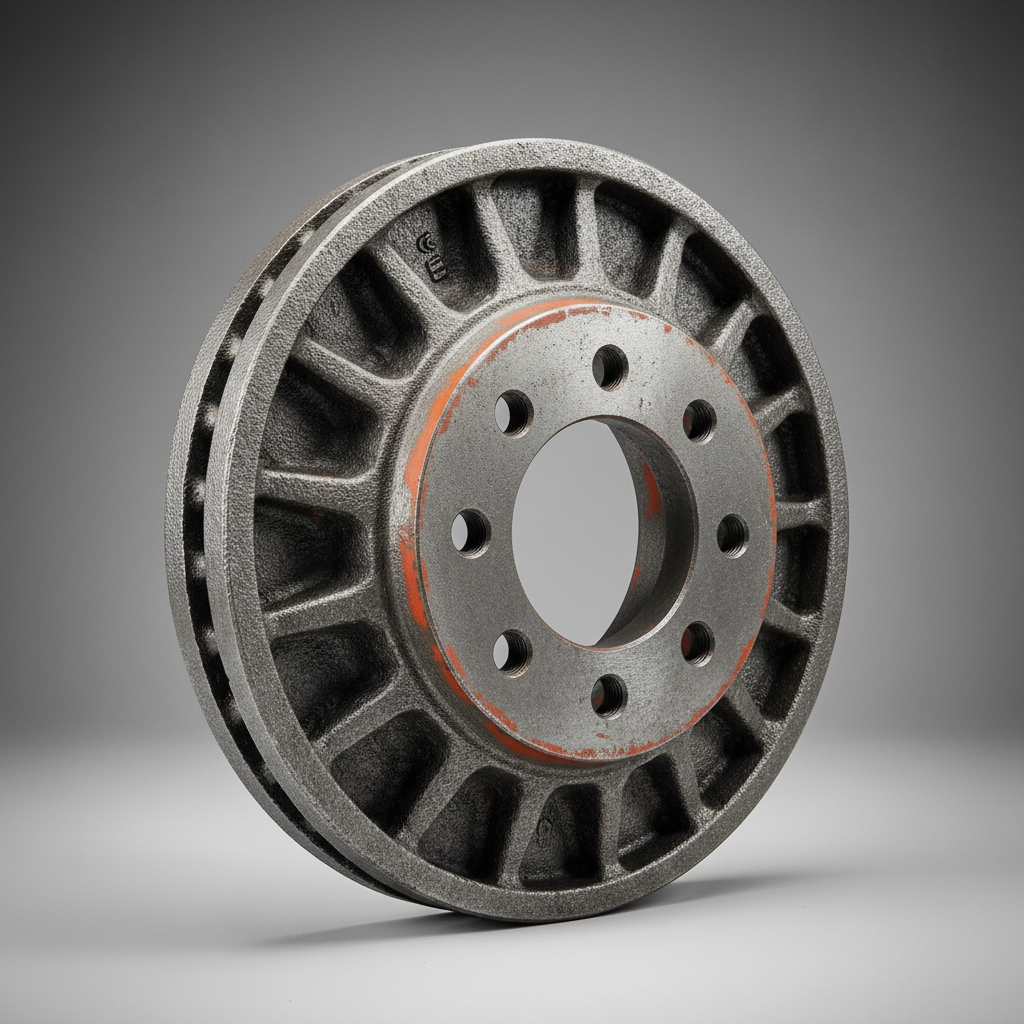
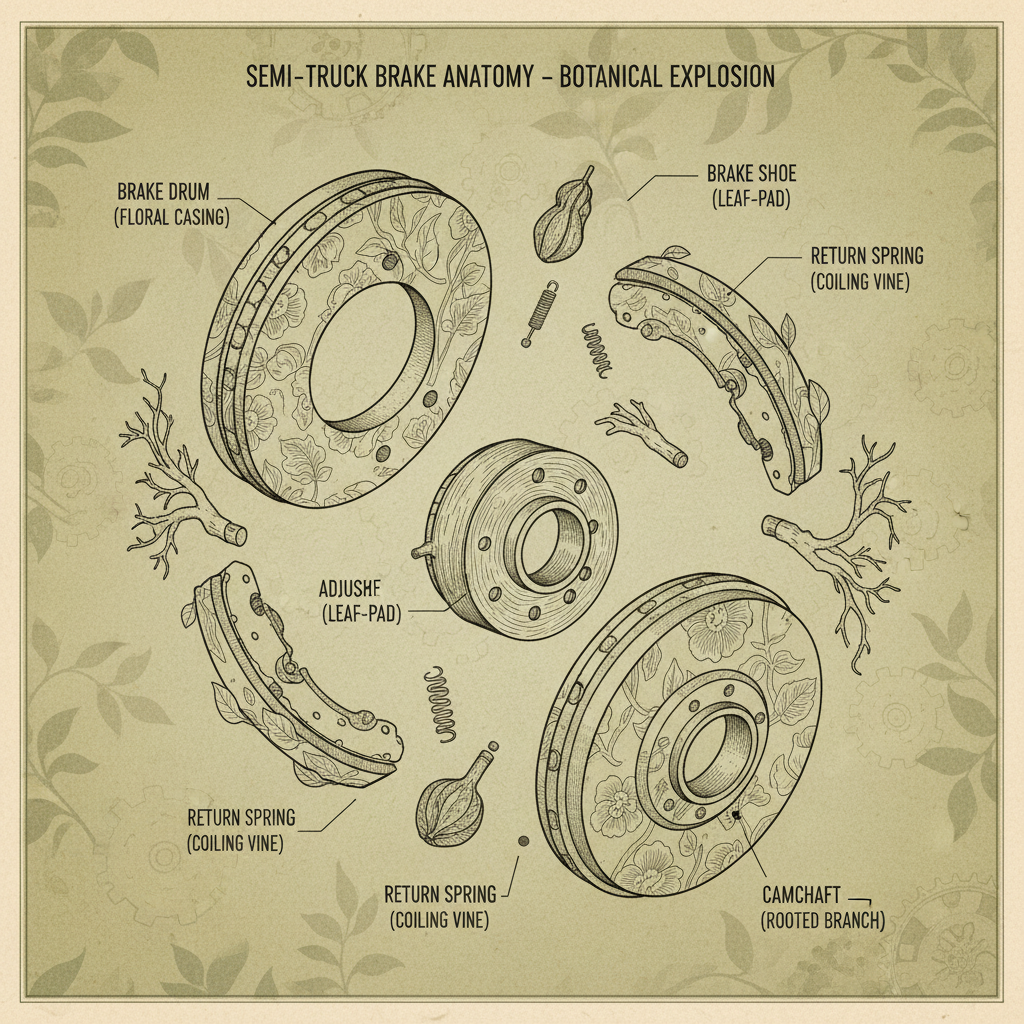
Semi truck brake drums are critical components of a vehicle’s safety system, responsible for slowing or stopping a heavy-duty truck. These drums, often constructed from durable materials like cast iron or composite materials, work in conjunction with brake shoes or pads to generate the friction needed to bring a multi-ton vehicle to a safe halt. The reliability and performance of a semi truck brake drum directly impact driver safety, cargo security, and overall transportation efficiency.
The global demand for semi truck brake drums is intrinsically linked to the continued growth of the logistics and transportation industries. With escalating e-commerce activity and increasing freight volumes worldwide, the need for robust and dependable braking systems is paramount. Factors like stringent safety regulations, particularly in regions like North America and Europe, also drive the demand for high-quality brake drums and regular maintenance schedules. According to industry reports, the commercial vehicle braking system market is projected to experience steady growth in the coming years.
Understanding the intricacies of semi truck brake drums is vital for fleet managers, mechanics, and anyone involved in the commercial transportation sector. Proper inspection, maintenance, and timely replacement of worn or damaged brake drums are essential not only for compliance with regulations but also for preventing catastrophic failures that could lead to accidents, injuries, and significant financial losses. Effective brake drum management directly contributes to the safety and efficiency of supply chains worldwide.
The Importance of Semi Truck Brake Drums
The role of a semi truck brake drum extends far beyond simply stopping a vehicle. It is a fundamental safety component directly impacting the lives of drivers, passengers, and those sharing the road. A properly functioning brake drum ensures consistent and reliable stopping power, even under the most demanding conditions, such as fully loaded trailers, steep descents, and emergency braking scenarios. Neglecting brake drum maintenance can lead to reduced braking efficiency, increased stopping distances, and potentially catastrophic brake failure.
Furthermore, the efficiency of the entire braking system is heavily reliant on the condition of the brake drum. Warped, cracked, or excessively worn drums can cause uneven brake shoe or pad contact, resulting in premature wear, reduced braking force, and the potential for dangerous vibrations. Regular inspections and prompt replacements are therefore crucial for maintaining optimal braking performance and minimizing the risk of accidents associated with semi truck brake drums.
Defining Semi Truck Brake Drums
A semi truck brake drum is a hollow cylindrical component, typically made of cast iron, that houses the brake shoes or pads. These shoes or pads are pressed against the inner surface of the drum by hydraulic or air pressure, creating friction which slows or stops the rotation of the wheel. Unlike disc brakes which clamp around a rotor, drum brakes utilize the inward pressure against the drum’s inner surface to generate stopping force. Semi truck brake drums are a traditional, yet still widely used, braking technology in the commercial vehicle industry due to their affordability and ability to provide substantial stopping power.
The design and construction of a brake drum are carefully engineered to withstand the extreme heat and stress generated during braking. Factors such as drum diameter, width, and material composition are critical in determining its thermal capacity and overall durability. Modern brake drums often incorporate features like cooling fins and special coatings to enhance heat dissipation and reduce the risk of brake fade, a condition where braking performance diminishes due to excessive heat.
The connection between a semi truck brake drum and modern industry relies heavily on its consistent performance. The transportation of goods, the safety of drivers, and the overall efficiency of supply chains all depend on the reliable operation of these essential components. Advancements in materials science and manufacturing processes continue to improve brake drum technology, enhancing safety and reducing maintenance costs.
Core Components and Materials
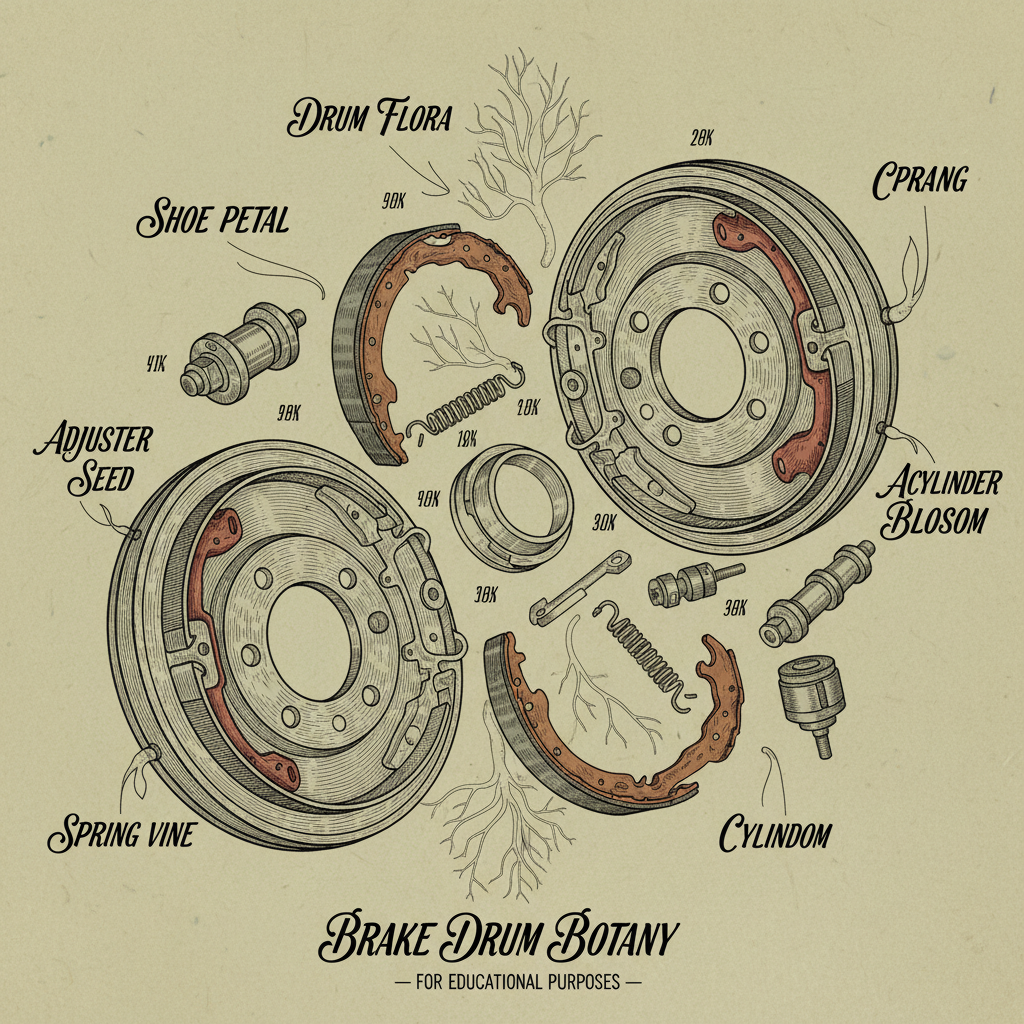
The construction of a semi truck brake drum involves several key components. The drum itself is the primary element, providing the surface against which the brake shoes or pads press. The hub is integrated into the drum or bolted to it, connecting the drum to the wheel and axle. A backing plate provides structural support and houses the brake shoe assembly. Furthermore, components like wheel studs, dust shields, and seals contribute to the overall functionality and longevity of the brake system.
The material used for the brake drum is crucial for its performance and lifespan. Traditionally, cast iron has been the dominant material due to its cost-effectiveness, good heat capacity, and machinability. However, composite materials, combining cast iron with materials like steel or carbon, are gaining popularity. These composites offer improved thermal conductivity, reduced weight, and enhanced resistance to cracking and warping. The selection of the appropriate material depends on the specific application and the demands placed on the braking system.
Modern brake drum designs are also incorporating advancements in metallurgy and surface treatment technologies. Special coatings can be applied to the drum’s inner surface to reduce friction, improve heat dissipation, and protect against corrosion. These innovations contribute to increased braking efficiency, extended brake drum life, and reduced maintenance requirements for semi truck brake drums.
Durability and Performance Factors
Several factors directly influence the durability and performance of a semi truck brake drum. Operating conditions play a significant role; heavy loads, frequent braking, and harsh environments (e.g., dusty or corrosive atmospheres) accelerate wear and tear. The quality of the materials used in the drum’s construction, as previously discussed, is paramount. Regular maintenance, including inspections for cracks, wear, and proper adjustment of the braking system, is also essential.
Heat management is a critical performance factor. Excessive heat generated during braking can lead to brake fade, reduced braking efficiency, and even structural damage to the drum. Effective heat dissipation is achieved through design features like cooling fins and the use of materials with high thermal conductivity. Proper lubrication of the brake shoe or pad contact surfaces also minimizes friction and heat generation.
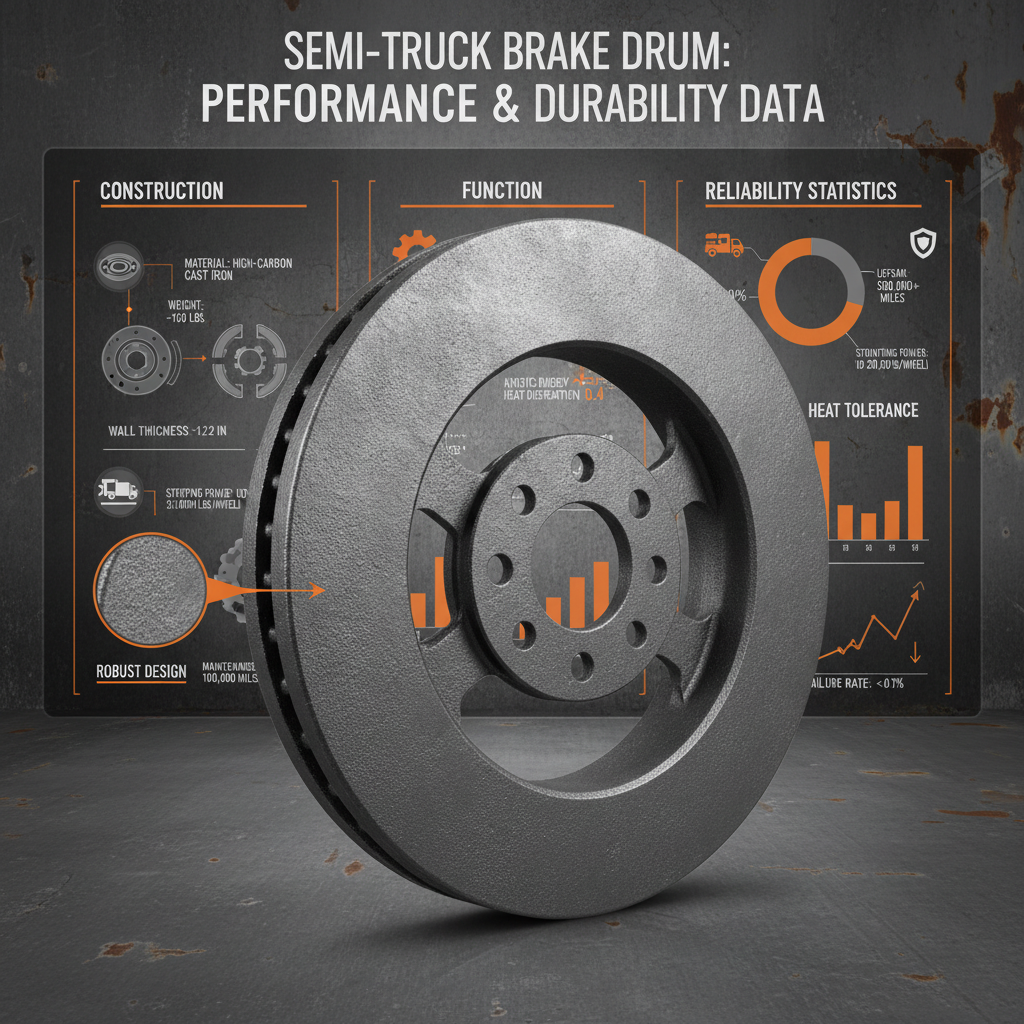
Semi Truck Brake Drum Performance Metrics
Global Applications in Commercial Transport
Semi truck brake drums are universally employed in the commercial transportation sector worldwide. From long-haul trucking and freight transportation to construction, mining, and refuse collection, these components are integral to the safe and efficient operation of heavy-duty vehicles. Regions with robust transportation infrastructure, such as North America, Europe, and parts of Asia, represent significant markets for brake drums and related braking system components.
Specifically, in North America, stringent regulations governing commercial vehicle safety necessitate the use of high-quality brake drums and regular inspection schedules. In Europe, similar regulations, coupled with a growing emphasis on sustainable transportation, are driving demand for innovative brake drum designs that enhance fuel efficiency and reduce emissions. Across Asia, the rapid growth of e-commerce and logistics is fueling increased demand for reliable braking systems, including semi truck brake drums.
Advantages of High-Quality Brake Drums
Investing in high-quality semi truck brake drums yields numerous advantages. Enhanced safety is paramount; superior materials and construction minimize the risk of brake failure, protecting drivers, cargo, and other road users. Improved braking performance translates to shorter stopping distances, increased control, and greater confidence behind the wheel.
Furthermore, high-quality brake drums offer extended service life, reducing the frequency of replacements and lowering overall maintenance costs. Their resistance to wear, cracking, and warping minimizes downtime and maximizes vehicle uptime, contributing to increased operational efficiency. The benefits translate to a safer, more reliable, and more cost-effective transportation operation.
Future Trends and Innovations
The future of semi truck brake drums is poised for innovation. Research and development efforts are focused on developing lighter-weight materials, such as advanced composites, to reduce vehicle weight and improve fuel efficiency. Smart brake drum technology, incorporating sensors and data analytics, is also emerging, enabling real-time monitoring of brake performance and predictive maintenance.
Another trend is the integration of electronic braking systems (EBS) with brake drums. EBS enhances braking control and stability, particularly in challenging conditions. Furthermore, advancements in surface treatment technologies are leading to the development of brake drums with improved heat dissipation and corrosion resistance. These innovations are shaping the future of braking systems in the commercial vehicle industry.
Sustainability is also a key driver of innovation. Manufacturers are exploring the use of eco-friendly materials and manufacturing processes to reduce the environmental impact of brake drum production and disposal. The integration of regenerative braking systems, which capture energy during braking and convert it back into usable power, is another area of ongoing research.
FAQS
Semi truck brake drums should be inspected at least every 6 months, or more frequently if the vehicle operates in harsh conditions or hauls heavy loads. Inspections should include a visual check for cracks, wear, and proper adjustment of the braking system. Regular inspections are crucial for identifying potential problems before they lead to brake failure.
Signs of a worn semi truck brake drum include excessive thickness variation, cracks, heat checks (small cracks caused by overheating), and a blue or burnt appearance. If you notice any of these signs, the drum should be replaced immediately. Continuing to operate with worn drums can compromise braking performance and lead to safety hazards.
Composite brake drums offer several advantages over cast iron drums, including reduced weight, improved heat dissipation, and increased resistance to cracking and warping. While they typically have a higher initial cost, their extended service life and improved performance can result in lower overall costs.
Brake fade is a reduction in braking performance caused by excessive heat. It can be prevented by using high-quality brake drums with good heat dissipation, ensuring proper brake adjustment, avoiding prolonged or aggressive braking, and maintaining adequate cooling airflow around the brakes.
Replacing semi truck brake drums requires specialized tools and knowledge. It's crucial to follow the manufacturer’s instructions and ensure proper torque specifications are met. It's generally recommended to have this work performed by a qualified mechanic. Safety precautions, such as wearing appropriate personal protective equipment, should always be followed.
Larger drum diameters generally offer increased braking torque due to the longer lever arm created between the brake shoe contact point and the wheel center. This can lead to improved stopping power, especially for heavier vehicles. However, larger drums can also increase weight and cost. A balance between drum diameter, material, and overall braking system design is essential for optimal performance.
Conclusion
In summary, the semi truck brake drum remains a critical safety component in the commercial transportation industry. Its design, materials, and maintenance significantly impact the performance, reliability, and safety of heavy-duty vehicles. By understanding the key factors influencing brake drum durability and performance, fleet managers and mechanics can ensure optimal braking efficiency and minimize the risk of accidents.
Looking ahead, innovations in materials science, smart brake technology, and sustainable manufacturing practices will continue to shape the future of brake drums. Prioritizing safety, reliability, and environmental responsibility will be paramount as the transportation industry evolves. For dependable semi truck brake drums and expert advice, visit our website at www.hbncbrakedrum.com.