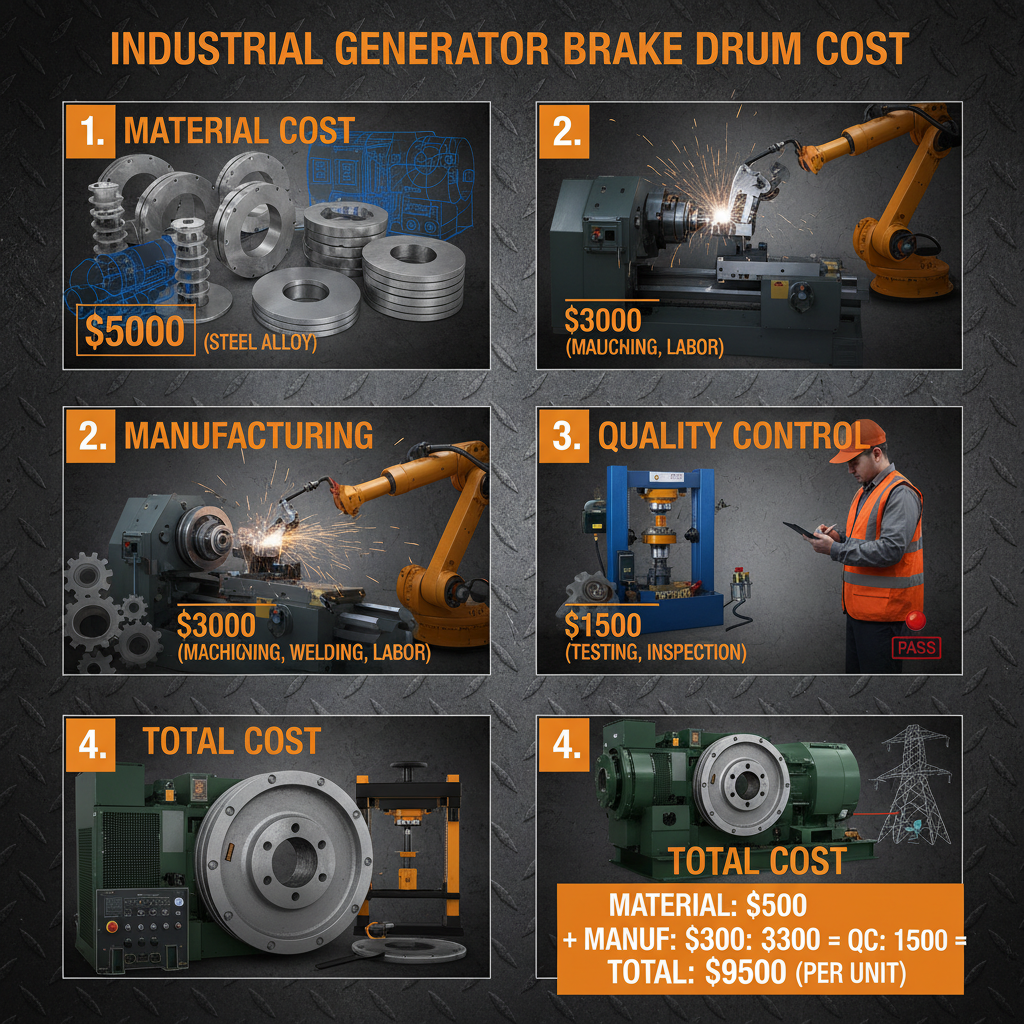
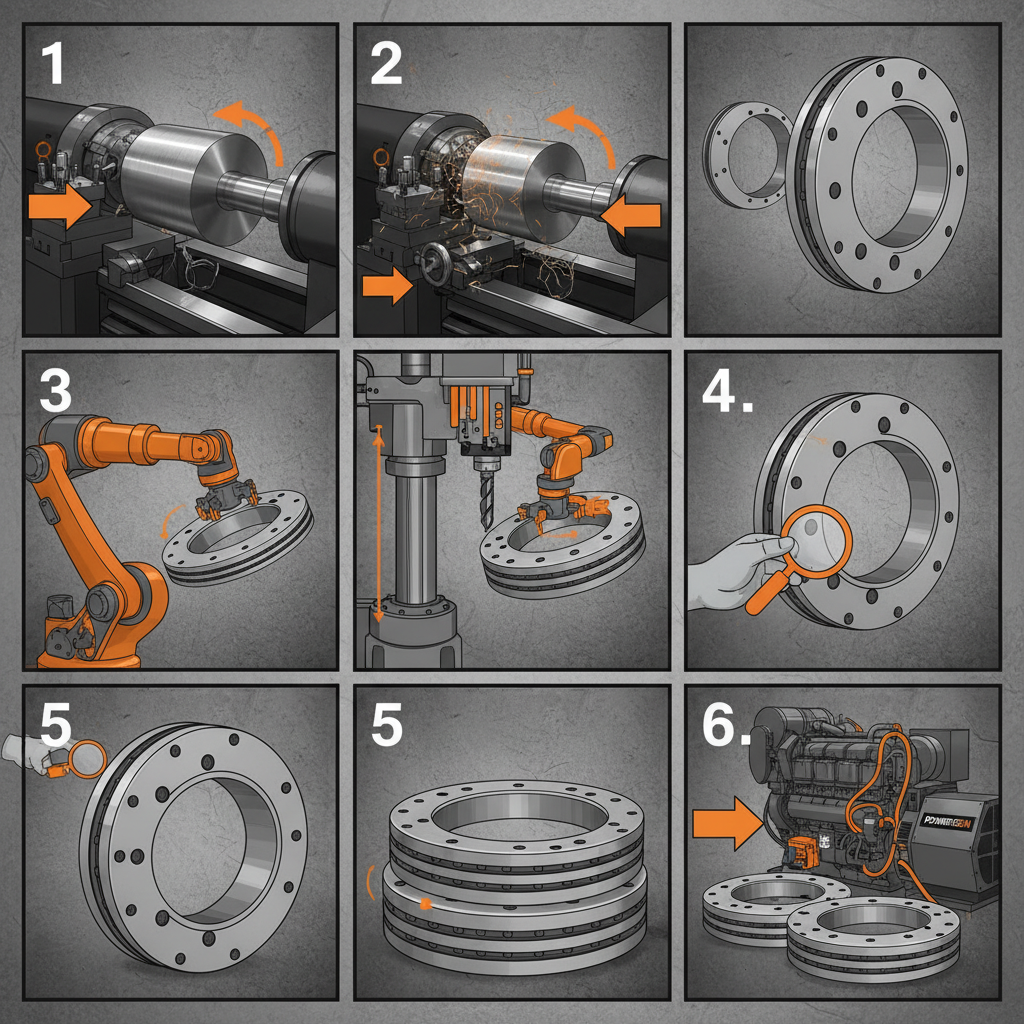
The drum brake cylinder, a critical component in vehicle braking systems, plays a vital role in ensuring road safety globally. Its functionality centers around converting rotational energy into frictional force, effectively slowing or stopping a vehicle. This technology, while seemingly simple, has undergone continuous refinement to meet increasingly stringent safety standards and performance demands. Understanding the principles of the drum brake cylinder and its applications is paramount for automotive engineers, technicians, and anyone involved in vehicle maintenance and repair.
The global automotive industry is a multi-trillion dollar market, with braking systems representing a substantial portion of the overall expenditure. According to the UN Economic Commission for Europe (UNECE), regulations regarding vehicle safety are constantly evolving, driving innovation in braking technologies. The demand for reliable and cost-effective braking systems, like those utilizing drum brake cylinders, remains significant, particularly in developing countries where affordability is a key factor. This consistent demand necessitates ongoing research and development to improve efficiency and longevity.
However, the industry faces challenges related to environmental concerns and the shift towards electric vehicles. While disc brakes are increasingly prevalent in high-performance applications, the drum brake cylinder remains relevant, especially in lighter vehicles and as a parking brake system. Advancements in materials and manufacturing processes are crucial to enhancing the performance and sustainability of this essential component.
Introduction to Drum Brake Cylinders
Drum brake cylinders are hydraulic actuators essential for mechanical braking systems, primarily found in older vehicle models and some current applications, particularly in rear brake systems. These cylinders convert fluid pressure into mechanical force, pushing the brake shoes against the inner surface of the brake drum, generating friction and decelerating the vehicle. The effectiveness of a drum brake cylinder directly impacts the vehicle’s stopping distance and overall safety.
Understanding the internal workings of a drum brake cylinder is crucial for proper maintenance and repair. The cylinder consists of pistons, springs, and seals, all designed to withstand high pressures and temperatures. Regular inspection and replacement of worn components are vital to maintaining optimal braking performance. A malfunctioning drum brake cylinder can lead to reduced braking efficiency and potentially dangerous situations.
Defining the Drum Brake Cylinder
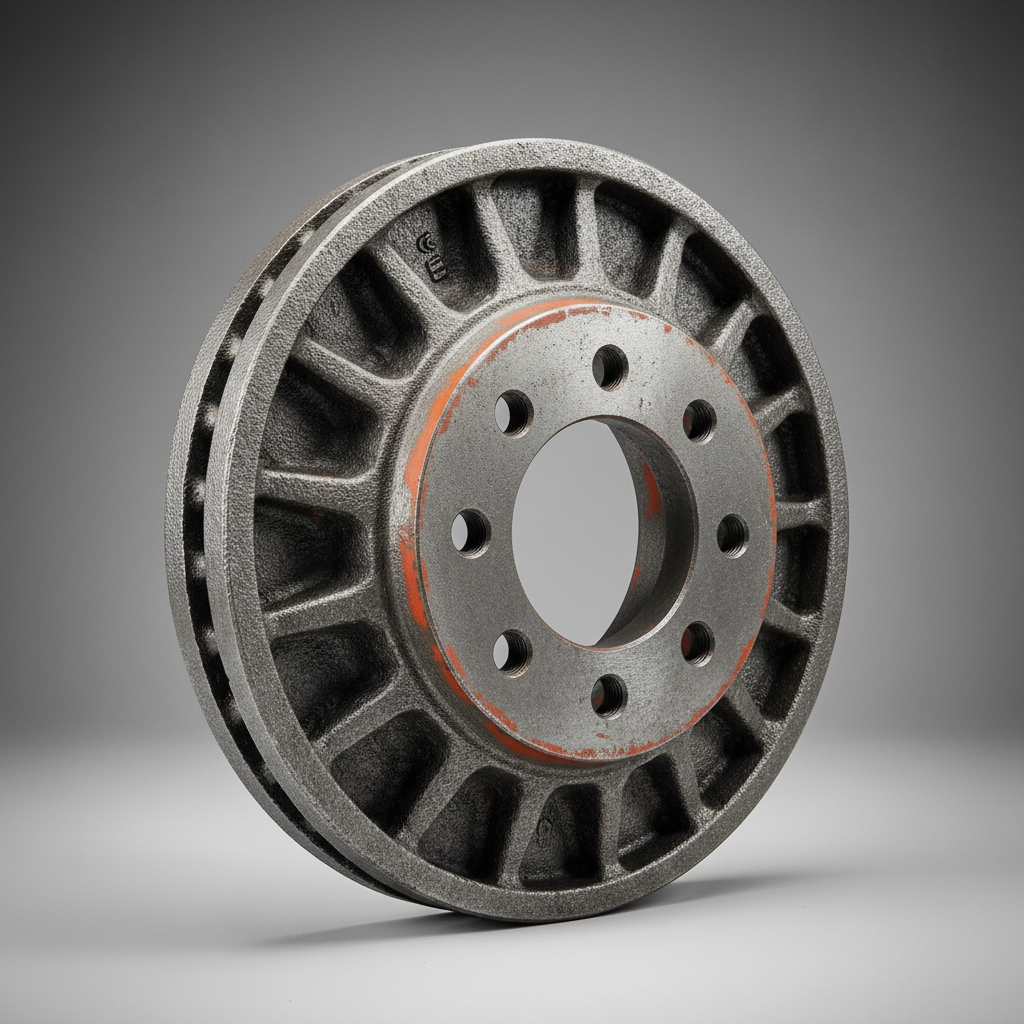
A drum brake cylinder is a component within a drum brake system that utilizes hydraulic pressure to force brake shoes outwards against the inside of a rotating drum. This action generates friction, slowing or stopping the vehicle's rotation. Unlike disc brake systems which rely on calipers to squeeze brake pads against a rotor, drum brake systems employ cylinders to expand the brake shoes. This fundamental difference influences the design, maintenance, and overall performance characteristics of the two systems.
The connection to modern industry extends beyond automotive applications. Principles derived from drum brake cylinder design are applicable in various industrial machinery requiring precise stopping and holding mechanisms. For example, similar hydraulic cylinders are used in cranes, forklifts, and other heavy equipment to control movement and ensure safety. The robust and relatively simple design makes the drum brake cylinder a versatile solution.
Its relevance in humanitarian needs, although indirect, stems from its affordability and widespread availability, particularly in regions where access to advanced automotive technology is limited. Vehicles equipped with drum brakes are often more accessible and easier to maintain in resource-constrained environments, making them crucial for transportation and logistics in these areas.
Core Components and Functionality
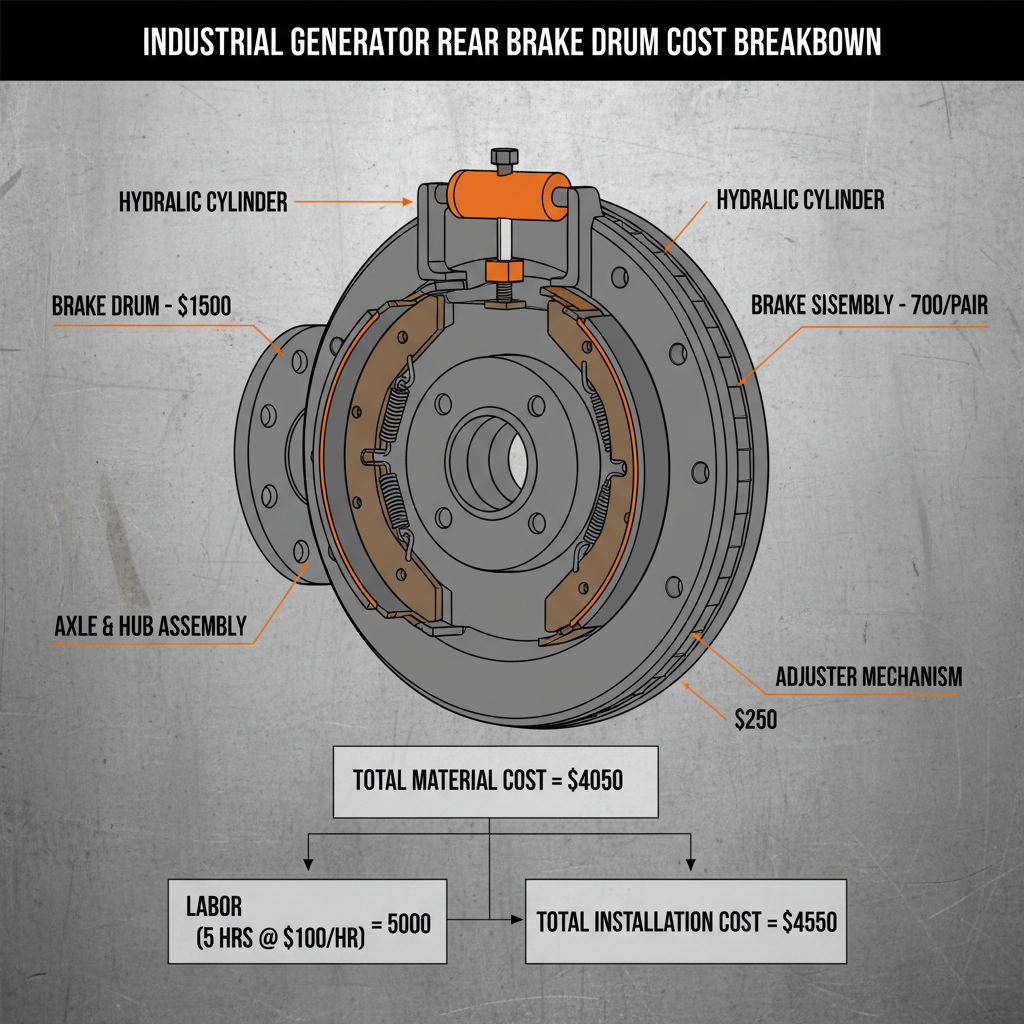
The functionality of a drum brake cylinder hinges on several key components. Firstly, the cylinder body, typically made of cast iron or aluminum alloy, houses the internal mechanisms. Within this body reside one or two pistons, activated by hydraulic pressure from the master cylinder. These pistons push against the brake shoes, lined with friction material, forcing them against the rotating drum.
Crucially, seals play a vital role in preventing fluid leaks and maintaining hydraulic pressure. These seals are often made of rubber or synthetic materials designed to withstand high temperatures and pressures. Springs are also integral, retracting the brake shoes when the hydraulic pressure is released, preventing constant friction and ensuring smooth operation. Finally, the bleeder screw allows for the removal of air from the hydraulic system, ensuring optimal performance.
The overall process begins when the driver presses the brake pedal. This action activates the master cylinder, sending hydraulic pressure through the brake lines to the drum brake cylinders. The pistons within the cylinders extend, applying force to the brake shoes, which then create friction against the drum’s inner surface, slowing the vehicle. The force applied is directly proportional to the pressure exerted by the driver, allowing for controlled deceleration.
Performance Characteristics of Drum Brake Cylinders
Several key factors influence the performance of drum brake cylinders. Durability is paramount, as these cylinders must withstand repeated cycles of high pressure and temperature. The quality of materials, such as the cylinder body and piston seals, significantly impacts longevity. Another critical factor is responsiveness, which refers to the speed and efficiency with which the cylinder applies braking force.
Friction consistency is also crucial; the even distribution of friction between the brake shoes and the drum is essential for smooth and controlled braking. Heat dissipation plays a vital role as friction generates significant heat. Adequate ventilation and the use of heat-resistant materials help prevent brake fade – a reduction in braking efficiency due to overheating.
Drum Brake Cylinder Performance Metrics
Global Applications of Drum Brake Cylinders
Drum brake cylinders continue to be widely utilized in various automotive applications globally, particularly in developing countries where cost-effectiveness is a major consideration. They are commonly found in the rear brake systems of older vehicles, light trucks, and motorcycles. Moreover, many agricultural vehicles and industrial machinery still rely on drum brake systems due to their simplicity and robustness.
In post-disaster relief operations, vehicles equipped with drum brakes are often favored due to their ease of maintenance and repair in challenging environments. Remote industrial zones with limited access to specialized repair facilities also benefit from the relative simplicity of drum brake systems. The continued use of drum brake cylinders in these scenarios highlights their practical value and reliability.
Advantages and Long-Term Value
The primary advantage of drum brake cylinders lies in their cost-effectiveness. Compared to disc brake systems, drum brakes are generally less expensive to manufacture and maintain. Their simplicity also translates to lower repair costs and reduced reliance on specialized tools. Furthermore, drum brake systems tend to be self-energizing, meaning that the braking force increases with the drum’s rotation, potentially offering greater stopping power in certain situations.
Beyond cost, drum brakes offer durability and reliability in less demanding applications. They are less prone to damage from debris and offer a longer lifespan in certain environments. This inherent reliability contributes to increased safety and reduced downtime for vehicles and equipment, fostering trust in the braking system and enhancing overall operational efficiency.
Future Trends and Innovations
While disc brakes dominate the high-performance automotive sector, innovations continue to refine drum brake cylinder technology. Research focuses on improving materials to enhance heat dissipation and reduce wear. The development of advanced sealing materials is also crucial for minimizing leaks and maintaining consistent hydraulic pressure. Furthermore, integrating drum brake systems with electronic control units (ECUs) allows for more precise braking control and improved safety features.
The emergence of electric vehicles (EVs) presents both challenges and opportunities. While many EVs utilize regenerative braking systems, drum brakes are still frequently used as parking brakes. Developing lighter and more efficient drum brake cylinders for EVs is an ongoing area of research, contributing to increased vehicle range and energy efficiency. Sustainability is also a growing focus, with efforts to utilize recycled materials in cylinder manufacturing.
Summary of Drum Brake Cylinder Improvement Areas
| Improvement Area |
Current Status |
Potential Impact |
Implementation Difficulty (1-10) |
| Material Science |
Ongoing research into heat-resistant alloys |
Improved heat dissipation and reduced wear |
7 |
| Sealing Technology |
Development of advanced synthetic seals |
Minimized fluid leaks and consistent pressure |
6 |
| Electronic Integration |
Limited integration with ECUs in some models |
Enhanced braking control and safety features |
8 |
| Weight Reduction |
Exploring lighter materials like aluminum alloys |
Increased vehicle efficiency and range |
5 |
| Manufacturing Processes |
Traditional casting and machining techniques |
Reduced production costs and improved precision |
4 |
| Sustainable Materials |
Initial exploration of recycled materials |
Reduced environmental impact and improved sustainability |
7 |
FAQS
Several indicators suggest a drum brake cylinder may require replacement. These include a spongy or soft brake pedal, a noticeable decrease in braking performance, brake fluid leaks around the cylinder, unusual noises during braking (such as squealing or grinding), and visible corrosion or damage to the cylinder itself. Ignoring these signs can compromise safety and lead to more extensive brake system damage.
It is recommended to inspect drum brake cylinders at least once a year, or more frequently if you notice any of the aforementioned warning signs. During inspection, check for leaks, corrosion, and damage to the cylinder body and seals. Also, assess the brake shoe thickness and overall condition of the brake drums. Routine maintenance can prevent costly repairs and ensure optimal braking performance.
While minor leaks can sometimes be addressed with a seal replacement, a leaking drum brake cylinder typically requires full replacement. Internal corrosion or damage to the cylinder body itself is often irreparable. Attempting to repair a severely damaged cylinder can be dangerous and compromise the integrity of the entire braking system. It’s best to prioritize safety and opt for a new cylinder.
The lifespan of a drum brake cylinder varies depending on driving conditions, maintenance practices, and the quality of the cylinder itself. Generally, a drum brake cylinder can last anywhere from 50,000 to 100,000 miles. However, frequent driving in harsh conditions (such as stop-and-go traffic or dusty environments) can significantly shorten its lifespan. Regular inspections and proper maintenance can help maximize its longevity.
Replacing a drum brake cylinder requires a few essential tools. These include a wrench set, socket set, brake line wrench, C-clamp or brake spring tool, brake cleaner, and a bleeder wrench. Additionally, safety glasses, gloves, and a jack with jack stands are crucial for safe vehicle operation. Consult a repair manual specific to your vehicle for detailed instructions and torque specifications.
Yes, bleeding the brake lines is absolutely necessary after replacing a drum brake cylinder. Air can enter the brake lines during the replacement process, which can significantly reduce braking efficiency. Bleeding removes this trapped air, restoring proper hydraulic pressure and ensuring optimal braking performance. It's crucial to follow the correct bleeding procedure as outlined in your vehicle’s repair manual.
Conclusion
In conclusion, the drum brake cylinder remains a vital component in vehicle braking systems, providing a cost-effective and reliable solution for deceleration and stopping power. While advancements in disc brake technology have become prevalent, the drum brake cylinder’s simplicity, durability, and affordability ensure its continued relevance, particularly in specific applications and regions. Understanding its functionality, maintenance requirements, and future innovations is paramount for ensuring vehicle safety and operational efficiency.
Looking ahead, continued research and development focused on materials science, electronic integration, and sustainable manufacturing practices will further enhance the performance and longevity of drum brake cylinders. Proper maintenance, timely replacement, and a commitment to safety protocols are crucial for maximizing the benefits of this essential automotive component. For reliable drum brake cylinder solutions, visit our website today.