The humble brake drum, a seemingly simple component, plays a crucial role in ensuring the safety and efficiency of countless vehicles and industrial machines worldwide. From passenger cars and heavy-duty trucks to construction equipment and agricultural machinery, the brake drum is a fundamental element of braking systems, responsible for converting kinetic energy into thermal energy through friction. Understanding the principles, materials, and advancements related to brake drums is therefore paramount for engineers, technicians, manufacturers, and anyone involved in the maintenance and operation of these systems. brake drum technology continues to evolve, driven by demands for improved performance, durability, and sustainability.
Globally, the demand for brake drums is intricately linked to the automotive industry, industrial growth, and infrastructure development. The United Nations estimates over 1.4 billion vehicles are in use worldwide, each relying on effective braking systems. Manufacturing hubs in Asia-Pacific (China, India, Japan) are dominant producers and consumers of brake drums, mirroring regional vehicle production trends. The World Bank’s data highlights increasing infrastructure spending in developing nations, further bolstering the need for robust braking components in construction and transportation vehicles. However, challenges remain, including the need to reduce brake dust emissions, enhance braking performance in extreme conditions, and lower manufacturing costs.
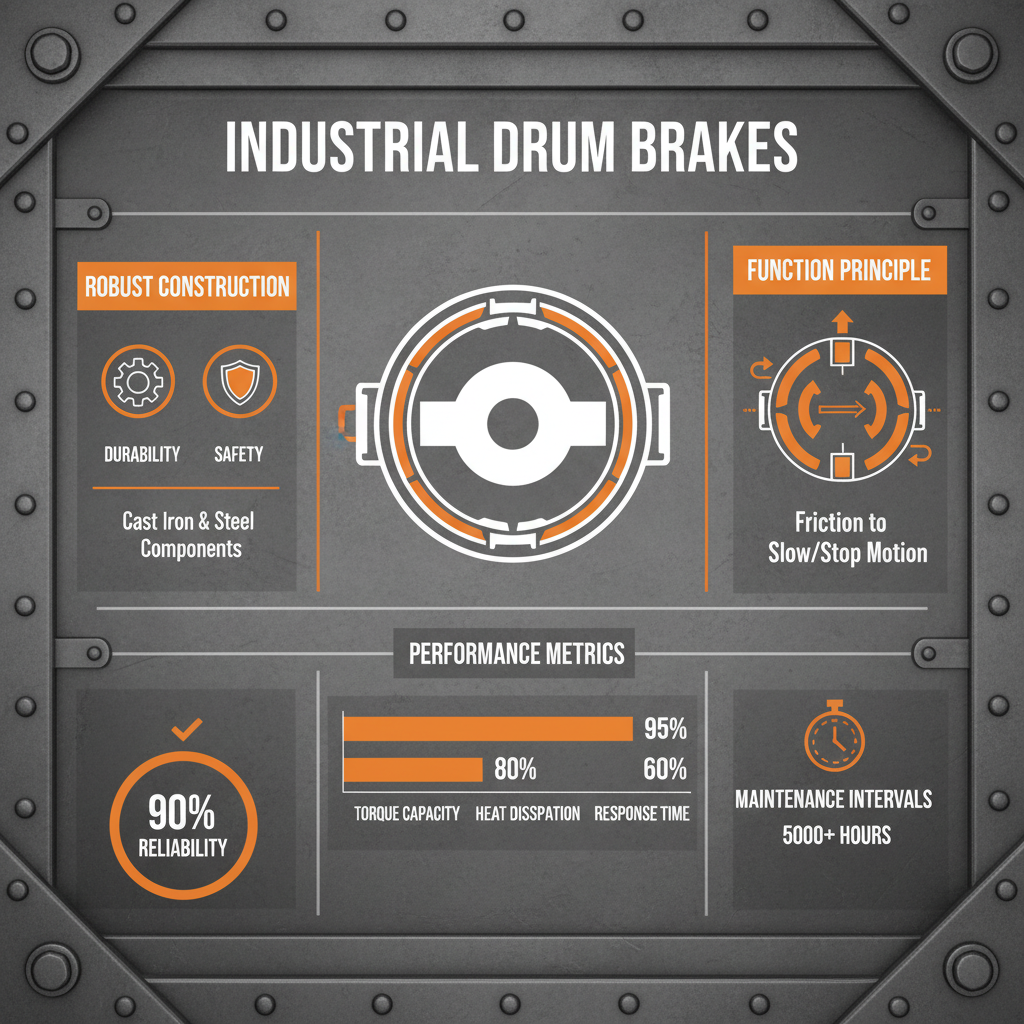
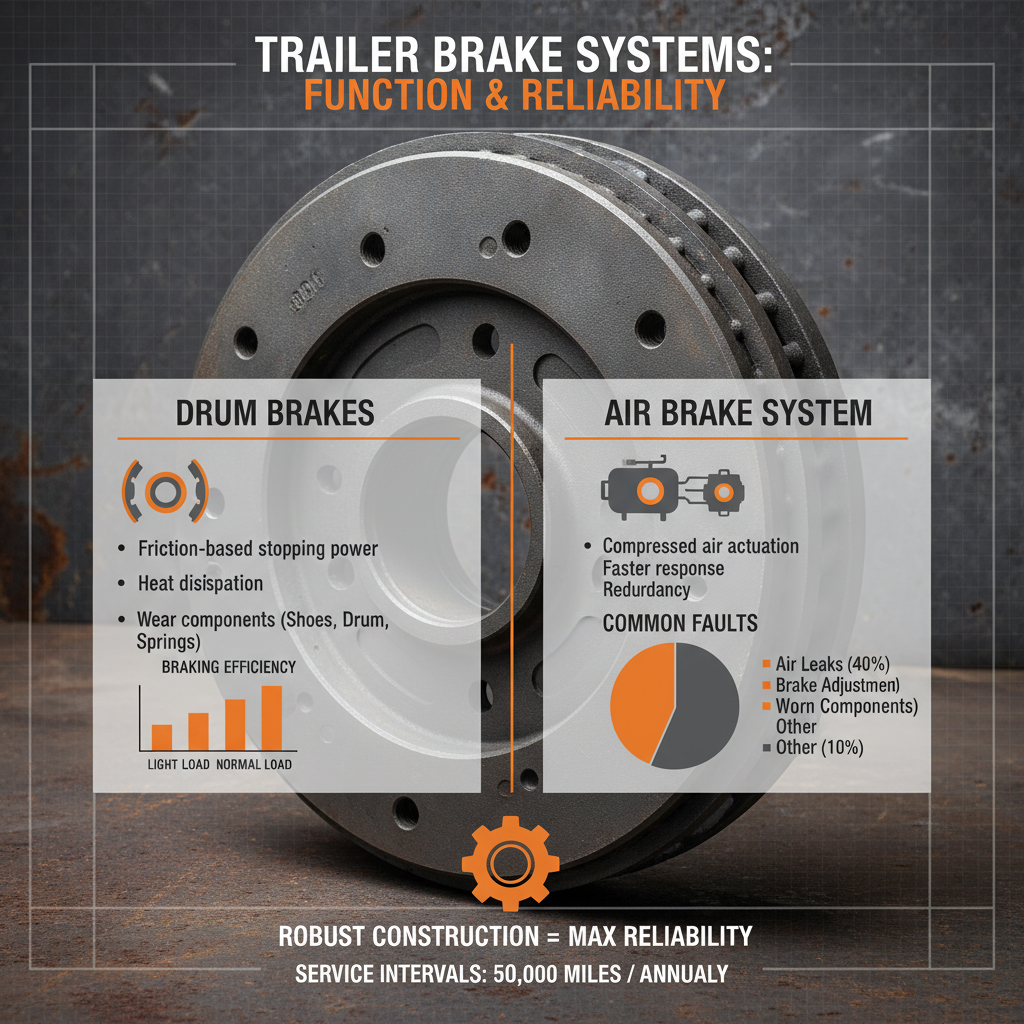
At its core, a brake drum is a hollow cylindrical component attached to a vehicle’s wheel. It works in conjunction with brake shoes, which contain friction material, to slow or stop the rotation of the wheel when the driver applies the brakes. When the brake pedal is pressed, hydraulic pressure forces the brake shoes against the inner surface of the drum, creating friction and dissipating the vehicle’s kinetic energy as heat. This seemingly straightforward mechanism is essential for preventing accidents and ensuring the safe operation of vehicles and machinery across diverse environments and applications. The efficiency and reliability of a brake drum directly impacts overall vehicle safety.
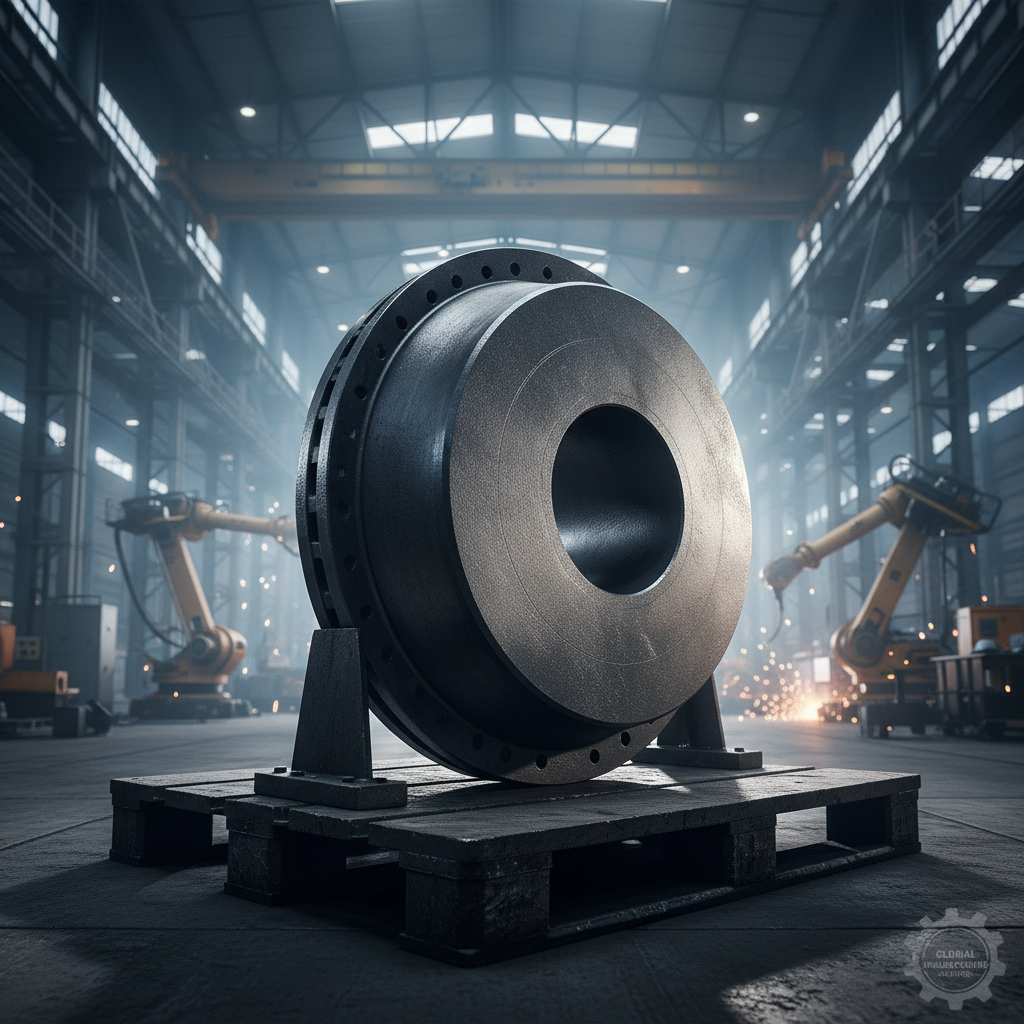
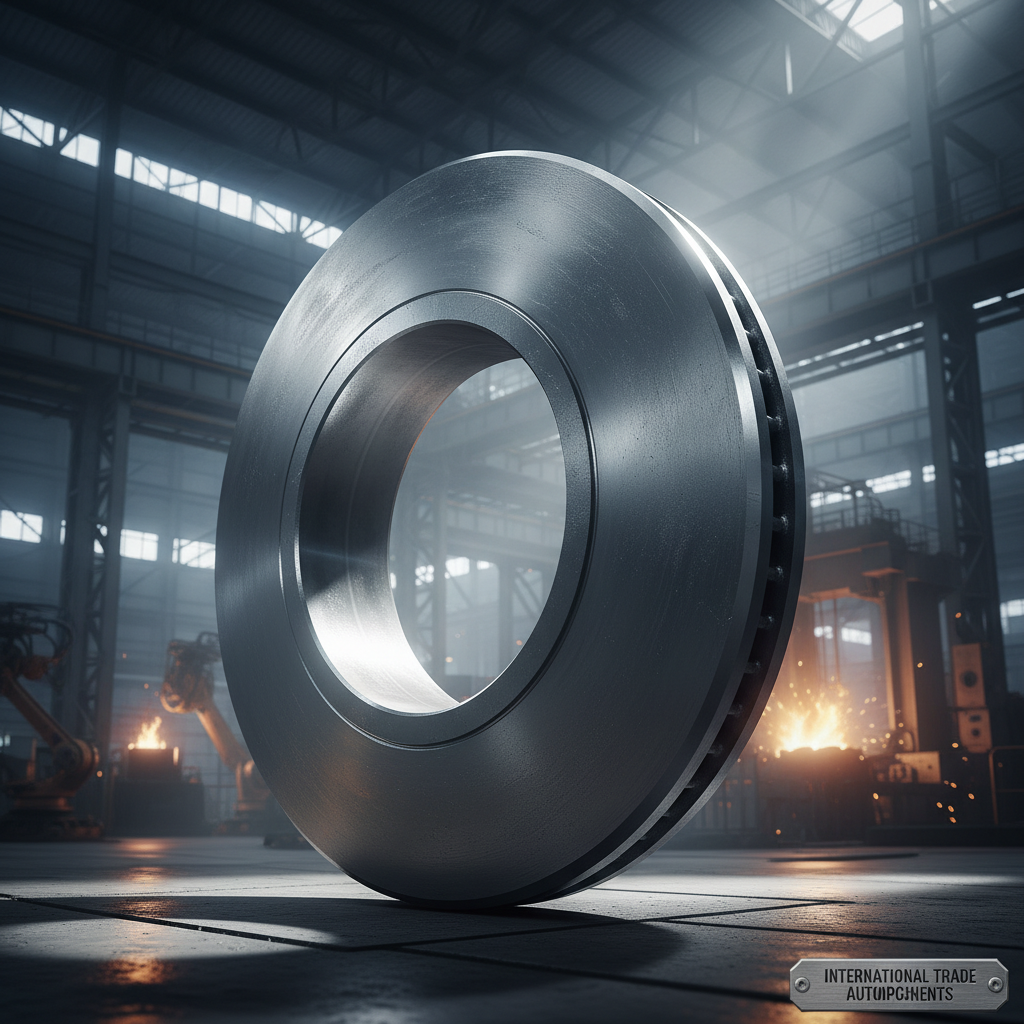
The effectiveness of a brake drum relies heavily on the materials used in its construction. Traditionally, cast iron has been the standard due to its excellent heat capacity and wear resistance. However, advancements are being made in composite materials and alternative alloys to reduce weight and improve thermal performance. Proper material selection is critical for ensuring the durability and longevity of the brake drum, especially in demanding applications.
Furthermore, the design of the brake drum—including its dimensions, thickness, and cooling fin configuration—significantly impacts its ability to dissipate heat efficiently. Overheating can lead to brake fade, a dangerous reduction in braking performance. Modern brake drum designs incorporate features such as optimized fin geometries and ventilation channels to enhance heat dissipation and maintain consistent braking power.
Brake drums utilize internal friction created by shoes pressing against the drum's inner surface, while disc brakes use calipers to squeeze pads against a rotor. Drums are generally more affordable and self-energizing, providing good stopping power with less pedal effort. Discs offer better heat dissipation and resistance to fade, leading to more consistent performance, particularly in high-performance applications. The choice between the two often depends on vehicle type, cost considerations, and intended use.
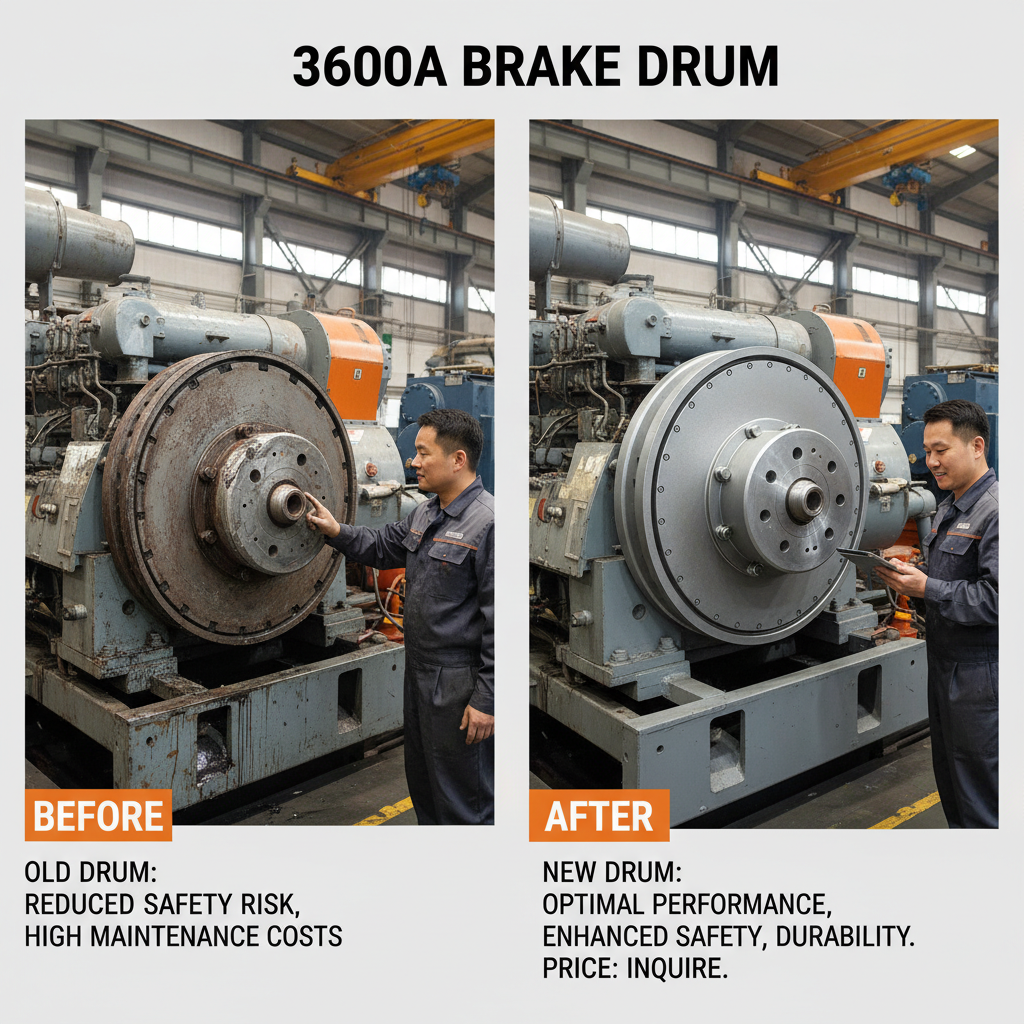
It’s recommended to inspect your brake drums at least twice a year, or more frequently if you frequently drive in harsh conditions. Look for signs of wear, such as scoring, cracking, or excessive rust. Also, check the brake shoe thickness. Early detection of problems can prevent more costly repairs and maintain optimal braking performance. Ignoring worn brake drum components can compromise safety.
Brake drum warping, or runout, is typically caused by uneven heating and cooling cycles. This can happen due to aggressive braking, prolonged downhill driving, or a malfunctioning braking system. Over time, the uneven stress can cause the drum to deform, resulting in vibrations and reduced braking performance. Proper maintenance and addressing any underlying braking issues are key to preventing warping.
Yes, research is underway to develop more eco-friendly brake drum materials. Composite materials, such as carbon fiber reinforced polymers, offer weight reduction and improved performance, but are currently more expensive. Another approach is to use recycled materials in the manufacturing process, reducing the environmental impact of producing new brake drums. Low-dust friction materials also help minimize brake dust emissions, contributing to cleaner air.
The lifespan of a brake drum varies depending on driving conditions, maintenance practices, and the quality of the drum itself. Generally, a well-maintained brake drum can last anywhere from 50,000 to 100,000 miles. However, in severe driving conditions, such as frequent towing or aggressive braking, the drum may need to be replaced sooner. Regular inspections and timely maintenance can help maximize the lifespan of your brake drums.
The material composition of a brake drum significantly influences its ability to absorb and dissipate heat. Cast iron, the traditional material, offers excellent heat capacity but is relatively heavy. Newer materials, like composites, aim for a balance of weight reduction and thermal performance. The friction coefficient between the drum and brake shoes also plays a vital role, determined by the material composition of both components. Optimal material selection enhances stopping power and minimizes brake fade.
In conclusion, the brake drum, despite being a mature technology, remains a critical component in ensuring vehicle and machinery safety. Its fundamental function – converting kinetic energy into heat – is essential for reliable braking performance. Ongoing innovations in materials, design, and manufacturing processes are continually enhancing the durability, efficiency, and sustainability of brake drums, addressing challenges such as brake fade, weight reduction, and environmental impact. Understanding the core principles and advancements in brake drum technology is crucial for professionals and enthusiasts alike.
Looking ahead, the future of brake drum technology will likely be shaped by the increasing demand for electric and hybrid vehicles, as well as the growing focus on sustainability. Continued research and development in lightweight materials, sensor integration, and additive manufacturing will pave the way for more efficient, reliable, and environmentally friendly braking systems. Visit our website at www.hbncbrakedrum.com to learn more about our range of high-quality brake drum solutions.