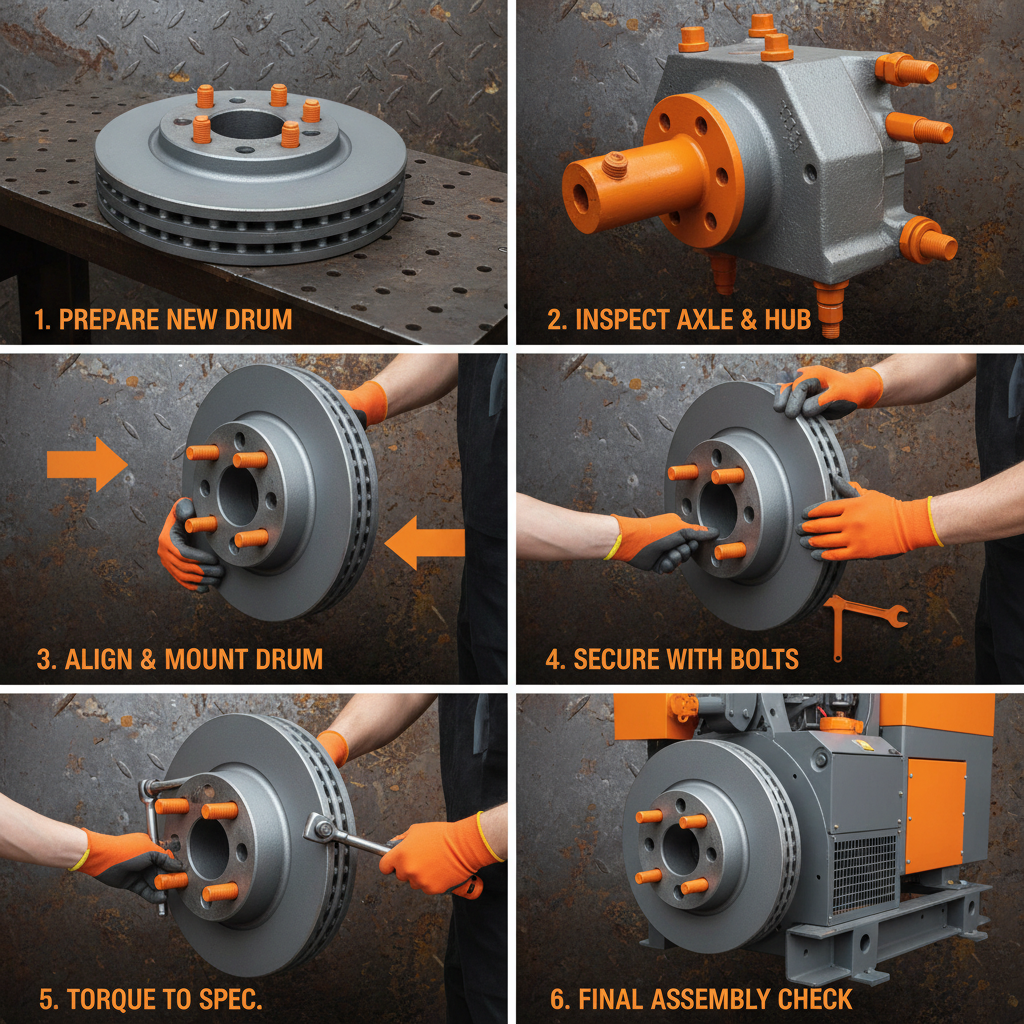
Industrial drum brakes are essential components in a vast array of industrial machinery, providing reliable stopping power for everything from cranes and hoists to winches and conveyors. Their robust design and ability to handle high loads and repetitive cycles make them a cornerstone of safe and efficient industrial operations worldwide. Understanding their principles, applications, and advancements is crucial for engineers, maintenance personnel, and anyone involved in the design or operation of heavy equipment.
The global demand for industrial drum brakes is driven by continued industrial growth, particularly in emerging economies. According to data from the United Nations Industrial Development Organization (UNIDO), manufacturing output continues to rise globally, necessitating reliable braking systems. These brakes aren't just about stopping; they’re about worker safety, preventing equipment damage, and ensuring consistent productivity.
A key challenge in many industries is maintaining operational efficiency while adhering to increasingly stringent safety regulations. Industrial drum brakes, when properly specified and maintained, directly address this challenge, providing a dependable braking solution that meets or exceeds industry standards. Investing in quality industrial drum brakes is an investment in the long-term reliability and safety of your operations.
Introduction to Industrial Drum Brakes
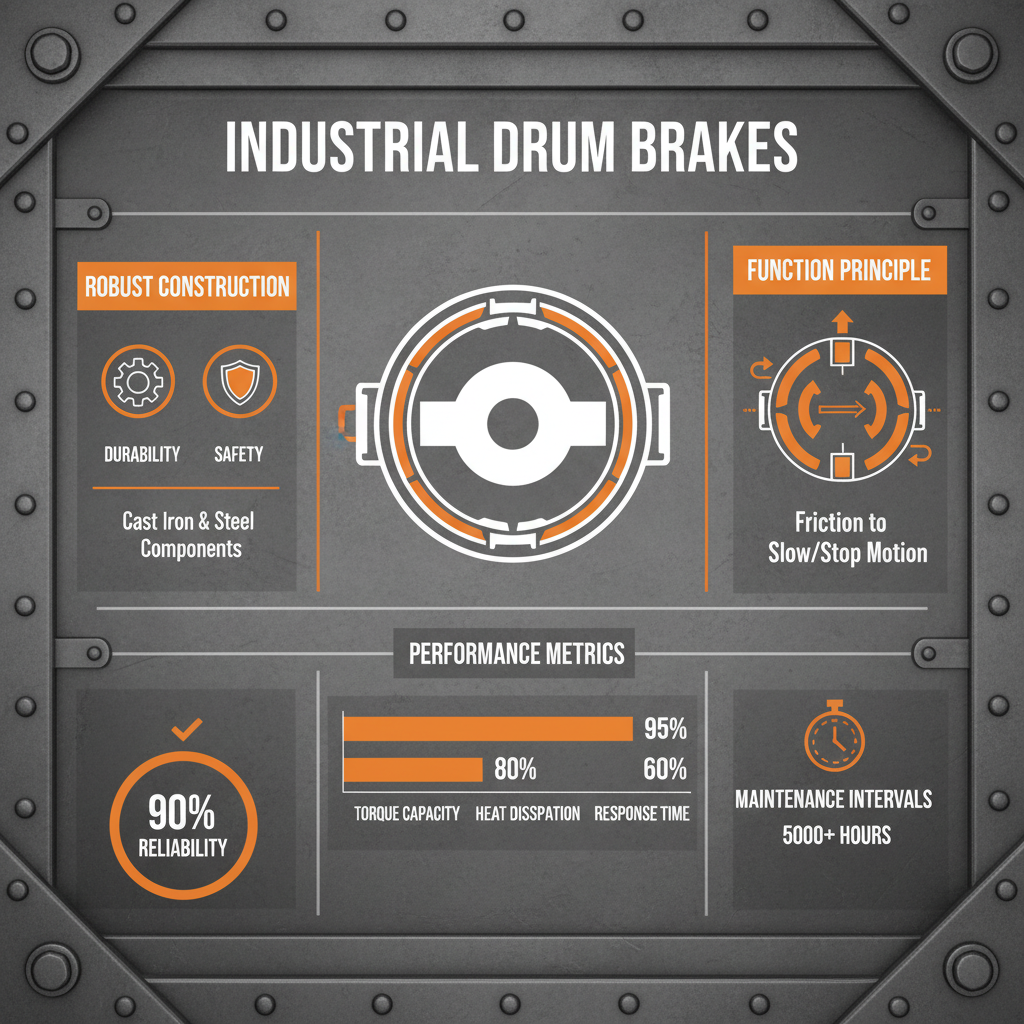
Industrial drum brakes are fundamentally mechanical braking systems that utilize friction created by a brake shoe pressing against the inner surface of a rotating drum. This friction converts kinetic energy into thermal energy, slowing or stopping the rotation of the connected machinery. Their simplicity, robust construction, and ability to handle substantial loads make them ideal for heavy-duty applications. industrial drum brakes are a vital part of any industrial process.
They differ significantly from disc brakes in their construction and operation. While disc brakes use calipers to squeeze pads against a rotor, drum brakes rely on the expanding or contracting of brake shoes within the drum. This difference leads to distinct advantages and disadvantages depending on the specific application, making careful selection crucial for optimal performance and longevity.
Defining Industrial Drum Brakes
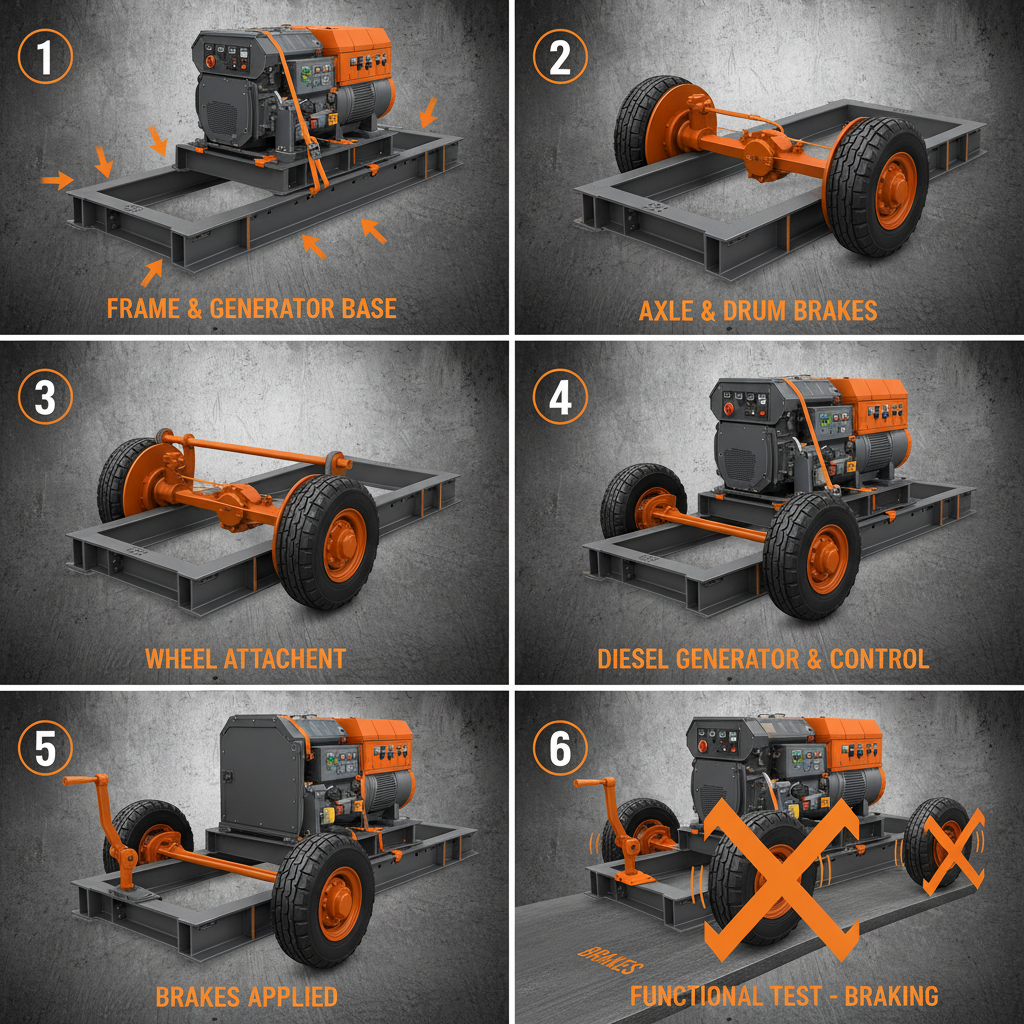
At their core, industrial drum brakes are electromechanical or hydraulic systems designed to provide controlled deceleration and stopping power to rotating machinery. The key components – the drum, brake shoes, springs, and actuators – work in concert to convert rotational energy into heat, effectively bringing the machinery to a halt. They are typically used in applications where high torque and reliable holding are required.
Their connection to modern industry is undeniable. From the cranes that build skyscrapers to the hoists that lift materials in factories and the winches used in marine applications, industrial drum brakes are indispensable. They contribute directly to worker safety, prevent costly equipment damage, and ensure the smooth operation of critical industrial processes.
Beyond purely industrial applications, industrial drum brakes also play a role in humanitarian efforts. They are often found in mobile cranes and other equipment used in disaster relief operations, enabling the safe and efficient lifting and movement of essential supplies.
Key Components and Characteristics
One of the most important characteristics of industrial drum brakes is their high torque capacity. The larger surface area of the drum allows for greater friction, enabling them to handle significantly higher loads compared to some other braking systems. This makes them well-suited for applications involving heavy lifting and demanding operational requirements.
Another key aspect is their relatively simple design, which translates to lower maintenance costs and increased reliability. Fewer moving parts mean fewer potential points of failure, reducing the need for frequent repairs and downtime. This simplicity also contributes to their robust nature, making them capable of withstanding harsh operating environments.
Heat dissipation is also a crucial factor. While braking generates heat, the drum design allows for relatively efficient heat transfer, preventing overheating and maintaining consistent braking performance. The materials used in drum and shoe construction are carefully selected for their heat resistance and frictional properties.
Durability and Reliability of Industrial Drum Brakes
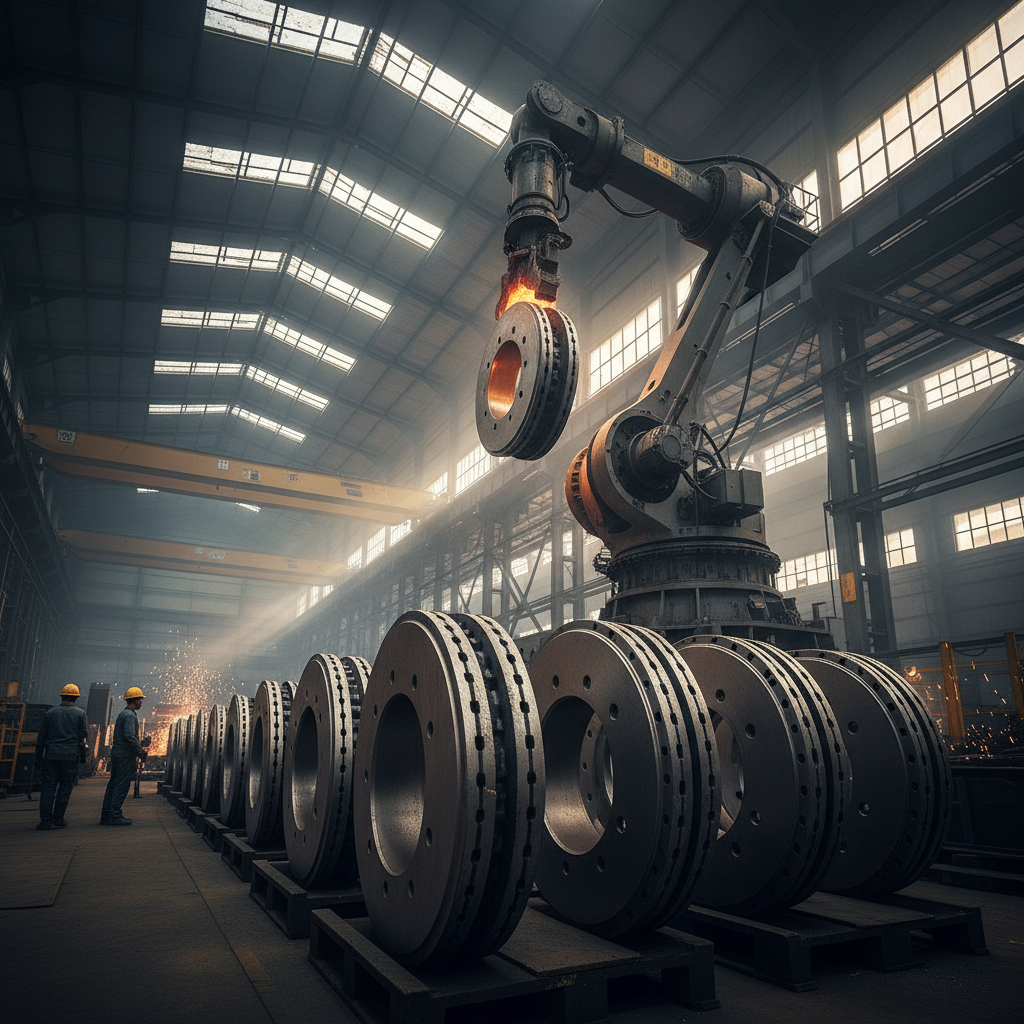
The durability of industrial drum brakes stems from their robust construction and the use of high-quality materials. The drums are typically made from cast iron or steel, chosen for their strength and ability to withstand high temperatures and wear. Brake shoes are often lined with friction materials designed to provide consistent stopping power over extended periods.
Reliability is further enhanced through regular maintenance, including inspection of brake linings, adjustment of clearance, and lubrication of moving parts. Proactive maintenance can significantly extend the lifespan of the brakes and prevent unexpected failures.
Industrial Drum Brake Performance Comparison
Global Applications and Diverse Use Cases
Industrial drum brakes are ubiquitous in various sectors globally. In the mining industry, they are critical for controlling the movement of heavy machinery like haul trucks and excavators. In the maritime sector, they are used in winches and cranes aboard ships and port facilities. Their robust nature suits these demanding environments.
The manufacturing industry relies heavily on these brakes in conveyor systems, presses, and other automated equipment. They play a crucial role in ensuring worker safety and preventing production disruptions. Regions with significant manufacturing activity, such as China, Germany, and the United States, represent major markets for industrial drum brakes.
Advantages and Long-Term Value
The primary advantage of industrial drum brakes lies in their cost-effectiveness and long service life. While the initial investment may be comparable to other braking systems, their reduced maintenance requirements and greater durability translate to lower total cost of ownership over the equipment's lifespan. industrial drum brakes offer tangible long-term financial benefits.
Furthermore, their reliable performance contributes to enhanced safety, reducing the risk of accidents and injuries. This contributes to a positive work environment and minimizes potential legal liabilities. The peace of mind that comes with knowing your braking system is dependable is invaluable.
From a sustainability perspective, their longevity reduces the need for frequent replacements, minimizing waste and promoting responsible resource utilization.
Future Trends and Innovations
The future of industrial drum brakes is being shaped by several key trends. The integration of smart sensors and IoT technologies is enabling predictive maintenance, allowing operators to monitor brake performance in real-time and identify potential issues before they lead to failures.
Materials science is also playing a role, with the development of new friction materials that offer improved heat resistance, increased friction coefficients, and reduced wear. These advancements are leading to brakes that are more efficient, durable, and reliable.
Furthermore, the increasing emphasis on automation and Industry 4.0 is driving demand for brakes that can seamlessly integrate into automated control systems. This requires advanced communication protocols and sophisticated control algorithms.
Summary of Industrial Drum Brake Challenges and Solutions
| Challenge |
Impact on Industrial Drum Brakes |
Proposed Solution |
Implementation Cost (1-10) |
| Wear and Tear |
Reduced Braking Efficiency |
Use of Advanced Friction Materials |
6 |
| Heat Dissipation |
Overheating and Brake Failure |
Improved Drum Ventilation and Material Selection |
7 |
| Maintenance Requirements |
Downtime and Operational Costs |
Predictive Maintenance using IoT Sensors |
8 |
| Environmental Factors |
Corrosion and Reduced Performance |
Protective Coatings and Sealed Designs |
5 |
| System Integration |
Compatibility Issues with Automation |
Standardized Communication Protocols |
6 |
| Emergency Response |
Inadequate Safety Mechanisms |
Redundant Braking Systems and Fail-Safe Designs |
9 |
FAQS
The lifespan of an industrial drum brake can vary significantly based on factors like load frequency, operating environment, and maintenance practices. However, with regular inspection and proper lubrication, a well-maintained industrial drum brake can typically last between 5 to 15 years, or even longer, depending on the severity of the application. Consistent monitoring of brake lining wear is essential for maximizing lifespan.
Industrial drum brakes should be inspected at least every six months, and more frequently in high-demand applications. A comprehensive inspection should include checking brake lining thickness, drum condition, spring tension, and the functionality of any hydraulic or pneumatic systems. Regular lubrication of moving parts is also crucial to prevent wear and ensure smooth operation.
Common causes of industrial drum brake failure include excessive wear of brake linings, contamination of the braking surfaces with oil or grease, corrosion, and failure of hydraulic or pneumatic components. Improper adjustment of brake clearance and infrequent maintenance can also contribute to premature failure.
Yes, in many cases, industrial drum brakes can be retrofitted into existing machinery. However, a thorough assessment of the machinery's existing mounting points, braking requirements, and control systems is necessary to ensure compatibility. Custom adapters or modifications may be required to accommodate the new brakes. industrial drum brakes specialists can help determine the feasibility of a retrofit.
Common friction materials used in industrial drum brakes include woven phenolic resins, sintered metal, and non-asbestos organic (NAO) compounds. Each material offers different levels of friction coefficient, heat resistance, and wear characteristics. The choice of material depends on the specific application and operating conditions.
Yes, environmental considerations are increasingly important. Manufacturers are developing brake linings that are free of asbestos and other harmful materials. Additionally, the longevity of drum brakes reduces the frequency of replacements, minimizing waste. Choosing energy-efficient braking systems can also contribute to reducing environmental impact.
Conclusion
Industrial drum brakes remain a cornerstone of safe and efficient operations across a vast range of industries. Their inherent durability, reliable performance, and cost-effectiveness make them a vital component in countless applications, from heavy machinery and material handling systems to maritime equipment and disaster relief efforts. Understanding their principles, proper maintenance, and emerging innovations is crucial for ensuring optimal performance and minimizing downtime.
Looking ahead, the integration of smart technologies, advanced materials, and predictive maintenance strategies will further enhance the capabilities and longevity of industrial drum brakes. Investing in quality brakes and prioritizing regular maintenance are not just operational necessities, but also investments in safety, sustainability, and long-term productivity. For superior industrial drum brake solutions, visit our website: www.hbncbrakedrum.com