Look, these semi brake drums for sale… everyone’s talking about electric vehicles, right? And that's fine, good even. But someone’s gotta keep the rest of the world moving. Trucks, buses, heavy equipment… they aren’t exactly swapping to batteries overnight. So, demand’s steady. Actually, it’s been creeping up. I’ve noticed a lot more smaller operations trying to jump into this market lately, which usually means quality control is going to be…interesting.
To be honest, the biggest issue I see is folks trying to get too clever with the design. They think they can shave a few cents off the cost by simplifying things, and then they end up with a drum that cracks under stress. It always happens. It's the little details, you know? Like the heat dissipation channels – get those wrong, and you're looking at premature wear, warped drums, the whole shebang. I encountered that at the Xiangyang factory last time, they'd skimped on the machining for the vents. A real mess.
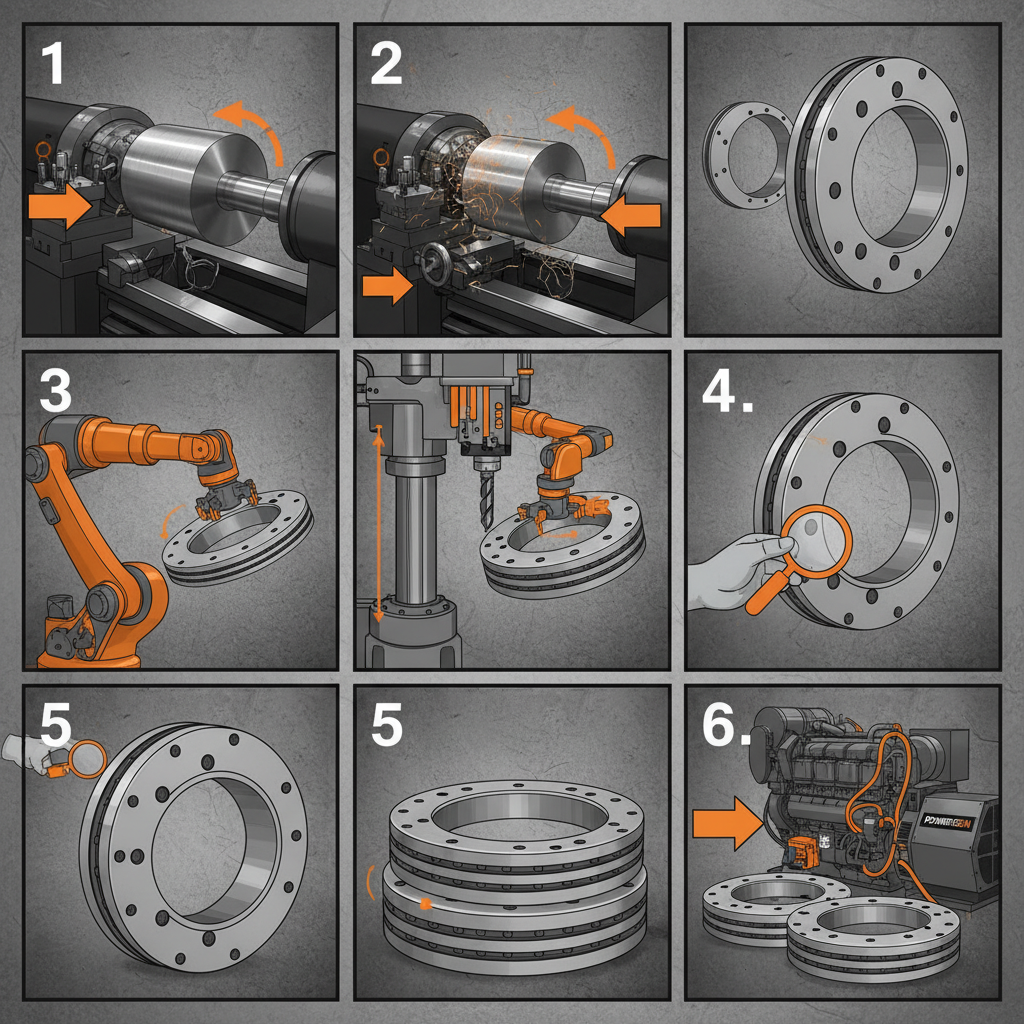
We primarily use nodular cast iron for these. Smells kinda metallic when you cut it, even with all the safety gear. It’s got a good weight to it, feels solid. Not like some of that cheaper grey cast iron you see floating around. That stuff’s brittle, almost sandy to the touch. And the machining… oh man, the machining has to be precise. You can’t just throw it on any old lathe. We use a specialized process for the surface finishing, gives it a really smooth, consistent braking surface. It's the difference between a long life and replacing it every six months.
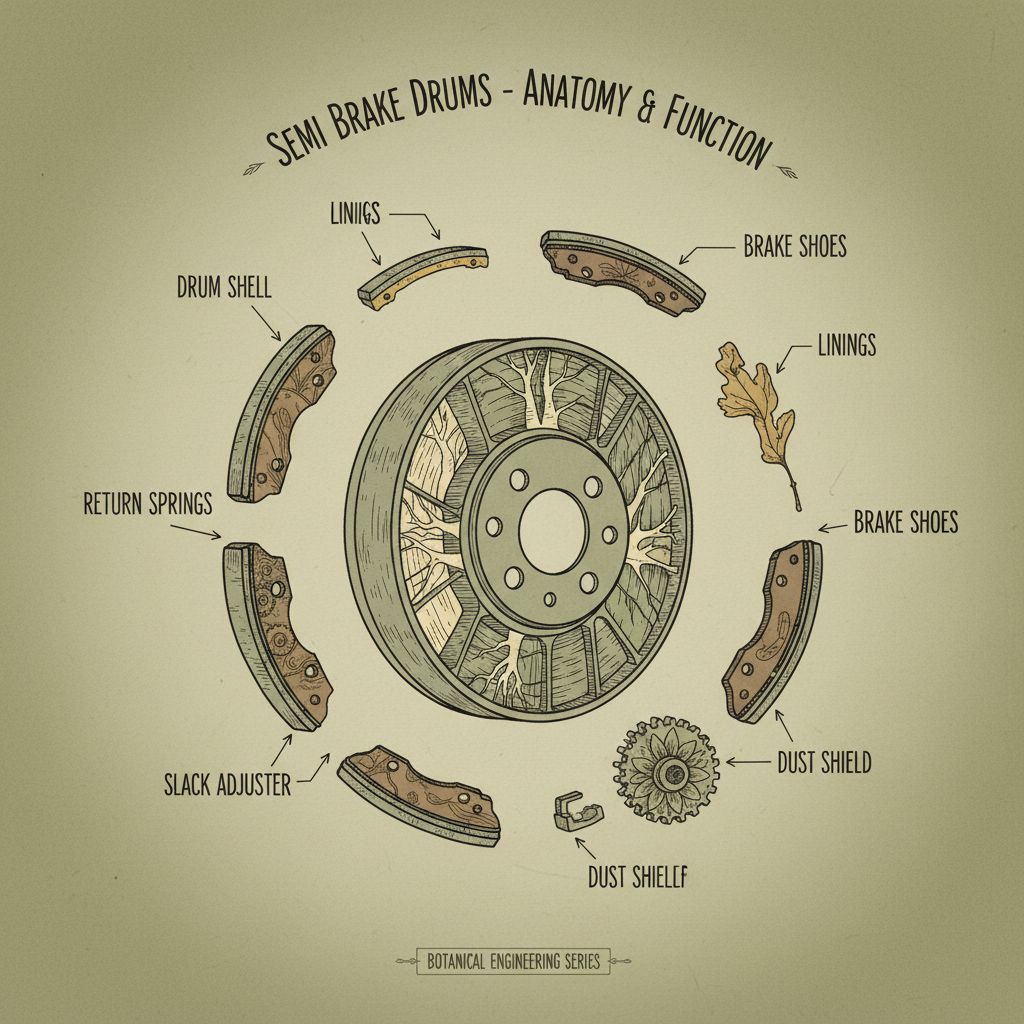
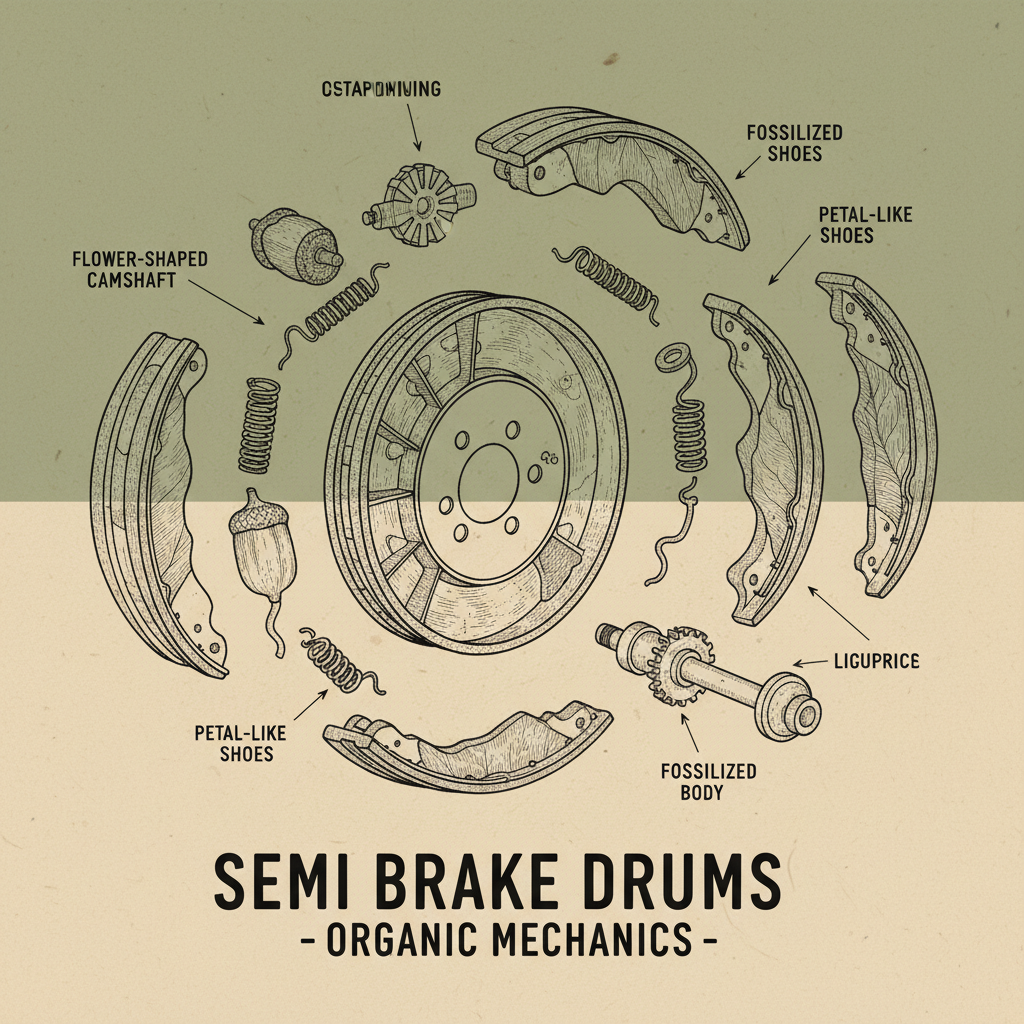
See, everyone's focused on fancy new stuff, but the bread and butter is still these heavy-duty semi brake drums for sale. The demand’s always there. We’re talking trucks, trailers, anything that needs to stop safely and reliably.
Strangely, a lot of manufacturers try to cut corners on these. It's a mistake. A brake failure is a big problem. It’s not like a headlight going out. It’s life or death. That’s why we focus on quality, even if it means a slightly higher price point. Worth it, believe me.
We don’t just sell drums; we sell peace of mind. And that's something you can't quantify in a spreadsheet. I've seen too much… well, let's just leave it at that.
That really depends on the operating conditions and maintenance schedule, but generally, our nodular iron drums will last between 500,000 and 800,000 miles in typical long-haul trucking applications. Proper lubrication, regular inspections, and timely replacement of worn pads are crucial. We've even seen some exceed a million miles with diligent care, but that's the exception, not the rule. It's about more than just mileage, though. Frequency of heavy braking, road conditions, and overall load weight all play a role.
It boils down to material quality and manufacturing precision. Those cheaper drums often use inferior cast iron and lack proper heat treatment. That means they're more prone to cracking, warping, and premature wear. We use high-grade nodular iron, a more complex heat treatment process, and tighter quality control throughout the entire manufacturing process. It costs more upfront, but saves you money in the long run by reducing downtime and replacement costs. I've seen some of those cheap ones fail within six months!
We offer a wide range of sizes and configurations to fit most standard truck and trailer axles. However, it's always best to double-check the specifications before ordering. We have a detailed compatibility chart on our website, and our sales team can help you determine the correct drum for your specific application. We can also customize drums to meet your exact requirements if needed. You gotta make sure the bolt pattern and dimensions match.
We offer a one-year warranty against defects in materials and workmanship. This covers any manufacturing flaws that cause the drum to fail under normal operating conditions. The warranty doesn’t cover damage caused by improper installation, abuse, or neglect. We stand behind our products, but we also expect our customers to follow proper maintenance procedures. We can't fix everything if they run 'em into a ditch.
Yes, absolutely. We offer a variety of custom painting and coating options to match your company colors or specific requirements. We can apply powder coating, epoxy coating, or other specialized coatings to enhance corrosion resistance or improve aesthetics. There’s an extra charge for custom finishes, of course, and it will add a bit to the lead time, but it’s worth it if you want to make a statement. I saw a fleet that painted theirs bright orange, you couldn’t miss 'em!
Lead times vary depending on the quantity and complexity of the order. For standard drums, we typically ship within 2-3 weeks. Custom orders can take 4-6 weeks or longer. We always strive to fulfill orders as quickly as possible, but we never compromise on quality. It's better to wait a little longer and get a reliable product than to rush it and end up with something that fails prematurely. The global supply chain's a mess, so it can fluctuate, unfortunately.
So, there you have it. Semi brake drums for sale aren't the sexiest part of the trucking industry, but they're absolutely critical. Choosing the right drums, made from quality materials, with careful manufacturing and attention to detail, is essential for ensuring safety, reliability, and long-term cost savings. It's about more than just stopping a truck; it's about protecting lives and keeping the economy moving.
Look, the technology will keep evolving – lighter materials, smarter designs, maybe even self-repairing drums someday. But the fundamental principles will remain the same. The worker will know, the moment he tightens that lug nut and feels the solid weight of the drum, whether it's going to hold up or not.