

Brake Drums Built to Last — OEM-Grade, Precision Balanced
What’s Really Happening in the Brake Drum World
If you work with fleets or wrench on heavy vehicles, you already know that Brake Drums quietly do the hard work. Oddly under‑appreciated, yet mission‑critical. Lately, I’m seeing a push toward cleaner metallurgy, tighter runout controls, and smarter balancing. Even EV light trucks still lean on rear drums for parking-brake integration—regeneration doesn’t change that.
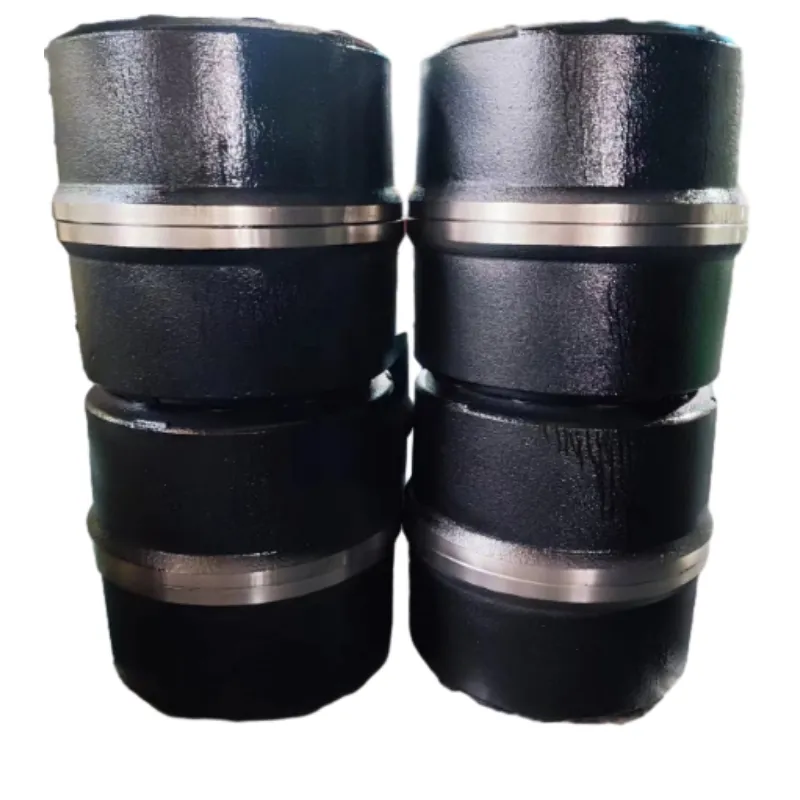
Product snapshot (field-tested, not just lab-good)
| Product Name | Brake Drum |
| Material | Gray cast iron (SAE J431 G3000 / EN-GJL-250 class, typical) |
| Hardness | HB 190–240 (uniformity checked) |
| Typical Runout (machined) | ≤ 0.05 mm (new part) |
| Dynamic Balance | ≤ 30 g·mm residual (application‑dependent) |
| Surface Finish | Ra ~1.6–3.2 µm on braking surface |
| Service Life | ~150,000–300,000 km in mixed fleet use (real‑world may vary) |
| Origin | Haozhuang, Tangqiu Town, Ningjin County, Xingtai, Hebei, China |
How they’re made (quick process flow)
- Materials: low‑phosphorus gray iron, controlled carbon equivalent for thermal capacity and crack resistance.
- Melting & pour: induction melting, spectrometer‑verified chemistry; automated molding to stabilize wall thickness.
- Machining: CNC turning of braking surface, pilot, bolt circle; chamfering; vibration‑assisted finishing for NVH.
- Balancing: dynamic balancing per spec; correction via drilling or weights (as required).
- Testing: hardness mapping, runout, concentricity, microstructure (fine pearlite), and thermal cycling benches.
- Protection: anti‑corrosion coating or paint; branded casting marks available.
- Certifications: ISO 9001 and IATF 16949 quality systems; ECE R90 compliance where applicable to the application.
Where Brake Drums still shine
Heavy trucks, buses, trailers, off‑highway equipment, and light‑commercial rears. Advantages? High thermal mass, stable parking brake integration, and lower total cost per mile. Many customers say drums handle dirty, wet routes better, which—having stood on a few rainy loading docks—sounds right to me.
Vendor snapshots (what buyers actually compare)
| Vendor | Certs | Tolerance (runout) | Lead Time | MOQ | Price ~ | Notes |
|---|---|---|---|---|---|---|
| Ningchai (Hebei) | ISO 9001, IATF 16949 | ≤0.05 mm | 20–35 days | Low | $ | Custom bolt patterns; fast tooling tweaks |
| Generic Importer | Varies | ≤0.10 mm | 45–60 days | Medium | $$ | Limited traceability |
| EU Premium Brand | IATF 16949, R90 | ≤0.03 mm | 30–45 days | Low | $$$ | Top NVH; premium coatings |
Customization that actually matters
- Bolt circle, pilot diameter, register fit, offset.
- Brand cast-in logo and part numbers; QR traceability.
- Thermal mass options (wall thickness tuning) for mountainous routes.
- Coatings: zinc‑rich primer, e‑coat, or phosphate + paint.
Mini case study: regional fleet, hot-and-wet climate
A 120‑truck beverage fleet switched to Brake Drums with tighter hardness mapping (HB 200–220). Over 8 months, measured shoe wear dropped ~12%, and brake adjustments stretched from weekly to biweekly. Downtime slid by 18%. The fleet manager told me, “the squeal disappeared—drivers noticed first.”
Final notes and standards
Look for SAE J431 G3000 metallurgy, documented runout, and balance data. If your routes are steep or heavily loaded, ask for thermal cycling results and microstructure photos. It sounds nerdy—I know—but it pays off on long grades.
- SAE J431: Automotive Gray Iron Castings — SAE International. https://www.sae.org
- IATF 16949:2016 — Automotive Quality Management. https://www.iatfglobaloversight.org
- UN ECE R90: Replacement Brake Components (applicability varies). https://unece.org
-
Understanding Drum Brakes on Cars A Complete Guide to ReliabilityNewsApr.16,2026
-
Understanding Drum Brakes on Car for Safety and PerformanceNewsApr.09,2026
-
Comprehensive Guide to Understanding Drum Brakes on a Semi TruckNewsApr.07,2026
-
Understanding the Mechanics and Maintenance of Drum Brakes on a CarNewsApr.04,2026
-
Understanding and Fixing Drum Brakes Not Self Adjusting for Vehicle SafetyNewsMar.31,2026
-
Understanding and Fixing Issues with Drum Brakes Not Releasing EffectivelyNewsMar.28,2026
-
Nissan Sentra Drum Brakes A Comprehensive Guide to Maintenance and ReplacementNewsMar.26,2026